House Offer With Contingency In Santa Clara
Description
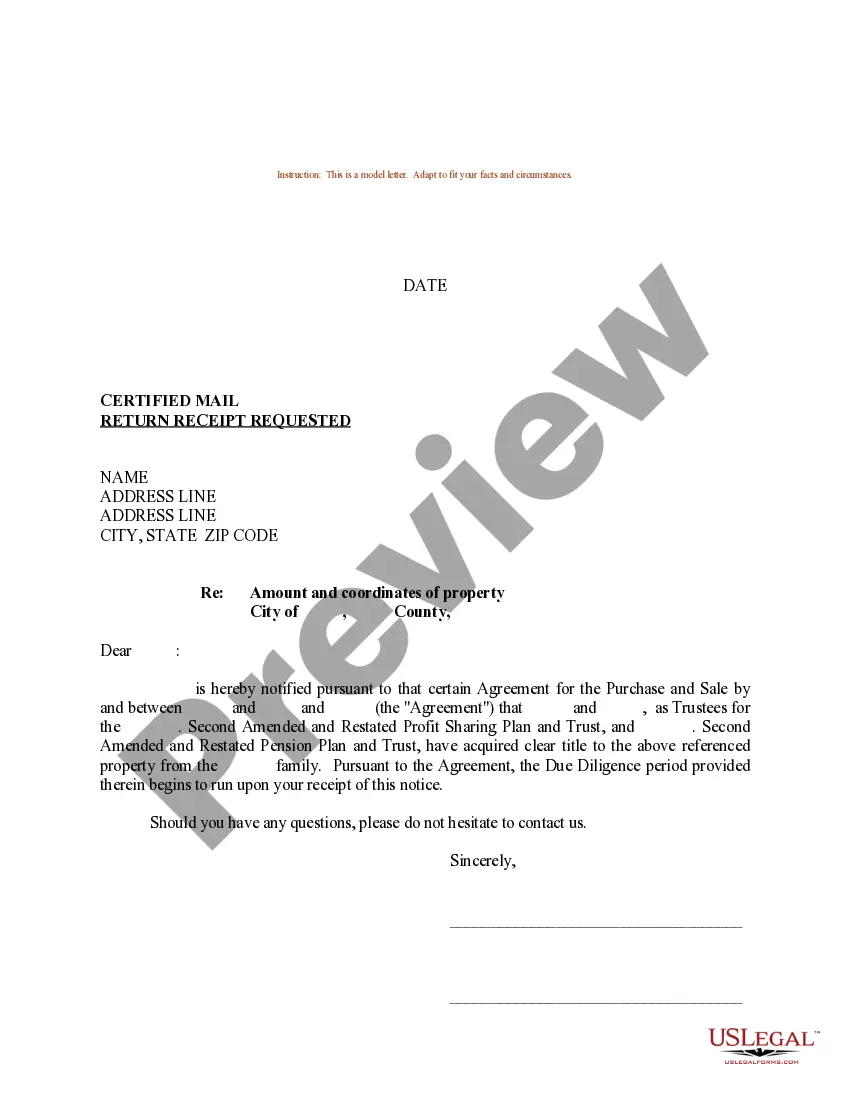
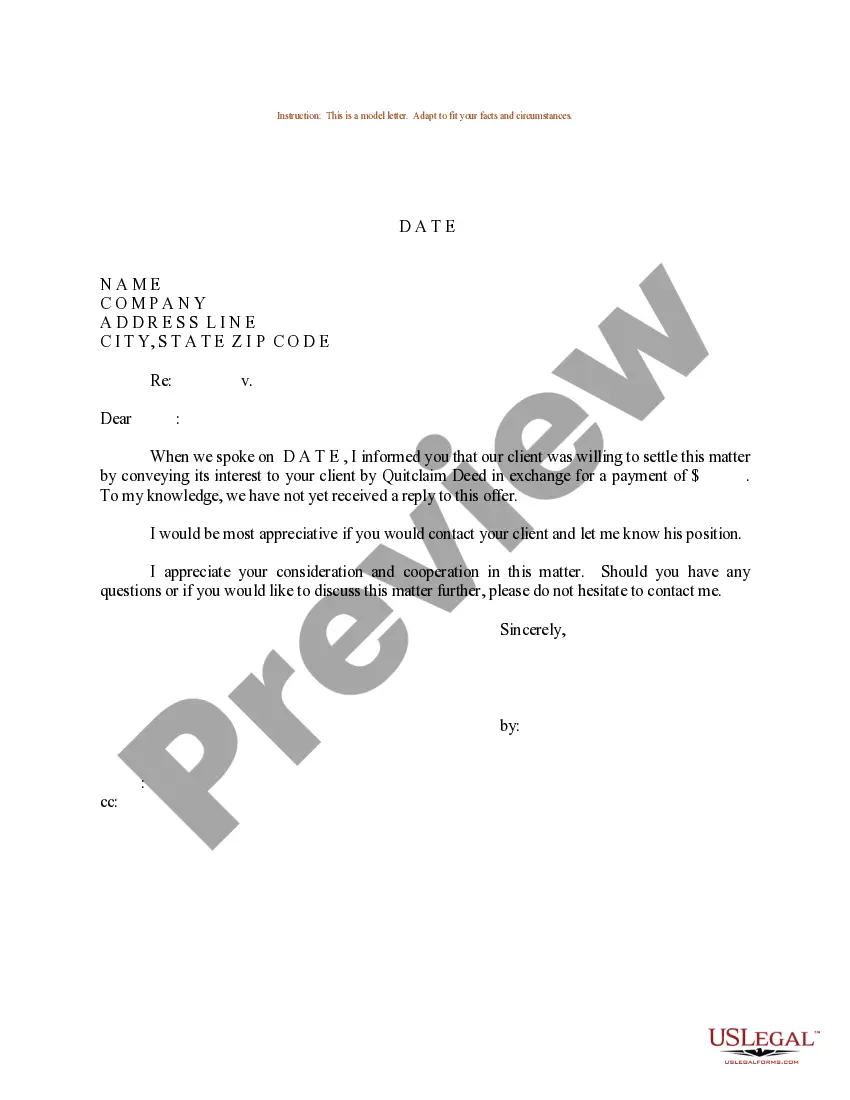
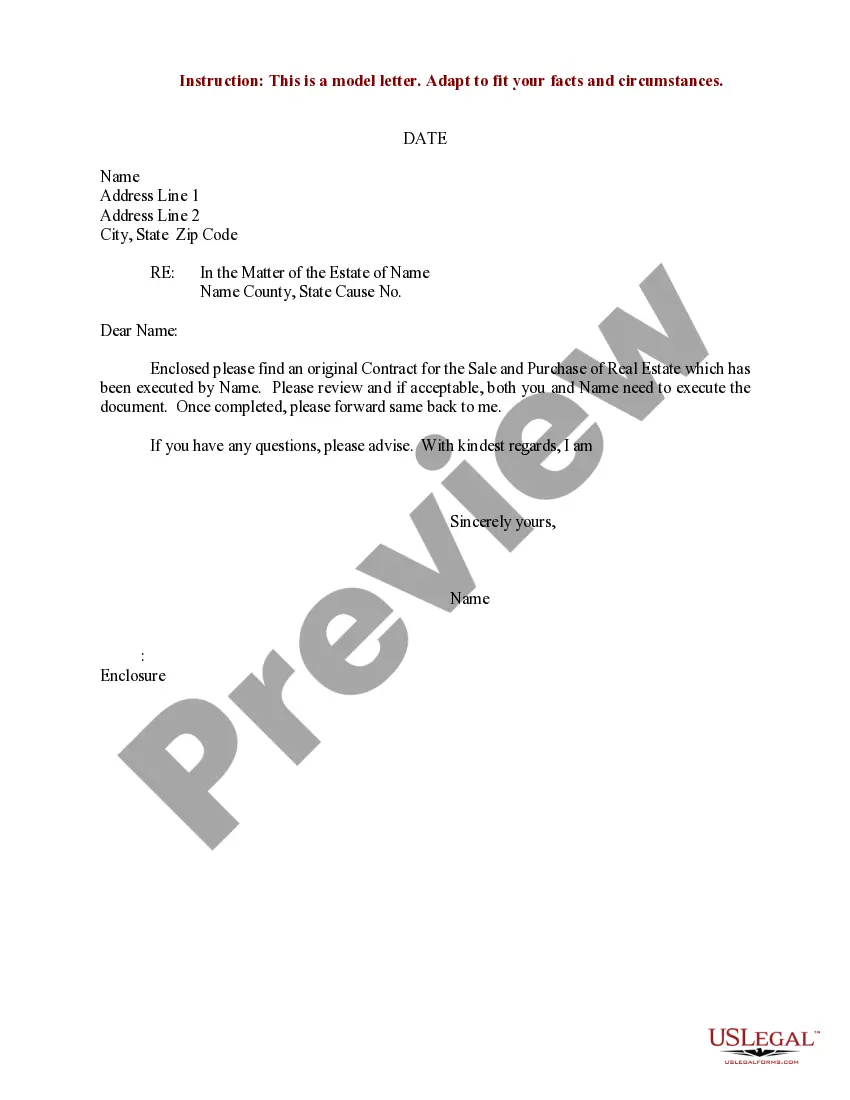
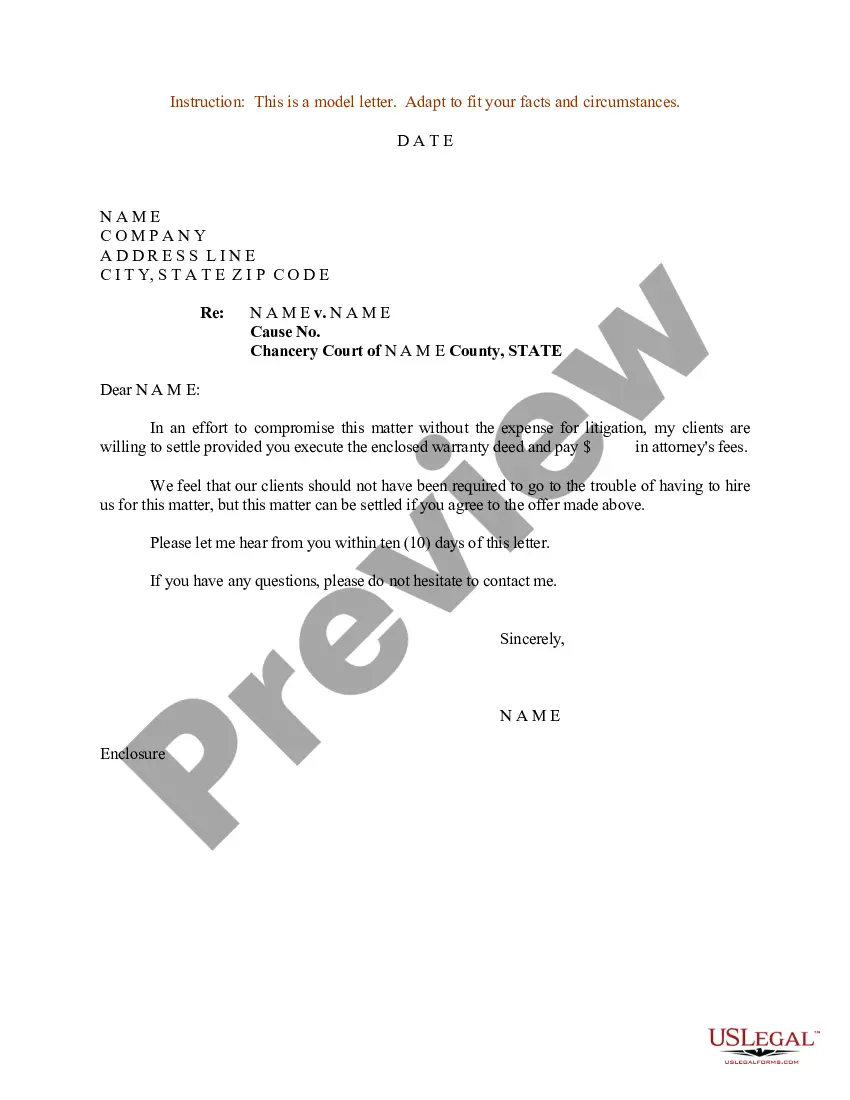
Get your form ready online
Our built-in tools help you complete, sign, share, and store your documents in one place.
Make edits, fill in missing information, and update formatting in US Legal Forms—just like you would in MS Word.
Download a copy, print it, send it by email, or mail it via USPS—whatever works best for your next step.
Sign and collect signatures with our SignNow integration. Send to multiple recipients, set reminders, and more. Go Premium to unlock E-Sign.
If this form requires notarization, complete it online through a secure video call—no need to meet a notary in person or wait for an appointment.
We protect your documents and personal data by following strict security and privacy standards.

Make edits, fill in missing information, and update formatting in US Legal Forms—just like you would in MS Word.

Download a copy, print it, send it by email, or mail it via USPS—whatever works best for your next step.

Sign and collect signatures with our SignNow integration. Send to multiple recipients, set reminders, and more. Go Premium to unlock E-Sign.

If this form requires notarization, complete it online through a secure video call—no need to meet a notary in person or wait for an appointment.

We protect your documents and personal data by following strict security and privacy standards.
Looking for another form?







Form popularity
FAQ
While contingencies are designed to provide flexibility and protection, they can also lead to a deal falling through if they aren't met within the agreed-upon timeframe. Buyers often have a set period, typically ranging from a few days to a couple of weeks, to fulfill these conditions.
If you're interested in a property that's listed with an active contingent status, you may still be able to make an offer. While the initial offer will take precedence if all the contingencies are satisfied, making an offer can put you at the head of the line if the original deal falls through.
If you're interested in a property that's listed with an active contingent status, you may still be able to make an offer. While the initial offer will take precedence if all the contingencies are satisfied, making an offer can put you at the head of the line if the original deal falls through.
You can still make an offer on a house labeled contingent or pending. However, when a property has one of these statuses, it means that an offer has been accepted, so the sale is in progress. The deal hasn't been finalized, so it still gives you an opportunity.
A contingency clause should clearly outline the conditions, how the conditions are to be fulfilled, and which party is responsible for fulfilling them. The clause should also provide a timeframe for what happens if the condition is not met.
It is highly unlikely that the bank will accept a contingent sale. In some rare cases they will, depending on that particular property. It's best to contact the listing agent so they can help you and to see if there is a possibility of the bank accepting a contingency.

