House Offer With Conditions In North Carolina
Description
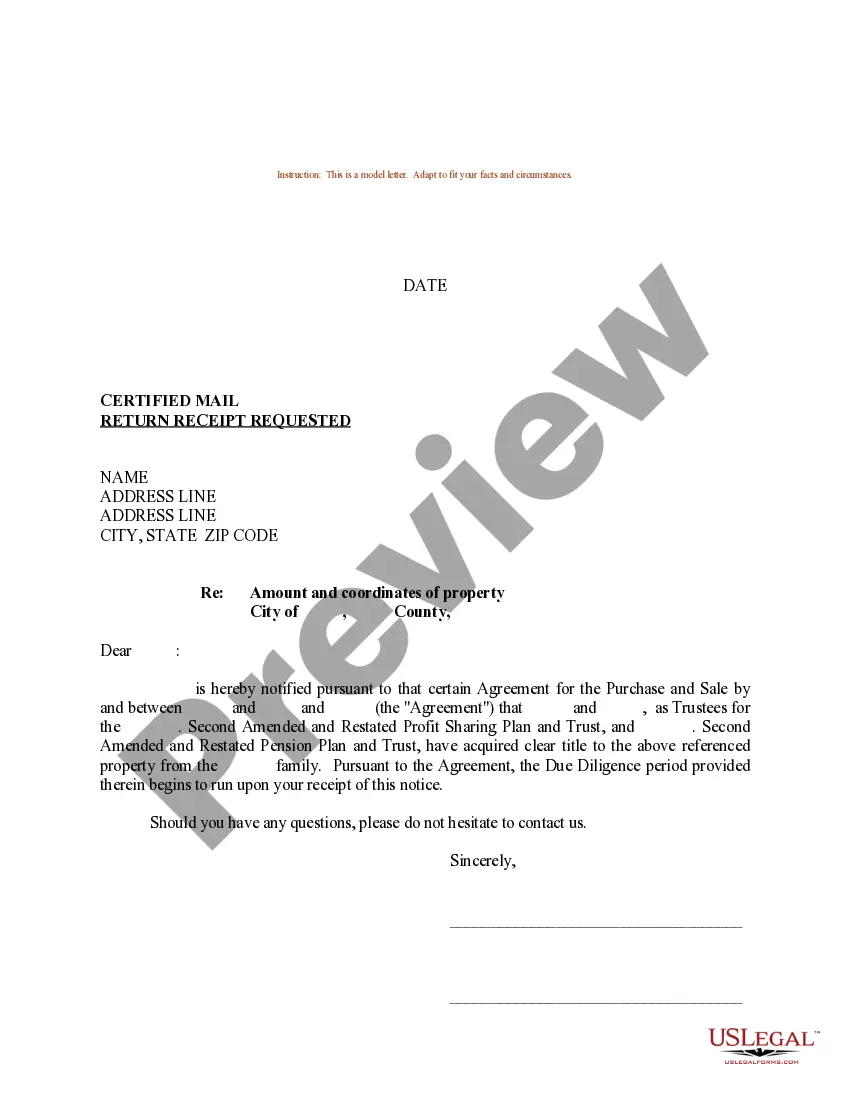
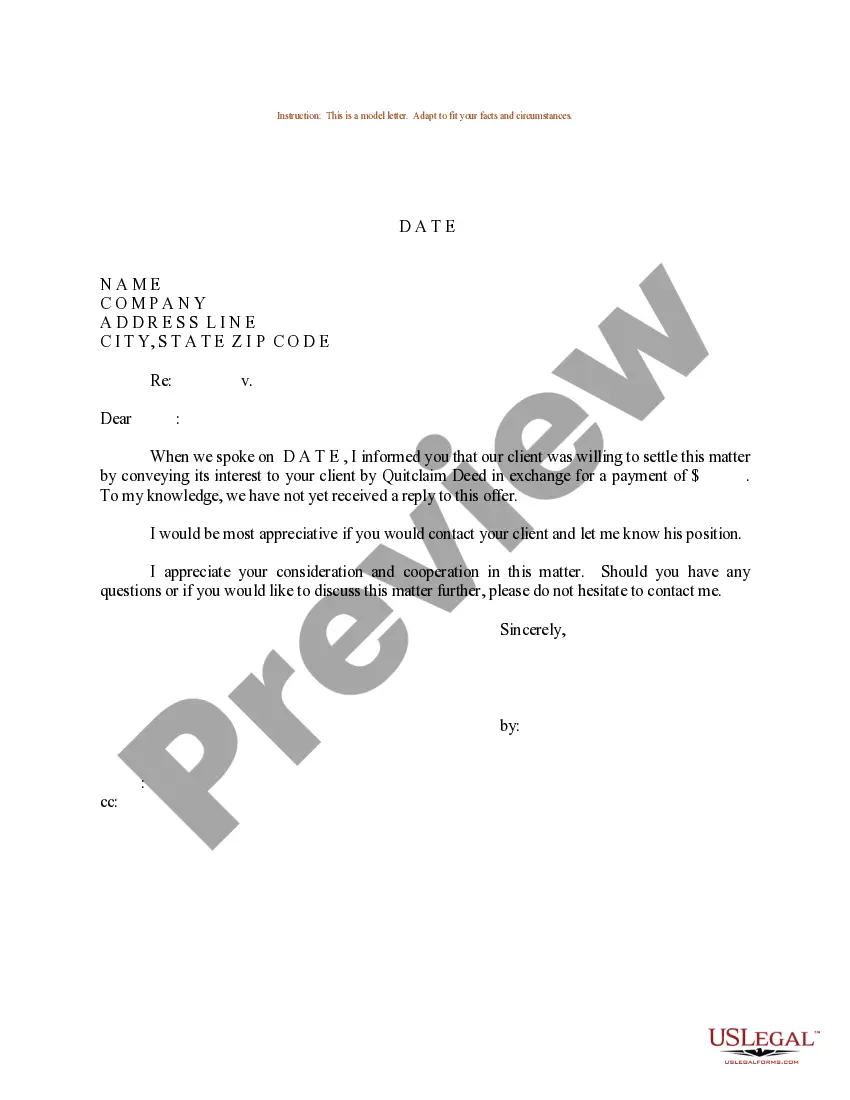
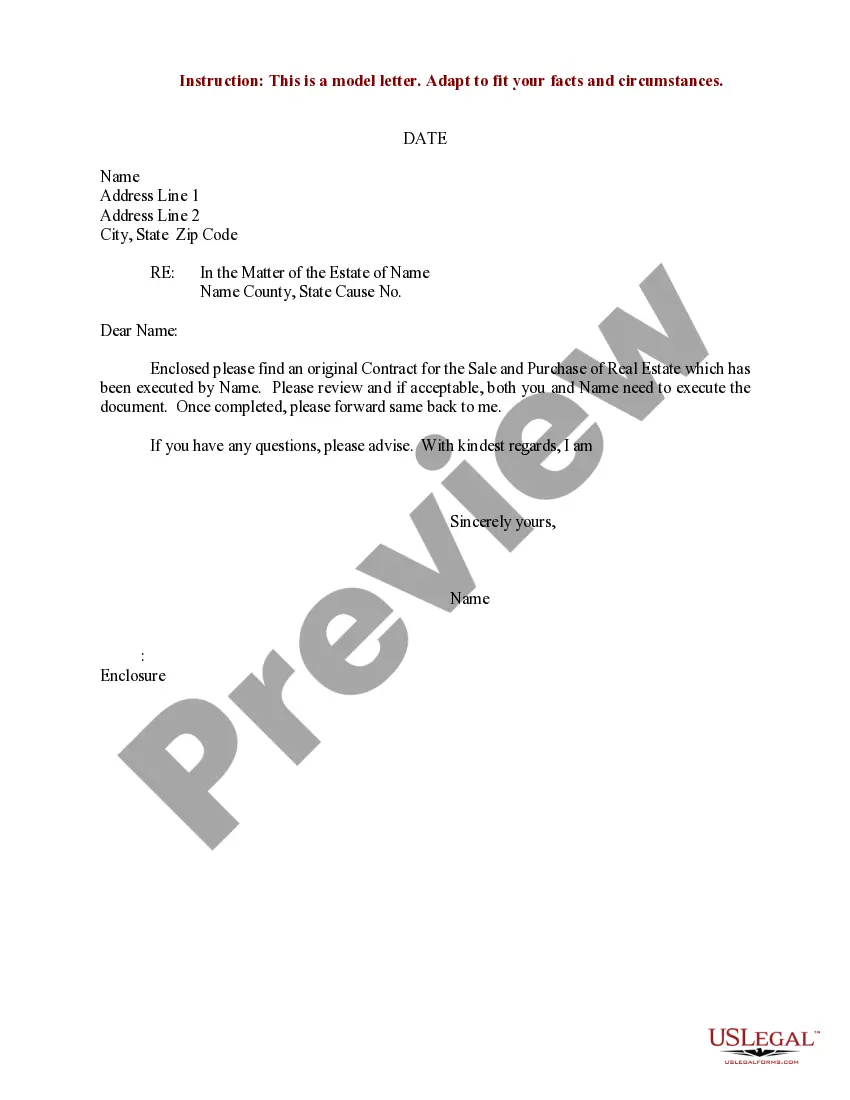
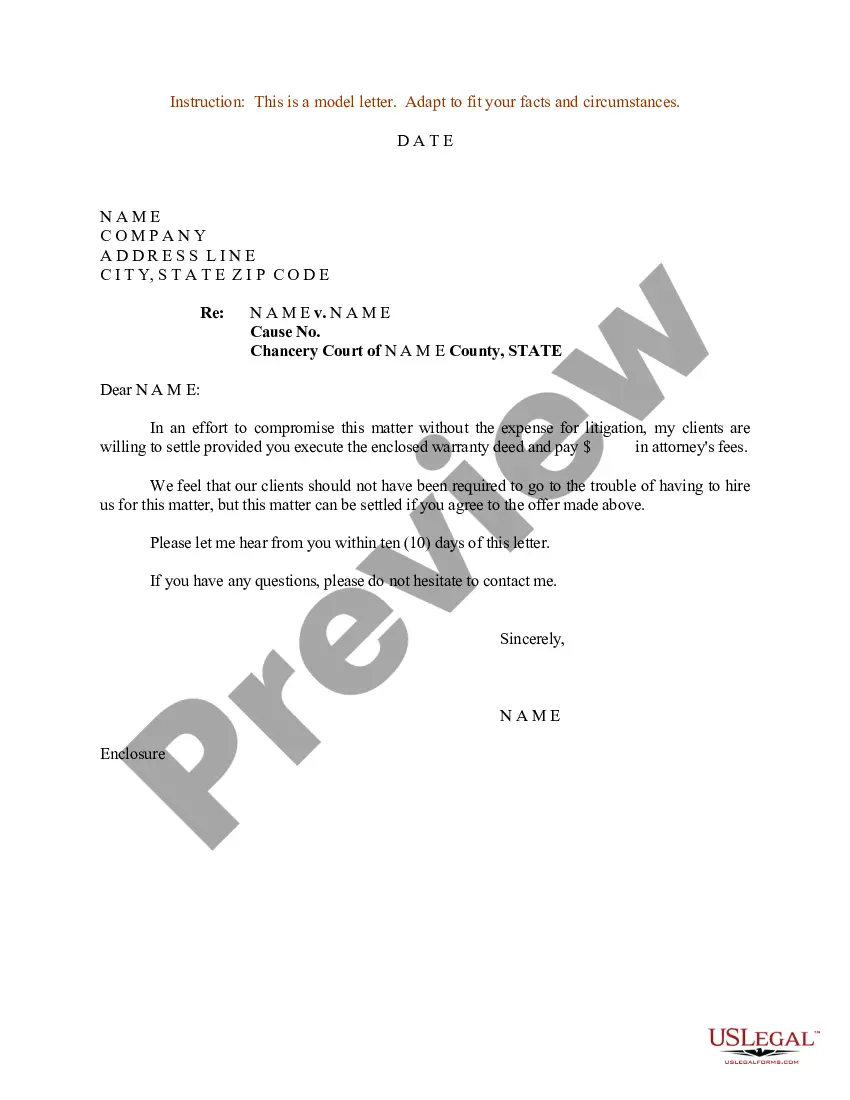
Get your form ready online
Our built-in tools help you complete, sign, share, and store your documents in one place.
Make edits, fill in missing information, and update formatting in US Legal Forms—just like you would in MS Word.
Download a copy, print it, send it by email, or mail it via USPS—whatever works best for your next step.
Sign and collect signatures with our SignNow integration. Send to multiple recipients, set reminders, and more. Go Premium to unlock E-Sign.
If this form requires notarization, complete it online through a secure video call—no need to meet a notary in person or wait for an appointment.
We protect your documents and personal data by following strict security and privacy standards.

Make edits, fill in missing information, and update formatting in US Legal Forms—just like you would in MS Word.

Download a copy, print it, send it by email, or mail it via USPS—whatever works best for your next step.

Sign and collect signatures with our SignNow integration. Send to multiple recipients, set reminders, and more. Go Premium to unlock E-Sign.

If this form requires notarization, complete it online through a secure video call—no need to meet a notary in person or wait for an appointment.

We protect your documents and personal data by following strict security and privacy standards.
Looking for another form?







Form popularity
FAQ
In most cases, putting an offer in on a contingent home is an option to consider. Although it doesn't guarantee you'll close on the home, it does mean you could be first in line should the current contract fall through. Putting an offer in on a contingent home is similar to the homebuying process of any active listing.
A conditional offer lets you specify conditions that need to be met before the sale goes through, like getting a building inspection, LIM report, or finance approval. You need to meet those conditions within an agreed timeframe e.g. five working days.
You will need a letter from your lender and this letter will be presented to the seller and their agent with any offer. You will need to be ready to pounce on any house you like, the moment it hits the market and be prepared to make an offer when you preview the house, right then and there.
The Residential Property Disclosure Act, codified as North Carolina G.S. 47E, requires the seller of residential real estate (one to four dwelling units) to complete a form—known formally as the Residential Property and Owners' Association Disclosure Statement—disclosing conditions and defects with the property.
The contingent period usually lasts anywhere from 30 to 60 days. If you have a mortgage contingency, the buyer's due date is usually about a week before closing. Overall, a home stays in contingent status for the specified period or until the contingencies are met and the buyer closes on their new house.
If you're looking for a house to make an offer on, a home listed as “contingent” will be better than one listed as “pending.” Though both houses would already be under contract, the contingent house is earlier in the process.
As a general rule, a contract is binding as soon as you sign it, and you do not have the right to cancel the contract. However, in some instances, North Carolina law, and sometimes federal law, gives you the right to cancel certain transactions even after you have signed a contract or agreement.
It won't hurt anything to look at a house listed as contingent. Nor will it hurt to submit a backup offer, if possible. That said, you should anticipate the original contract going through to close.
It won't hurt anything to look at a house listed as contingent. Nor will it hurt to submit a backup offer, if possible. That said, you should anticipate the original contract going through to close. In the event that the sale falls through, having already looked at the house can put you in a better position to get it.

