Offer For Property Purchase In Massachusetts
Description
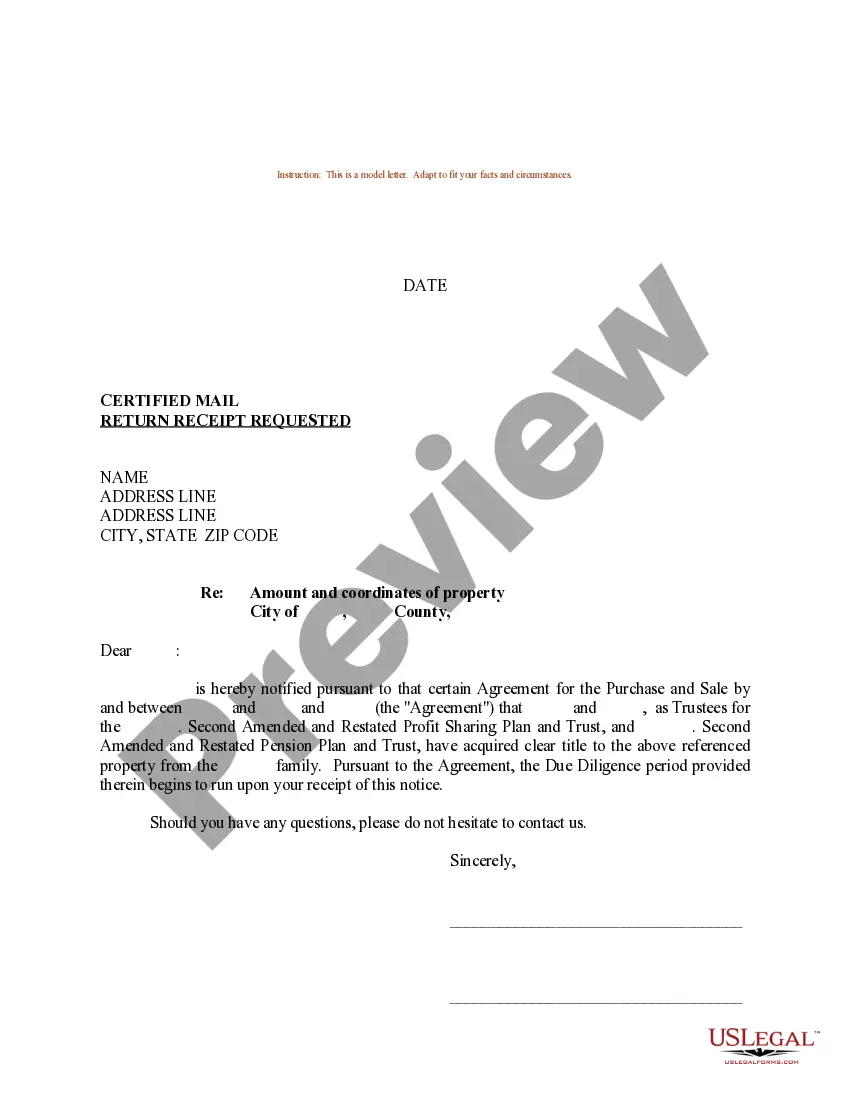
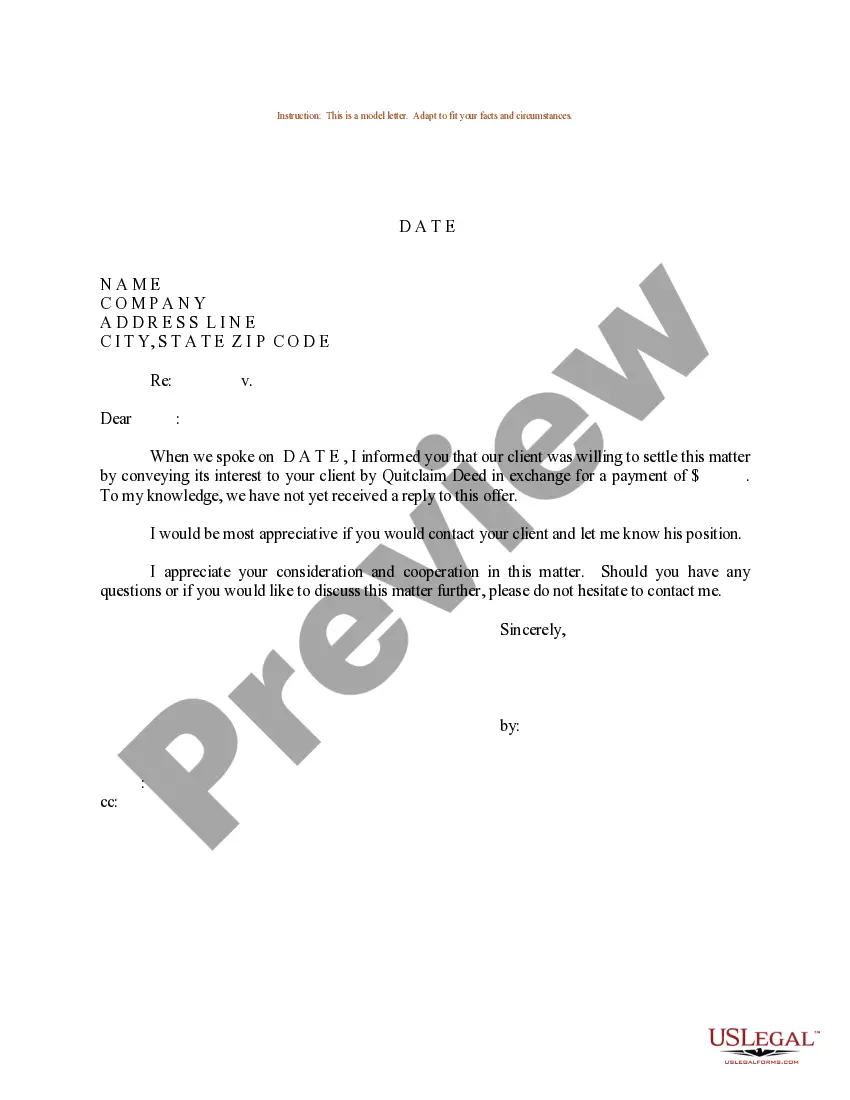
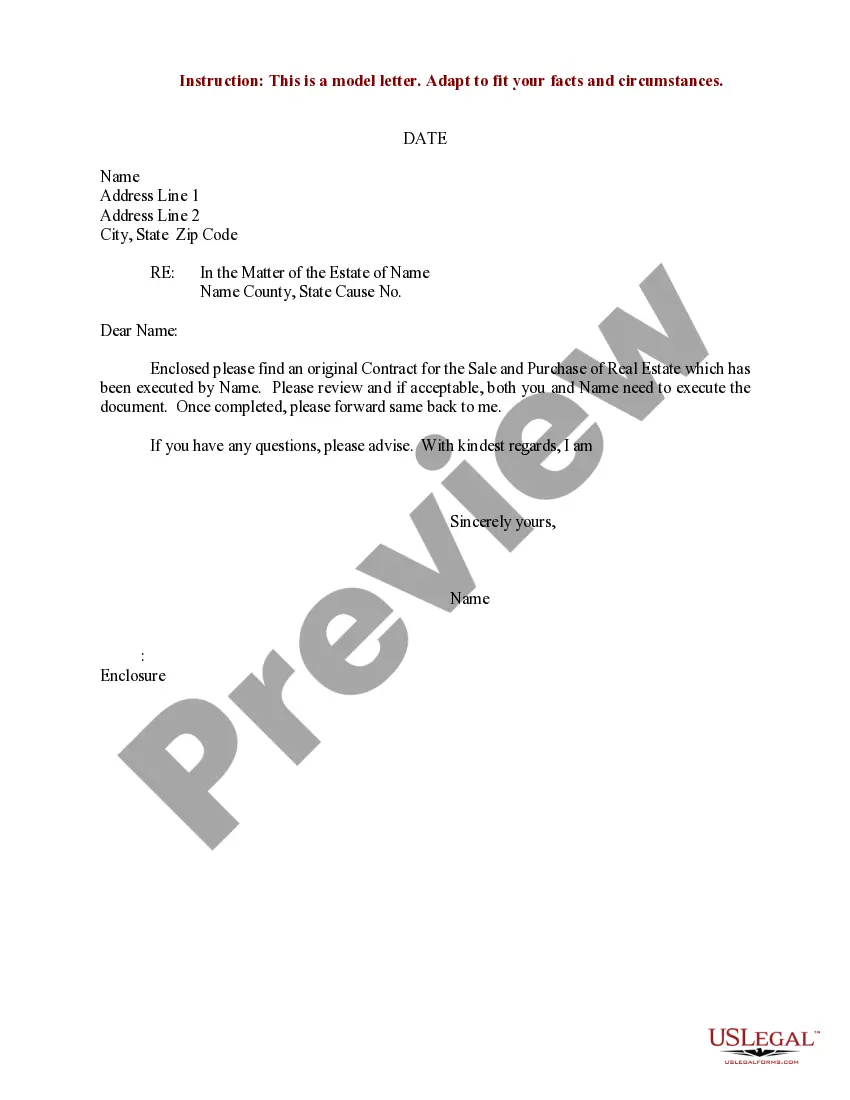
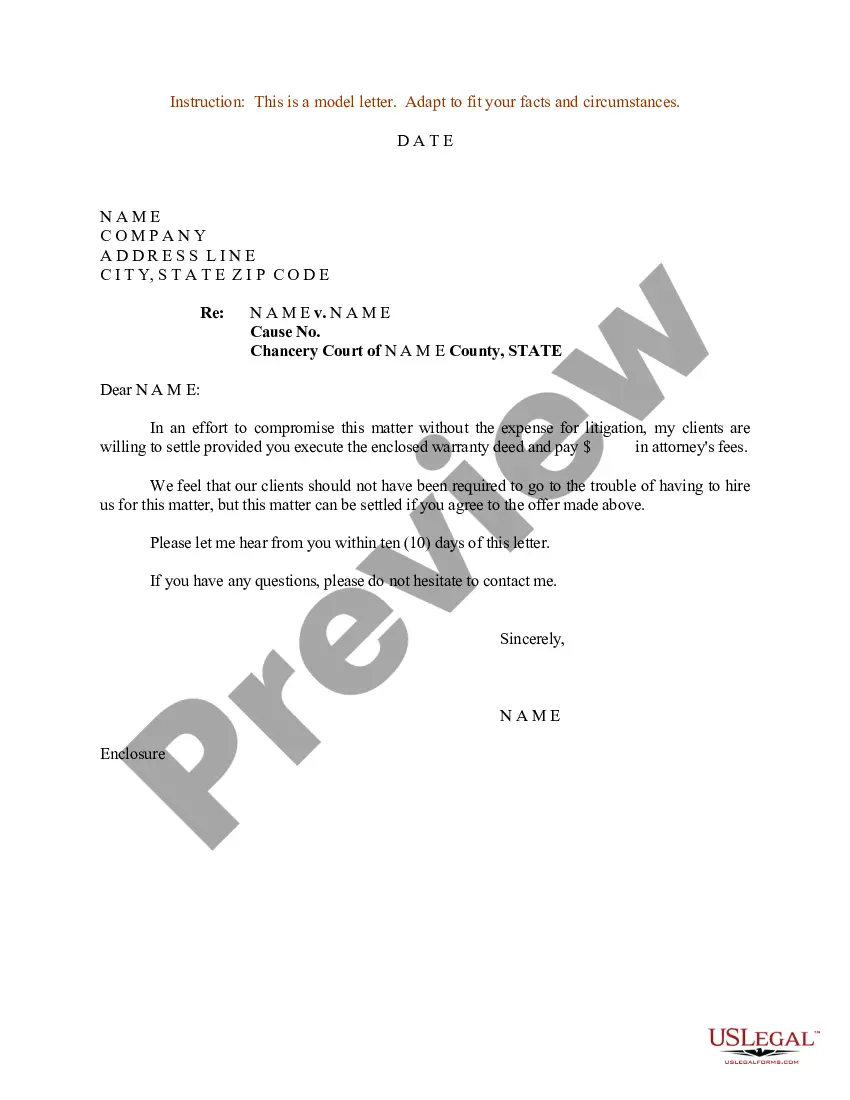
Get your form ready online
Our built-in tools help you complete, sign, share, and store your documents in one place.
Make edits, fill in missing information, and update formatting in US Legal Forms—just like you would in MS Word.
Download a copy, print it, send it by email, or mail it via USPS—whatever works best for your next step.
Sign and collect signatures with our SignNow integration. Send to multiple recipients, set reminders, and more. Go Premium to unlock E-Sign.
If this form requires notarization, complete it online through a secure video call—no need to meet a notary in person or wait for an appointment.
We protect your documents and personal data by following strict security and privacy standards.

Make edits, fill in missing information, and update formatting in US Legal Forms—just like you would in MS Word.

Download a copy, print it, send it by email, or mail it via USPS—whatever works best for your next step.

Sign and collect signatures with our SignNow integration. Send to multiple recipients, set reminders, and more. Go Premium to unlock E-Sign.

If this form requires notarization, complete it online through a secure video call—no need to meet a notary in person or wait for an appointment.

We protect your documents and personal data by following strict security and privacy standards.
Looking for another form?

Form popularity
FAQ
Tips For Writing An Offer Letter For a House Confirm You Can Submit A Letter. Address The Seller(s) By Name And Introduce Yourself. Highlight What You Like Best About The House. Keep It Short. Avoid Talking About Planned Changes To The House. Don't Talk About Financials. End With A Thank You. Proofread Your Letter.
A real estate investment proposal typically includes a cover page, an executive summary, an overview of the investment opportunity, details about the property, financial projections, and any legal considerations. Each section should be clearly labeled and organized in a logical format.
Introduce yourself and provide background information. State your purpose for the proposal. Define your goals and objectives. Highlight what sets you apart. Briefly discuss budget and how funds will be used. Finish with a call to action and request a follow-up. Close the letter and provide contact details.
Once you find a home that you like and want to put an offer on, you will need to present the proof of funds letter to your lender and the seller — which you can request from your bank. This letter verifies that you have enough liquid funds to buy the home.
Consider working with a financial advisor as you make the decision to invest in a real estate asset. Address the Seller By Name. Highlight What You Like Most About the Home. Share Something About Yourself. Throw in a Personal Picture. Discuss What You Have in Common. Keep it Short. Close the Letter Appropriately.
After visiting the home and considering their budget, potential buyers will make an offer on a property. This offer is typically delivered by the buyer's agent to the listing agent, and the listing agent passes on the offer to the seller.
How To Write A Winning Offer For An Investment Property Work With A Real Estate Agent. Do Your Research. Determine Your Maximum Offer. Lead The Offer With Intent. A well-crafted LOI demonstrates your seriousness as a buyer and can set you apart from other potential buyers. Be Flexible With Contingencies.
In Massachusetts, buyers and sellers can back out of real estate contracts, but there may be consequences. Buyers have more flexibility, especially during the contingency period, and can often cancel without penalty. Seller contingencies are less common but protect the seller's interests.

