Offer Your Property For Lease Philippines In King
Description
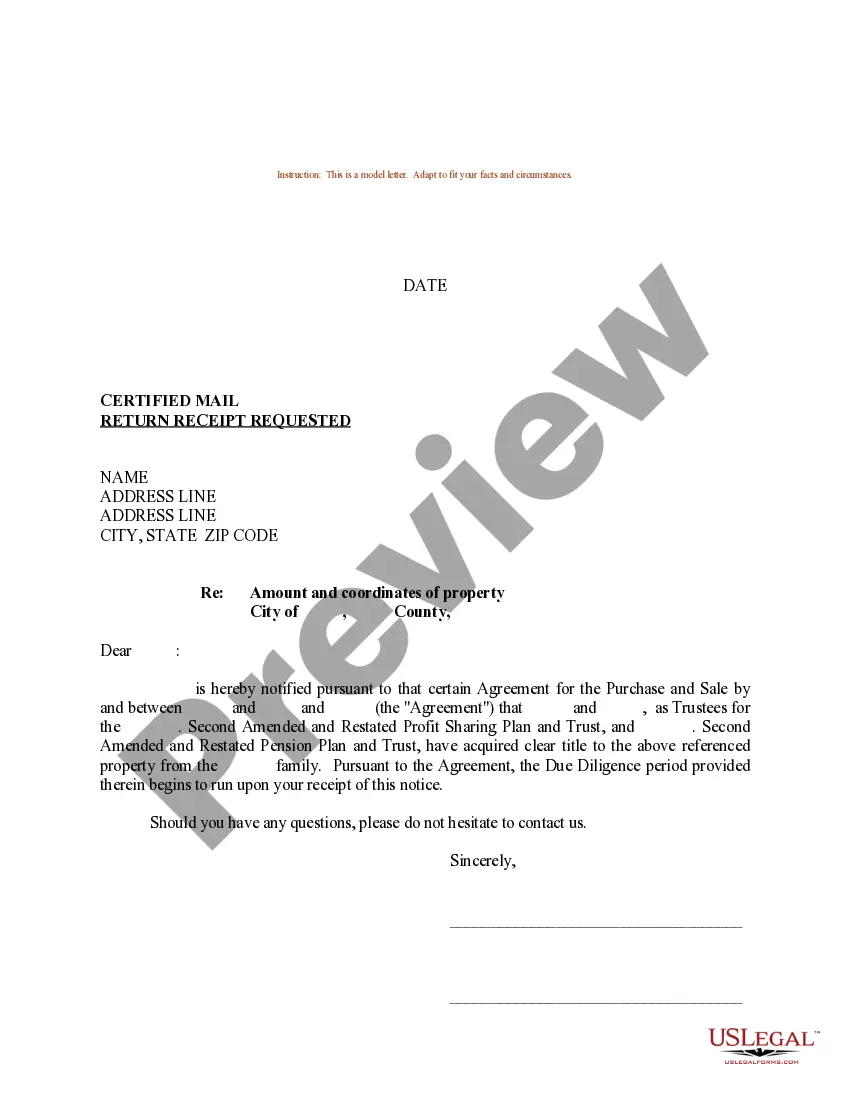
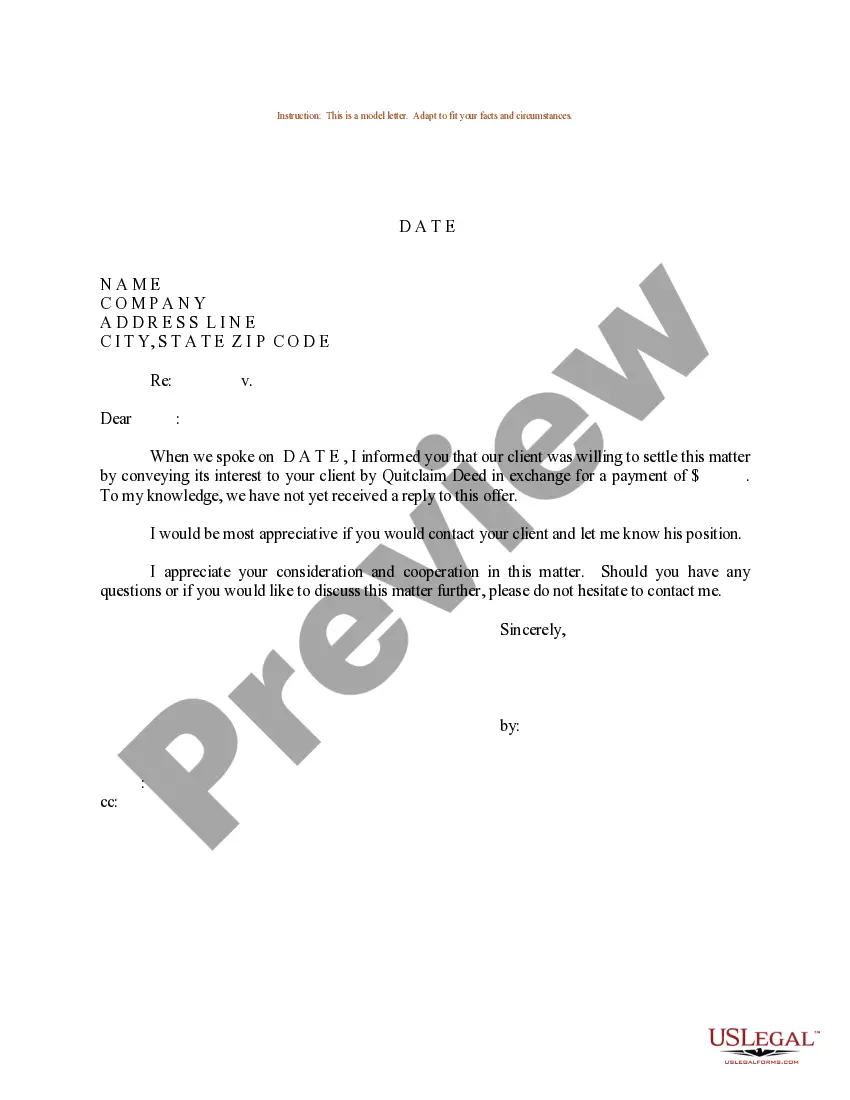
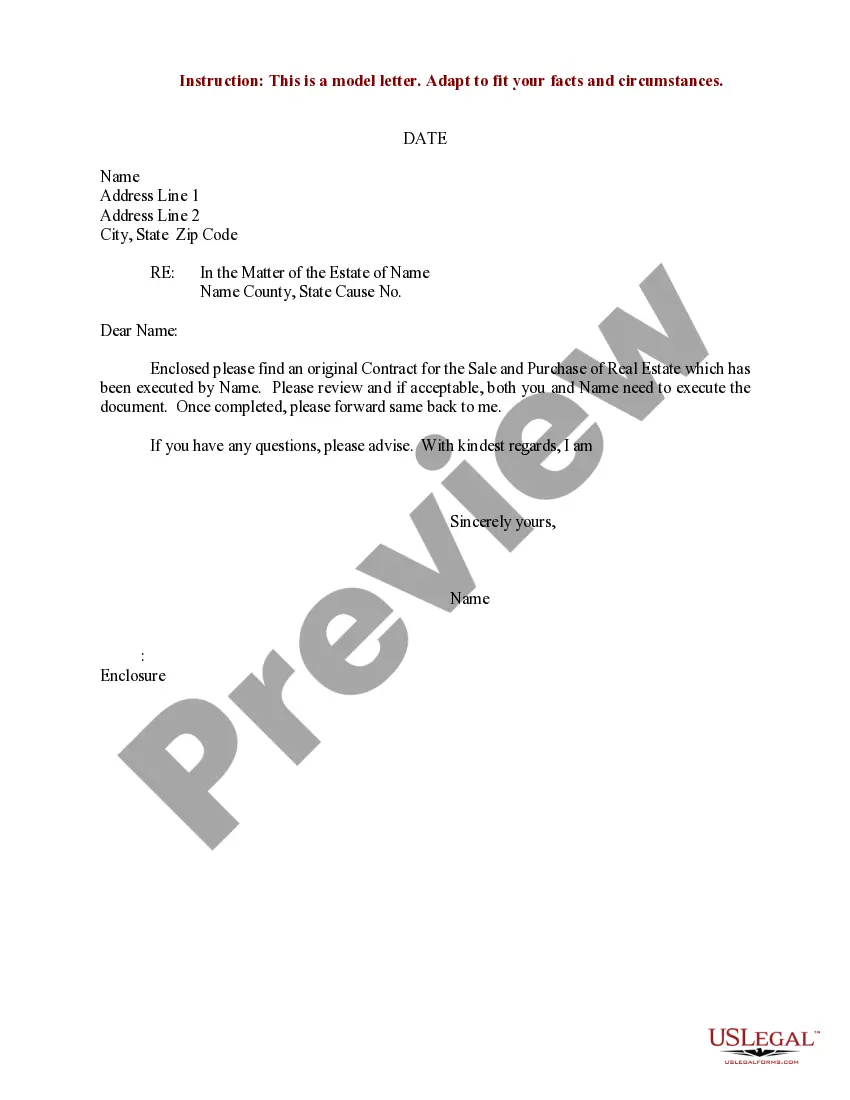
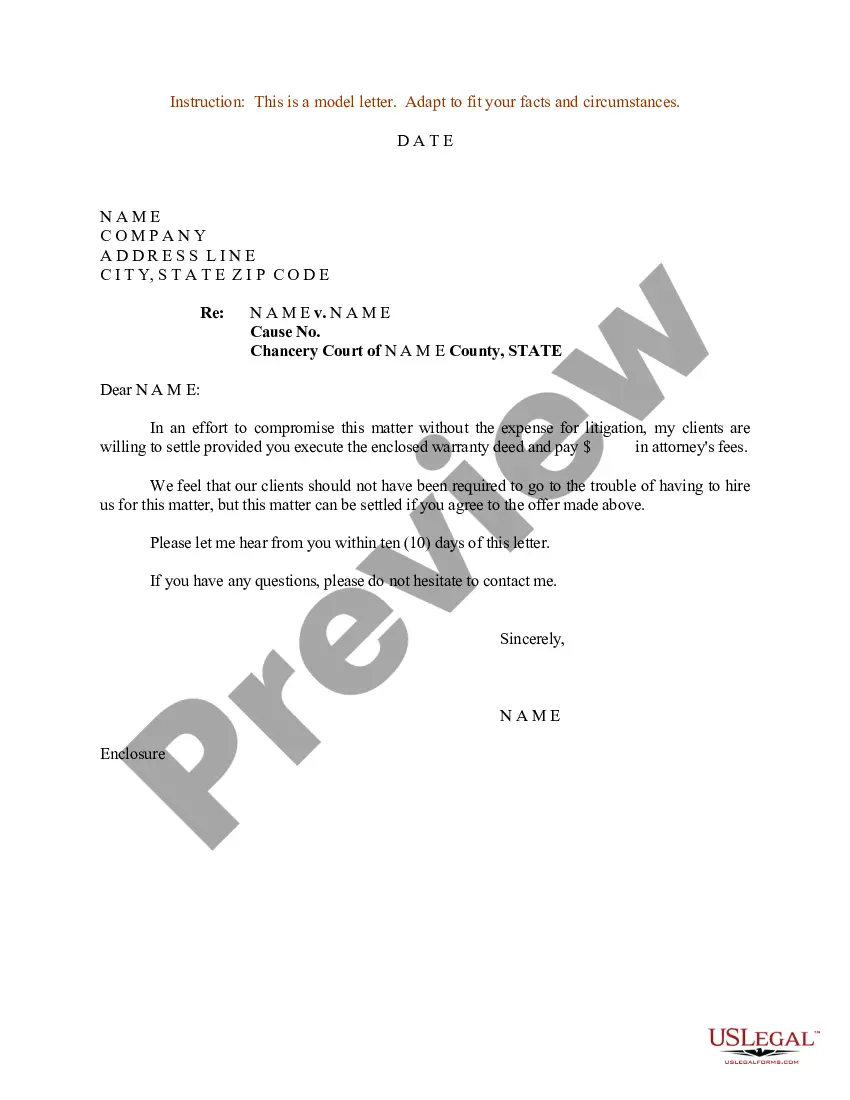
Get your form ready online
Our built-in tools help you complete, sign, share, and store your documents in one place.
Make edits, fill in missing information, and update formatting in US Legal Forms—just like you would in MS Word.
Download a copy, print it, send it by email, or mail it via USPS—whatever works best for your next step.
Sign and collect signatures with our SignNow integration. Send to multiple recipients, set reminders, and more. Go Premium to unlock E-Sign.
If this form requires notarization, complete it online through a secure video call—no need to meet a notary in person or wait for an appointment.
We protect your documents and personal data by following strict security and privacy standards.

Make edits, fill in missing information, and update formatting in US Legal Forms—just like you would in MS Word.

Download a copy, print it, send it by email, or mail it via USPS—whatever works best for your next step.

Sign and collect signatures with our SignNow integration. Send to multiple recipients, set reminders, and more. Go Premium to unlock E-Sign.

If this form requires notarization, complete it online through a secure video call—no need to meet a notary in person or wait for an appointment.

We protect your documents and personal data by following strict security and privacy standards.
Looking for another form?
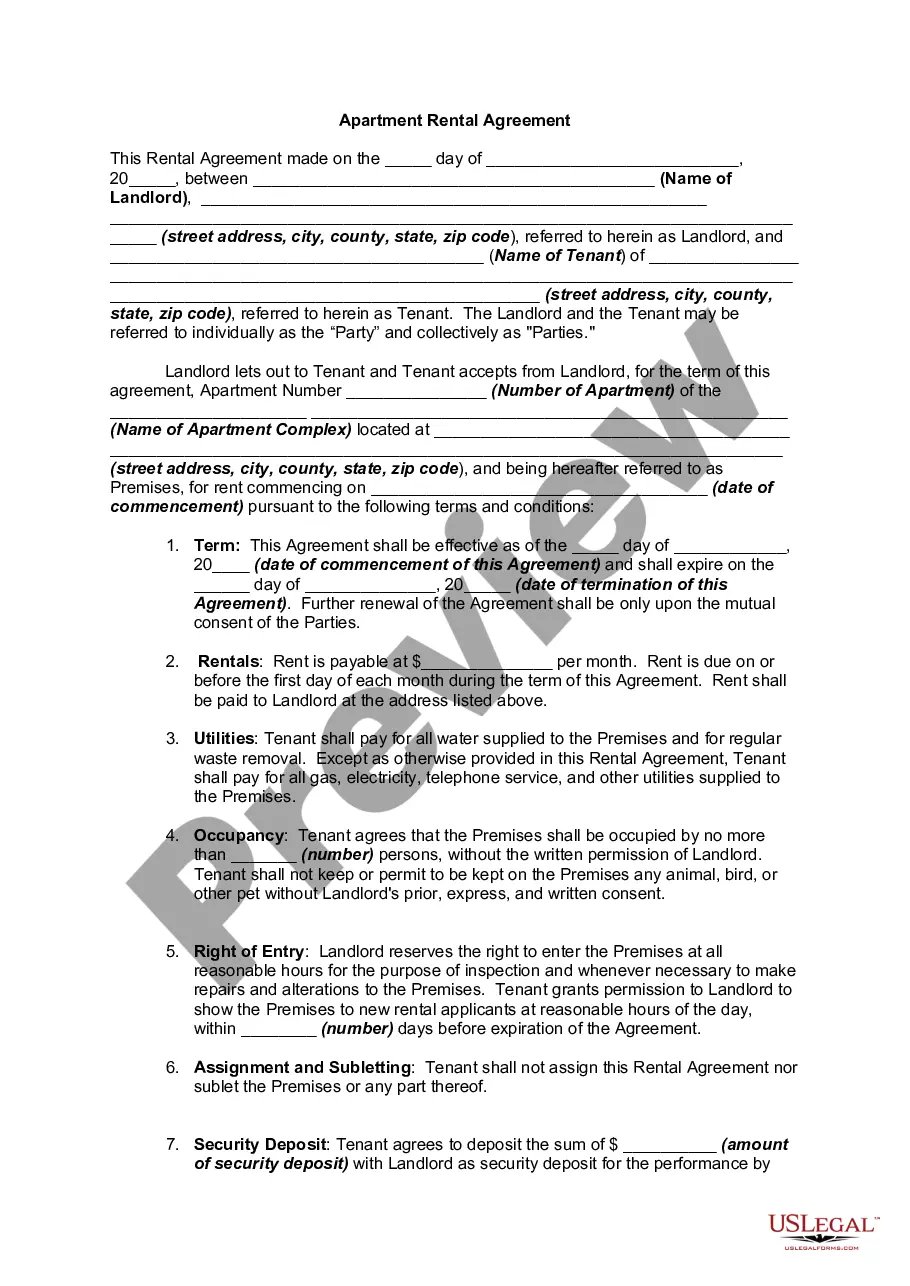







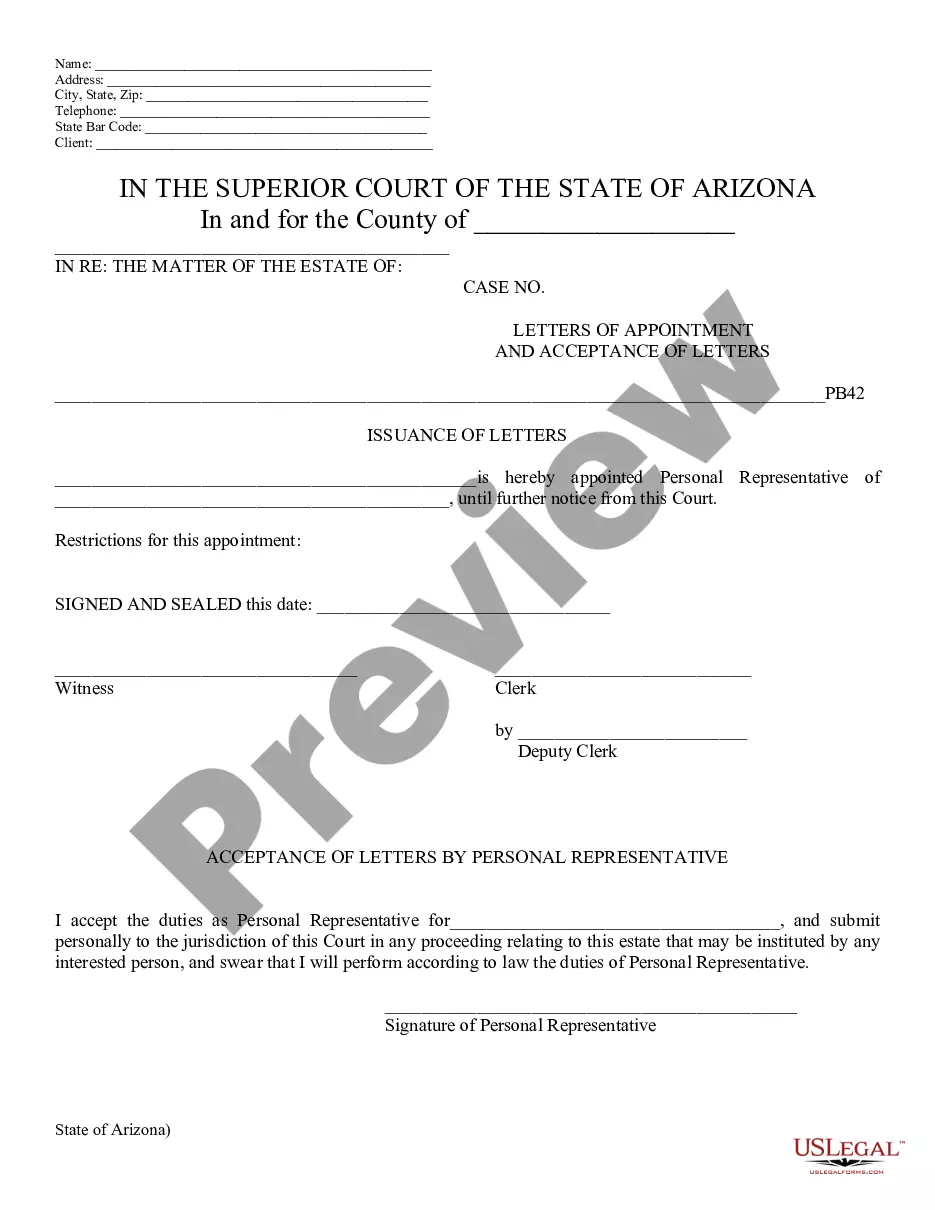

Form popularity
FAQ
For pastureland, the average rental per acre at $15 is up $1 from 2022. Source: USDA NASS. For irrigated cropland, rates ranged from $86.50 in Wyoming to $486 in California; for non-irrigated cropland, they ranged from $20 in Wyoming to $269 in Iowa; and for pastureland, $2.60 in Arizona to $60.50 in Iowa.
Steps to leasing land Determine your goals. If you're a landowner, think about your objectives for the land. Seek professional advice. Negotiate the terms. Sign the lease agreement.
Clearly state why you're writing the letter and why the property owner should continue reading. Include the property's address and let the landlord know that you're interested in leasing it under specific terms. Then go over your terms and include the non-binding clause.
Legal Requirements for Lease Agreements in the Philippines The agreement must be signed by both parties and include all the essential terms and conditions of the lease, such as the rent amount, duration of the lease, and responsibilities of both parties.
The Lease Agreement as a Binding Contract. A notarized lease agreement, once signed by both parties, becomes a valid and binding contract. Under Philippine law, contracts have the force of law between the parties who execute them (Civil Code, Art. 1159).
Under Philippine law, lease agreements for a term of more than one year must be in writing to be enforceable. The agreement must be signed by both parties and include all the essential terms and conditions of the lease, such as the rent amount, duration of the lease, and responsibilities of both parties.
The notice should have your name, the unit you are occupying and the date in which you will be completely moved out. It should also include a forwarding address to where your security deposit can be mailed. If you have a month-to-month rental agreement, a 30-day notice should be provided to the landlord.
An agreement for lease is a contract between two (or more) parties to enter into a lease. The agreement will place a contractual obligation on the respective parties to enter into the lease, either on a fixed date in the future or following the satisfaction of conditions set out in the agreement.
Here's a list of standard fields that you should include in your lease agreement: Tenant information. Include each tenant's full name and contact information. Rental property description. Security deposit. Monthly rent amount. Utilities. Lease term. Policies. Late fees.

