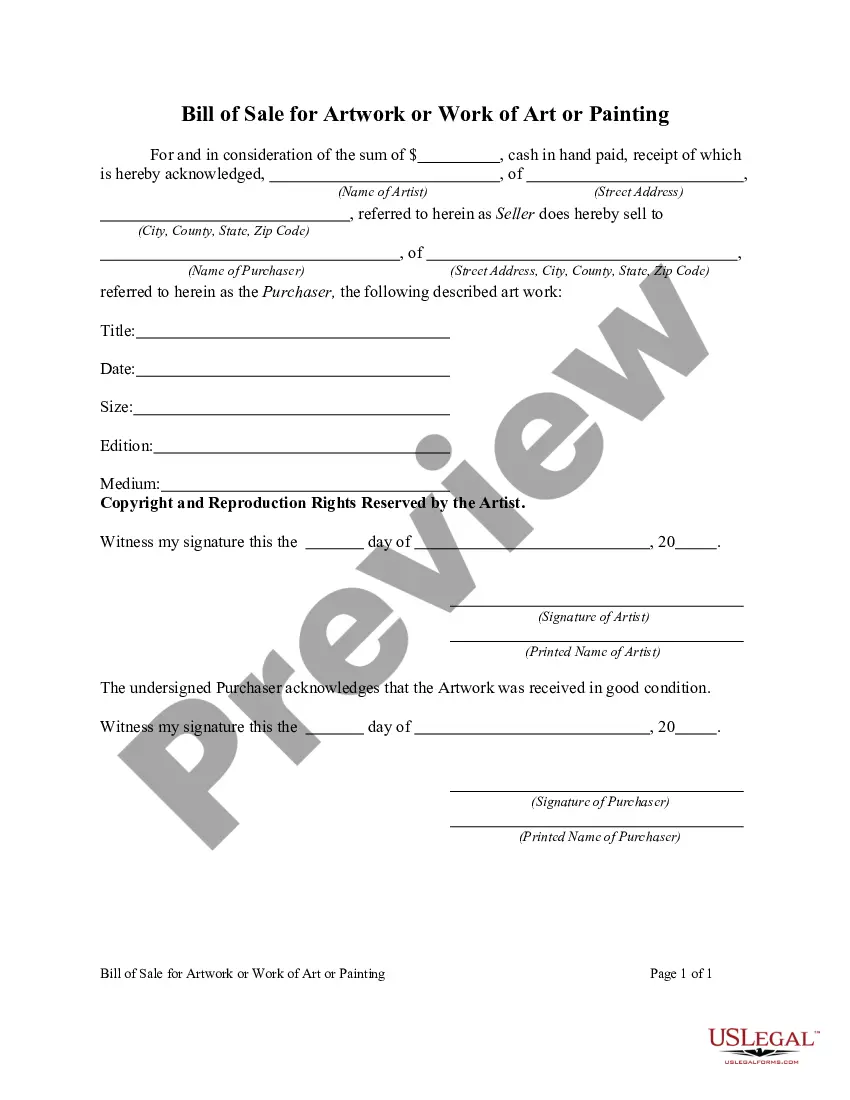
Offer To Sell Sample With Probationary Period In California
Description

Get your form ready online
Our built-in tools help you complete, sign, share, and store your documents in one place.
Make edits, fill in missing information, and update formatting in US Legal Forms—just like you would in MS Word.
Download a copy, print it, send it by email, or mail it via USPS—whatever works best for your next step.
Sign and collect signatures with our SignNow integration. Send to multiple recipients, set reminders, and more. Go Premium to unlock E-Sign.
If this form requires notarization, complete it online through a secure video call—no need to meet a notary in person or wait for an appointment.
We protect your documents and personal data by following strict security and privacy standards.

Make edits, fill in missing information, and update formatting in US Legal Forms—just like you would in MS Word.

Download a copy, print it, send it by email, or mail it via USPS—whatever works best for your next step.

Sign and collect signatures with our SignNow integration. Send to multiple recipients, set reminders, and more. Go Premium to unlock E-Sign.

If this form requires notarization, complete it online through a secure video call—no need to meet a notary in person or wait for an appointment.

We protect your documents and personal data by following strict security and privacy standards.
Looking for another form?







Form popularity
FAQ
Probationary Employee Rights – FAQ Employers use this time to evaluate a new employee and make sure that they can handle the job. While on probation, an employee's freedom and benefits may be more limited, but they are still guaranteed certain protections under California and federal law.
Probation - in an employment setting... is a 'trial' period to see if an employee is really suited to the job they've just started. It can be anywhere from a month, to a year. Depending on your contract of employment - an employee can be fired from their job within the probation period - without notice.
An employment contract with a probationary period needs to include the following details in the "Term of Employment" clause: The duration and end date of the trial period (90 days in this case) The reduced notice period during the probationary period.
You will be subject to the following probationary period at the start of your employment: Insert Date. The probationary period will be considered as a mutual probationary period. During the probationary period, the Employer may terminate the employment at Insert Days notice.
The probationary period serves as the final step in the selection process. Government Code section 19170 provides that the probationary period for permanent employees shall be six months unless the State Personnel Board (SPB) establishes a longer period of not more than one year.
Getting to know the company: Completing an employment trial period can also help you get to know the company better. This can help you decide whether you want to accept a permanent job offer . Receiving feedback: You can also use your trial period as an opportunity to get feedback on your performance.
A probationary period occurs at the beginning of a new hire's employment, during which the employer evaluates the individual's performance and suitability for the position. A probationary period allows the employer to trial new employees, monitor performance, and determine if they are a good fit for the company.
Probation can be negotiated, but normally when there's a situation that it can be argued to be already served (eg they've worked with you as a contractor, or an intern), coupled with a specific reason why it's beneficial (eg getting a mortgage and needing more security for it).
Can you get fired in the first 90 days? Yes, in most states, you can be fired at any time during the first 90 days, as long as the termination is not due to discriminatory or retaliatory reasons.