Request For Bid Example In Pima
Description


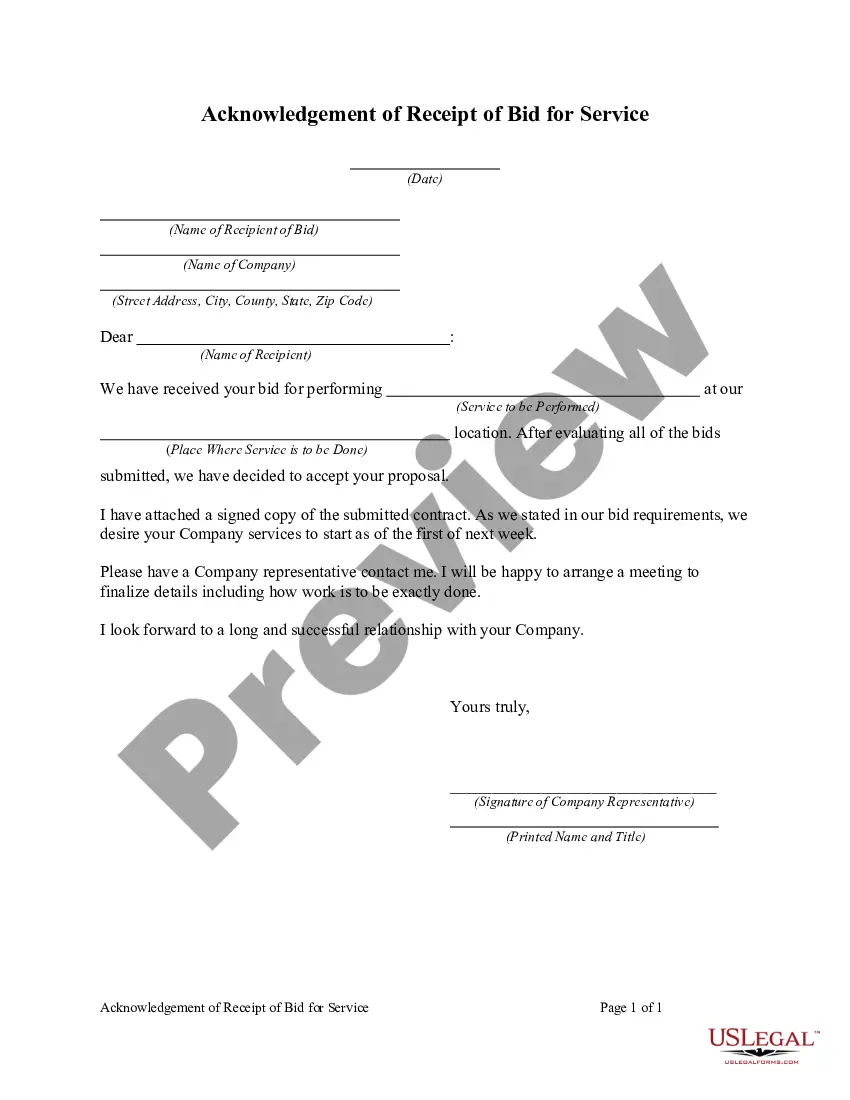
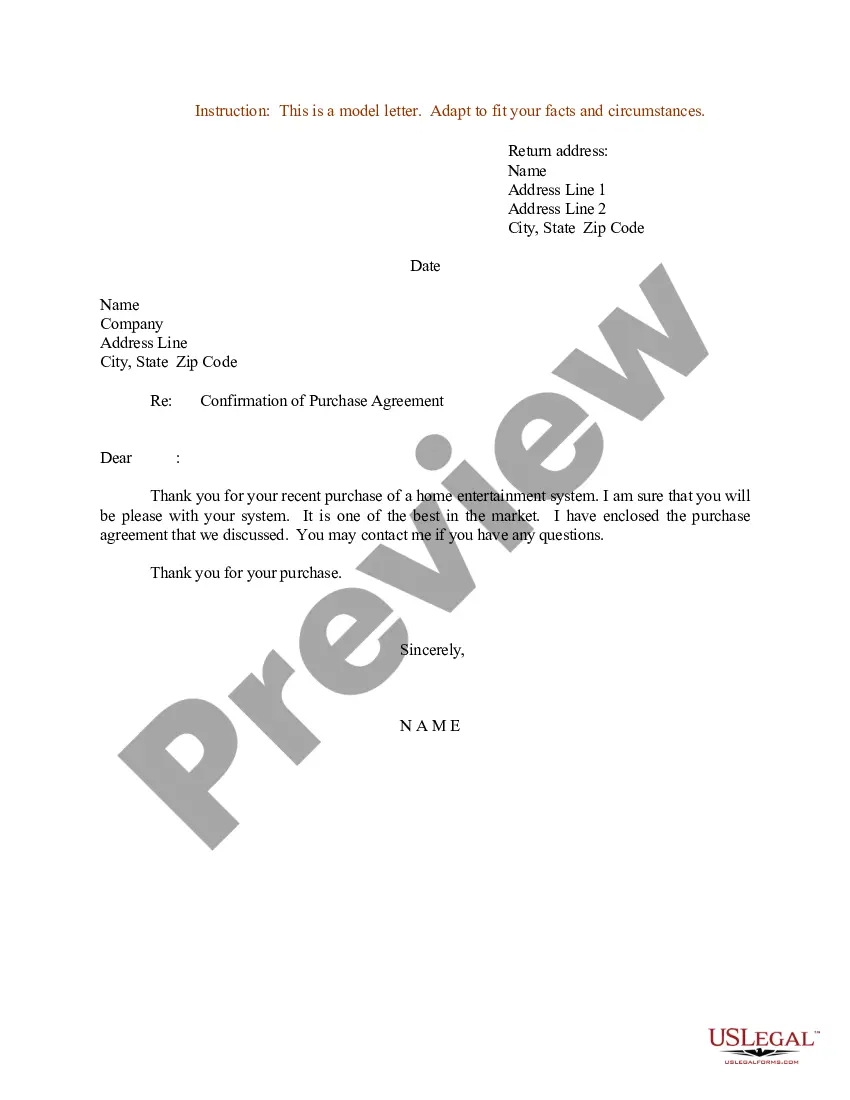
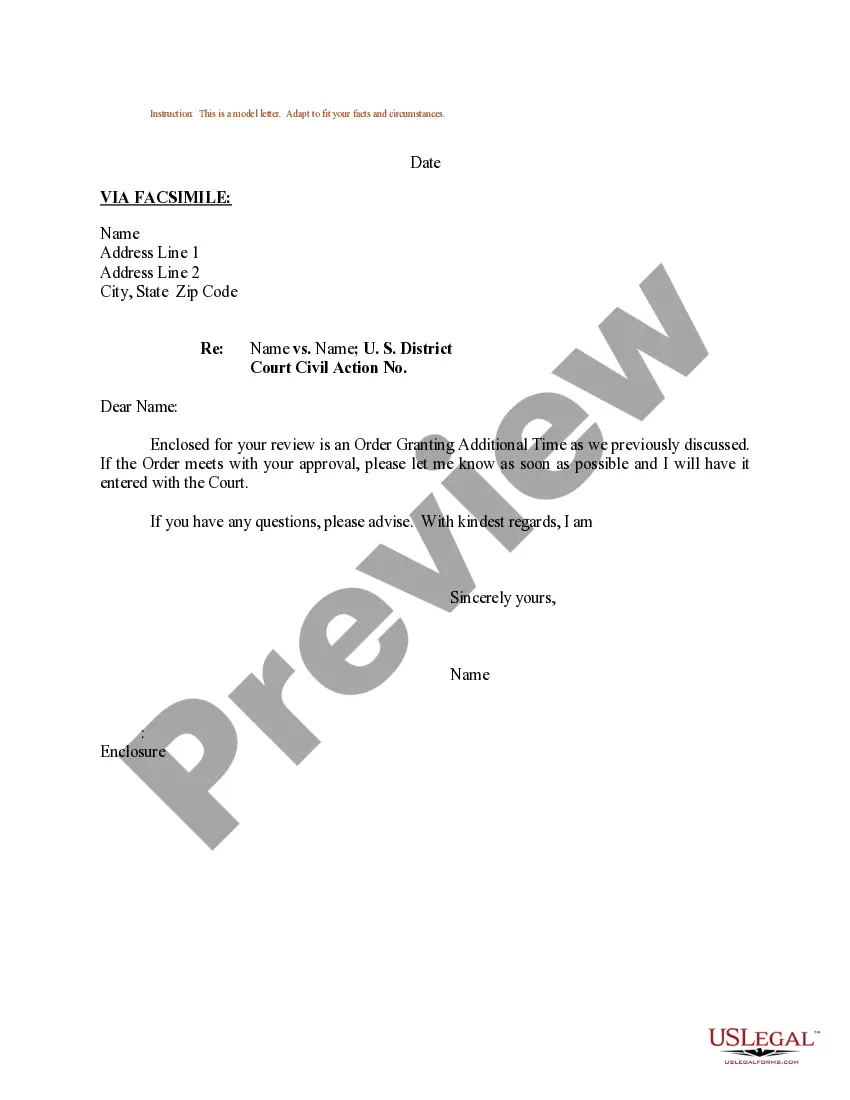
Get your form ready online
Our built-in tools help you complete, sign, share, and store your documents in one place.
Make edits, fill in missing information, and update formatting in US Legal Forms—just like you would in MS Word.
Download a copy, print it, send it by email, or mail it via USPS—whatever works best for your next step.
Sign and collect signatures with our SignNow integration. Send to multiple recipients, set reminders, and more. Go Premium to unlock E-Sign.
If this form requires notarization, complete it online through a secure video call—no need to meet a notary in person or wait for an appointment.
We protect your documents and personal data by following strict security and privacy standards.

Make edits, fill in missing information, and update formatting in US Legal Forms—just like you would in MS Word.

Download a copy, print it, send it by email, or mail it via USPS—whatever works best for your next step.

Sign and collect signatures with our SignNow integration. Send to multiple recipients, set reminders, and more. Go Premium to unlock E-Sign.

If this form requires notarization, complete it online through a secure video call—no need to meet a notary in person or wait for an appointment.

We protect your documents and personal data by following strict security and privacy standards.
Looking for another form?

Form popularity
FAQ
Sites such as GovernmentContracts, BidSync, BidNet Direct and The RFP Database collect RFP and bid postings from various sources (just like our newly developed bid-finding tool, Bid Banana!). All of these sites list RFPs for public searching.
Make it clear that your solution or approach is credible and relevant through cases studies or supporting data. To make an RFP response truly stand out, it must not only meet the bar for completeness, content quality, and qualifications—it must also provide detail into both “the what” and “the how.”
How to Be Successful at Every Stage of the RFQ Process Before. Before sending anything, do your research. During. There's nothing more frustrating than receiving a bid that doesn't fit your business. After. Keep It Clear. Provide Exact Details. Make Information Easy to Read.
Key Elements of a Winning Proposal for Bid Executive summary. Company profile. Customer testimonials. Scope of work. Project methodology. Project timeline. Budget overview. Terms and conditions.
The RFP process begins with drafting a request for proposal. Bidders review the solicitation and submit suggestions for improvement. After implementing feedback, the final request for proposal is issued. Bidders then submit their proposals.
Contract Opportunities: Search, find, bid Government agencies use sam to list contracts over $25,000. Find a contract that fits your business and submit a bid.
Example of RFP weighted criteria matrix: CriteriaWeights 1 Organization qualifications and experience 30% 2 Approach/Philosophy 15% 3 Qualifications of Staff 20% 4 References/Depth of Client Base 20%2 more rows
You may be asking, “What is a good proposal win rate?” Responsive's research puts the average RFP win rate at 45%. But that's across all industries. It will vary ing to your level of specialization.
5 tips for crafting RFP bids that win Centralize your proposal content. Assign proposal tasks early. Make the issuer's job as easy as possible. Highlight how you are different, but don't give away your secret sauce. Leverage purpose-made RFP software.

