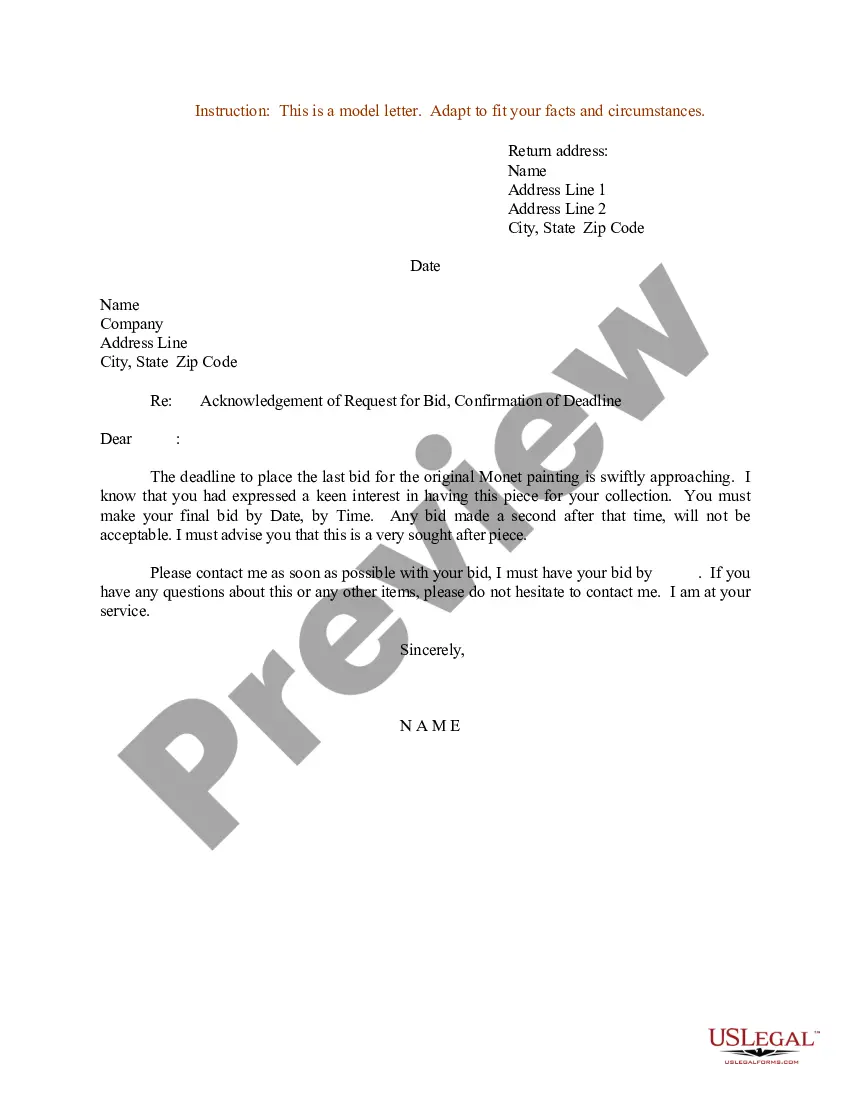
Request For Bid Email In Oakland
Description


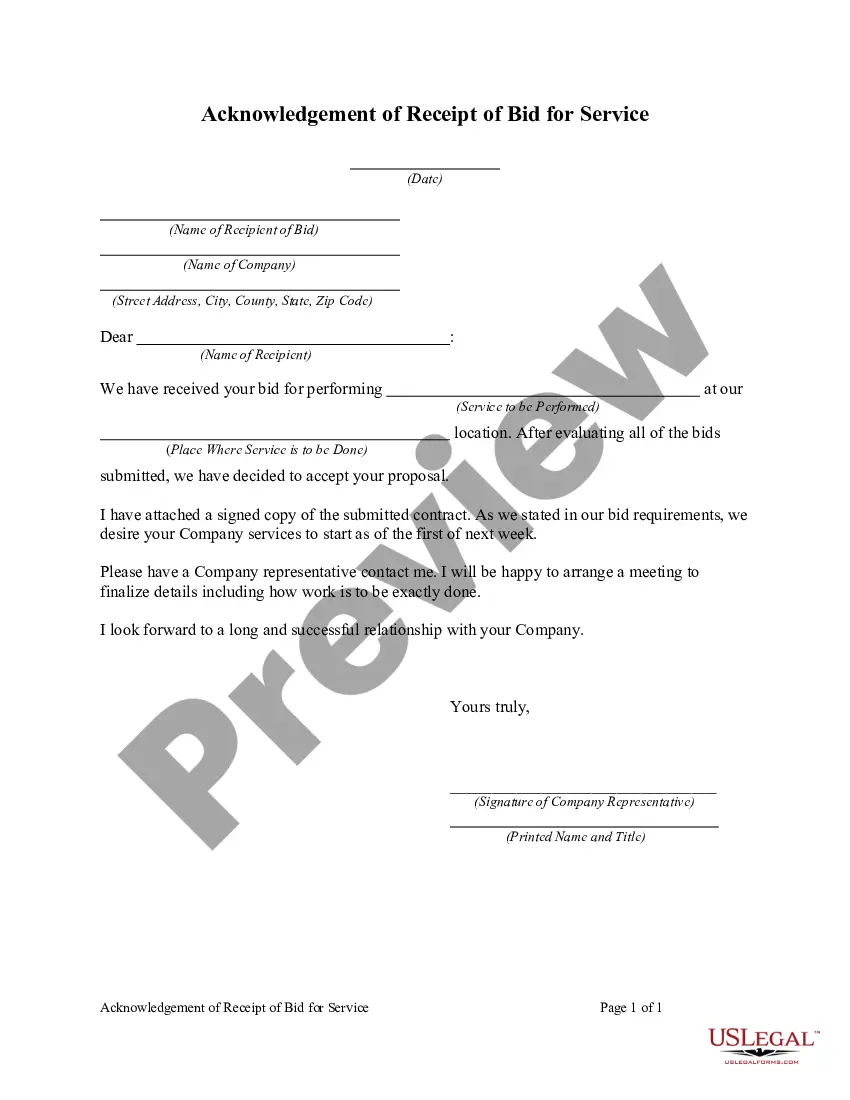
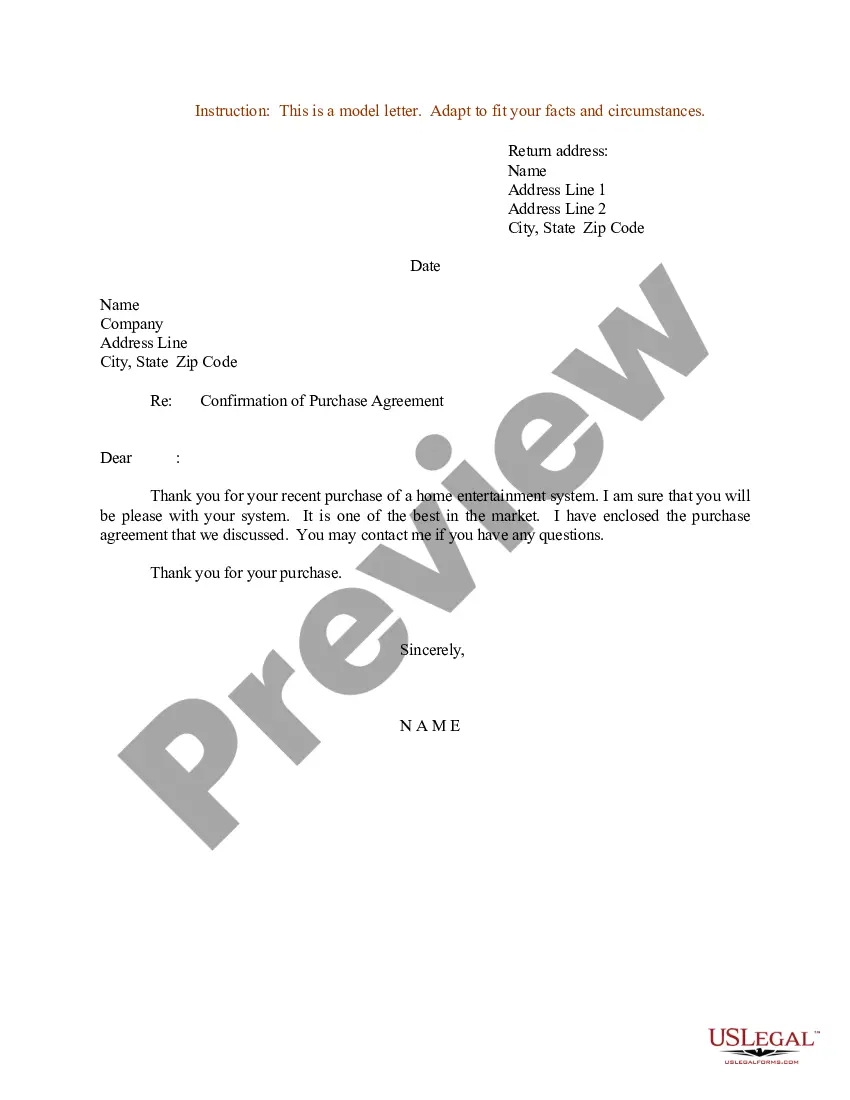
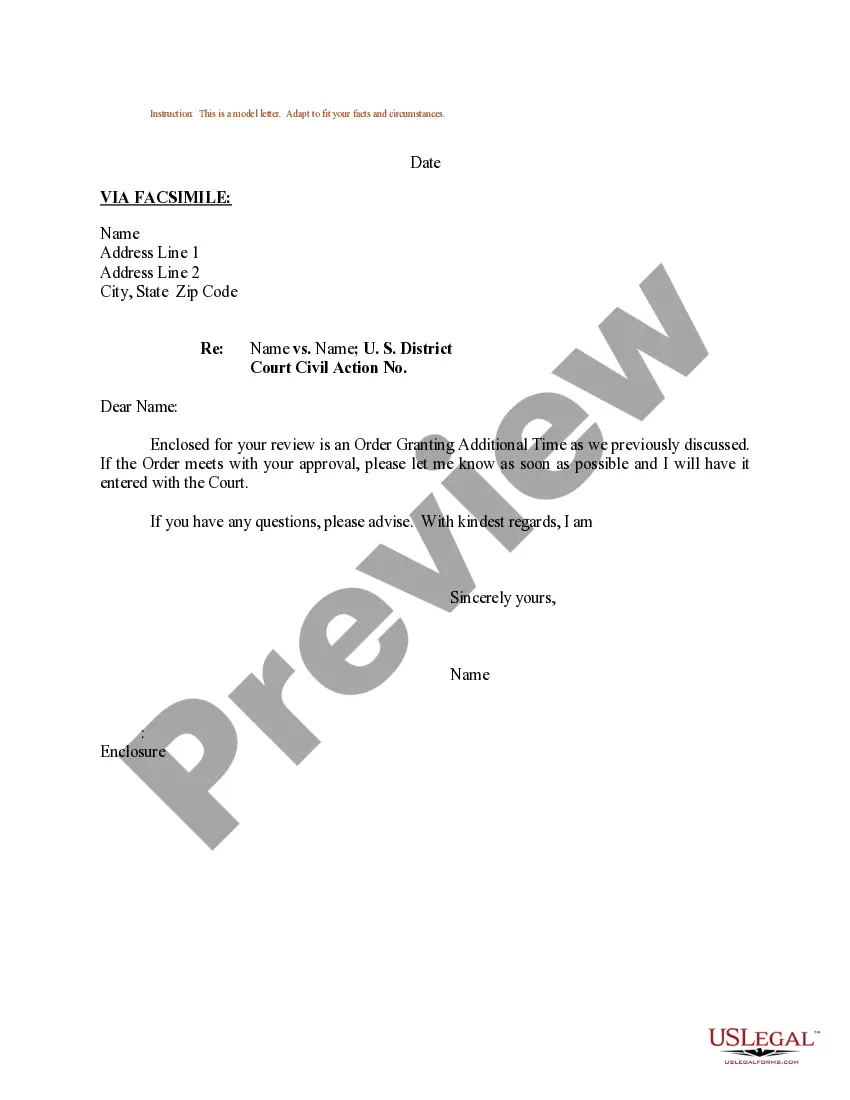
Get your form ready online
Our built-in tools help you complete, sign, share, and store your documents in one place.
Make edits, fill in missing information, and update formatting in US Legal Forms—just like you would in MS Word.
Download a copy, print it, send it by email, or mail it via USPS—whatever works best for your next step.
Sign and collect signatures with our SignNow integration. Send to multiple recipients, set reminders, and more. Go Premium to unlock E-Sign.
If this form requires notarization, complete it online through a secure video call—no need to meet a notary in person or wait for an appointment.
We protect your documents and personal data by following strict security and privacy standards.

Make edits, fill in missing information, and update formatting in US Legal Forms—just like you would in MS Word.

Download a copy, print it, send it by email, or mail it via USPS—whatever works best for your next step.

Sign and collect signatures with our SignNow integration. Send to multiple recipients, set reminders, and more. Go Premium to unlock E-Sign.

If this form requires notarization, complete it online through a secure video call—no need to meet a notary in person or wait for an appointment.

We protect your documents and personal data by following strict security and privacy standards.
Looking for another form?


Form popularity
FAQ
Steps In an RFP Process 1 Discovery. Before drafting the RFP, it is imperative to do some thorough internal planning with the stakeholders that can guide the RFP writer in understanding the project requirements and constraints. 2 Draft And Issue. 3 Review The Bids. 4 Select a Winner and Send the Contract.
8 Steps to the Construction Bidding Process Project owner issues request for general contractors to bid on the project. GC sends project out to subcontractors for bidding. Subcontractors work on bids and ask questions. Bid day. Contractor selection. Contract negotiations. Signed contract. Project buyout.
Your project plans should be as detailed as possible before asking for a quote. This means having clear ideas about the layout, materials, finishes, and specific elements you want in your remodel. The more details you can provide, the better a contractor can estimate the costs involved.
A request for bid (RFB), or an invitation to bid (ITB) for construction, is a document prepared by the project owner to solicit bids from qualified contractors. An RFB outlines detailed project specifications, including project scope, materials, measurements, plans, contract terms, and timeline.
How to write an RFP rejection letter Thank them for their proposal. Start the letter by addressing the vendor politely, either by name or greeting their business as a whole. Clearly reject their offer. Clearly reject their proposal in a concise way. Provide your reasoning. Close the letter professionally.
First, give them the news with an explanation of why such as there was a lower bidder, etc. Then if possible offer a debriefing for the reason they lost it if it was more than a lower bid. Contractors need to understand why they loose bids because it will help them to bid the next time.
Write a no-bid letter Be as brief as possible. Offer insight about your decision, but stay positive. Provide your contact information for future opportunities. If you have an existing relationship with the customer, follow up with a phone call as well.
Thank you for taking the time to put together a quote for Product/Service. I appreciate the effort you and the team put into preparing this proposal. However, give a clear reason, we have decided to decline the offer. I regret that we're unable to go forward with the proposal at this time.
Here's our example of how to respectfully decline a bid. Hi (First name), It's (Your name) from (Company name) here, contacting you about the bid you recently submitted. We were very impressed with the quality of the submission and your comprehensive response but have selected another supplier on this occasion.