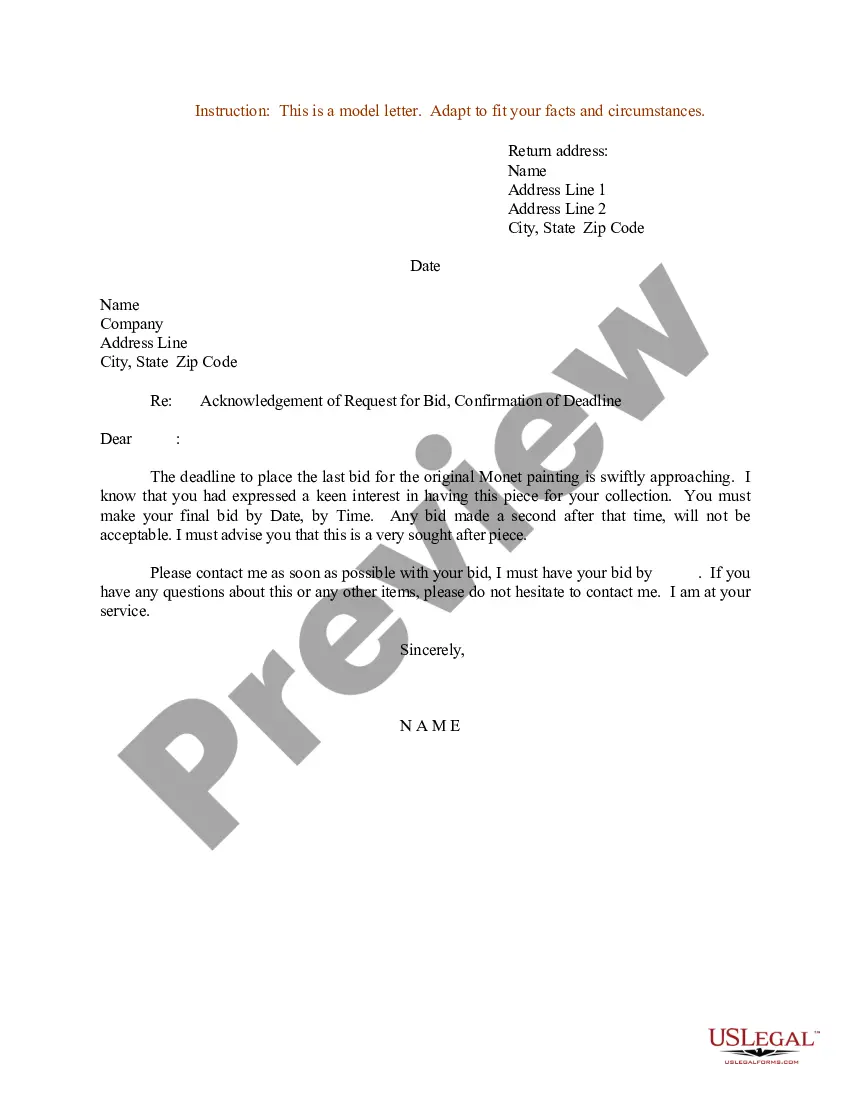
Request For Bid Extension In Nevada
Description


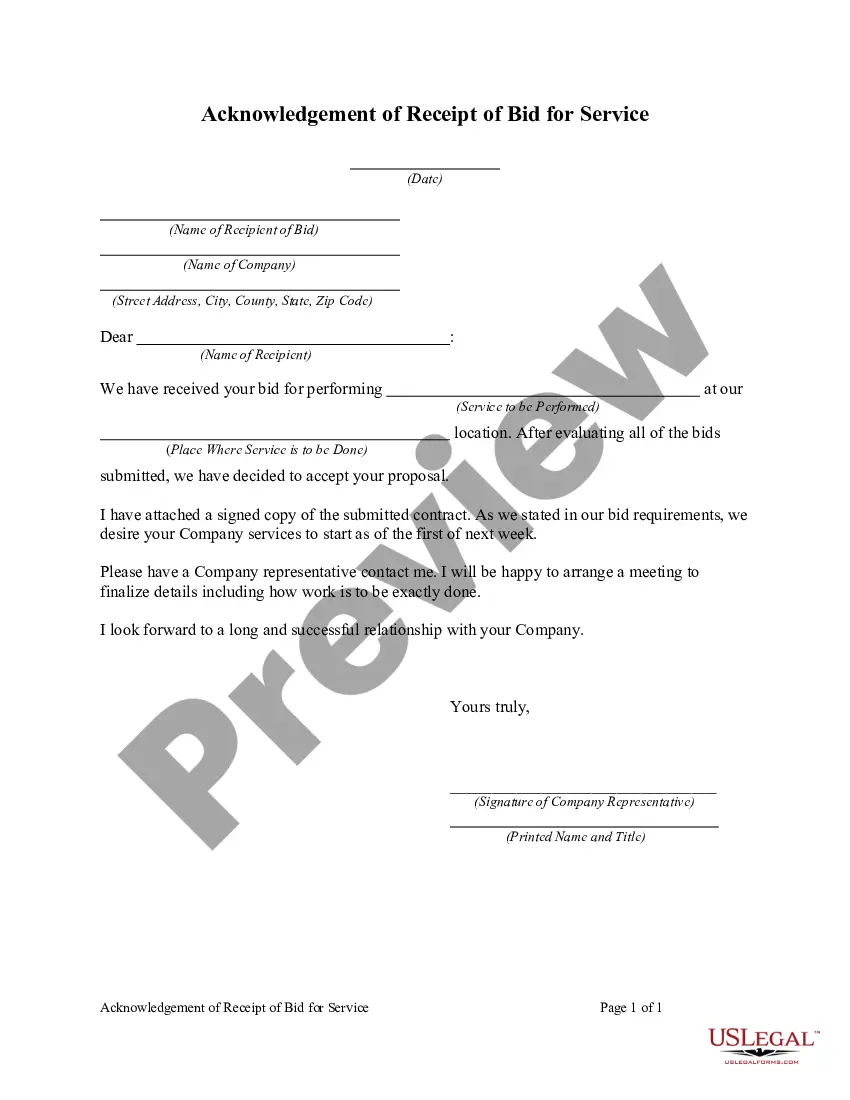
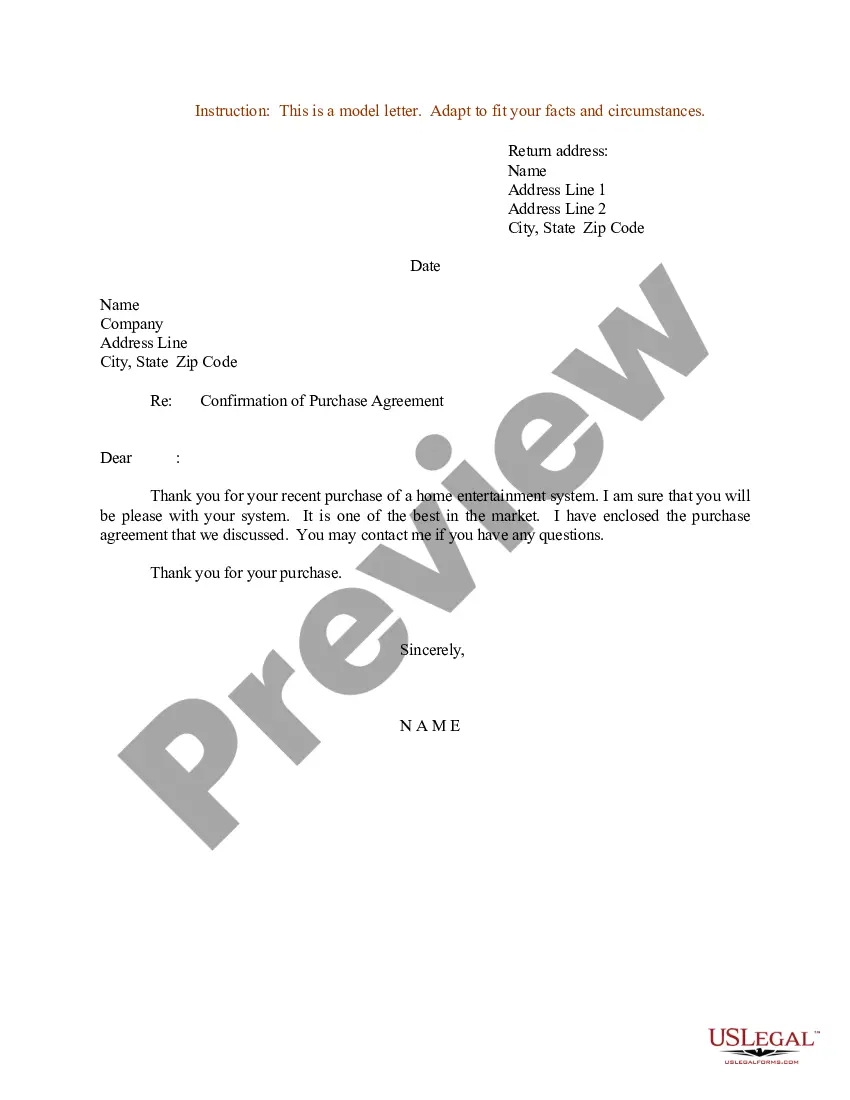
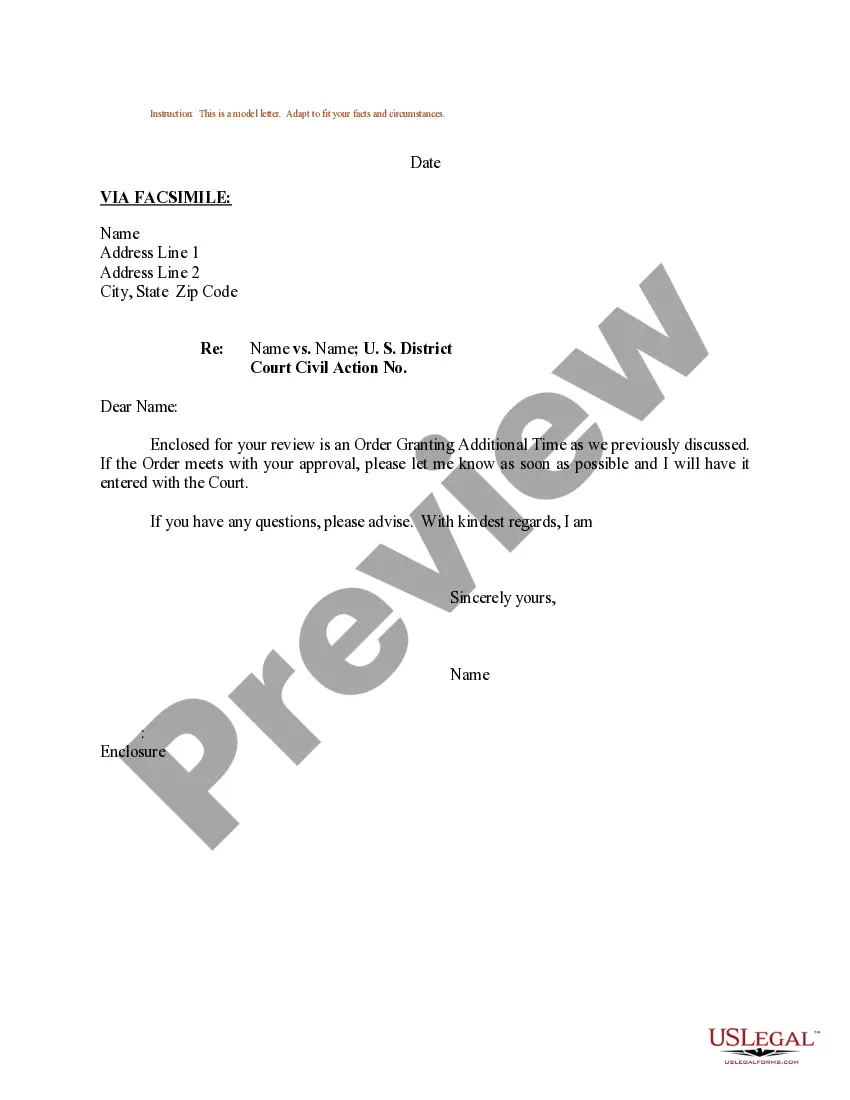
Get your form ready online
Our built-in tools help you complete, sign, share, and store your documents in one place.
Make edits, fill in missing information, and update formatting in US Legal Forms—just like you would in MS Word.
Download a copy, print it, send it by email, or mail it via USPS—whatever works best for your next step.
Sign and collect signatures with our SignNow integration. Send to multiple recipients, set reminders, and more. Go Premium to unlock E-Sign.
If this form requires notarization, complete it online through a secure video call—no need to meet a notary in person or wait for an appointment.
We protect your documents and personal data by following strict security and privacy standards.

Make edits, fill in missing information, and update formatting in US Legal Forms—just like you would in MS Word.

Download a copy, print it, send it by email, or mail it via USPS—whatever works best for your next step.

Sign and collect signatures with our SignNow integration. Send to multiple recipients, set reminders, and more. Go Premium to unlock E-Sign.

If this form requires notarization, complete it online through a secure video call—no need to meet a notary in person or wait for an appointment.

We protect your documents and personal data by following strict security and privacy standards.
Looking for another form?
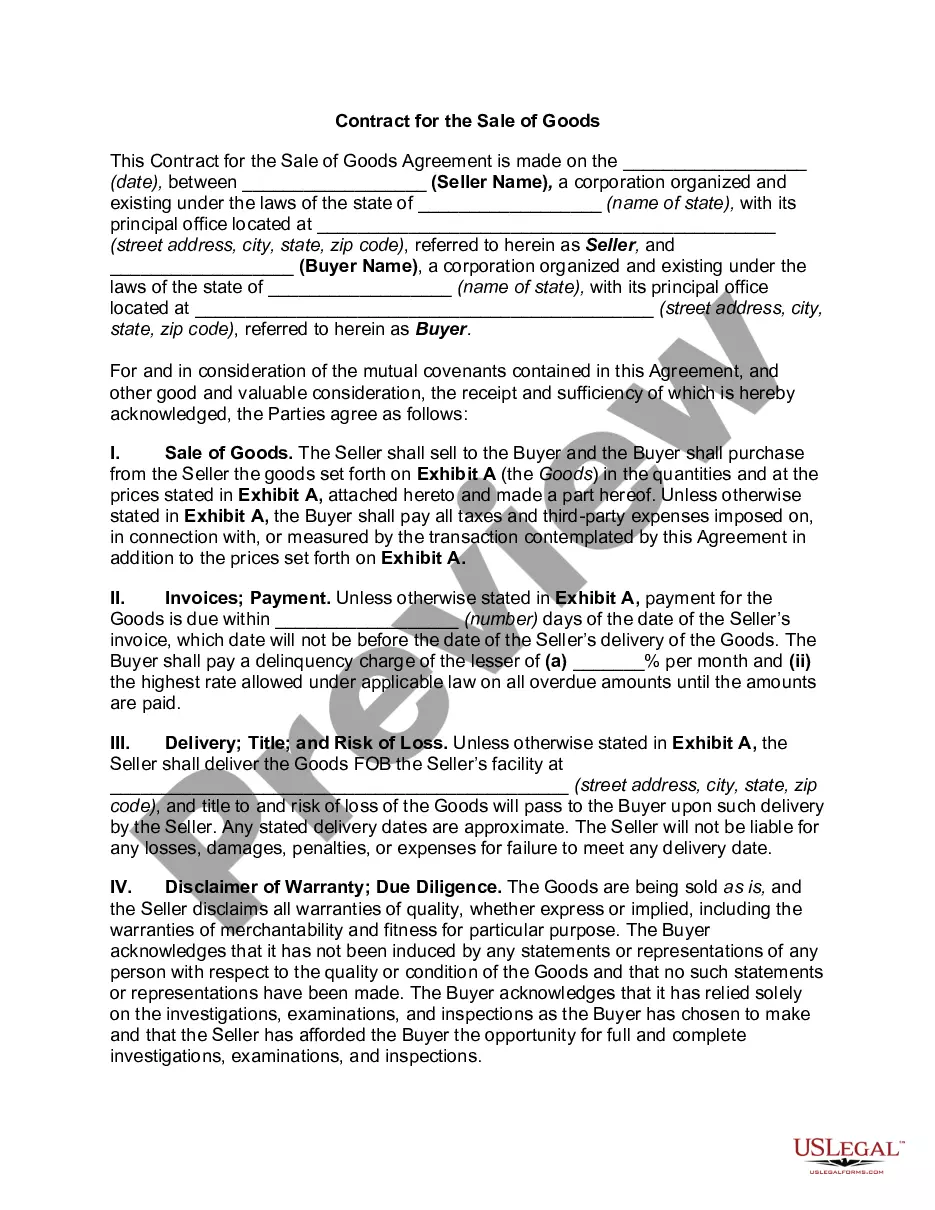







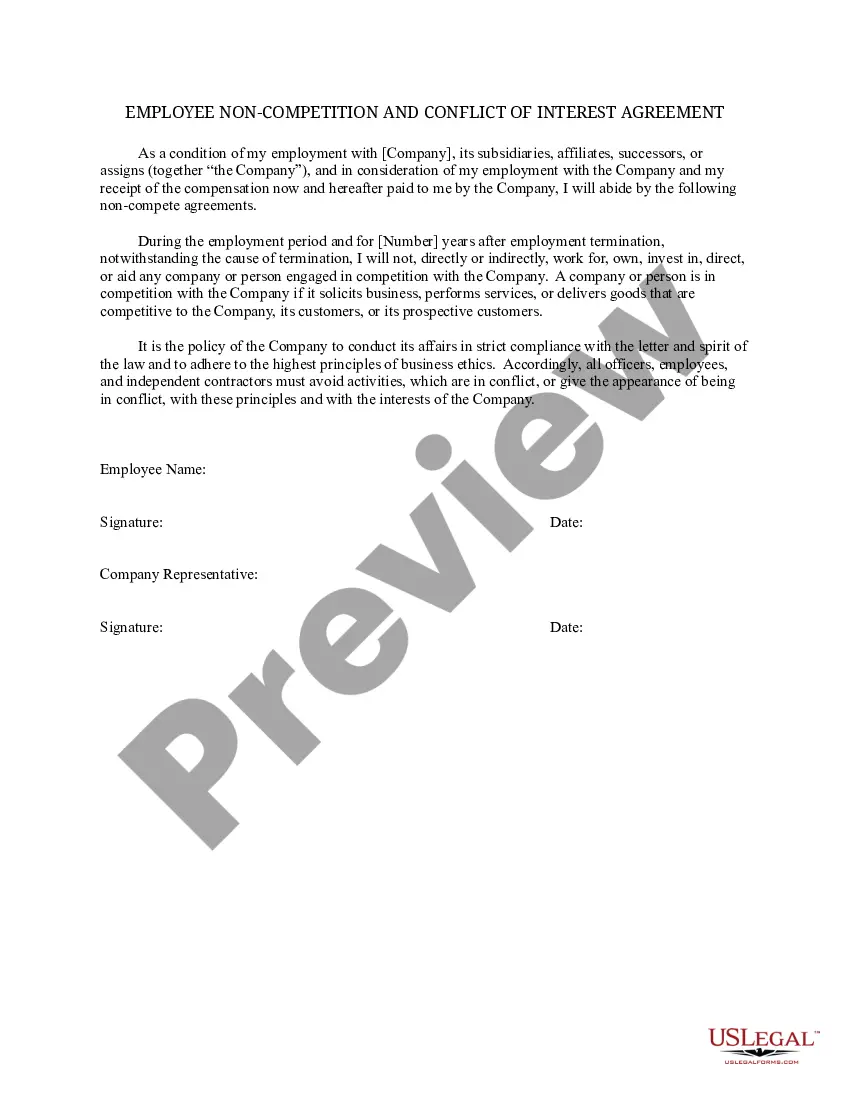
Form popularity
FAQ
Bid submission In the bid submission phase, interested contractors submit documentation about the project timeline and costs, as well as information about their business.
Bid documents include the plans, specifications and estimates (PS&E) developed to describe all of the elements of a construction project and become the contract between the local government and the selected contractor.
Bidnet direct offers your company a centralized location to gain instant access to bid opportunities from state departments, local municipalities, and the federal government. Working with government buyers, we give you access to the most relevant bid opportunities so you can focus on winning more government business.
A bid submission is a response by a bidder to an invitation to bid (ITB) or request for proposal (RFP) made by a client. A client first creates a bid package highlighting the project's scope, qualifications, and deadlines to solicit bids from qualified bidders.
Each time a new bid is placed during the extended bidding period additional time will be added to the auction ending time. Once the extended bidding period has passed without another bid being placed, the extension and bidding will end and the auction winner will be alerted.
Bid Offer Validity is the period during which the Seller Offer is valid from the Bid End Date. The buyer needs to award the order within the Bid Offer Validity Period. If he is unable to do so, he must request an extension of bid validity from the seller.
Ing to the Instructions to Bidders, the term "Bid Deadline" means the date and time designated in the Advertisement for Bids as the last date and time for receipt of bids, as may be revised by addenda.
BID EXTENSION. The phrase Bid Extension (aka Anti-Sniping or Soft Close) is meant to describe the measures used to address bidding practices where a bidder tries to win an item at the last second by placing a bid as late as possible before the online bidding ends.
The bid should be valid for a period of 90 days from the date of the opening of technical bids. (i) Bidders are allowed to modify or withdraw their online bids any time before the last date and time specified for closing of the receiving period.