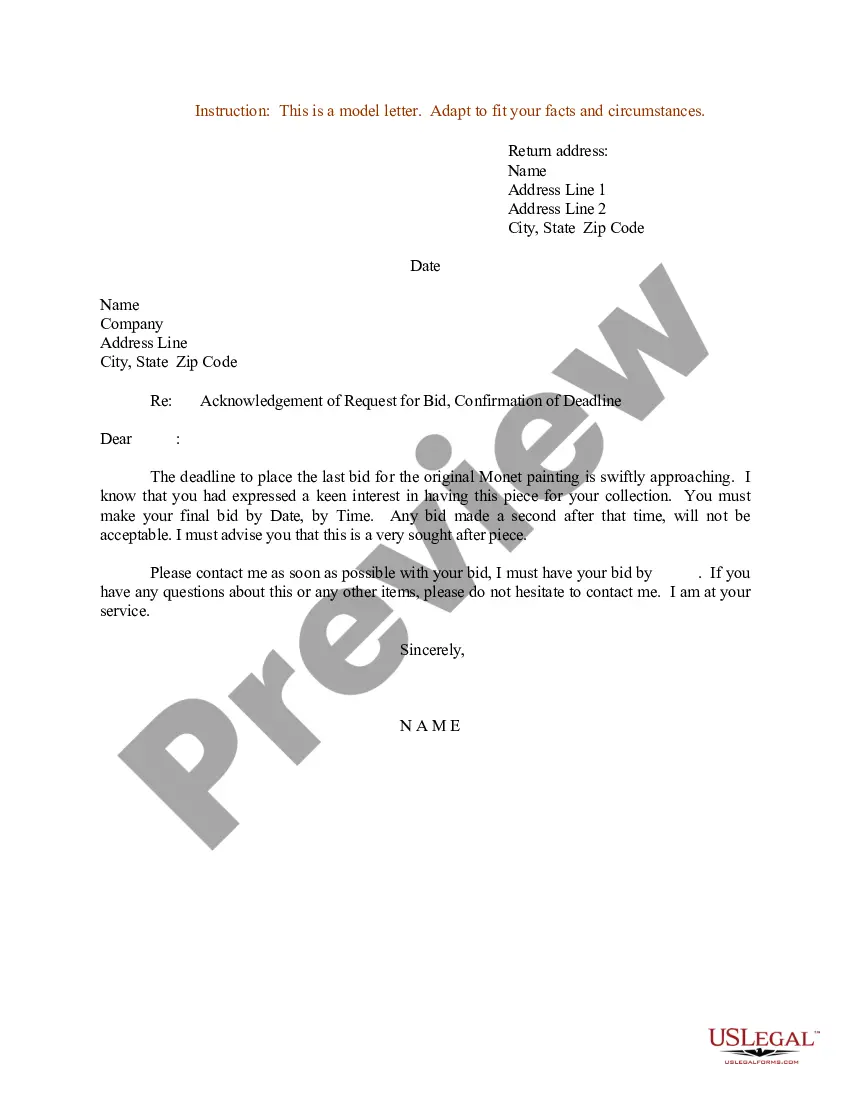
Request For Bid Example In Nassau
Description


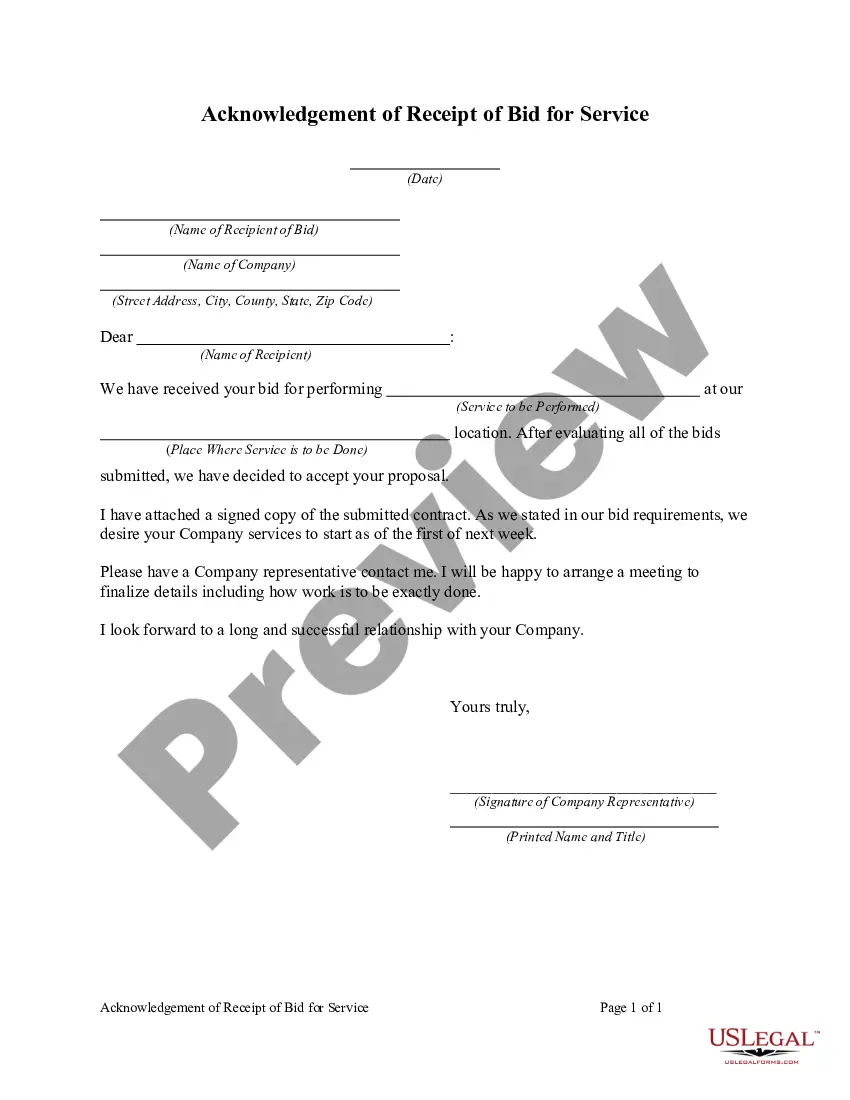
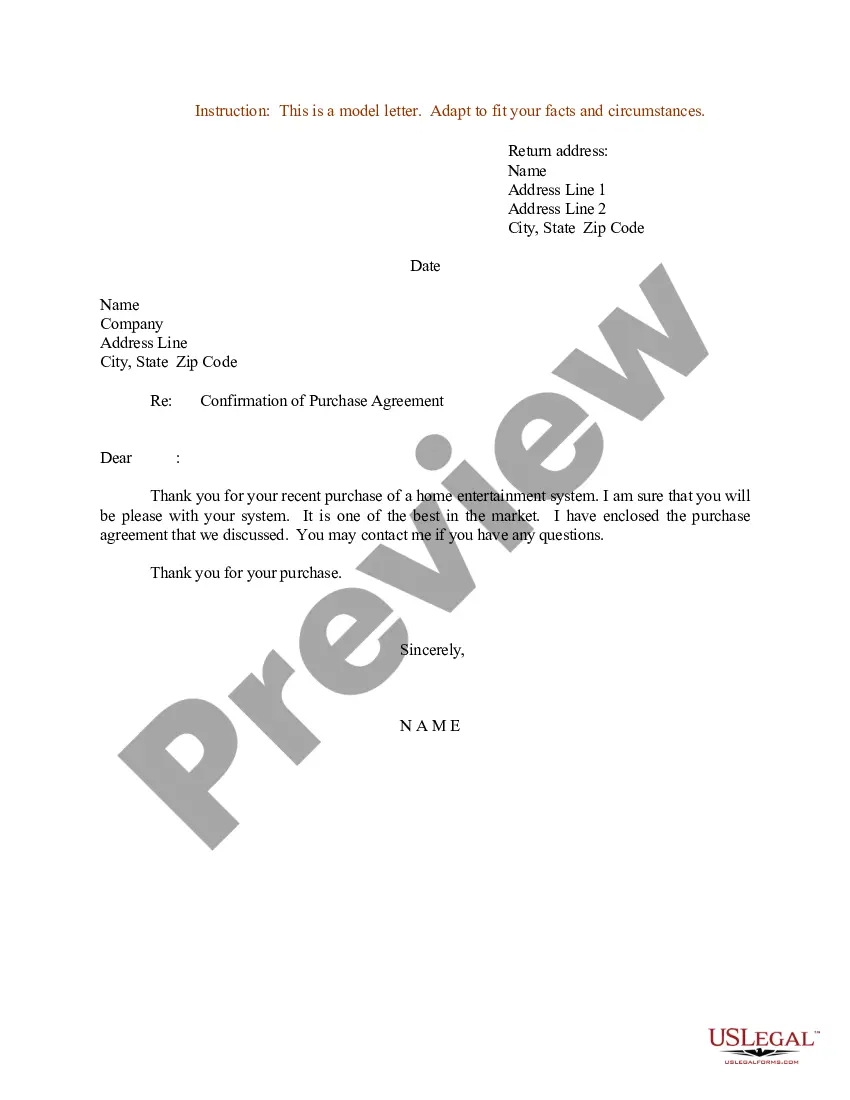
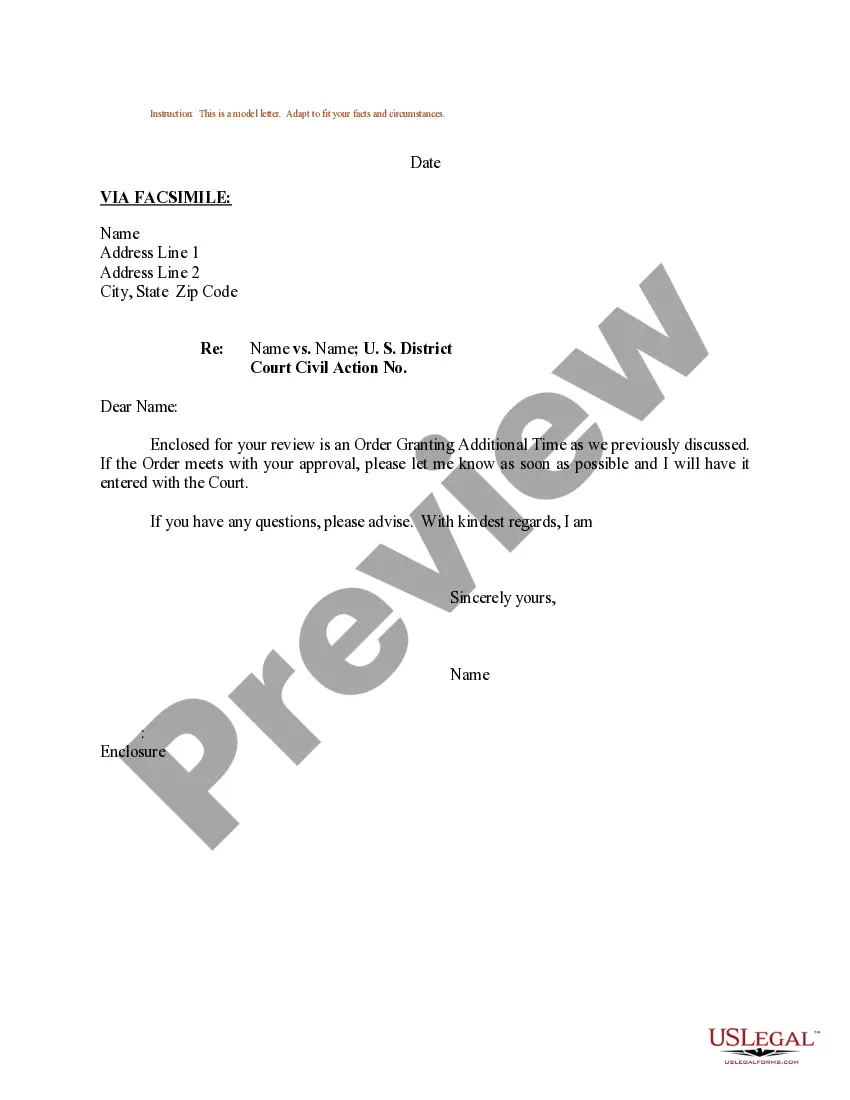
Get your form ready online
Our built-in tools help you complete, sign, share, and store your documents in one place.
Make edits, fill in missing information, and update formatting in US Legal Forms—just like you would in MS Word.
Download a copy, print it, send it by email, or mail it via USPS—whatever works best for your next step.
Sign and collect signatures with our SignNow integration. Send to multiple recipients, set reminders, and more. Go Premium to unlock E-Sign.
If this form requires notarization, complete it online through a secure video call—no need to meet a notary in person or wait for an appointment.
We protect your documents and personal data by following strict security and privacy standards.

Make edits, fill in missing information, and update formatting in US Legal Forms—just like you would in MS Word.

Download a copy, print it, send it by email, or mail it via USPS—whatever works best for your next step.

Sign and collect signatures with our SignNow integration. Send to multiple recipients, set reminders, and more. Go Premium to unlock E-Sign.

If this form requires notarization, complete it online through a secure video call—no need to meet a notary in person or wait for an appointment.

We protect your documents and personal data by following strict security and privacy standards.
Looking for another form?
Form popularity
FAQ
Bid writing example response (for the tender question above): With number years' experience working with you, we have the capacity and capability to provide efficient, best value services. 100% of our Operatives on this contract are based within time minutes' drive from your sites.
Steps In an RFP Process 1 Discovery. Before drafting the RFP, it is imperative to do some thorough internal planning with the stakeholders that can guide the RFP writer in understanding the project requirements and constraints. 2 Draft And Issue. 3 Review The Bids. 4 Select a Winner and Send the Contract.
The life cycle of an RFP—a journey, not a sprint The first phase involves comprehensive research and planning. This stage is crucial for defining your project's needs and determining what you hope to achieve with the RFP. A well-planned RFP results in better proposals and, ultimately, a more successful project.
What are the essential steps in the RFP process? Identify stakeholders. Collect RFP requirements. Create RFP. Evaluate RFP responses. Select winning vendor. Create vendor contract.
Sample RFPs A Request for Proposal (RFP) is a formal bidding document that describes a project and desired services in detail to ensure an effective competitive bidding process. If you use an RFP, you must submit it with your FCC Form 461 or Form 465 (Request for Services Form).
A request for proposal (RFP) checklist catalogs the steps, information and documents required to create and complete an RFP.
What should be included in an RFP? Project needs, goals, and scope. Project timeline, including whether the deadline is flexible or not. Potential concerns or roadblocks for the project, including any specific challenges for the contractors to solve. Estimated budget range for the project.
What are the 7 Steps in the RFP Process? Discovery: Defining the Business Case. Requirements Gathering: Understanding Business Needs. Create and Issue RFP. Vendor Comparison. Shortlisting Best-fit Solution Vendors. Demos and Decision-making. Selecting the Right Software Vendor.
The name and address of the bidder must be shown in the upper left corner of the bid envelope, and the invitation number, the daqte and hour of bid opening and the phrase “Bid for Real Property” must be shown in the lower left corner of the envelope.
Begin the letter by clearly stating your intention to bid and basic company information. Include contact information for the person who will manage the proposal process. This is the person the buyer should contact if they have questions, need more information or want to begin negotiations.