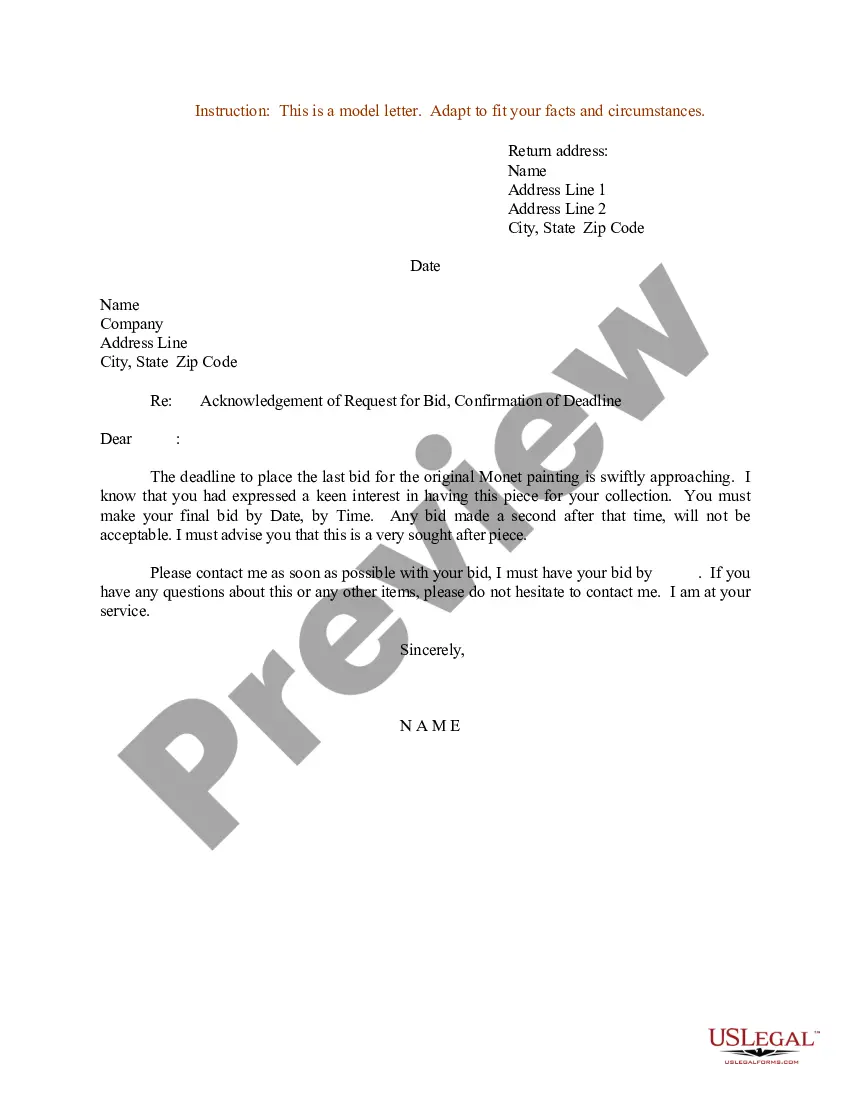
Request For Bid Example In Montgomery
Description


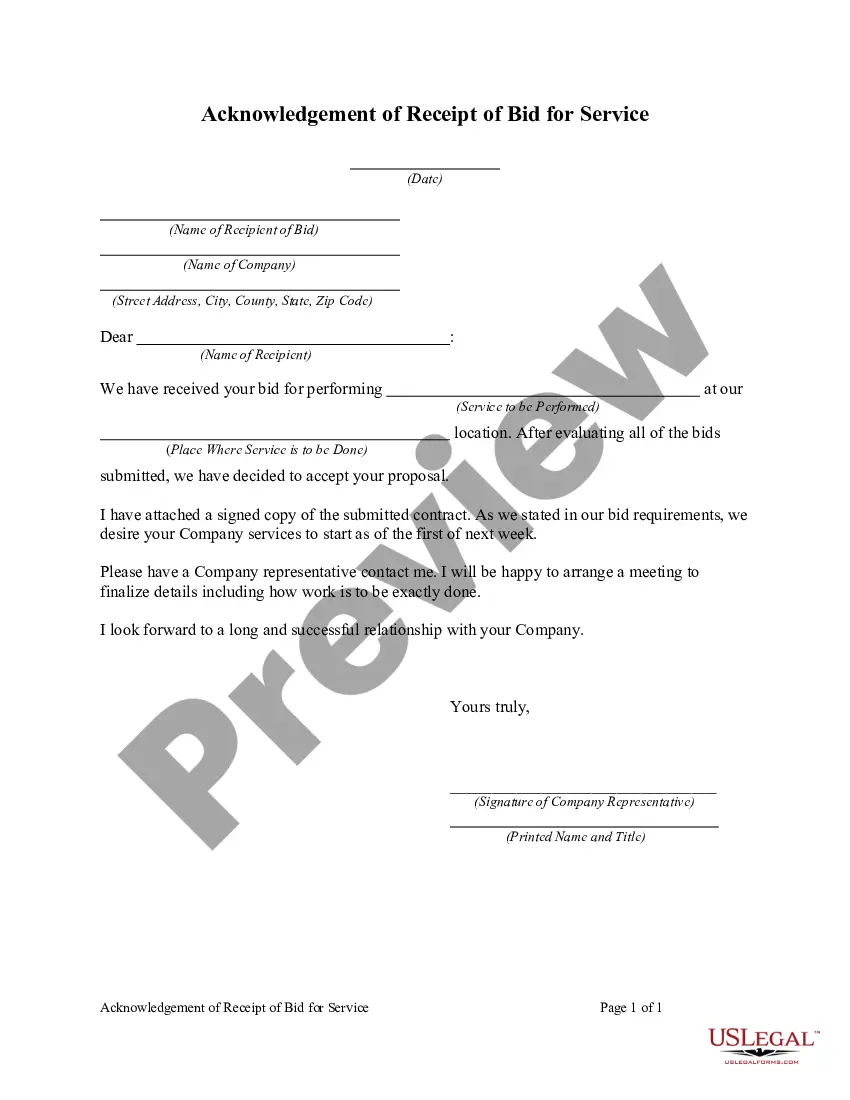
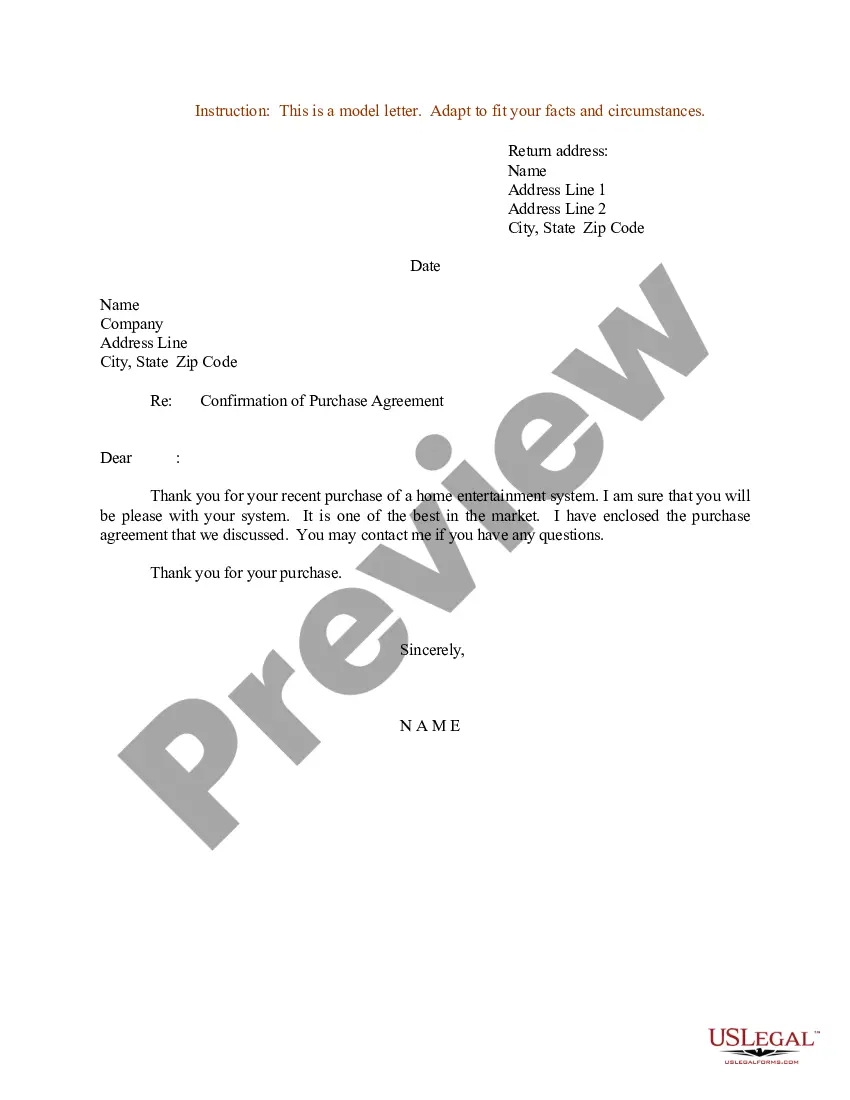
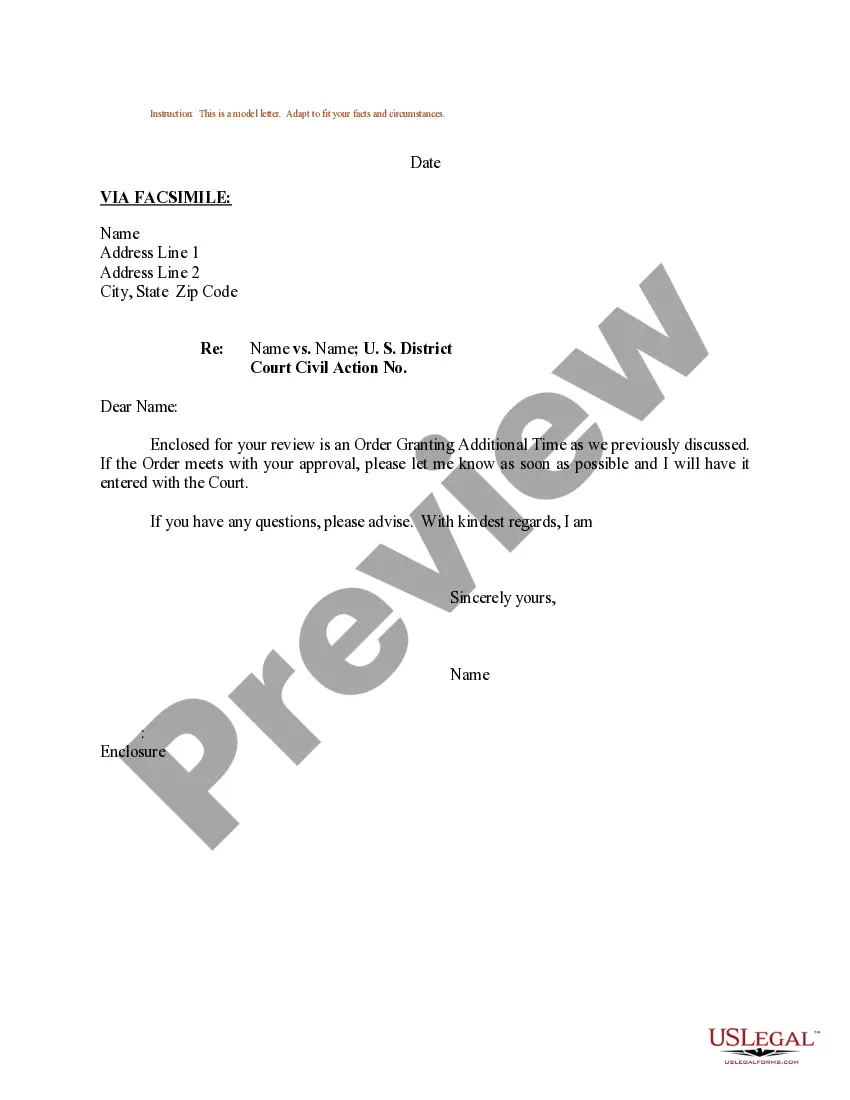
Get your form ready online
Our built-in tools help you complete, sign, share, and store your documents in one place.
Make edits, fill in missing information, and update formatting in US Legal Forms—just like you would in MS Word.
Download a copy, print it, send it by email, or mail it via USPS—whatever works best for your next step.
Sign and collect signatures with our SignNow integration. Send to multiple recipients, set reminders, and more. Go Premium to unlock E-Sign.
If this form requires notarization, complete it online through a secure video call—no need to meet a notary in person or wait for an appointment.
We protect your documents and personal data by following strict security and privacy standards.

Make edits, fill in missing information, and update formatting in US Legal Forms—just like you would in MS Word.

Download a copy, print it, send it by email, or mail it via USPS—whatever works best for your next step.

Sign and collect signatures with our SignNow integration. Send to multiple recipients, set reminders, and more. Go Premium to unlock E-Sign.

If this form requires notarization, complete it online through a secure video call—no need to meet a notary in person or wait for an appointment.

We protect your documents and personal data by following strict security and privacy standards.
Looking for another form?








Form popularity
FAQ
How to write an RFP in 7 steps. Introduce the company and project. Outline project background. Provide bid deadline and proposal timeline. Specify budget. Outline project scope. Express concerns or roadblocks. Explain evaluation criteria.
Sites such as GovernmentContracts, BidSync, BidNet Direct and The RFP Database collect RFP and bid postings from various sources (just like our newly developed bid-finding tool, Bid Banana!). All of these sites list RFPs for public searching.
LOI best practices Begin the letter by clearly stating your intention to bid and basic company information. Include contact information for the person who will manage the proposal process. This is the person the buyer should contact if they have questions, need more information or want to begin negotiations.
Steps In an RFP Process 1 Discovery. Before drafting the RFP, it is imperative to do some thorough internal planning with the stakeholders that can guide the RFP writer in understanding the project requirements and constraints. 2 Draft And Issue. 3 Review The Bids. 4 Select a Winner and Send the Contract.
Your letter of intent to bid should include: The name of your company. Name of the proposal contact. The name or reference number of the RFP you're responding to. A clear statement of your intention to submit a proposal. Your sign off and signature.
How to write an RFP that will get a response Define your project and needs. Write an introduction. Explain your company's and project's history. Describe your project's requirements. Explain how vendors should respond. Outline your selection criteria. Note your timelines. Proofread and revise your RFP.
Steps In an RFP Process 1 Discovery. Before drafting the RFP, it is imperative to do some thorough internal planning with the stakeholders that can guide the RFP writer in understanding the project requirements and constraints. 2 Draft And Issue. 3 Review The Bids. 4 Select a Winner and Send the Contract.
The RFP process allows more flexibility than the sealed bid process in the evaluation process. The evaluation committee first evaluates proposals for compliance to the specifications and requirements in the RFP and creates a list of those firms whose proposals meet mandatory requirements.
What are the essential steps in the RFP process? Identify stakeholders. Collect RFP requirements. Create RFP. Evaluate RFP responses. Select winning vendor. Create vendor contract.