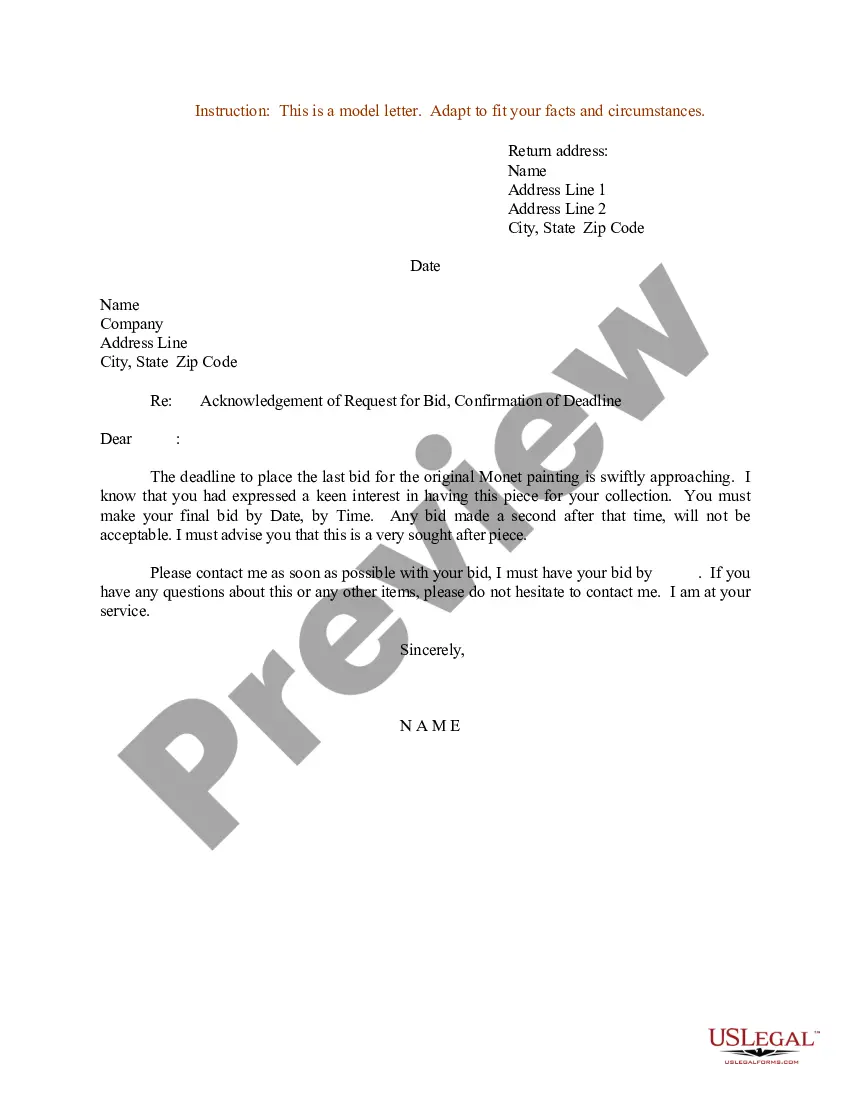
Sample Of Acknowledgment Letter In Michigan
Description


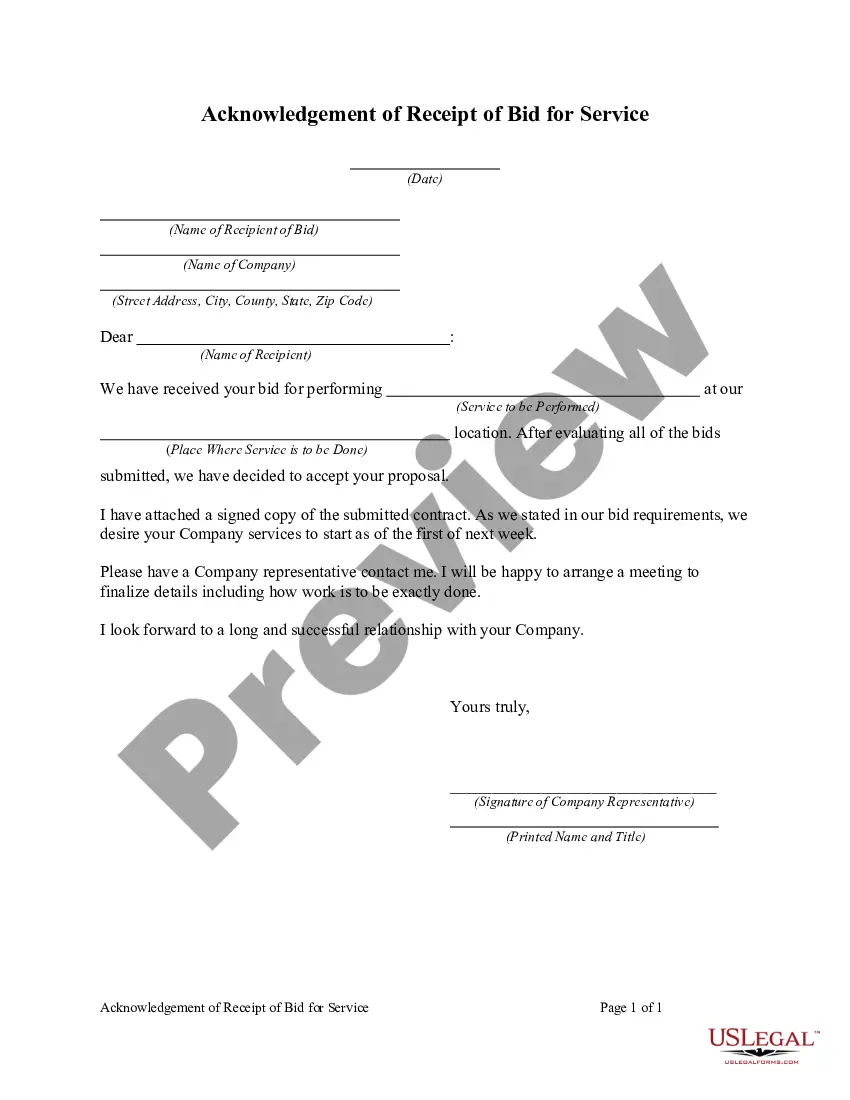
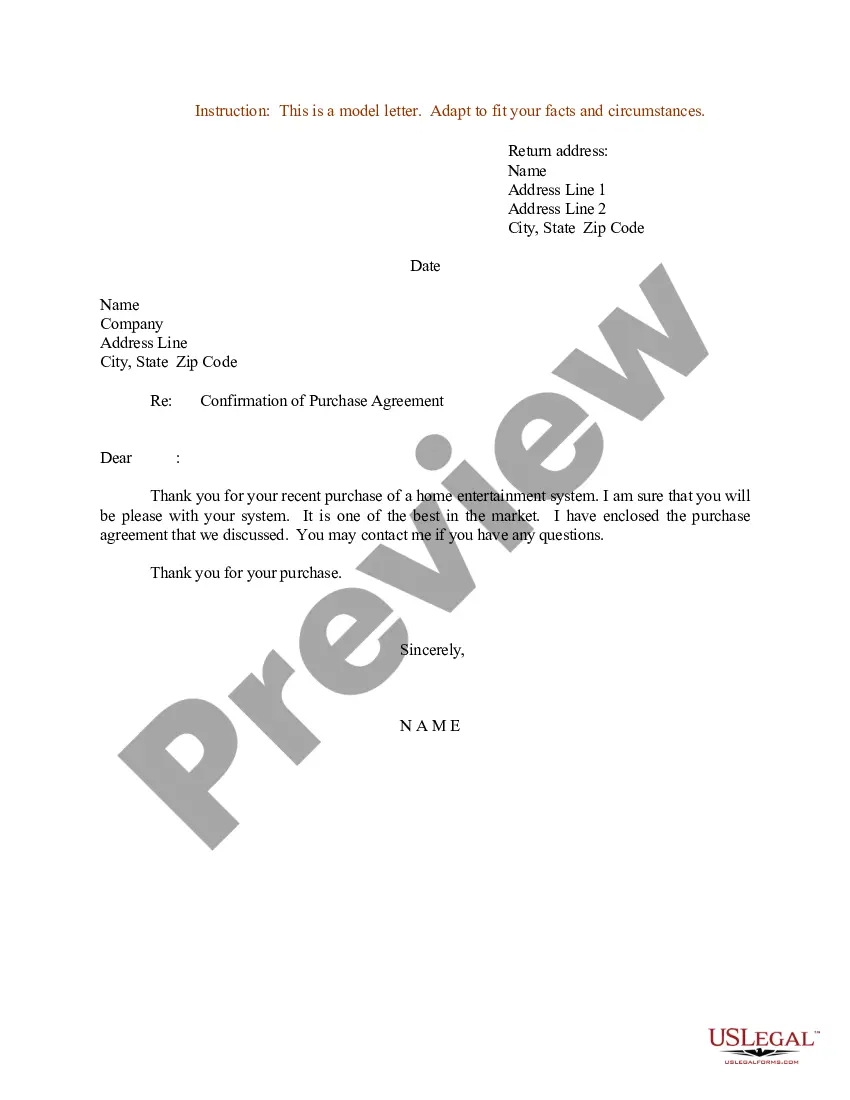
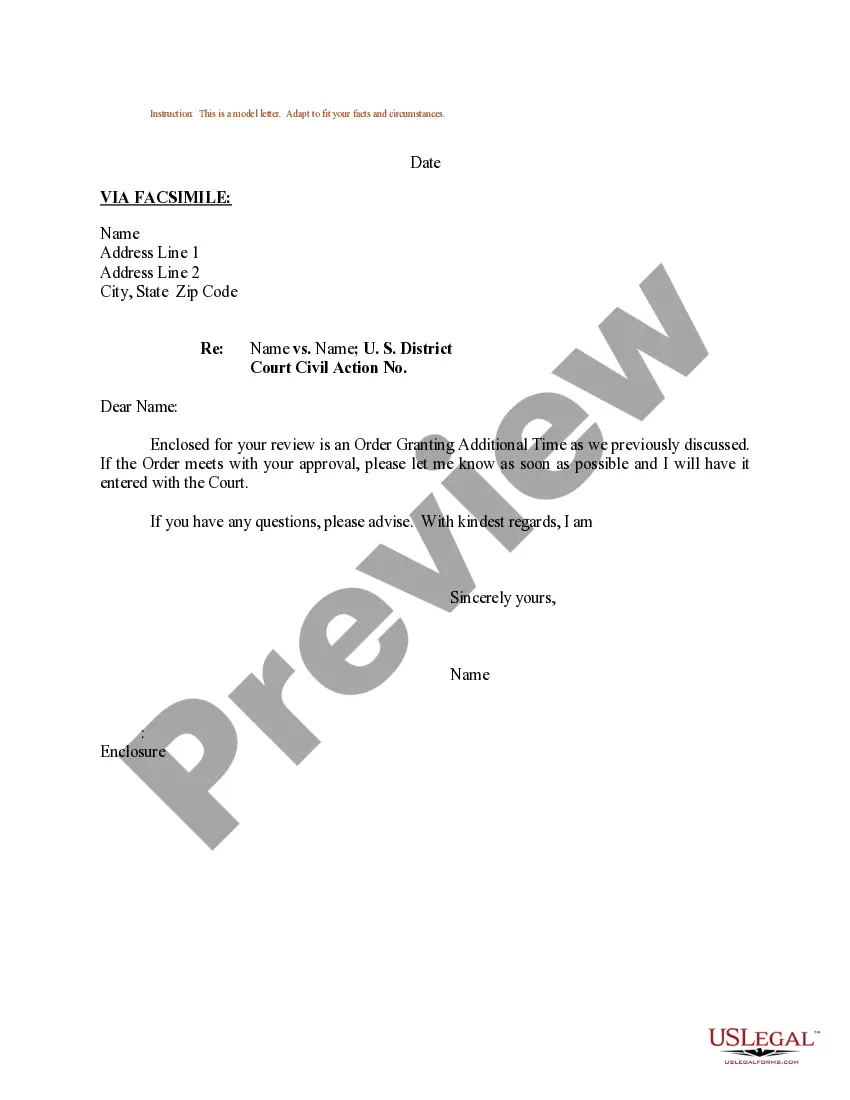
Get your form ready online
Our built-in tools help you complete, sign, share, and store your documents in one place.
Make edits, fill in missing information, and update formatting in US Legal Forms—just like you would in MS Word.
Download a copy, print it, send it by email, or mail it via USPS—whatever works best for your next step.
Sign and collect signatures with our SignNow integration. Send to multiple recipients, set reminders, and more. Go Premium to unlock E-Sign.
If this form requires notarization, complete it online through a secure video call—no need to meet a notary in person or wait for an appointment.
We protect your documents and personal data by following strict security and privacy standards.

Make edits, fill in missing information, and update formatting in US Legal Forms—just like you would in MS Word.

Download a copy, print it, send it by email, or mail it via USPS—whatever works best for your next step.

Sign and collect signatures with our SignNow integration. Send to multiple recipients, set reminders, and more. Go Premium to unlock E-Sign.

If this form requires notarization, complete it online through a secure video call—no need to meet a notary in person or wait for an appointment.

We protect your documents and personal data by following strict security and privacy standards.
Looking for another form?




Form popularity
FAQ
The document must be completely filled out – no blank spaces. The document must be in English, so our Clerks are easily able to read it. The signer(s) must be competent and fully understand the document being notarized. The signer(s) must be willing to sign without being coerced.
(1) A notary public shall place his or her signature on every record upon which he or she performs a notarial act. The notary public shall sign his or her name exactly as his or her name appears on his or her application for commission as a notary public.
A notary public may not notarize a document for a signer who cannot directly acknowledge his signature or swear to the truthfulness of the statements in the notarial ceremony. Without the notarial ceremony, the notarial act is not officially executed.
One of the most common mistakes that notaries make is not printing or signing their name exactly as it appears on their notary commission.
A Michigan notary acknowledgment is completed by a notary public to verify that someone's signature on a document is valid. The person who signed the document must prove their identity to the notary and declare that the signature is theirs and was given willingly.
Make certain that you keep your Driver's License, State ID, Passport and/or US Alien Registration card current at all times; do not allow them to expire. Additionally, when going to have a document notarized, make certain that you have within your possession that valid form of identification.
Obtain identification from the person wanting you to notarize his/her signature on a document (e.g., driver's license, state ID, passport, U.S. military ID, employer ID, resident alien ID or Green card). Have the person sign the document in your presence. If an oath is required, administer the oath.
No, they are not the same. Acknowledgement refers to the act of someone declaring a signature as their own in front of a notary. On the other hand, notarization encompasses a broader range of actions.
Since the signer is only acknowledging his or her signature, the signature could have been affixed some days, weeks, months, or even years earlier. As long as the signer is personally present before the notary and acknowledges the signature, then the notary can proceed with performing the notarial act.
Since the signer is only acknowledging his or her signature, the signature could have been affixed some days, weeks, months, or even years earlier. As long as the signer is personally present before the notary and acknowledges the signature, then the notary can proceed with performing the notarial act.