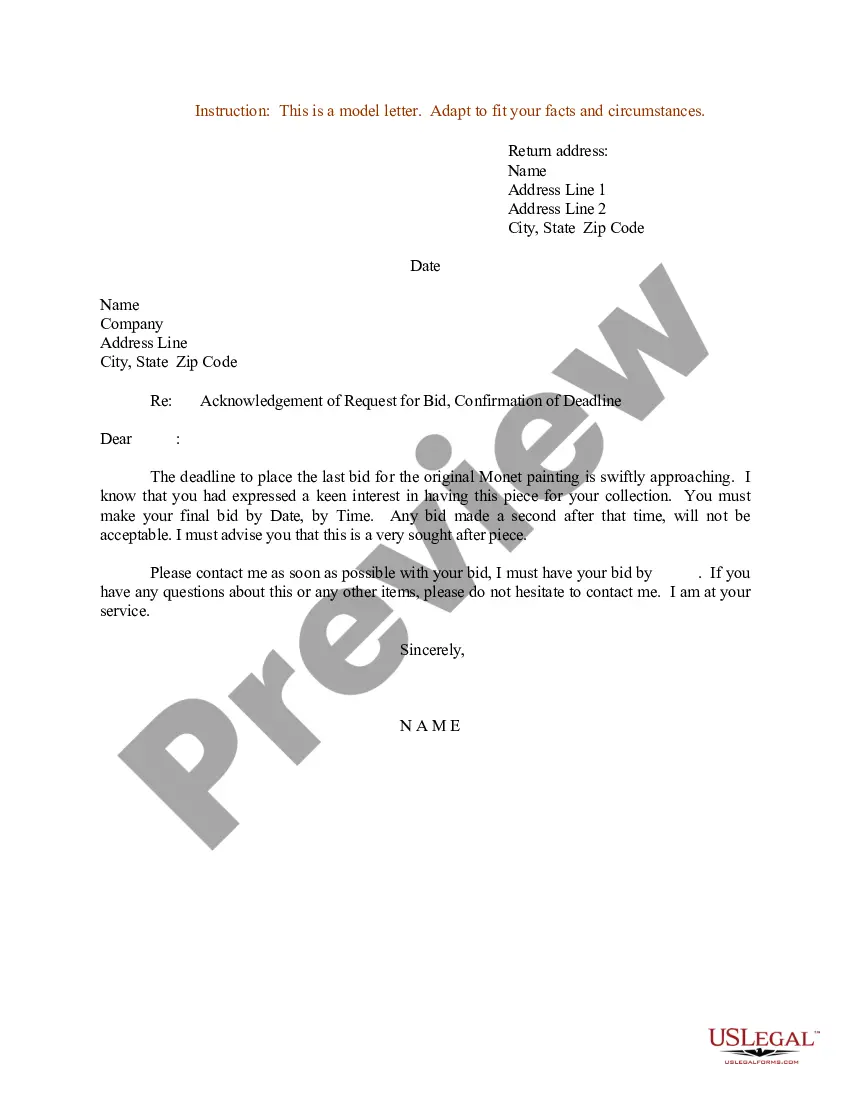
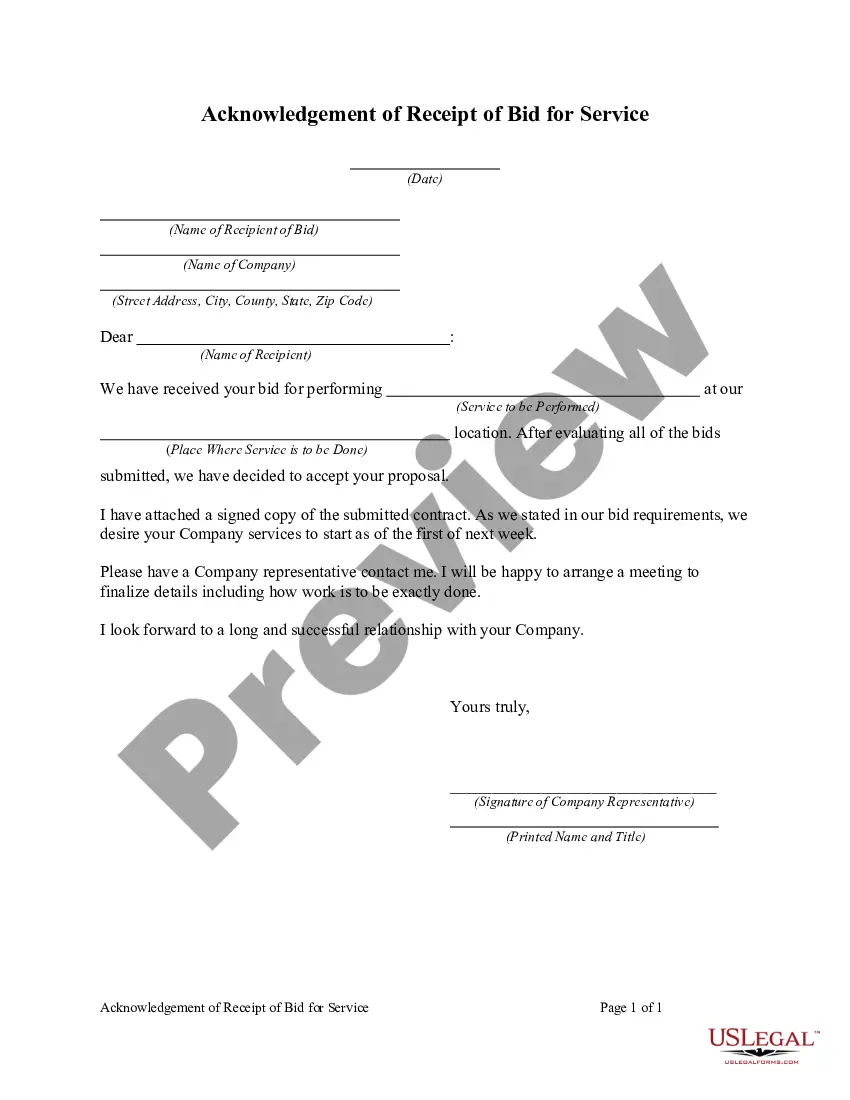
Request For Bid Extension In Hillsborough
Description


Get your form ready online
Our built-in tools help you complete, sign, share, and store your documents in one place.
Make edits, fill in missing information, and update formatting in US Legal Forms—just like you would in MS Word.
Download a copy, print it, send it by email, or mail it via USPS—whatever works best for your next step.
Sign and collect signatures with our SignNow integration. Send to multiple recipients, set reminders, and more. Go Premium to unlock E-Sign.
If this form requires notarization, complete it online through a secure video call—no need to meet a notary in person or wait for an appointment.
We protect your documents and personal data by following strict security and privacy standards.

Make edits, fill in missing information, and update formatting in US Legal Forms—just like you would in MS Word.

Download a copy, print it, send it by email, or mail it via USPS—whatever works best for your next step.

Sign and collect signatures with our SignNow integration. Send to multiple recipients, set reminders, and more. Go Premium to unlock E-Sign.

If this form requires notarization, complete it online through a secure video call—no need to meet a notary in person or wait for an appointment.

We protect your documents and personal data by following strict security and privacy standards.
Looking for another form?









Form popularity
FAQ
BID EXTENSION. The phrase Bid Extension (aka Anti-Sniping or Soft Close) is meant to describe the measures used to address bidding practices where a bidder tries to win an item at the last second by placing a bid as late as possible before the online bidding ends.
A bid request is a piece of code used to sell display ads and inventory details. It allows visitors to see ads most suited to them, and for multiple advertisers to utilize the same ad spot on a given publisher's platform.
Each time a new bid is placed during the extended bidding period additional time will be added to the auction ending time. Once the extended bidding period has passed without another bid being placed, the extension and bidding will end and the auction winner will be alerted.
Bid Offer Validity is the period during which the Seller Offer is valid from the Bid End Date. The buyer needs to award the order within the Bid Offer Validity Period. If he is unable to do so, he must request an extension of bid validity from the seller.
Step 1: Find a Project. Find a project you want to bid on. Step 2: Carefully Examine the Bid. Carefully examine and be familiar with the bidding and contract documents, and bidder qualifications. Step 3: Visit the Site. Step 4: Prepare Your Bid. Step 5: Submit Your Bid. Step 6: Award of Contract.
The bid should be valid for a period of 90 days from the date of the opening of technical bids. (i) Bidders are allowed to modify or withdraw their online bids any time before the last date and time specified for closing of the receiving period.
How to write an RFP in 7 steps. Introduce the company and project. Outline project background. Provide bid deadline and proposal timeline. Specify budget. Outline project scope. Express concerns or roadblocks. Explain evaluation criteria.
LOI best practices Begin the letter by clearly stating your intention to bid and basic company information. Include contact information for the person who will manage the proposal process. This is the person the buyer should contact if they have questions, need more information or want to begin negotiations.
5 Steps to Making Successful Bids Decide If You Want the Project. Just because you receive an RFP or a prospective customer asks you to bid on a job doesn't mean you have to. Set Up A Meeting With The Client. Calculate Costs and Check Profit Margins. Check All the Details. Send and Pitch Your Bid.