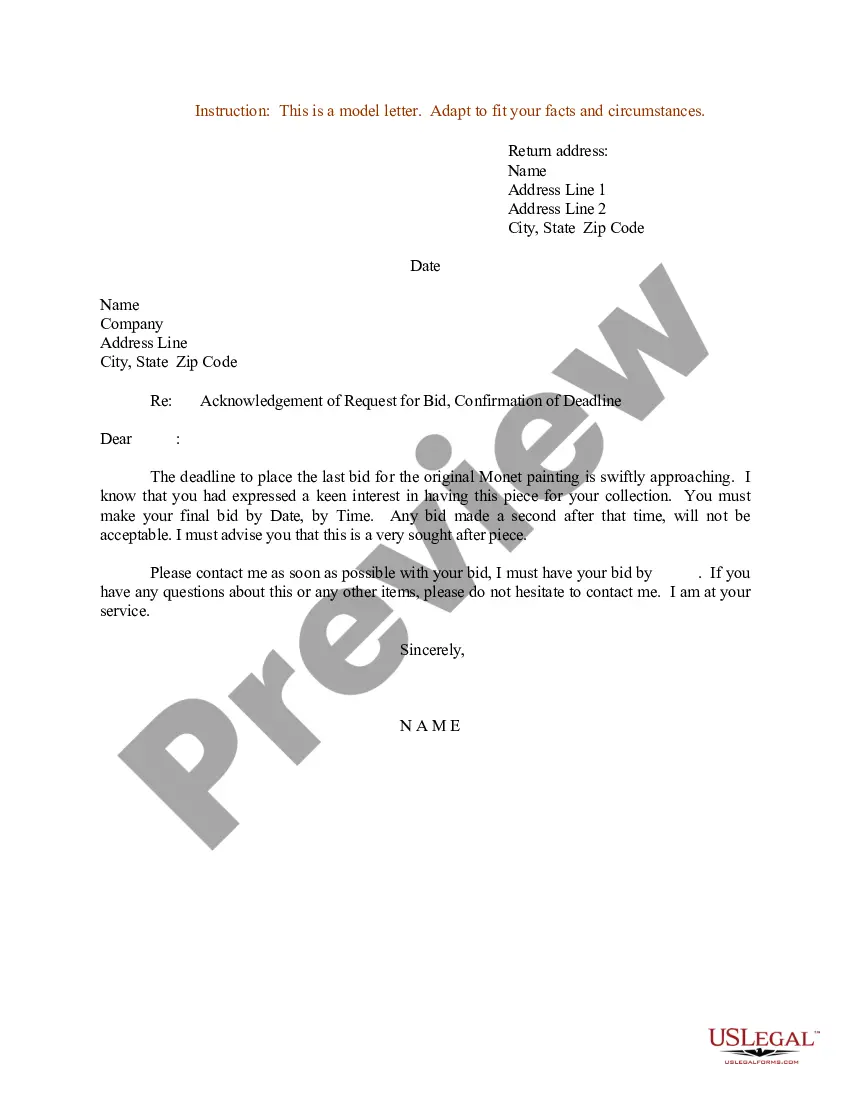
Request For Bid Sample In Fulton
Description


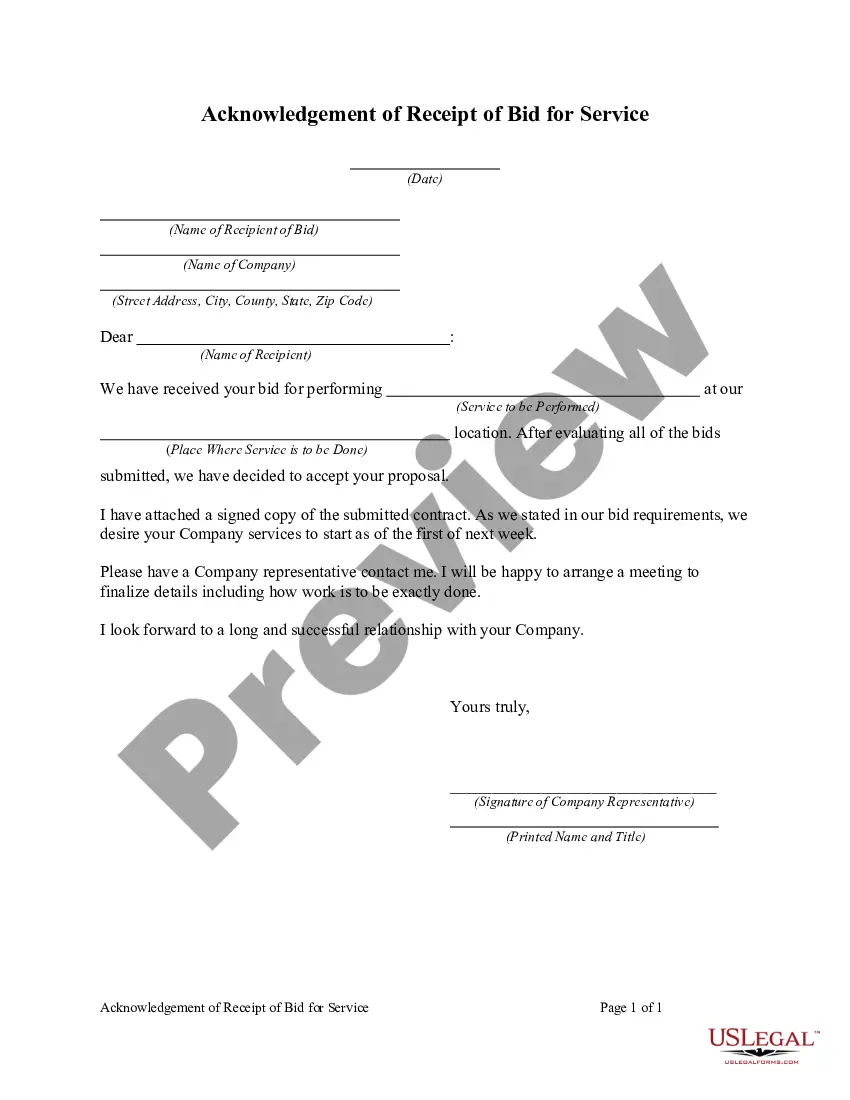
Get your form ready online
Our built-in tools help you complete, sign, share, and store your documents in one place.
Make edits, fill in missing information, and update formatting in US Legal Forms—just like you would in MS Word.
Download a copy, print it, send it by email, or mail it via USPS—whatever works best for your next step.
Sign and collect signatures with our SignNow integration. Send to multiple recipients, set reminders, and more. Go Premium to unlock E-Sign.
If this form requires notarization, complete it online through a secure video call—no need to meet a notary in person or wait for an appointment.
We protect your documents and personal data by following strict security and privacy standards.

Make edits, fill in missing information, and update formatting in US Legal Forms—just like you would in MS Word.

Download a copy, print it, send it by email, or mail it via USPS—whatever works best for your next step.

Sign and collect signatures with our SignNow integration. Send to multiple recipients, set reminders, and more. Go Premium to unlock E-Sign.

If this form requires notarization, complete it online through a secure video call—no need to meet a notary in person or wait for an appointment.

We protect your documents and personal data by following strict security and privacy standards.
Looking for another form?





Form popularity
FAQ
Purchasing Office Information Do you accept formal bids submitted electronically? No. Formal bids must be submitted in hard copy format in order to ensure compliance with state bidding laws and to ensure confidentiality. Specific submission procedures are explained within each project's bid specifications.
A request for bid (RFB), or an invitation to bid (ITB) for construction, is a document prepared by the project owner to solicit bids from qualified contractors. An RFB outlines detailed project specifications, including project scope, materials, measurements, plans, contract terms, and timeline.
Your project plans should be as detailed as possible before asking for a quote. This means having clear ideas about the layout, materials, finishes, and specific elements you want in your remodel. The more details you can provide, the better a contractor can estimate the costs involved.
8 tips to write a request for proposal Detail the project and what your organization needs. Write an executive summary. Include vendor qualifications and the project budget. Be transparent about the selection process. Provide timelines. Format for readability. Have the expertise. Detail the job but not how to do it.
8 Steps to the Construction Bidding Process Project owner issues request for general contractors to bid on the project. GC sends project out to subcontractors for bidding. Subcontractors work on bids and ask questions. Bid day. Contractor selection. Contract negotiations. Signed contract. Project buyout.
Sites such as GovernmentContracts, BidSync, BidNet Direct and The RFP Database collect RFP and bid postings from various sources (just like our newly developed bid-finding tool, Bid Banana!). All of these sites list RFPs for public searching.
How to write an RFP that will get a response Define your project and needs. Write an introduction. Explain your company's and project's history. Describe your project's requirements. Explain how vendors should respond. Outline your selection criteria. Note your timelines. Proofread and revise your RFP.
Steps In an RFP Process 1 Discovery. Before drafting the RFP, it is imperative to do some thorough internal planning with the stakeholders that can guide the RFP writer in understanding the project requirements and constraints. 2 Draft And Issue. 3 Review The Bids. 4 Select a Winner and Send the Contract.