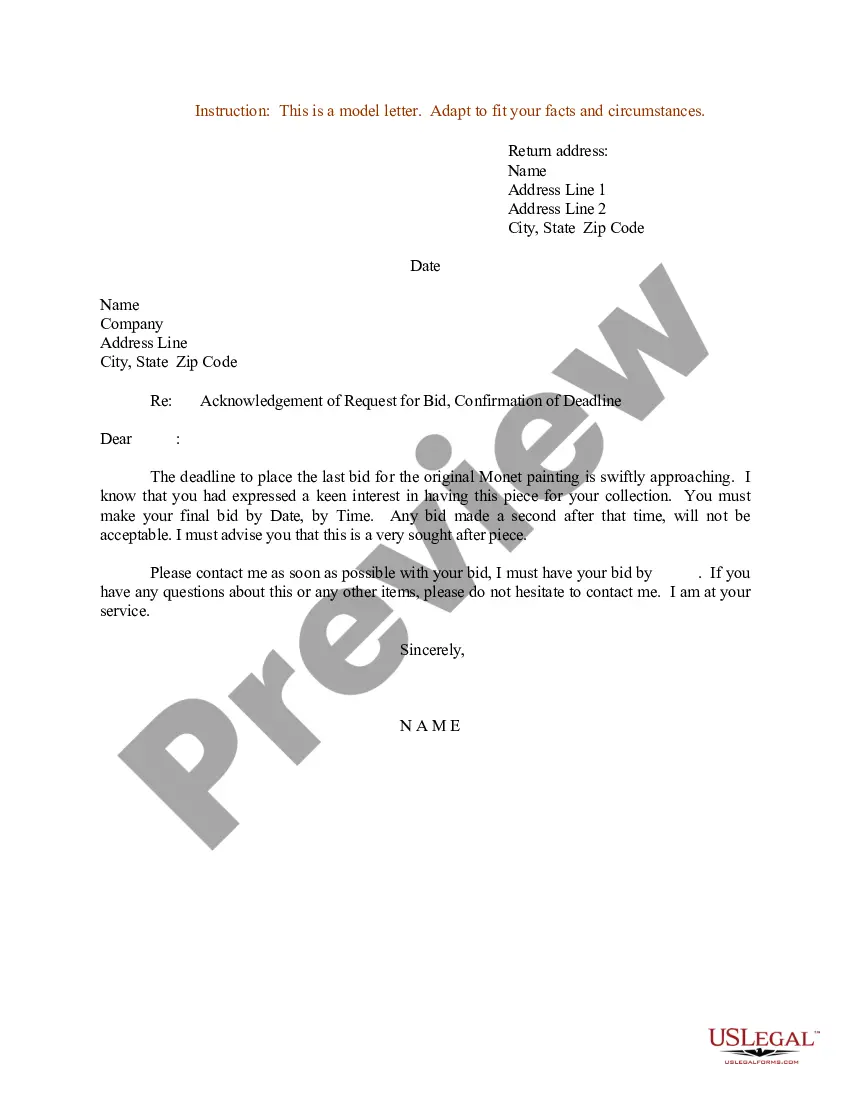
Request With Proposal In Cuyahoga
Description


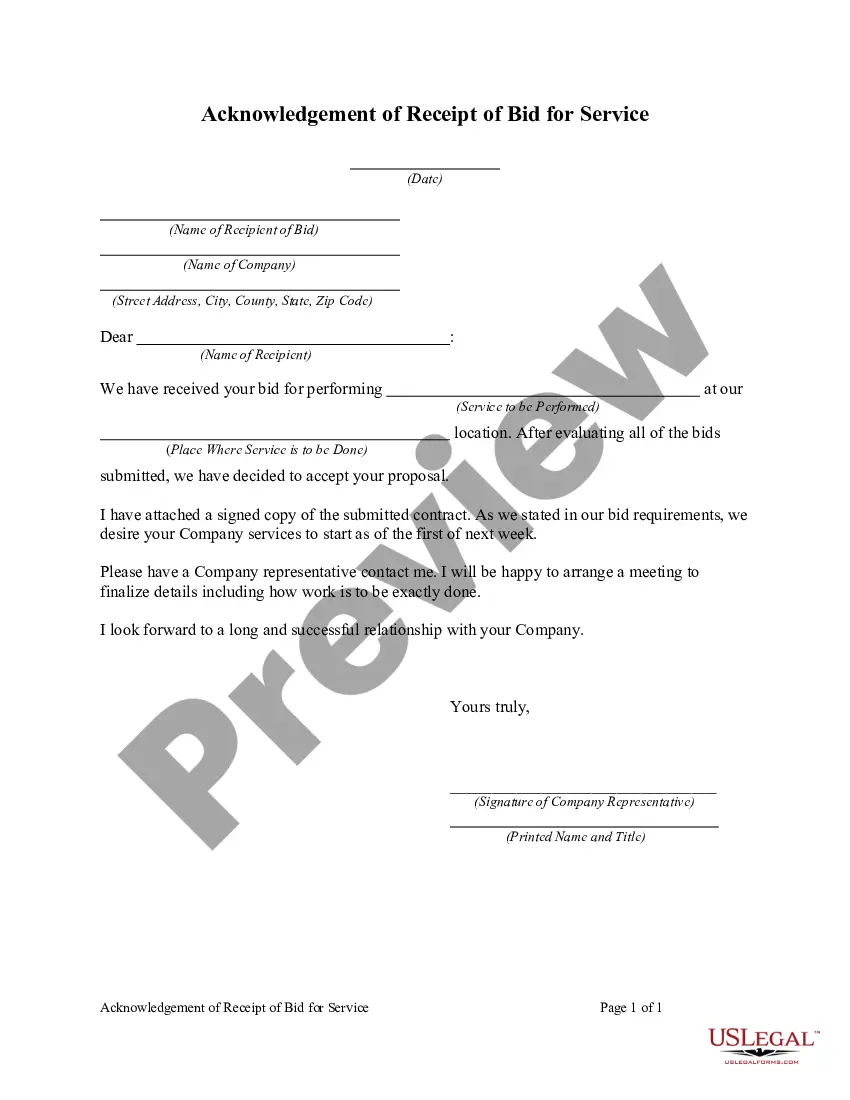
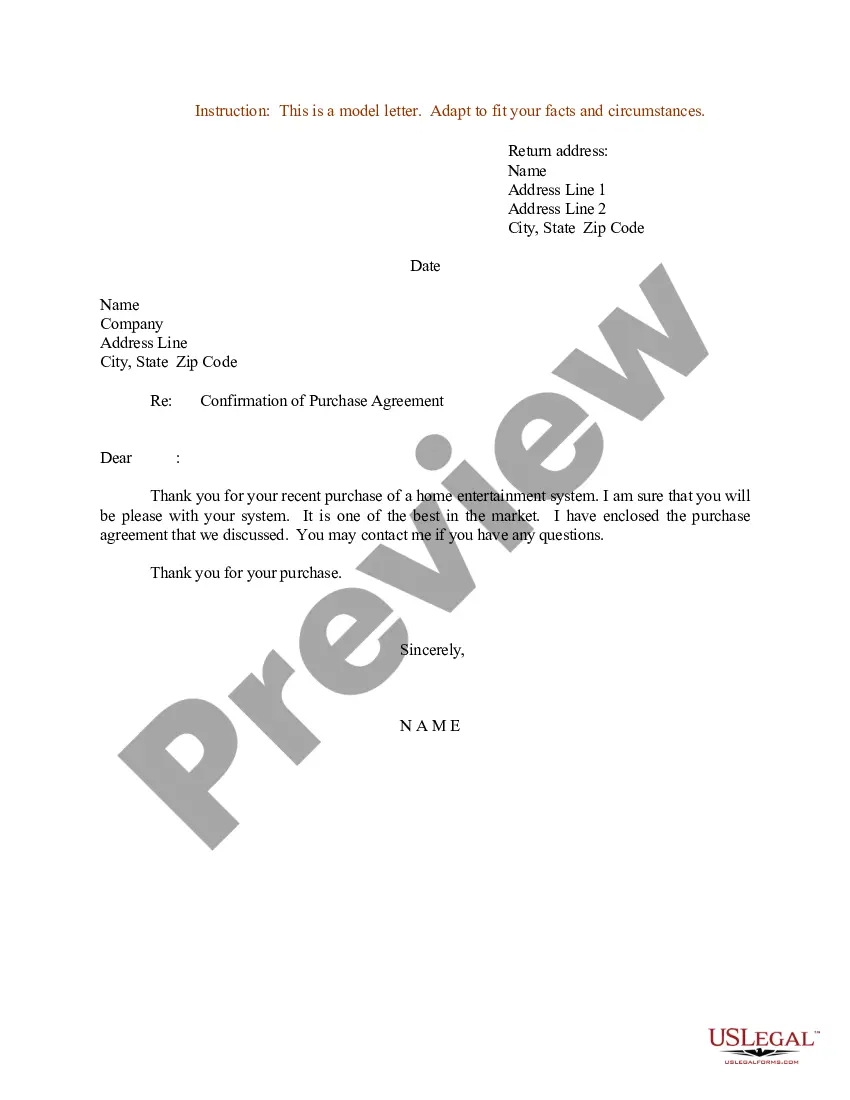
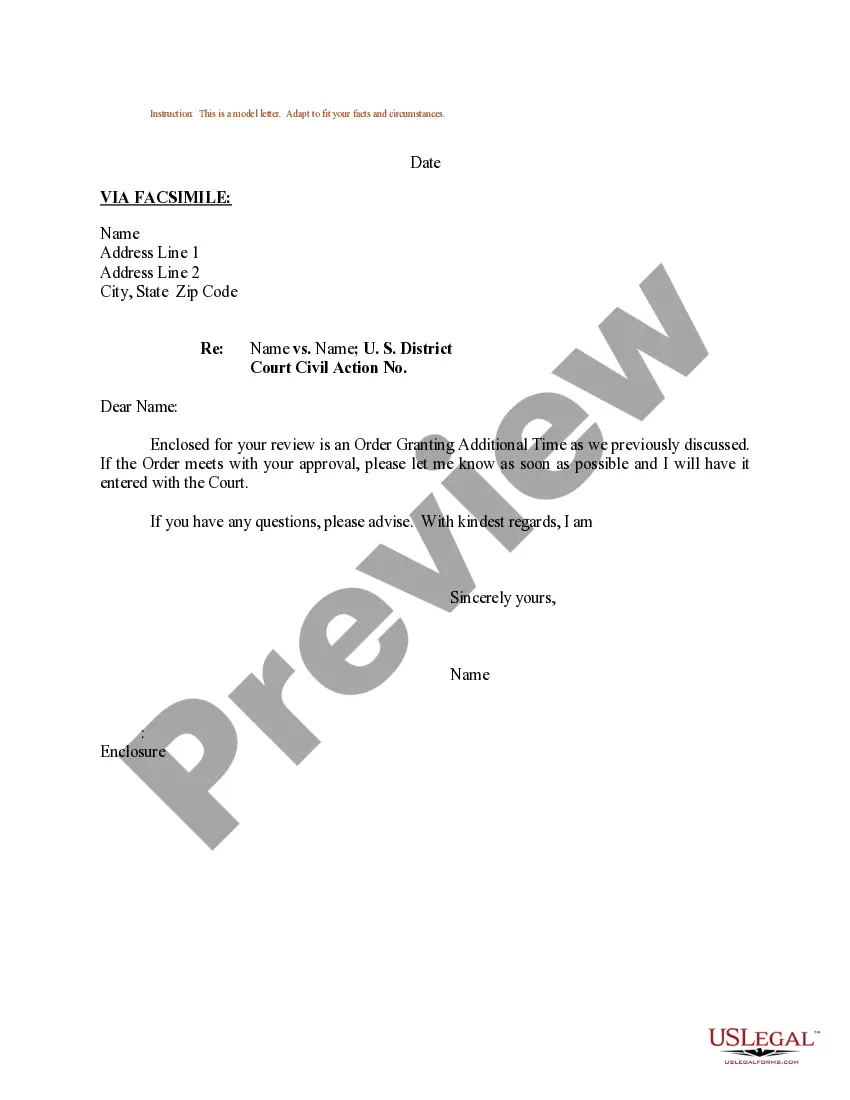
Get your form ready online
Our built-in tools help you complete, sign, share, and store your documents in one place.
Make edits, fill in missing information, and update formatting in US Legal Forms—just like you would in MS Word.
Download a copy, print it, send it by email, or mail it via USPS—whatever works best for your next step.
Sign and collect signatures with our SignNow integration. Send to multiple recipients, set reminders, and more. Go Premium to unlock E-Sign.
If this form requires notarization, complete it online through a secure video call—no need to meet a notary in person or wait for an appointment.
We protect your documents and personal data by following strict security and privacy standards.

Make edits, fill in missing information, and update formatting in US Legal Forms—just like you would in MS Word.

Download a copy, print it, send it by email, or mail it via USPS—whatever works best for your next step.

Sign and collect signatures with our SignNow integration. Send to multiple recipients, set reminders, and more. Go Premium to unlock E-Sign.

If this form requires notarization, complete it online through a secure video call—no need to meet a notary in person or wait for an appointment.

We protect your documents and personal data by following strict security and privacy standards.
Looking for another form?

Form popularity
FAQ
Steps in the RFP Process Develop a draft RFP and timeline. Create a bidders list. Approve RFP by Contract Unit and Legal Counsel. Advertise in the Contract Reporter. Release the RFP.
The RFP process helps solicit bids from vendors and identify which one is best qualified to complete the project. With a good RFP, you can: Secure offers from different vendors. These proposals make it easier for you to compare skills and rates to find the right partner for your project.
Overall, the complete RFP process should be expected to take anywhere between 9 months to 3 years to complete. Budget cycles, grants, and other factors will likely impact the length of time to develop and release an RFP, as well as collect and evaluate responses and award a contract.
The RFP process explained in 8 steps Identify sourcing potential with spend analysis. Scope and specification. RFP preparation. Await the RFP responses. Evaluation and supplier selection. Negotiation and contracting. Implementation and handover. Lessons learned.
A request for proposal (RFP) is an open request for bids to complete a new project proposed by the company or other organization that issues it. It is meant to open up competition and encourage a variety of alternative proposals that might be considered by the project's planners.
LinkedIn is the most popular social network for finding RFPs, but you will also see some on Twitter. Luckily, the search functionality on these networks makes RFPs easy to find. Simply search your industry and 'RFP' to browse through the results and find the latest open opportunities.
The RFP process explained in 8 steps Identify sourcing potential with spend analysis. Scope and specification. RFP preparation. Await the RFP responses. Evaluation and supplier selection. Negotiation and contracting. Implementation and handover. Lessons learned.
The Parenting Proceeding Affidavit is a sworn statement stating the names and dates of birth of the minor children of the parties, their residence addresses for the previous five years and whether any or all of the children have been the subject of any court cases where a designation of parental rights has been made no ...
The deadline to file a Motion for Reconsideration will be a certain period of time after the judge has issued the order that you would like to have reconsidered or after you are served with the order, often between 14 and 30 days. You may want to speak with a lawyer in your state about the time line to file a motion.
If you want to file a motion, the process is generally something like this: You write your motion. You file your motion with the court clerk. The court clerk inserts the date and time your motion will be heard by the judge. You “serve” (mail) your motion to the other side.