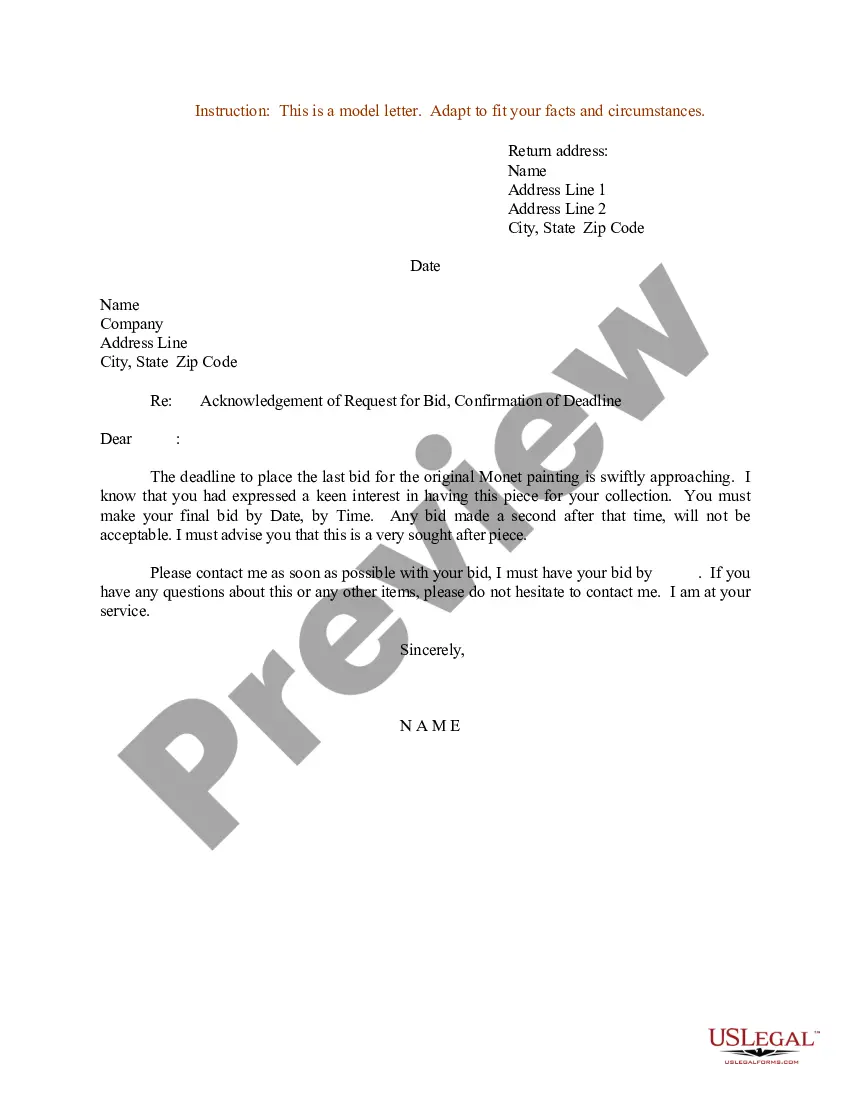
Request For Bid Email In Clark
Description


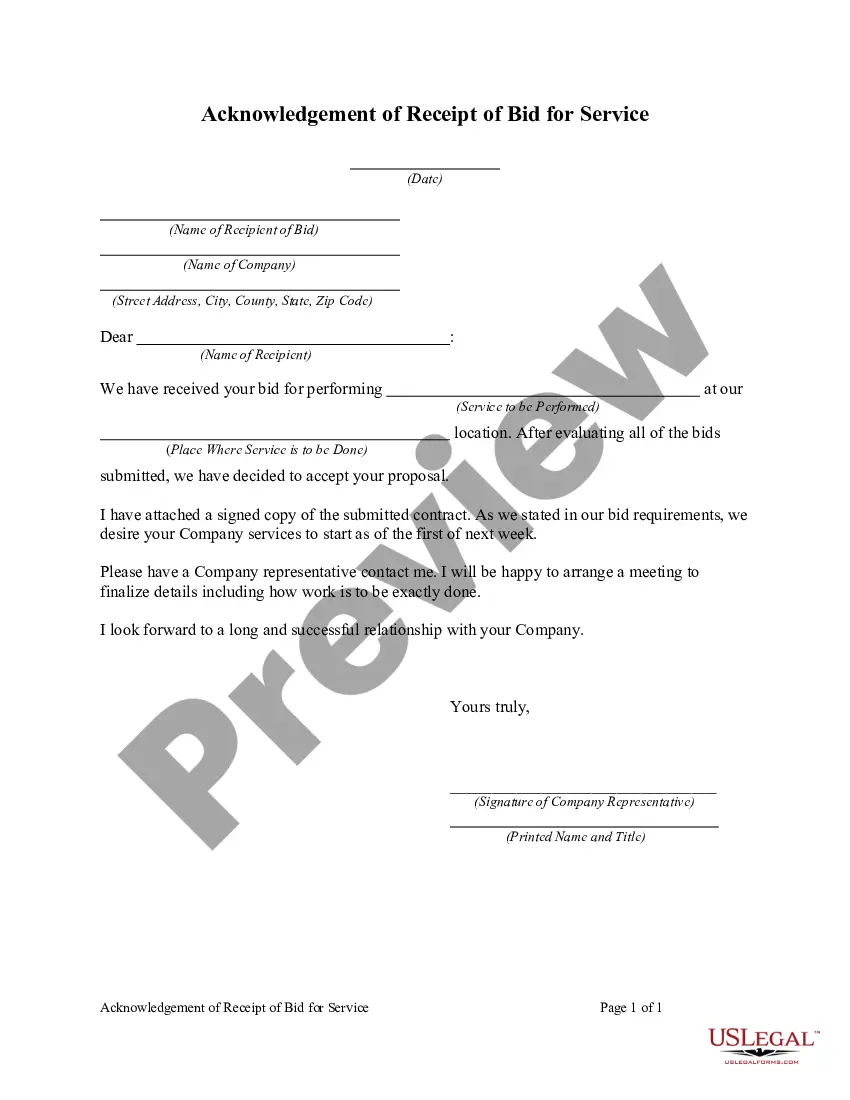
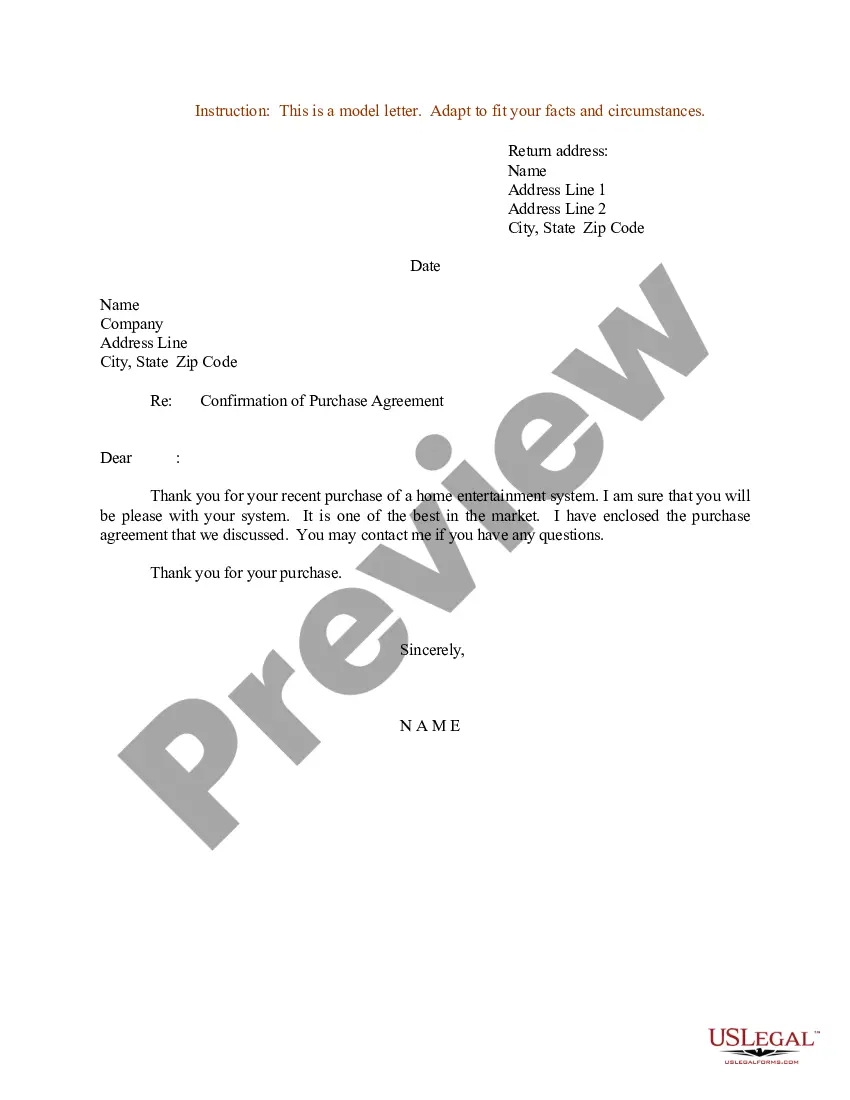
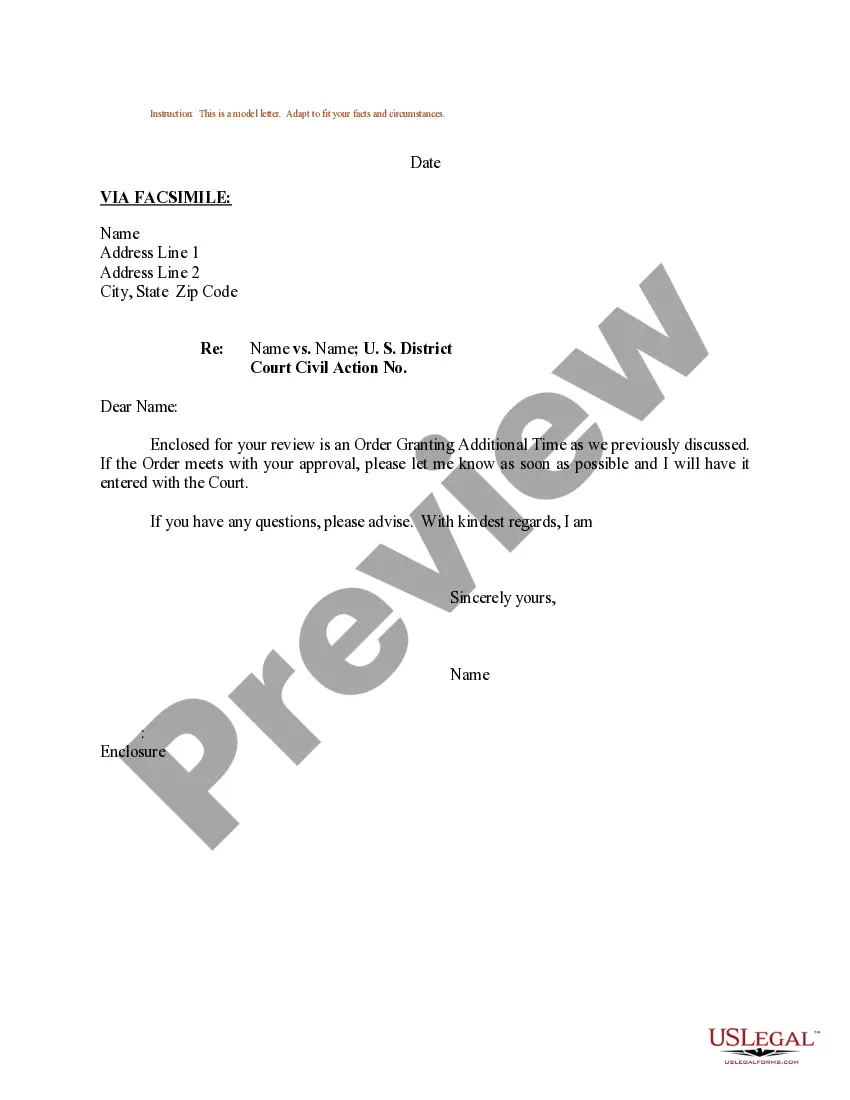
Get your form ready online
Our built-in tools help you complete, sign, share, and store your documents in one place.
Make edits, fill in missing information, and update formatting in US Legal Forms—just like you would in MS Word.
Download a copy, print it, send it by email, or mail it via USPS—whatever works best for your next step.
Sign and collect signatures with our SignNow integration. Send to multiple recipients, set reminders, and more. Go Premium to unlock E-Sign.
If this form requires notarization, complete it online through a secure video call—no need to meet a notary in person or wait for an appointment.
We protect your documents and personal data by following strict security and privacy standards.

Make edits, fill in missing information, and update formatting in US Legal Forms—just like you would in MS Word.

Download a copy, print it, send it by email, or mail it via USPS—whatever works best for your next step.

Sign and collect signatures with our SignNow integration. Send to multiple recipients, set reminders, and more. Go Premium to unlock E-Sign.

If this form requires notarization, complete it online through a secure video call—no need to meet a notary in person or wait for an appointment.

We protect your documents and personal data by following strict security and privacy standards.
Looking for another form?






Form popularity
FAQ
The bidding process Step 1: Bid solicitation. Step 2: Bid preparation and submission. Step 3: Bid evaluation and selection. Step 4: Contract negotiation. Step 5: Project delivery.
The bid invitation should start with the project name and the bidders' email addresses. It also includes the bid number, opening, and closing date. The next step is to list the purpose of the project and the critical components. One should also write how the invitation is to be delivered.
The following steps are involved: (a) Preparation of invitations for bids. Invitations must describe the requirements of the Government clearly, accurately, and completely. (b) Publicizing the invitation for bids. (c) Submission of bids. (d) Evaluation of bids. (e) Contract award.
The construction bidding process involves five steps: bid solicitation, bid submission, bid selection, contract formation, and project delivery. For a contractor in California to achieve success in the construction bidding process, you need to plan and improve in each of these areas.
You can let them know that you won't be submitting a bid and explain the reasons behind your decision. Whenever possible, suggest other ways your company could collaborate in the future. The key is to keep the tone respectful and positive to maintain a strong relationship for potential opportunities down the road.
The bidding process Step 1: Bid solicitation. Step 2: Bid preparation and submission. Step 3: Bid evaluation and selection. Step 4: Contract negotiation. Step 5: Project delivery.
LOI best practices Begin the letter by clearly stating your intention to bid and basic company information. Include contact information for the person who will manage the proposal process. This is the person the buyer should contact if they have questions, need more information or want to begin negotiations.
How to write an RFP in 7 steps. Introduce the company and project. Outline project background. Provide bid deadline and proposal timeline. Specify budget. Outline project scope. Express concerns or roadblocks. Explain evaluation criteria.
Steps In an RFP Process 1 Discovery. Before drafting the RFP, it is imperative to do some thorough internal planning with the stakeholders that can guide the RFP writer in understanding the project requirements and constraints. 2 Draft And Issue. 3 Review The Bids. 4 Select a Winner and Send the Contract.