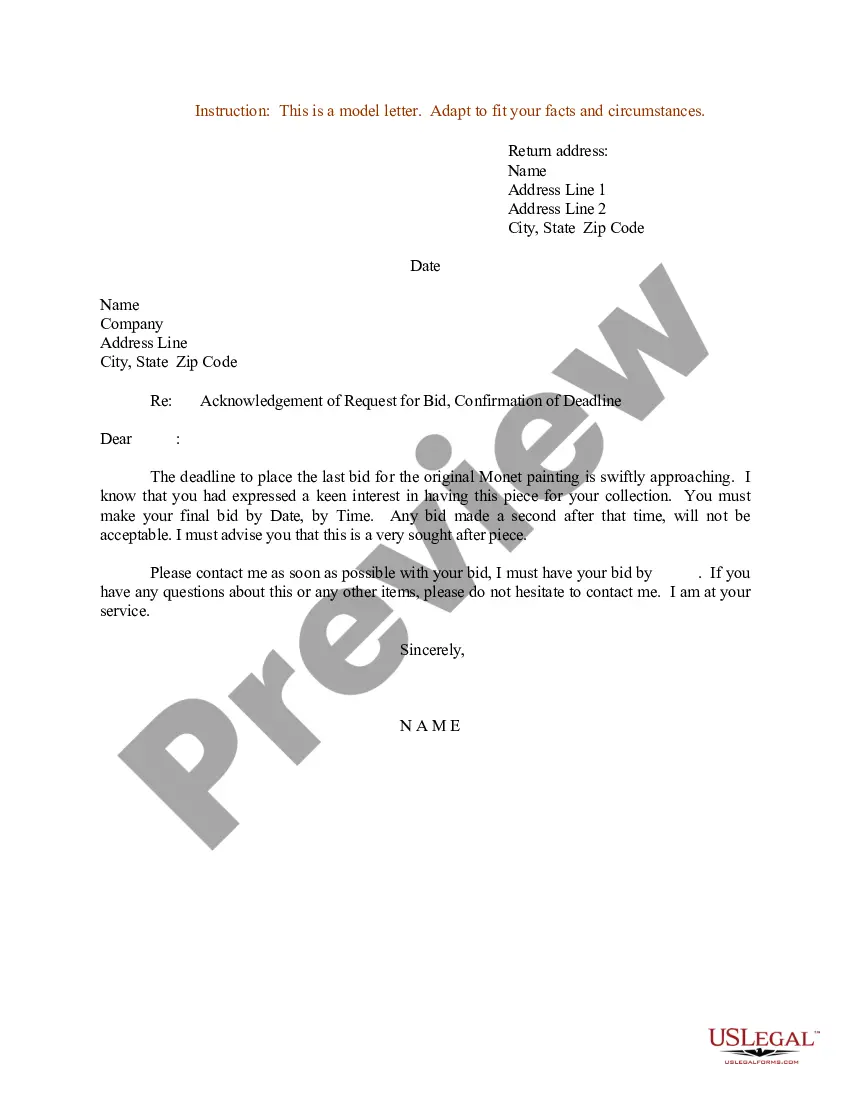
Request For Bid In Alameda
Description


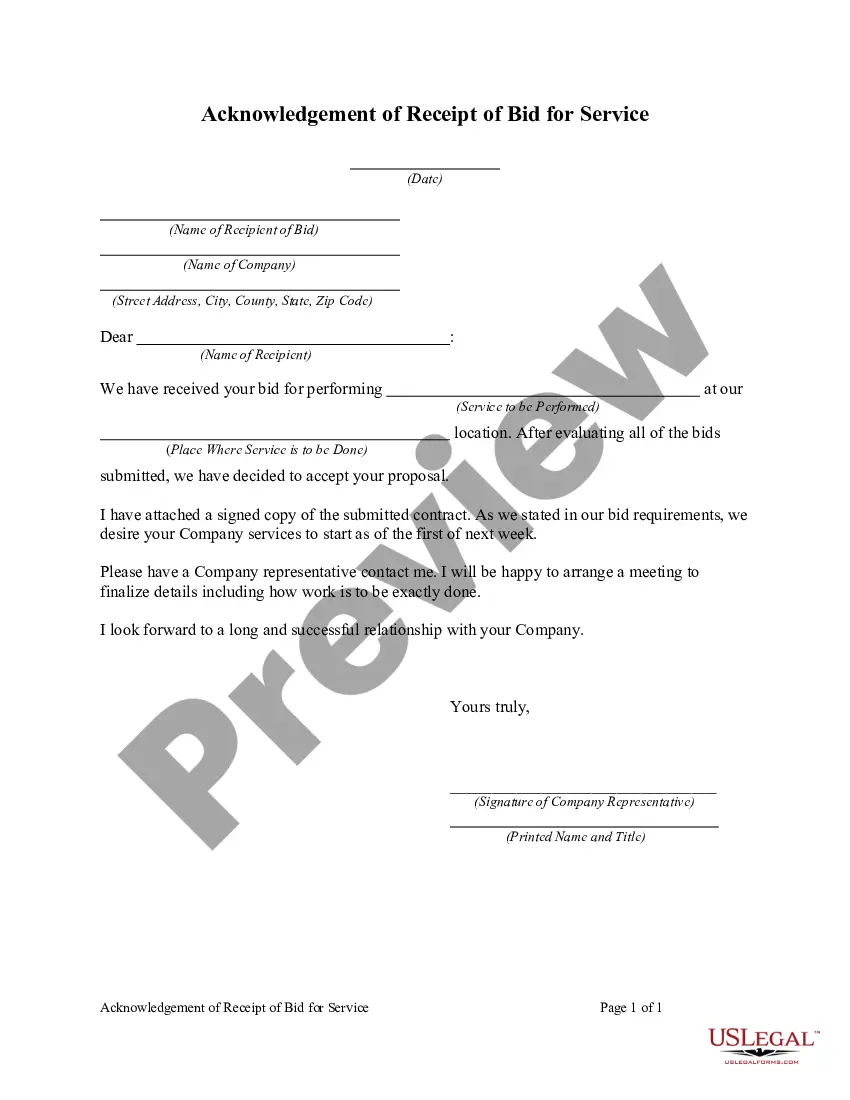
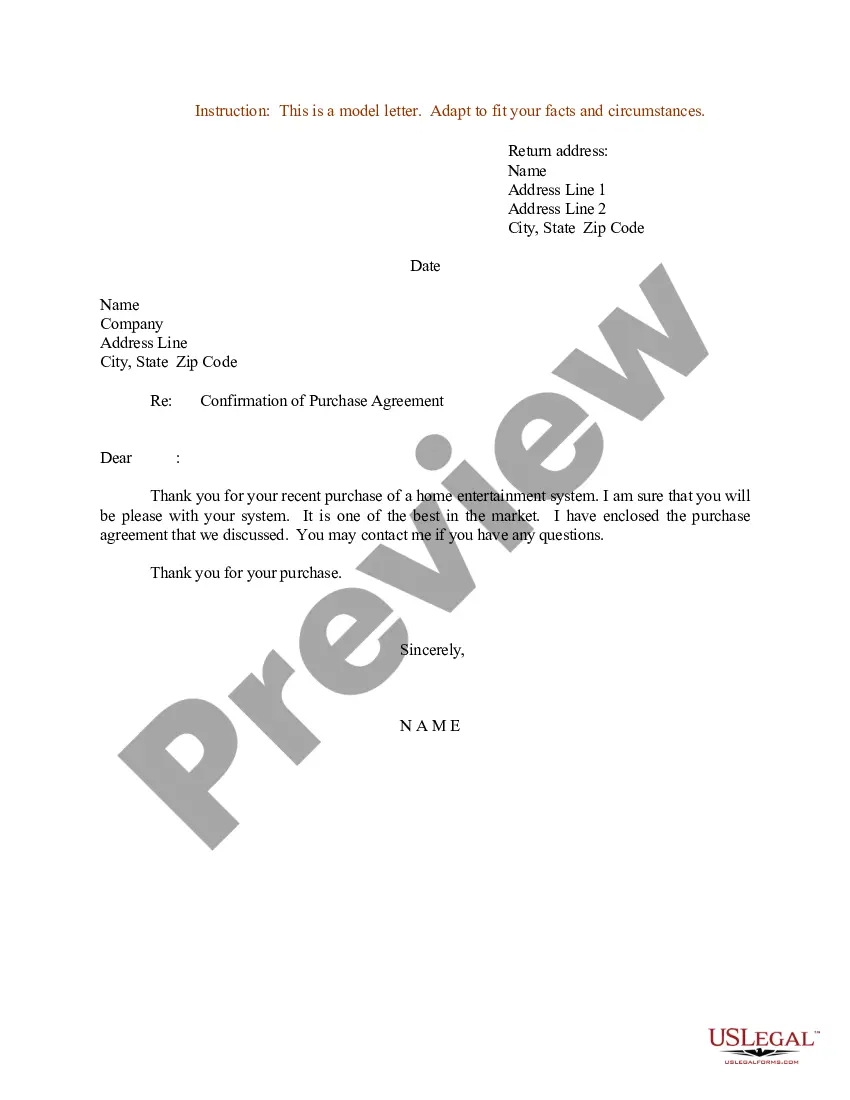
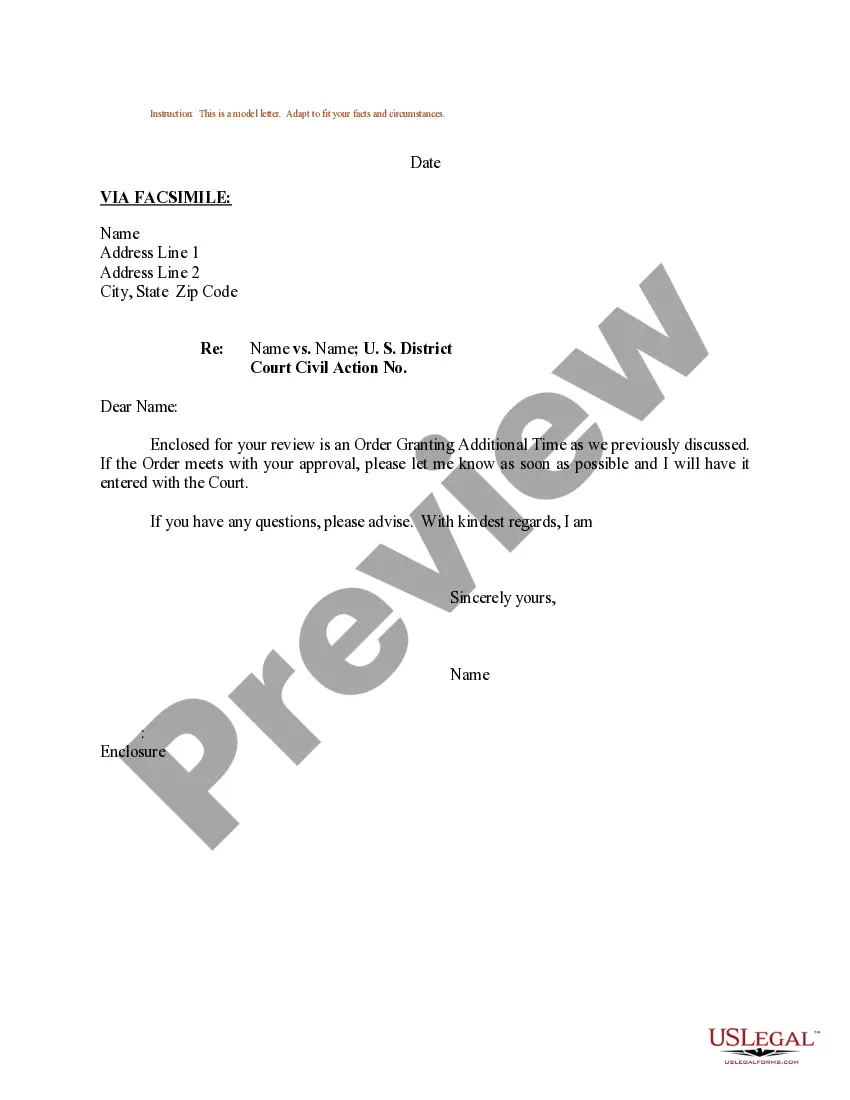
Get your form ready online
Our built-in tools help you complete, sign, share, and store your documents in one place.
Make edits, fill in missing information, and update formatting in US Legal Forms—just like you would in MS Word.
Download a copy, print it, send it by email, or mail it via USPS—whatever works best for your next step.
Sign and collect signatures with our SignNow integration. Send to multiple recipients, set reminders, and more. Go Premium to unlock E-Sign.
If this form requires notarization, complete it online through a secure video call—no need to meet a notary in person or wait for an appointment.
We protect your documents and personal data by following strict security and privacy standards.

Make edits, fill in missing information, and update formatting in US Legal Forms—just like you would in MS Word.

Download a copy, print it, send it by email, or mail it via USPS—whatever works best for your next step.

Sign and collect signatures with our SignNow integration. Send to multiple recipients, set reminders, and more. Go Premium to unlock E-Sign.

If this form requires notarization, complete it online through a secure video call—no need to meet a notary in person or wait for an appointment.

We protect your documents and personal data by following strict security and privacy standards.
Looking for another form?






Form popularity
FAQ
5 tips for crafting RFP bids that win Centralize your proposal content. Assign proposal tasks early. Make the issuer's job as easy as possible. Highlight how you are different, but don't give away your secret sauce. Leverage purpose-made RFP software.
What are the 7 steps in writing an RFP? Introduce the company and project. Outline project background. Provide bid deadline and proposal timeline. Specify budget. Outline project scope. Express concerns or roadblocks. Explain evaluation criteria.
How to write an RFP that will get a response Define your project and needs. Write an introduction. Explain your company's and project's history. Describe your project's requirements. Explain how vendors should respond. Outline your selection criteria. Note your timelines. Proofread and revise your RFP.
A request for proposal (RFP) is an open request for bids to complete a new project proposed by the company or other organization that issues it.
The RFP bid process Opportunity Identification: Identify potential projects or services that require an RFP. Spend Analysis: Analyze past expenditures and the market value of similar projects to determine the budget.
The bid invitation should start with the project name and the bidders' email addresses. It also includes the bid number, opening, and closing date. The next step is to list the purpose of the project and the critical components. One should also write how the invitation is to be delivered.
Bid submission In the bid submission phase, interested contractors submit documentation about the project timeline and costs, as well as information about their business.
High level, your bid proposal should include: Client information. Contractor information. Project/job name. Project/job scope of work/summary. Project/job budget. Terms and conditions. Client signature. Contractor signature.
How to write a bid proposal Get an in-depth understanding of the project. Research the client. Evaluate the competition. Consider offering an additional good or service. Include relevant information. Proofread your proposal.
The name and address of the bidder must be shown in the upper left corner of the bid envelope, and the invitation number, the daqte and hour of bid opening and the phrase “Bid for Real Property” must be shown in the lower left corner of the envelope.