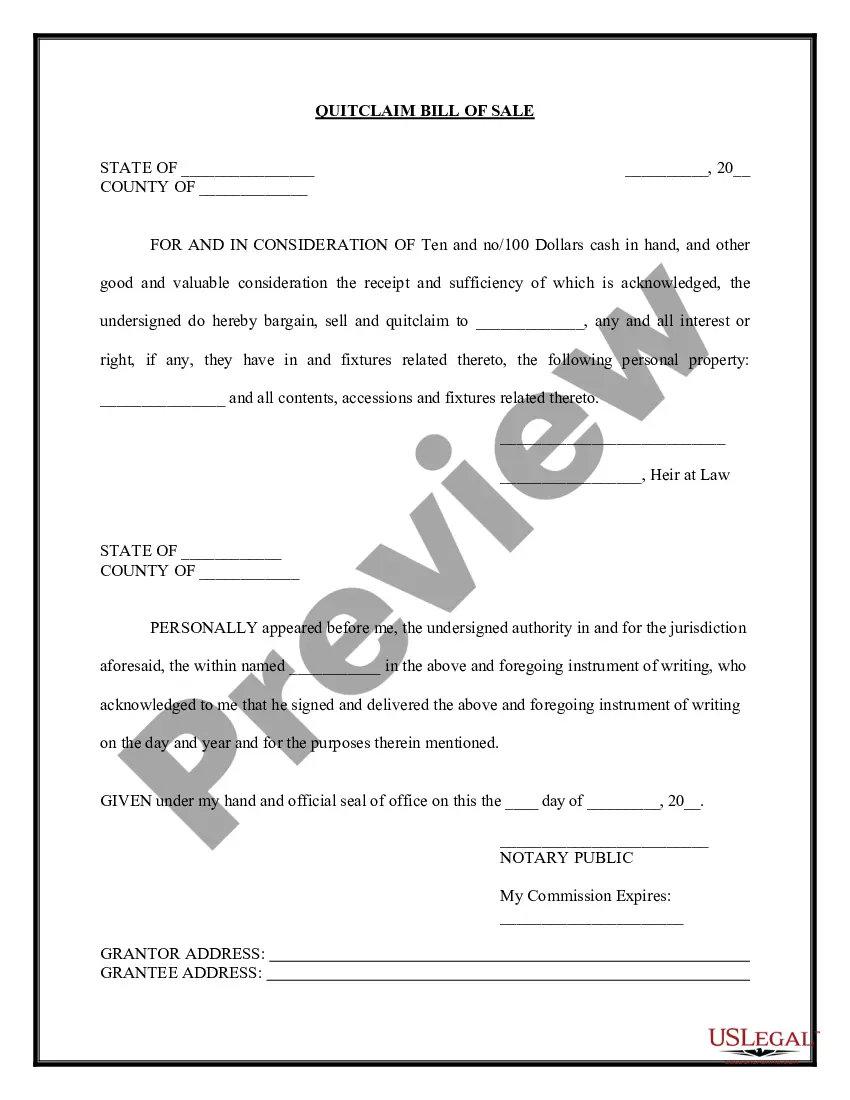
Independent Contractor Agreement For Real Estate Agents In Middlesex
Description





Get your form ready online
Our built-in tools help you complete, sign, share, and store your documents in one place.
Make edits, fill in missing information, and update formatting in US Legal Forms—just like you would in MS Word.
Download a copy, print it, send it by email, or mail it via USPS—whatever works best for your next step.
Sign and collect signatures with our SignNow integration. Send to multiple recipients, set reminders, and more. Go Premium to unlock E-Sign.
If this form requires notarization, complete it online through a secure video call—no need to meet a notary in person or wait for an appointment.
We protect your documents and personal data by following strict security and privacy standards.

Make edits, fill in missing information, and update formatting in US Legal Forms—just like you would in MS Word.

Download a copy, print it, send it by email, or mail it via USPS—whatever works best for your next step.

Sign and collect signatures with our SignNow integration. Send to multiple recipients, set reminders, and more. Go Premium to unlock E-Sign.

If this form requires notarization, complete it online through a secure video call—no need to meet a notary in person or wait for an appointment.

We protect your documents and personal data by following strict security and privacy standards.
Looking for another form?









Form popularity
FAQ
There are typically three parties involved in an independent contractor agreement: the contractor themselves, the person paying for the services, and the relevant tax authority. Unlike employees, independent contractors are responsible for paying their own income taxes.
Factors that show you are an independent contractor include working with multiple clients instead of just one, not receiving detailed instructions from hiring firms, paying your own business expenses such as office and equipment expenses, setting your own schedule, marketing your services to the public, having all ...
The short answer is that it doesn't matter who signs an agreement first. In order for a contract to be legally binding, both parties must agree to a set of pre-defined terms (this is called “mutual assent”).
The agreement should have an introductory paragraph outlining who is the client and who is the service provider. It should contain the legal names of both parties, the date, and the physical addresses of each party.
What to Include Party Details. The agreement will name the contractor and the client and provide the mailing addresses where invoices and correspondence can be sent. Term. The one-page contract must state the dates the contractual relationship begins and ends. Services. Compensation. Expenses. Signatures.
A California Real Estate Independent Contractor Agreement is a legal document that outlines the working relationship between a real estate agent (also known as a sales associate) and a brokerage firm. This agreement clarifies that the agent is an independent contractor, not an employee.
Legally it does not matter who signs the contract first as long as both parties agree to it. But, it may still be best to sign it second.
However, the California Business and Professions Code does state that the relationship between a real estate broker and agent can be either an employee/employer or independent contractor relationship.
Structure payments on a per-project basis, and require the contractor to submit invoices. Avoid salary payments, hourly payments, or any guaranteed “retainer” that is not tracked to performance. Specify the conditions for termination of the relationship—and do not make the arrangement terminable at will.