International Agreement Examples In Maryland
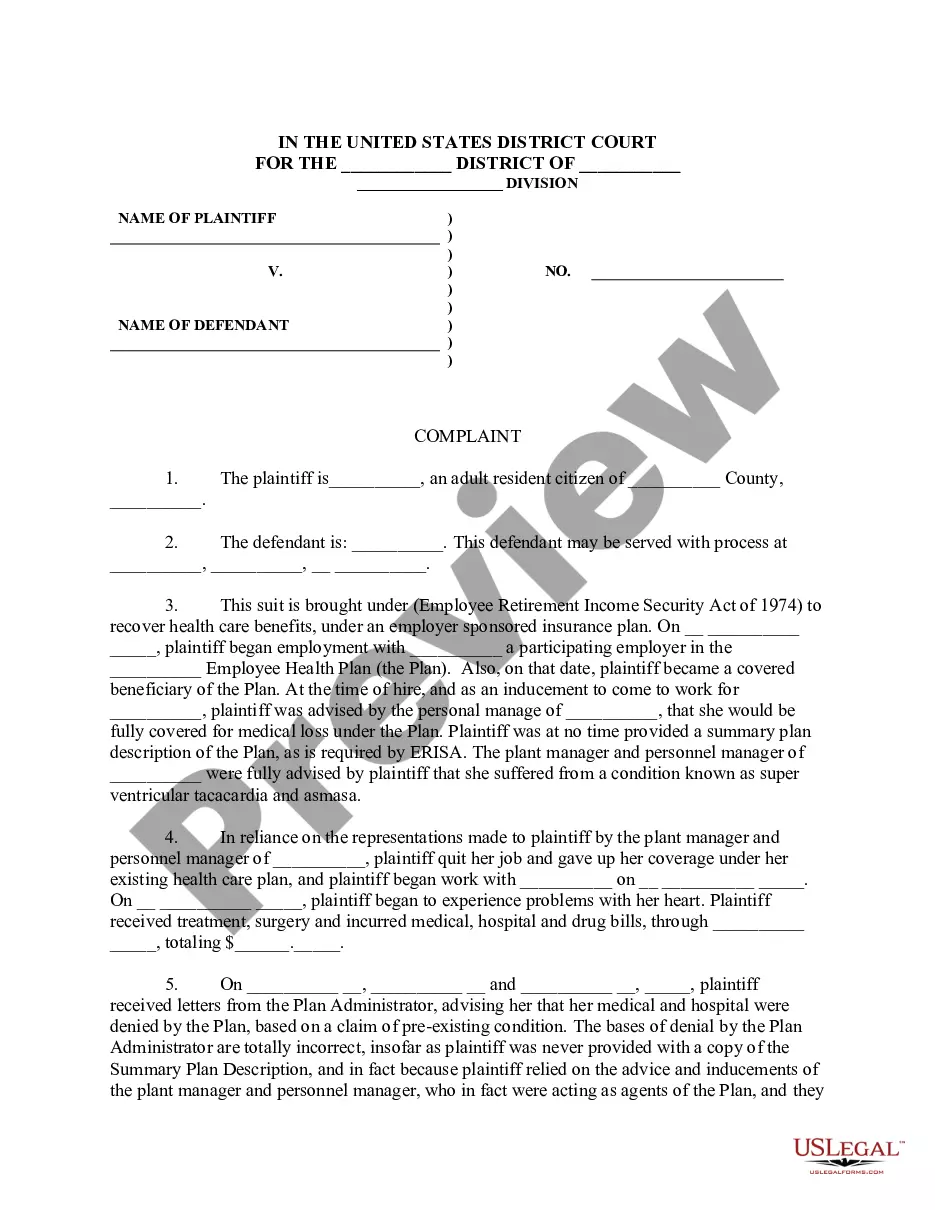
Description





Get your form ready online
Our built-in tools help you complete, sign, share, and store your documents in one place.
Make edits, fill in missing information, and update formatting in US Legal Forms—just like you would in MS Word.
Download a copy, print it, send it by email, or mail it via USPS—whatever works best for your next step.
Sign and collect signatures with our SignNow integration. Send to multiple recipients, set reminders, and more. Go Premium to unlock E-Sign.
If this form requires notarization, complete it online through a secure video call—no need to meet a notary in person or wait for an appointment.
We protect your documents and personal data by following strict security and privacy standards.

Make edits, fill in missing information, and update formatting in US Legal Forms—just like you would in MS Word.

Download a copy, print it, send it by email, or mail it via USPS—whatever works best for your next step.

Sign and collect signatures with our SignNow integration. Send to multiple recipients, set reminders, and more. Go Premium to unlock E-Sign.

If this form requires notarization, complete it online through a secure video call—no need to meet a notary in person or wait for an appointment.

We protect your documents and personal data by following strict security and privacy standards.
Looking for another form?









Form popularity
FAQ
Geneva Protocol. Biological and Toxin Weapons Convention (BWC) ... United Nations Security Council Resolution 1540 (UNSCR 1540) ... Chemical Weapons Convention (CWC) ... International Health Regulations (2005) (IHR (2005)) ... International Plant Protection Convention (IPPC) ... Proliferation Security Initiative (PSI)
Top ten tips in drafting and negotiating an international contract The language of the contract. Clear contract prose. Common law versus civil law. Jurisdictional issues. Terms of art. Personnel. In negotiations, expect the unexpected. Negotiation logistics.
International trade agreements are formal s between countries that establish the rules and guidelines for trade between them.
Some common types of international contracts include sales agreements, distribution agreements, licensing agreements, joint venture agreements, and employment contracts.
Introduction to US Treaty Research In the United States, the term "treaty" is used specifically to refer to the small number of international agreements that require the advice and consent of the Senate before entering into force. In contrast, "executive agreements" do not require Senate consent.
Under international law, a treaty is any legally binding agreement between states (countries). A treaty can be called a Convention, a Protocol, a Pact, an , etc.; it is the content of the agreement, not its name, which makes it a treaty.
The United Nations Charter (1945) is both a multilateral treaty and the constituent instrument of the United Nations. An example of a regional agreement that operates as a constituent agreement is the charter of the Organization of American States (Charter of Bogotá), which established the organization in 1948.
