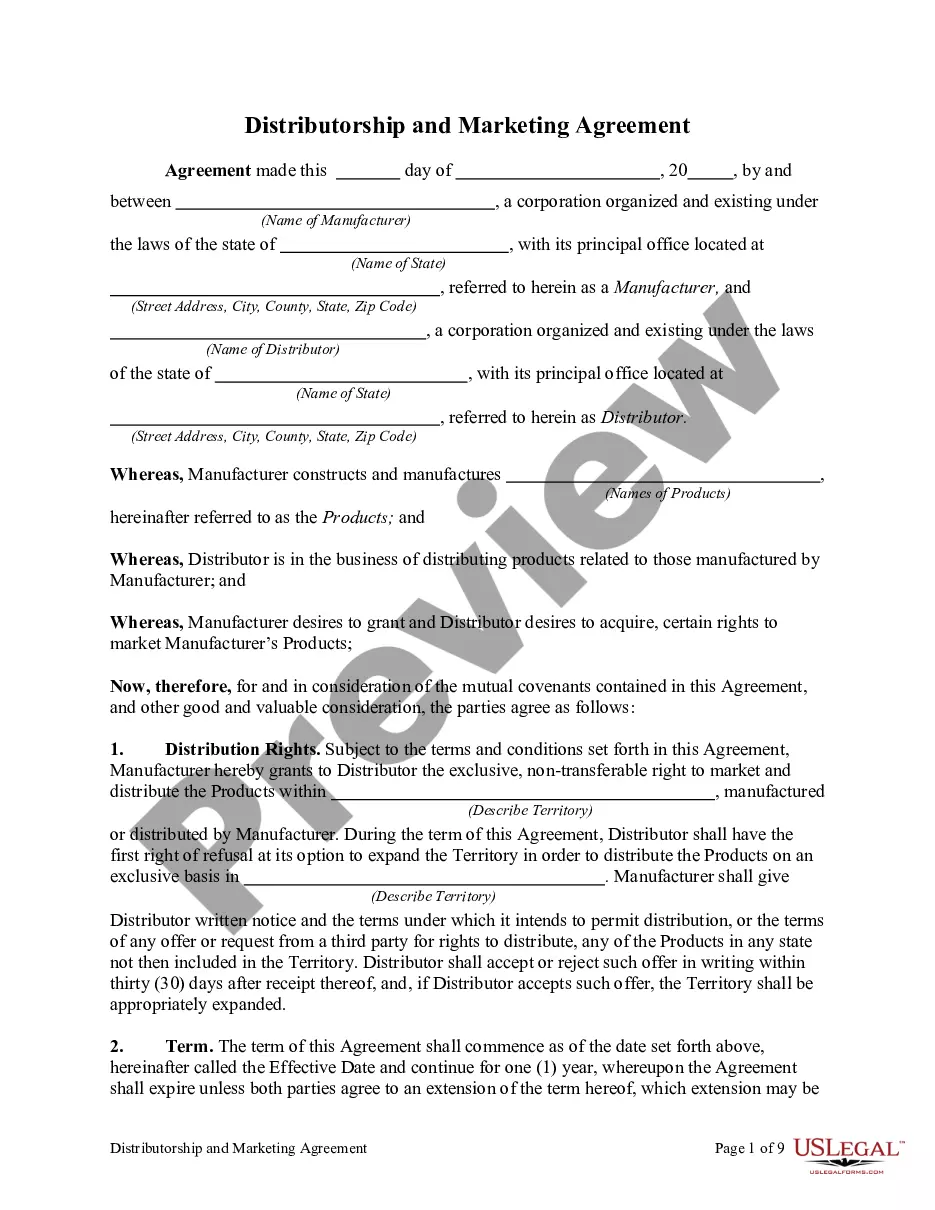
Independent Contractor Agreement With Non Compete Clause In Harris
Description





Get your form ready online
Our built-in tools help you complete, sign, share, and store your documents in one place.
Make edits, fill in missing information, and update formatting in US Legal Forms—just like you would in MS Word.
Download a copy, print it, send it by email, or mail it via USPS—whatever works best for your next step.
Sign and collect signatures with our SignNow integration. Send to multiple recipients, set reminders, and more. Go Premium to unlock E-Sign.
If this form requires notarization, complete it online through a secure video call—no need to meet a notary in person or wait for an appointment.
We protect your documents and personal data by following strict security and privacy standards.

Make edits, fill in missing information, and update formatting in US Legal Forms—just like you would in MS Word.

Download a copy, print it, send it by email, or mail it via USPS—whatever works best for your next step.

Sign and collect signatures with our SignNow integration. Send to multiple recipients, set reminders, and more. Go Premium to unlock E-Sign.

If this form requires notarization, complete it online through a secure video call—no need to meet a notary in person or wait for an appointment.

We protect your documents and personal data by following strict security and privacy standards.
Looking for another form?










Form popularity
FAQ
Are non-compete clauses enforceable? Non-compete clauses are subject to legal scrutiny as they are unlawful unless the employer has a legitimate business interest to protect this is to ensure they are reasonable and not overly restrictive.
The following are the most common ways to get out of a non-compete agreement: Determine that the terms of the contract do not in fact prevent you from a desired course of action. Recognize when a non-compete contradicts the law. Negotiate a release agreement with the involved parties. Ignore the agreement.
Negotiating with your old employer. You might be able to persuade your old employer to ignore a restriction, or at least make it shorter. To make you follow it they'd need to go to court to prove the restriction is reasonable. This is time-consuming and can be expensive, so they might prefer to compromise.
Can I Enforce a Non-Compete Clause? You may not be able to enforce your non-compete clause if it contains unreasonable terms. For example, if the length of time it is in place for is excessive. A court may also not enforce a non-compete clause if it is considered too broad or unnecessary for the business' interests.
Consequently, even where non-compete clauses are found in employment contracts, they may not necessarily be enforceable, unless a court considers that the non-compete clause is to protect a “legitimate business interest” and is no wider than reasonably necessary.
Yes, the general rule in NY is that lawyers can't be held to a non-compete. But the Court of Appeals has acknowledged a rare exception to that rule.
New York proposed non-compete ban. Governor Hochul eventually vetoed the bill, calling for a carveout to the ban for higher-wage workers. The bill's sponsor in the State Senate has said that he will reintroduce the legislation in 2024.
NY's Non-Compete Bill: What Employers Can Expect from a Newly Proposed Ban. A bill to ban employment non-competes for all but highly compensated individuals is being considered by the New York state legislature. Gov. Hochul vetoed a similar bill in 2023, and the latest proposal appears to respond to the veto memo.
Most New York courts will not enforce a non-compete agreement if the restriction is for over a year. For example, courts will generally find this time frame too long if the agreement attempts to restrict an employee for two years or more.