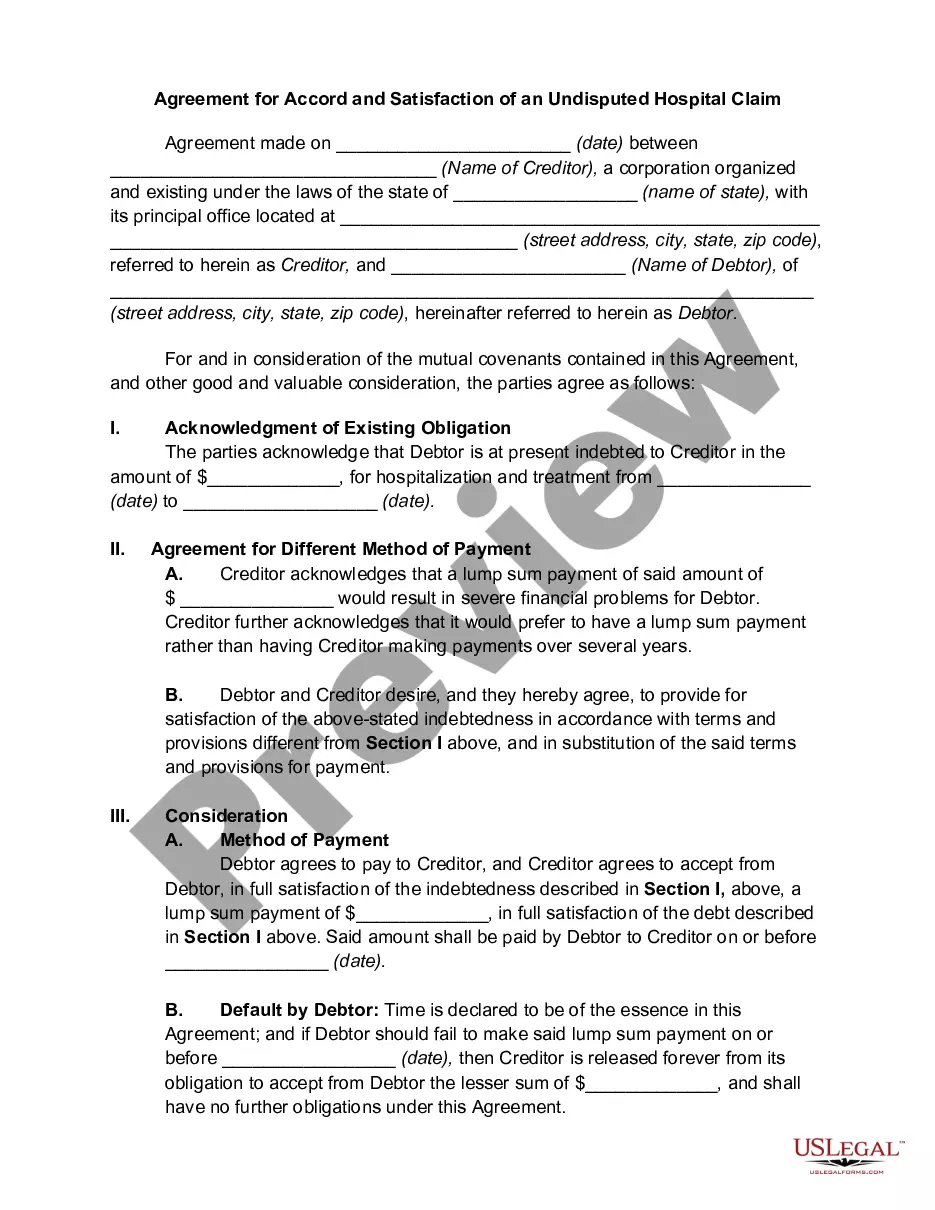
Define International Agreement In Dallas
Description

Get your form ready online
Our built-in tools help you complete, sign, share, and store your documents in one place.
Make edits, fill in missing information, and update formatting in US Legal Forms—just like you would in MS Word.
Download a copy, print it, send it by email, or mail it via USPS—whatever works best for your next step.
Sign and collect signatures with our SignNow integration. Send to multiple recipients, set reminders, and more. Go Premium to unlock E-Sign.
If this form requires notarization, complete it online through a secure video call—no need to meet a notary in person or wait for an appointment.
We protect your documents and personal data by following strict security and privacy standards.

Make edits, fill in missing information, and update formatting in US Legal Forms—just like you would in MS Word.

Download a copy, print it, send it by email, or mail it via USPS—whatever works best for your next step.

Sign and collect signatures with our SignNow integration. Send to multiple recipients, set reminders, and more. Go Premium to unlock E-Sign.

If this form requires notarization, complete it online through a secure video call—no need to meet a notary in person or wait for an appointment.

We protect your documents and personal data by following strict security and privacy standards.
Looking for another form?







Form popularity
FAQ
Introduction to US Treaty Research In the United States, the term "treaty" is used specifically to refer to the small number of international agreements that require the advice and consent of the Senate before entering into force. In contrast, "executive agreements" do not require Senate consent.
International agreements are formal understandings or commitments between two or more countries. An agreement between two countries is called “bilateral,” while an agreement between several countries is “multilateral.” The countries bound by an international agreement are generally referred to as “States Parties.”
The United Nations Charter (1945) is both a multilateral treaty and the constituent instrument of the United Nations. An example of a regional agreement that operates as a constituent agreement is the charter of the Organization of American States (Charter of Bogotá), which established the organization in 1948.
Three such broad functions may be discerned; namely, the development and codification of international law, the establishment of new levels of cooperation and integration between states, and the resolution of actual and potential international conflict.
International agreements are formal understandings or commitments between two or more countries. An agreement between two countries is called “bilateral,” while an agreement between several countries is “multilateral.” The countries bound by an international agreement are generally referred to as “States Parties.”
Negotiation of treaties and international agreements is the responsibility of the Executive Branch. Secretary of State authorizes negotiation. U.S. representatives negotiate. Agree on terms, and upon authorization of Secretary of State, sign treaty.
Treaties can be bilateral (between two states) or multilateral (between three or more states). Treaties can also include the creation of rights for individuals. Treaties are commonly called 'agreements', 'conventions', `protocols' or `covenants' , and less commonly `exchanges of letters'.
Types of agreements under Indian Contract Act, 1872 Valid agreement. Section 11 of the Indian Contract Act, 1872. Void agreement. Section 24 of the Indian Contract Act, 1872. Wagering Agreements. Contingent Agreement. Voidable agreement. Express and implied agreements. Illegal Agreements.
United Nations Office of Legal Affairs The discharge of the depositary functions of the Secretary-General of the United Nations under more than 560 multilateral treaties; and. The registration and publication of treaties and international agreements under Article 102 of the Charter of the United Nations.
Top ten tips in drafting and negotiating an international contract The language of the contract. Clear contract prose. Common law versus civil law. Jurisdictional issues. Terms of art. Personnel. In negotiations, expect the unexpected. Negotiation logistics.