Foreign Contractor Withholding Tax Us In Chicago
Description

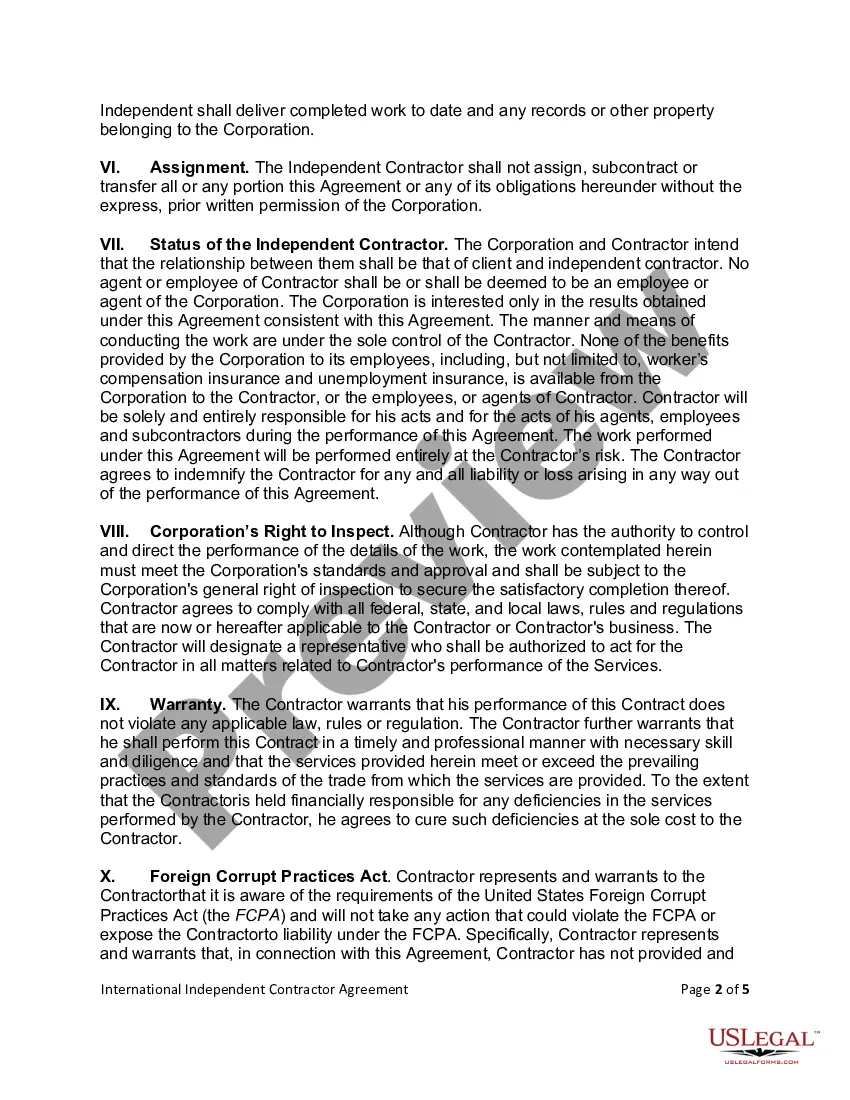
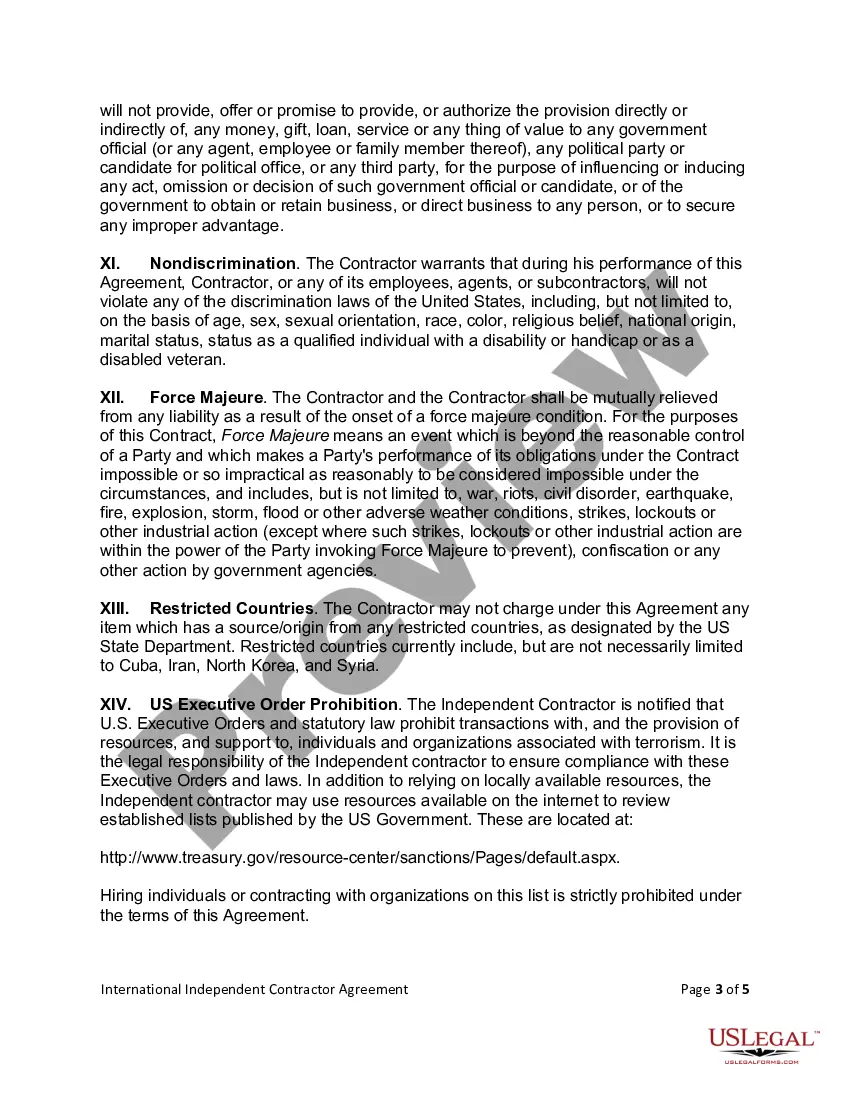
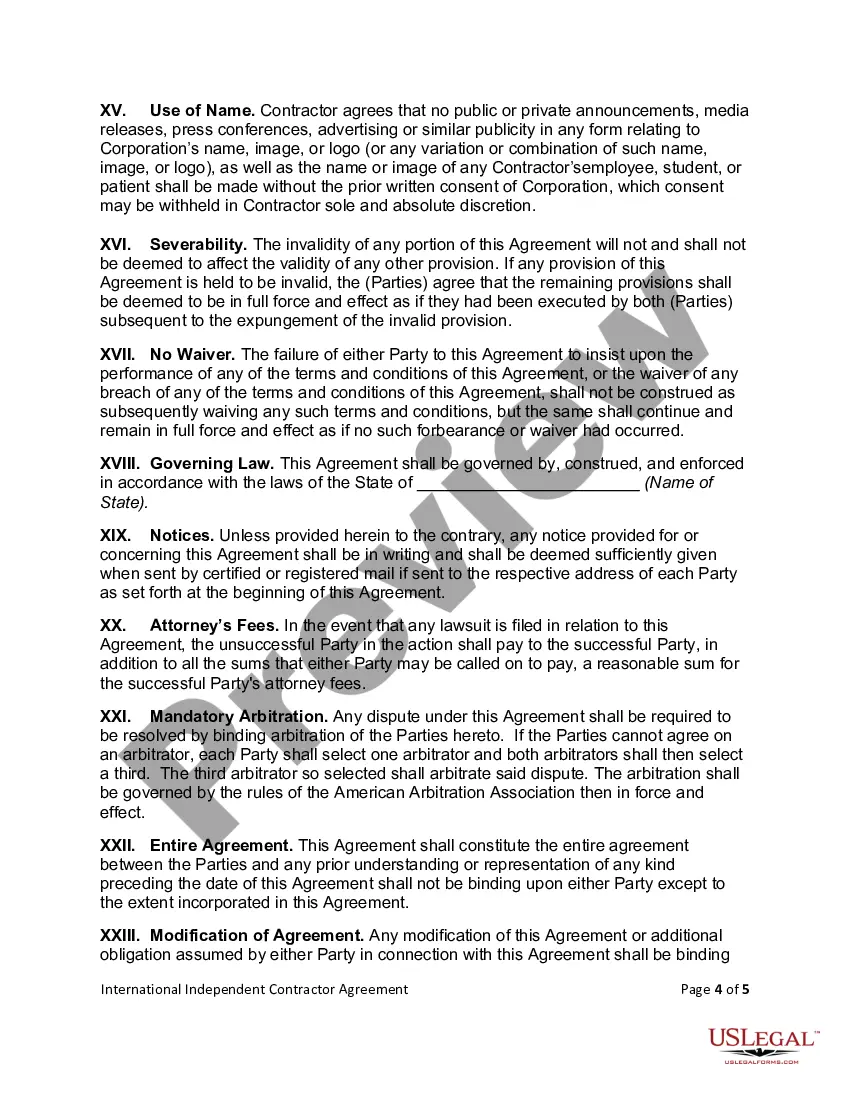
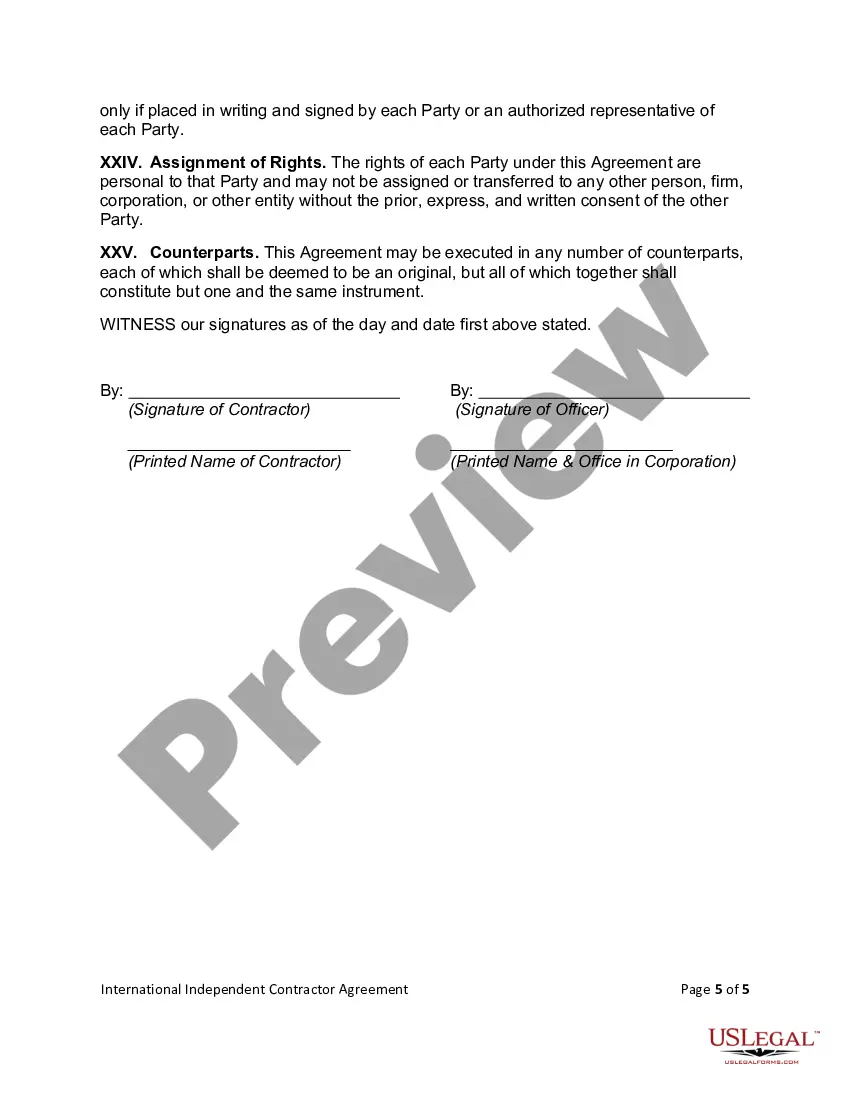
Get your form ready online
Our built-in tools help you complete, sign, share, and store your documents in one place.
Make edits, fill in missing information, and update formatting in US Legal Forms—just like you would in MS Word.
Download a copy, print it, send it by email, or mail it via USPS—whatever works best for your next step.
Sign and collect signatures with our SignNow integration. Send to multiple recipients, set reminders, and more. Go Premium to unlock E-Sign.
If this form requires notarization, complete it online through a secure video call—no need to meet a notary in person or wait for an appointment.
We protect your documents and personal data by following strict security and privacy standards.

Make edits, fill in missing information, and update formatting in US Legal Forms—just like you would in MS Word.

Download a copy, print it, send it by email, or mail it via USPS—whatever works best for your next step.

Sign and collect signatures with our SignNow integration. Send to multiple recipients, set reminders, and more. Go Premium to unlock E-Sign.

If this form requires notarization, complete it online through a secure video call—no need to meet a notary in person or wait for an appointment.

We protect your documents and personal data by following strict security and privacy standards.
Looking for another form?






Form popularity
FAQ
No. The US taxes all citizens and green card holders on worldwide income, regardless of where they live. Even if you never return to the US, you are still required to file a tax return if you meet the minimum income threshold.
Most types of U.S. source income received by a foreign person are subject to U.S. tax of 30%. A reduced rate, including exemption, may apply if an Internal Revenue Code Section provides for a lower rate, or there is a tax treaty between the foreign person's country of residence and the United States.
A U.S. business payor making a compensation payment to a non-U.S. independent contractor must withhold an amount sufficient to ensure that at least 30% of the amount subsequently determined to be U.S.-source income is withheld.
A U.S. business payor making a compensation payment to a non-U.S. independent contractor must withhold an amount sufficient to ensure that at least 30% of the amount subsequently determined to be U.S.-source income is withheld.
For foreign contractors, collect W-8BEN (individuals) or W-8BEN-E (entities). Non-US companies don't need to collect these forms. W-9 and W-8 forms help identify contractors and determine tax obligations. Incorrect or missing forms may lead to issues, including a 30% withholding tax for foreign contractors.
Payments to a foreign corporation in exchange for personal services performed in the US by either a US citizen or alien is considered to be US-sourced income and is usually subject to withholding. (Can be wages or self-employment income.)
Non-resident withholding tax is a mechanism employed by Canada to ensure that individuals or entities considered residents for tax purposes still contribute their fair share. It's like Canada's way of saying, “Hey, even if you're not a permanent resident here, you may still have tax obligations.”
Under US domestic tax laws, a foreign person generally is subject to 30% US tax on the gross amount of certain US-source income.
Complete a new Form W-4, Employee's Withholding Allowance Certificate, and submit it to your employer. Complete a new Form W-4P, Withholding Certificate for Pension or Annuity Payments, and submit it to your payer. Make an additional or estimated tax payment to the IRS before the end of the year.
Most types of U.S. source income received by a foreign person are subject to U.S. tax of 30%. A reduced rate, including exemption, may apply if an Internal Revenue Code Section provides for a lower rate, or there is a tax treaty between the foreign person's country of residence and the United States.
