Letters Legal Collections Without Prejudice In San Antonio
Description
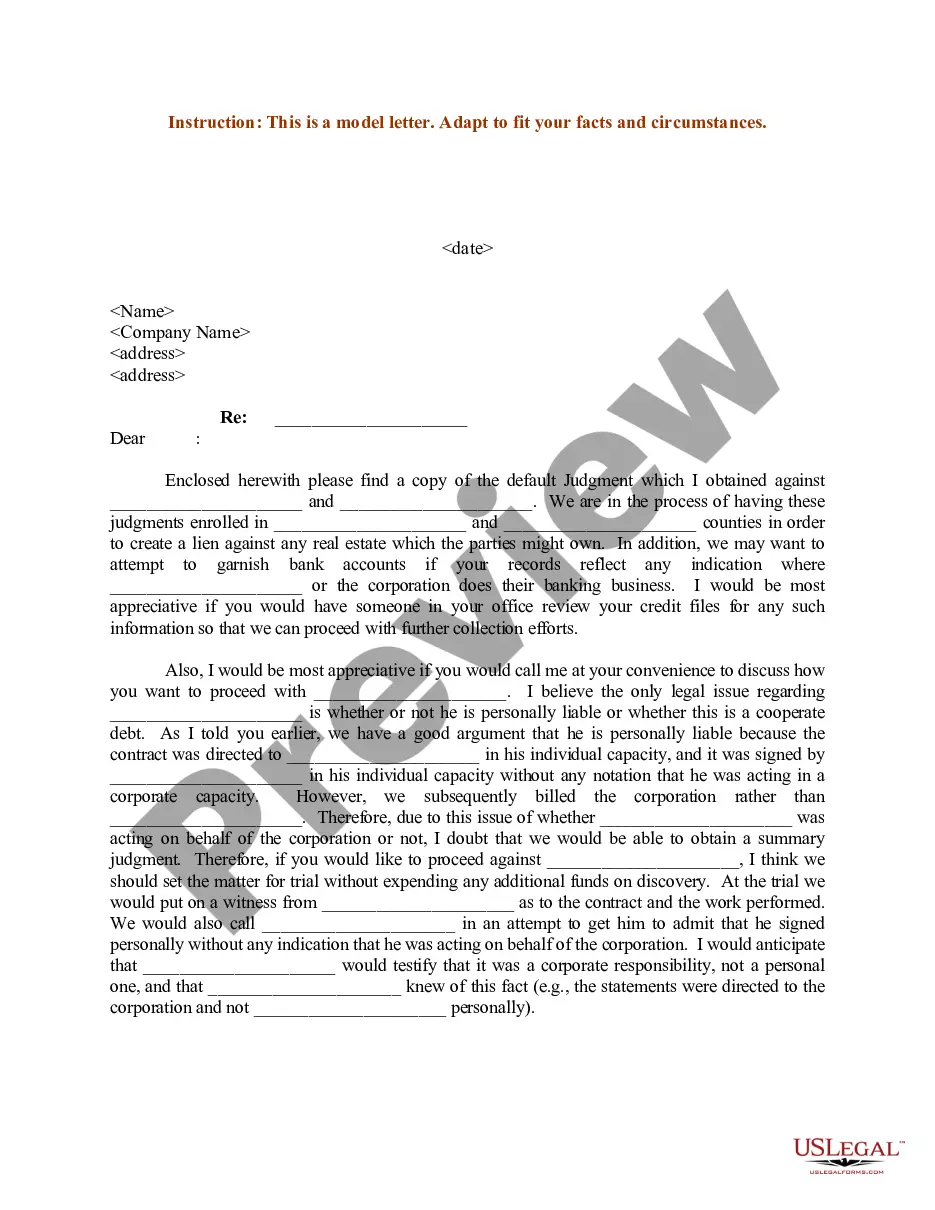
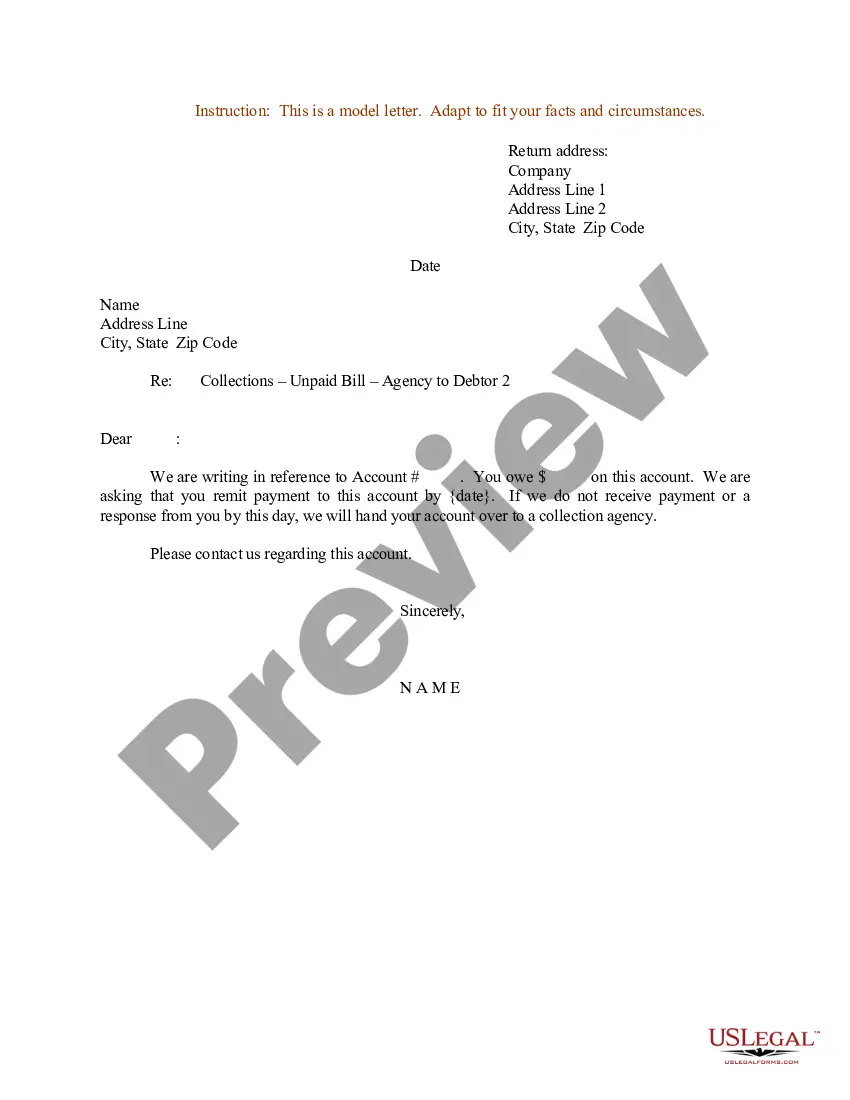
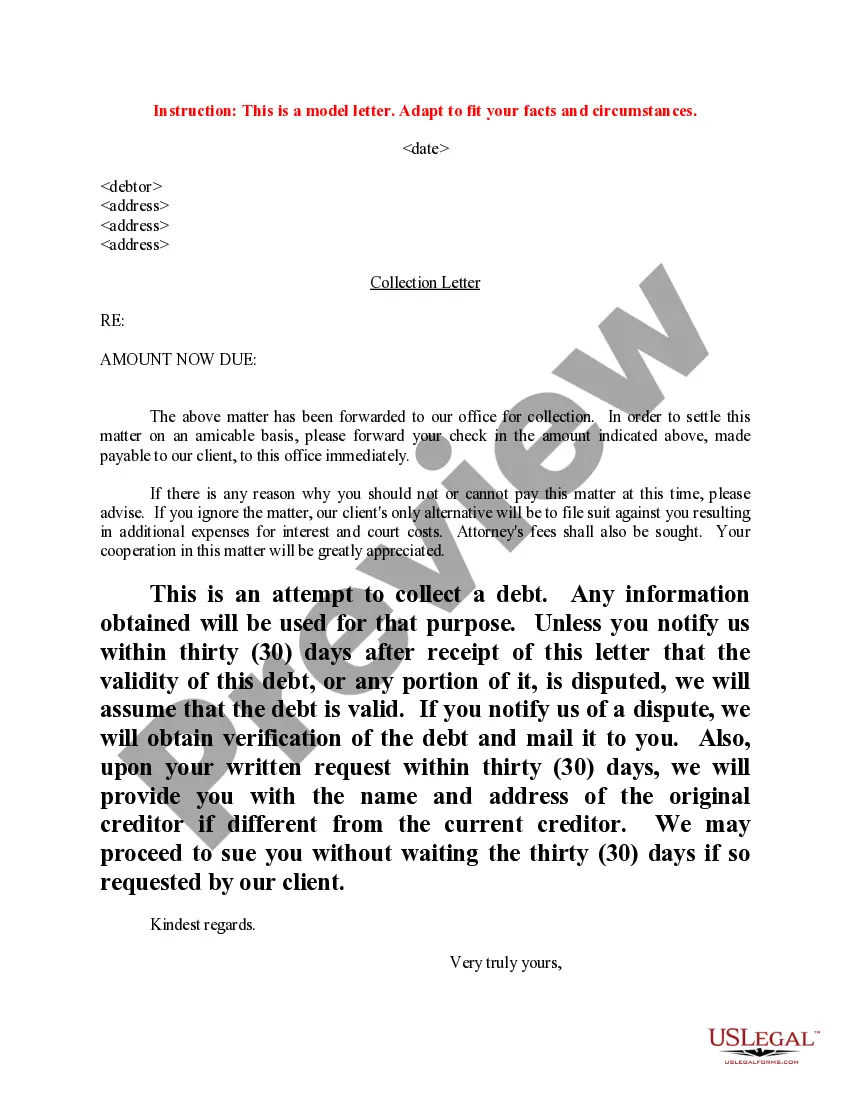
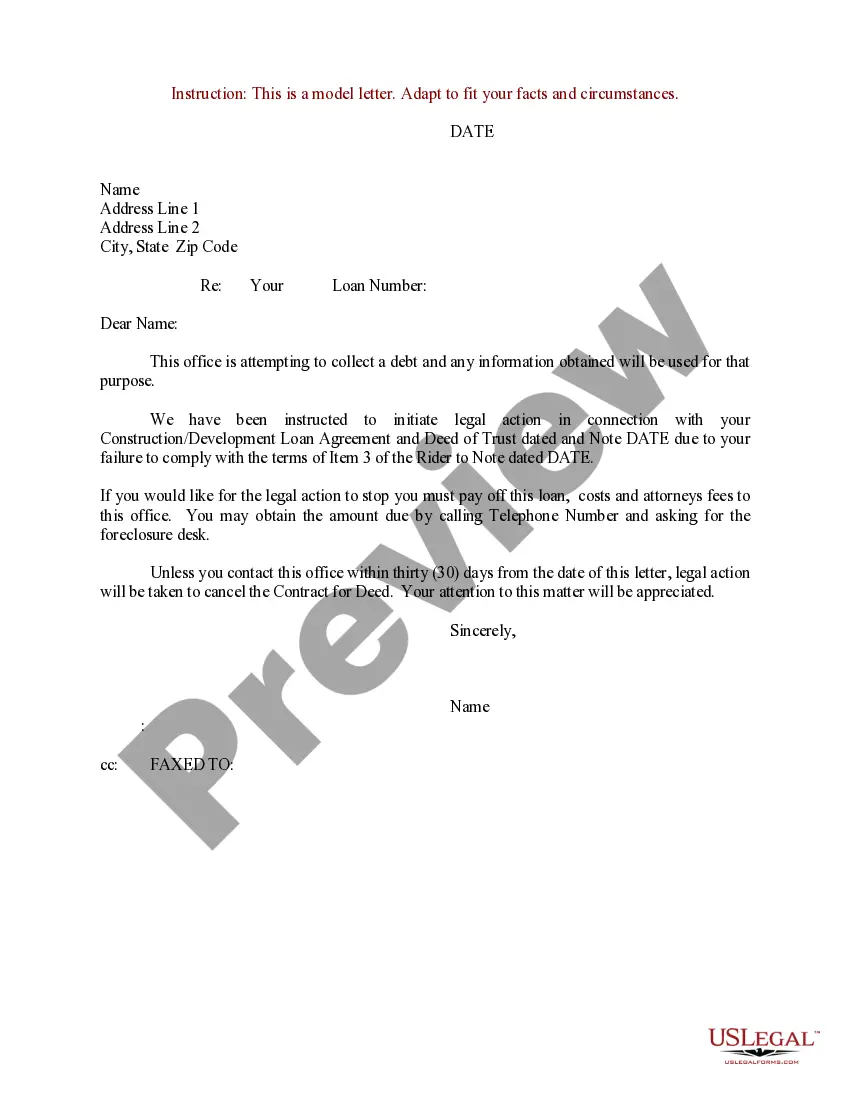
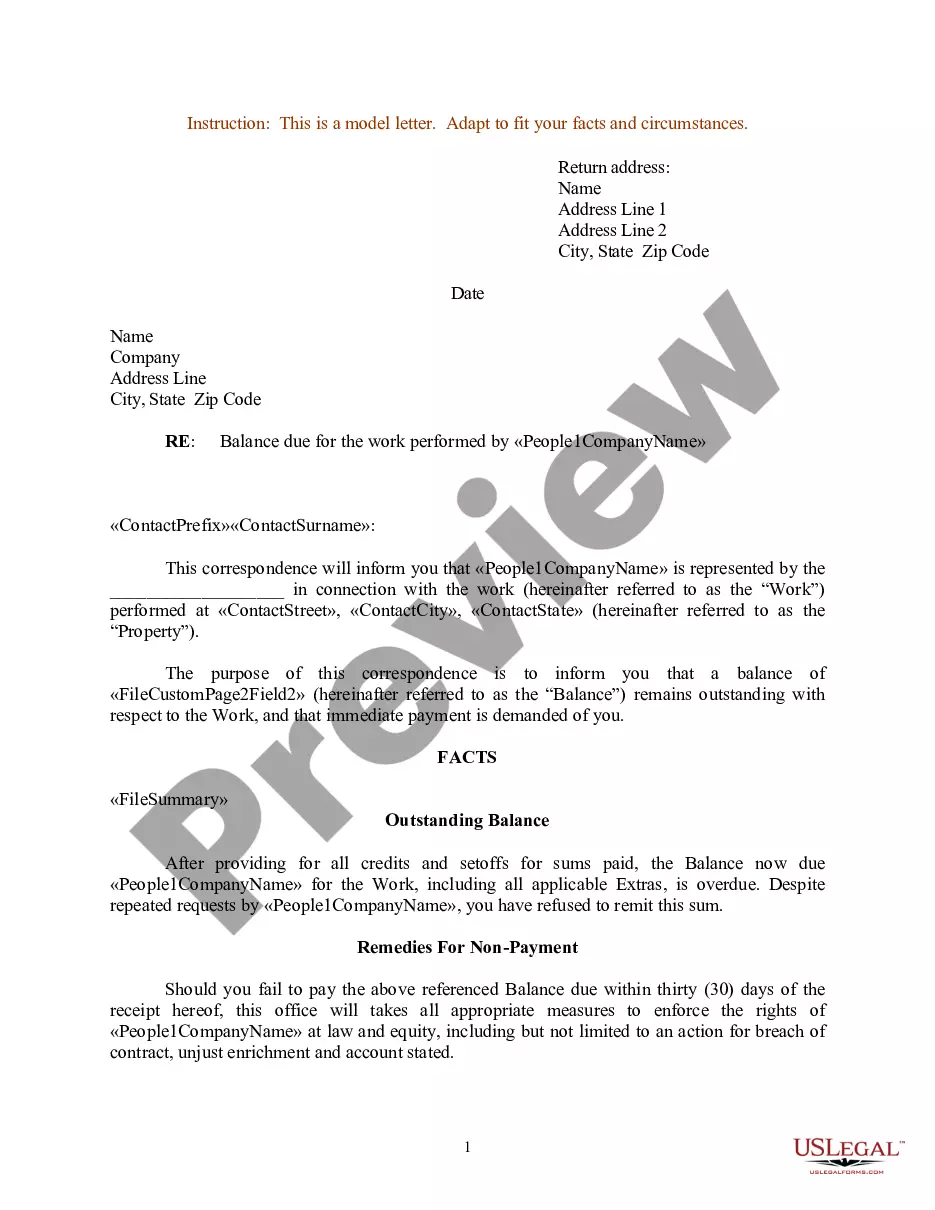
Get your form ready online
Our built-in tools help you complete, sign, share, and store your documents in one place.
Make edits, fill in missing information, and update formatting in US Legal Forms—just like you would in MS Word.
Download a copy, print it, send it by email, or mail it via USPS—whatever works best for your next step.
Sign and collect signatures with our SignNow integration. Send to multiple recipients, set reminders, and more. Go Premium to unlock E-Sign.
If this form requires notarization, complete it online through a secure video call—no need to meet a notary in person or wait for an appointment.
We protect your documents and personal data by following strict security and privacy standards.

Make edits, fill in missing information, and update formatting in US Legal Forms—just like you would in MS Word.

Download a copy, print it, send it by email, or mail it via USPS—whatever works best for your next step.

Sign and collect signatures with our SignNow integration. Send to multiple recipients, set reminders, and more. Go Premium to unlock E-Sign.

If this form requires notarization, complete it online through a secure video call—no need to meet a notary in person or wait for an appointment.

We protect your documents and personal data by following strict security and privacy standards.
Looking for another form?
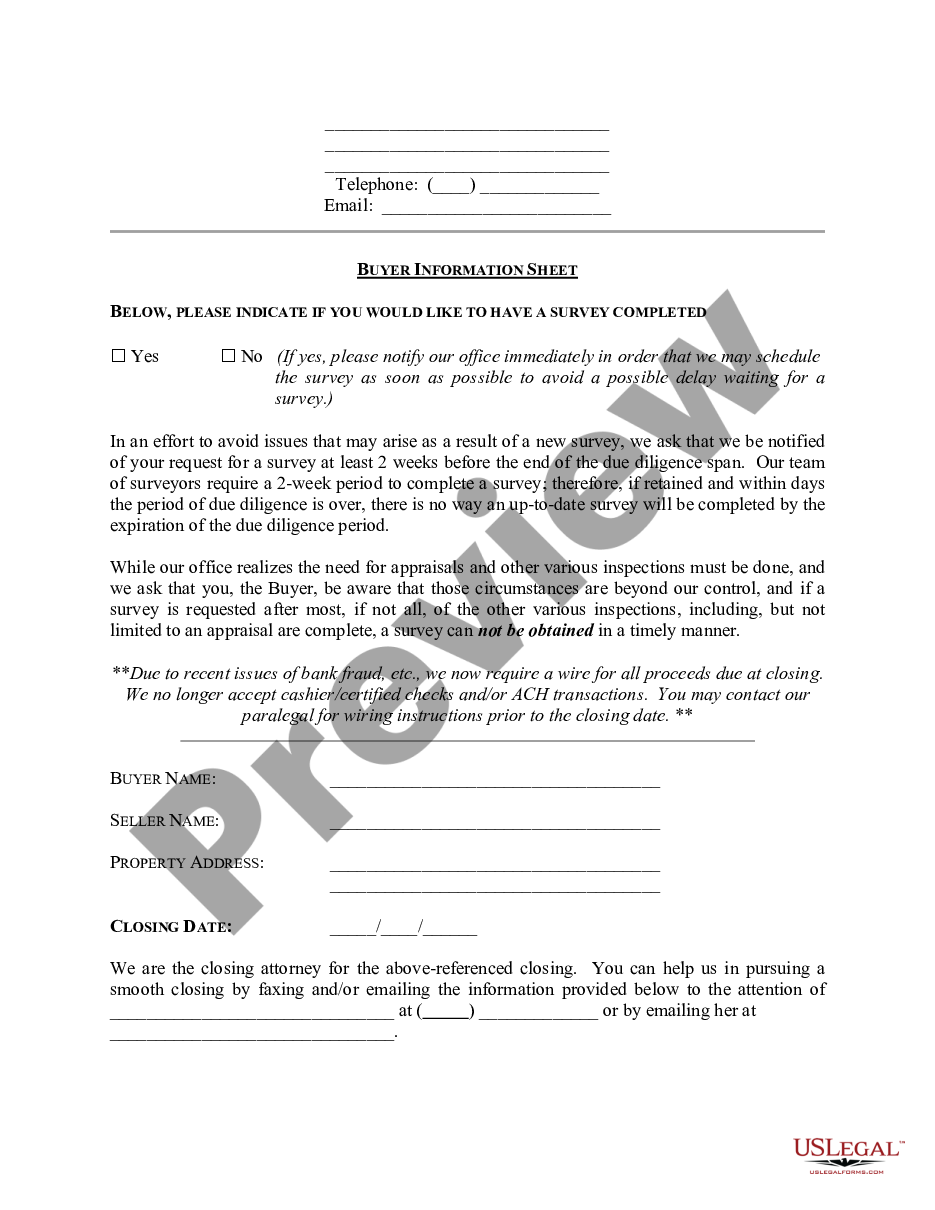
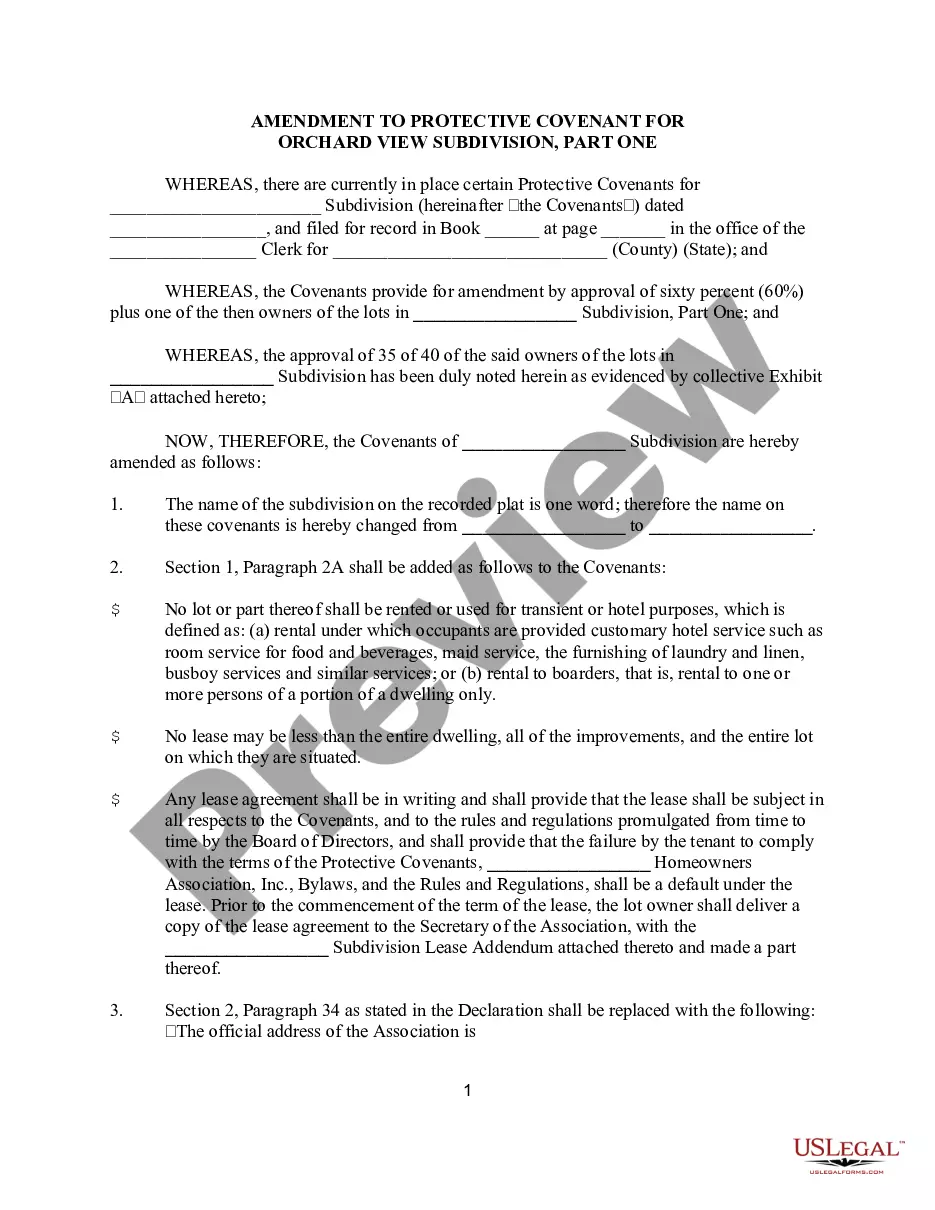


Form popularity
FAQ
Dismissal Without Prejudice: Allows the plaintiff to refile the case in the future, assuming no statute of limitations has elapsed.
The without prejudice (WP) rule will generally prevent statements made in a genuine attempt to settle an existing dispute, whether made in writing or orally, from being put before the court as evidence of admissions against the interests of the party which made them.
Motions to dismiss are usually based on the following legal deficiencies: Lack of subject matter jurisdiction: the court doesn't have the power to rule on the controversy.
The legal phrase “without prejudice” is short for “without prejudice to refiling.” It means the party who filed the lawsuit or motion can refile it again at a later date. Some examples of situations where this might occur include: The plaintiff filed their lawsuit in the wrong court.
That bright line or “two-dismissal” rule is: “If a plaintiff has once dismissed an action, a dismissal by notice of a second action based on or including the same claim, amounts to an adjudication on the merits.
Suppose the case is dismissed without prejudice. In that case, the district attorney will have another two years to refile charges before the statute of limitations expires. Contact our California criminal defense lawyers for more information.
At the dismissal hearing, the court must dismiss for want of prosecution unless there is good cause for the case to be maintained on the docket.
To file online, go to E-File Texas ( ) 11 and follow the instructions. To file in person, take your answer (and copies) to the district clerk's office in the county where the plaintiff filed the case. At the clerk's office: Turn in your answer form (and copies).
If a debt collector sues you in the state of Texas, you need to take action. First, fill out and file your answer form — this is your response to the lawsuit. Then, provide a copy of the filed (stamped) forms to the plaintiff (the debt collector) and keep a copy for your own records.