Legal Letter For Collections In Palm Beach
Description
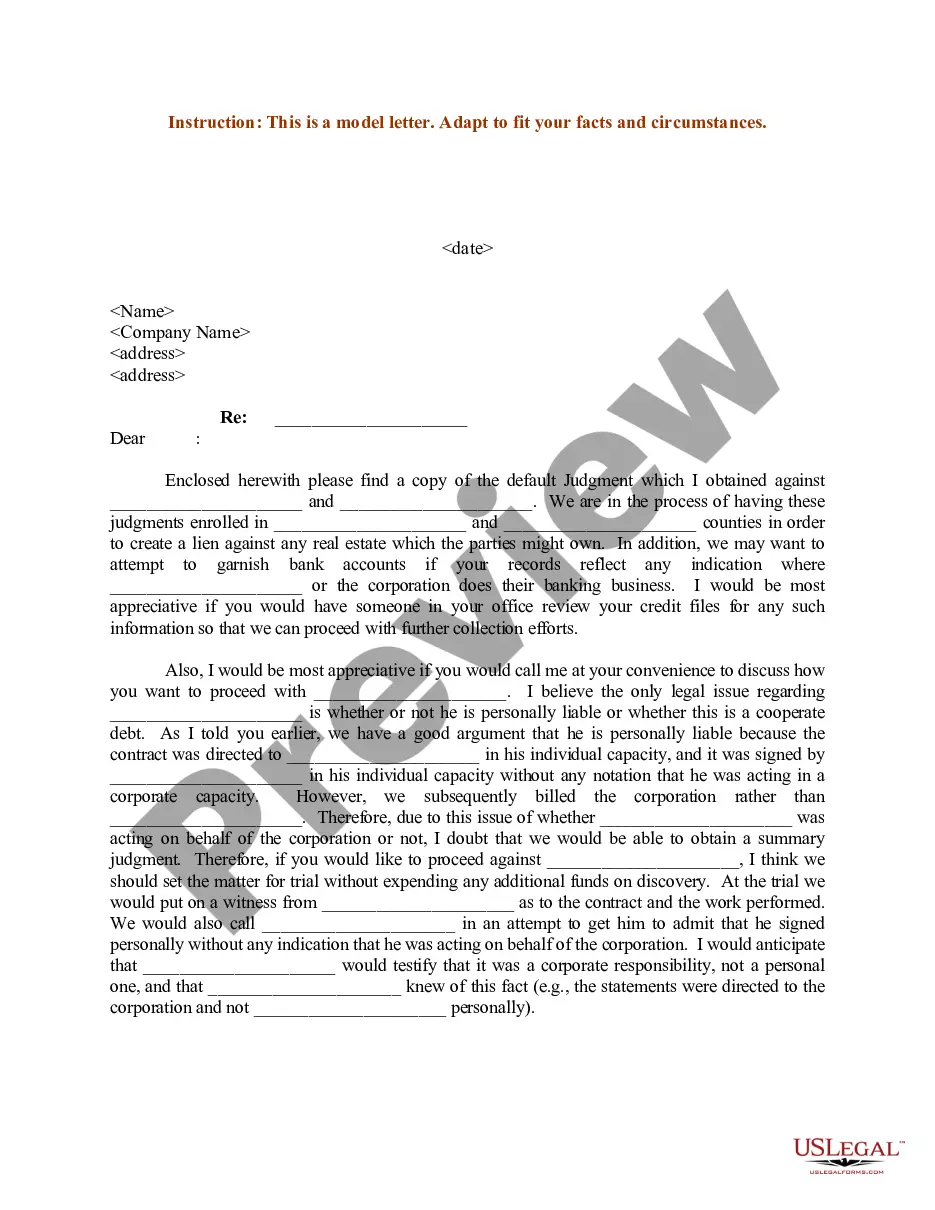
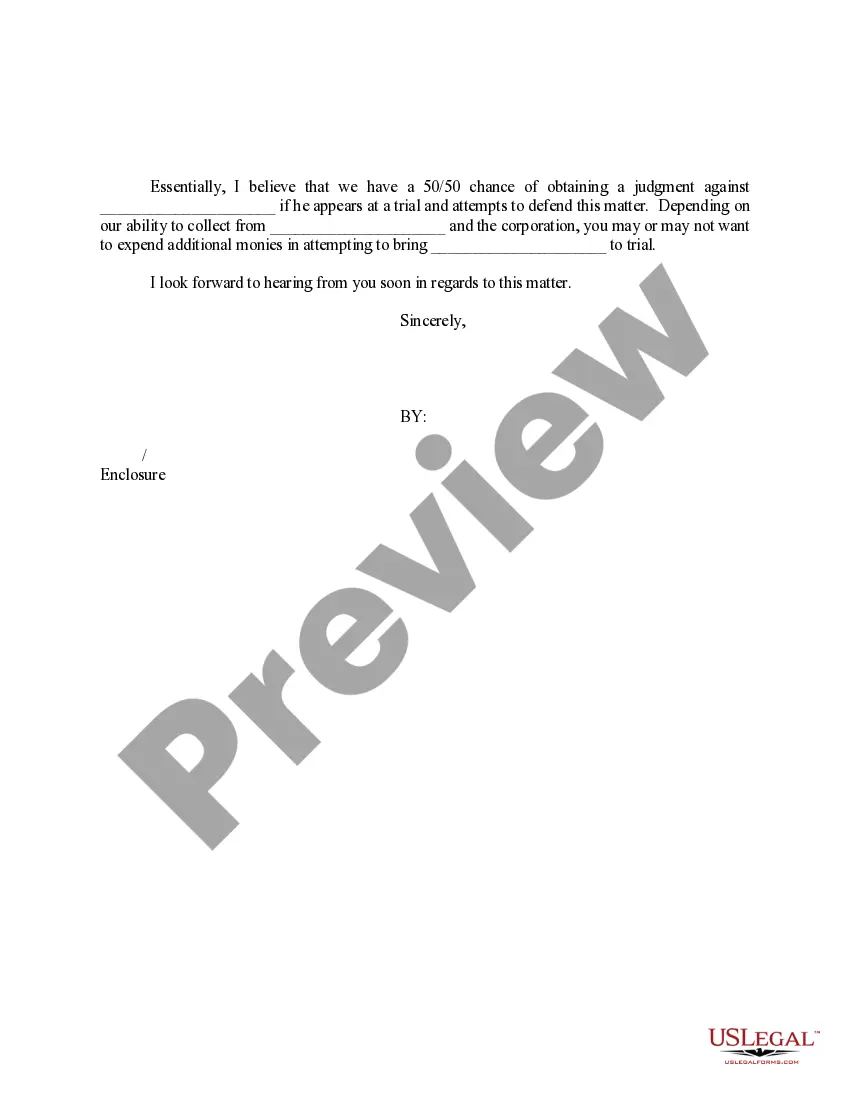
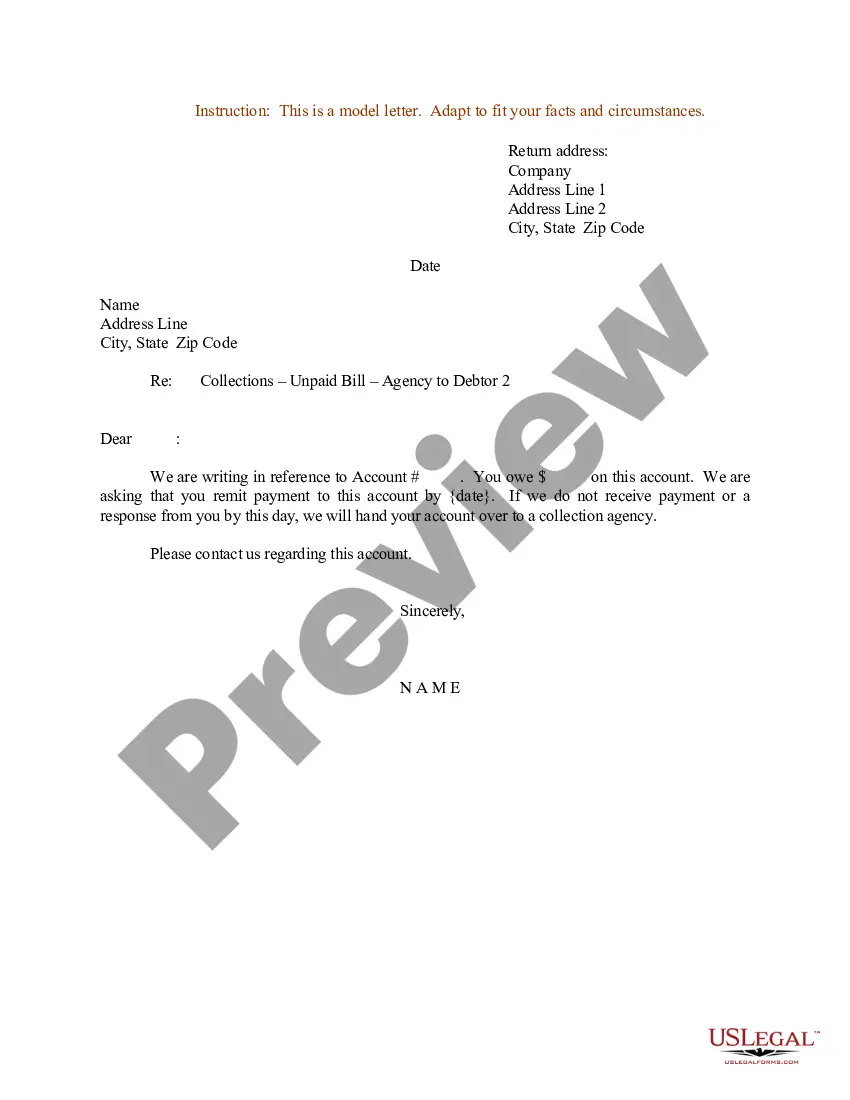
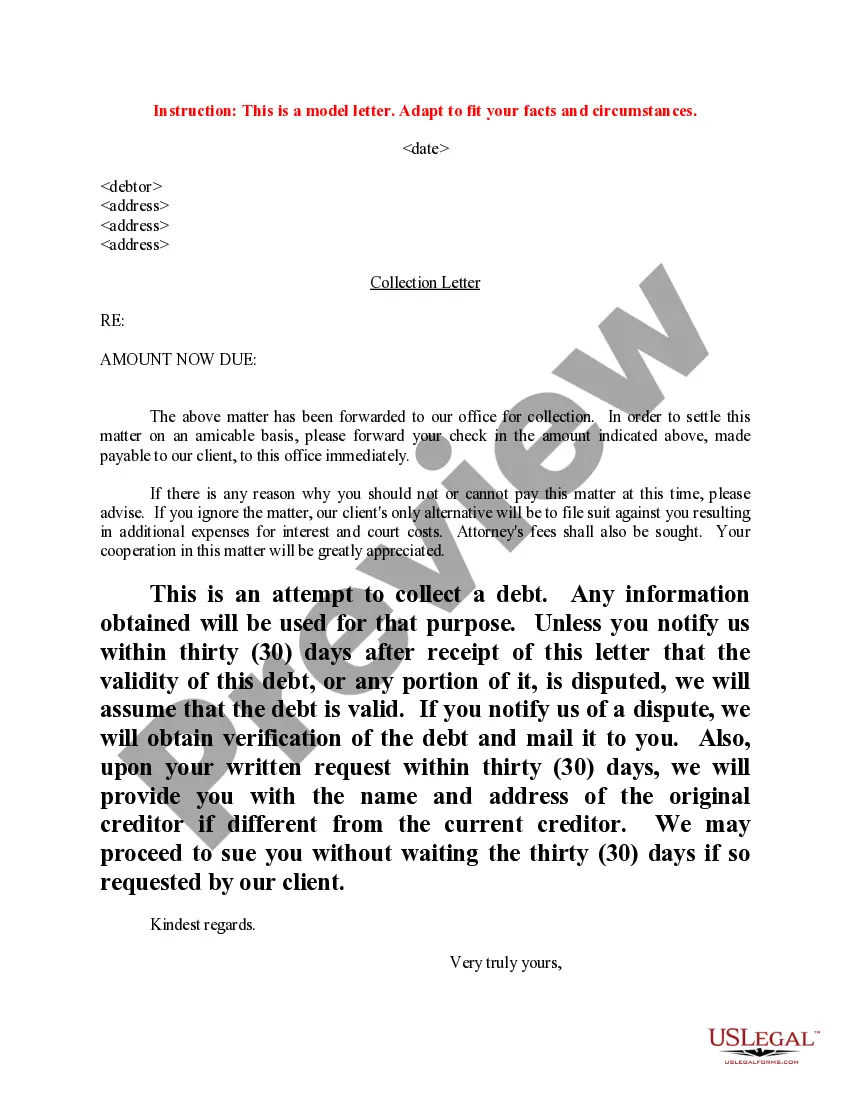
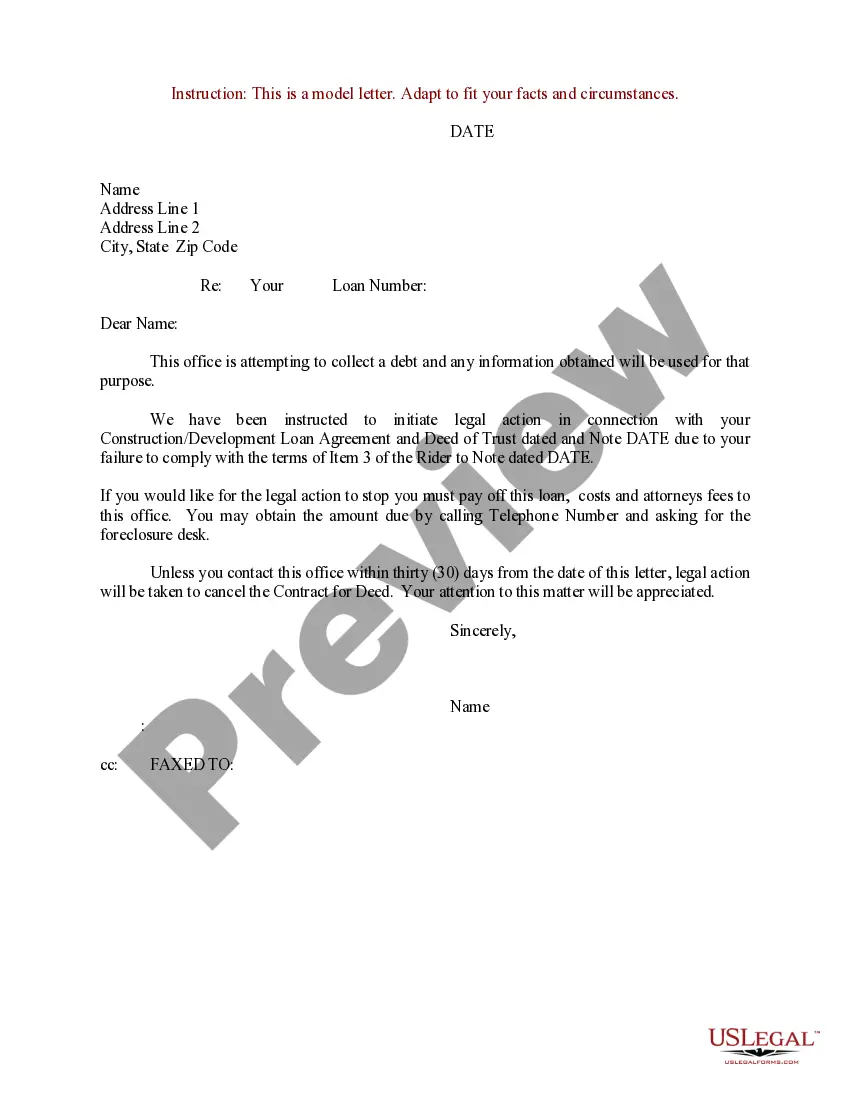
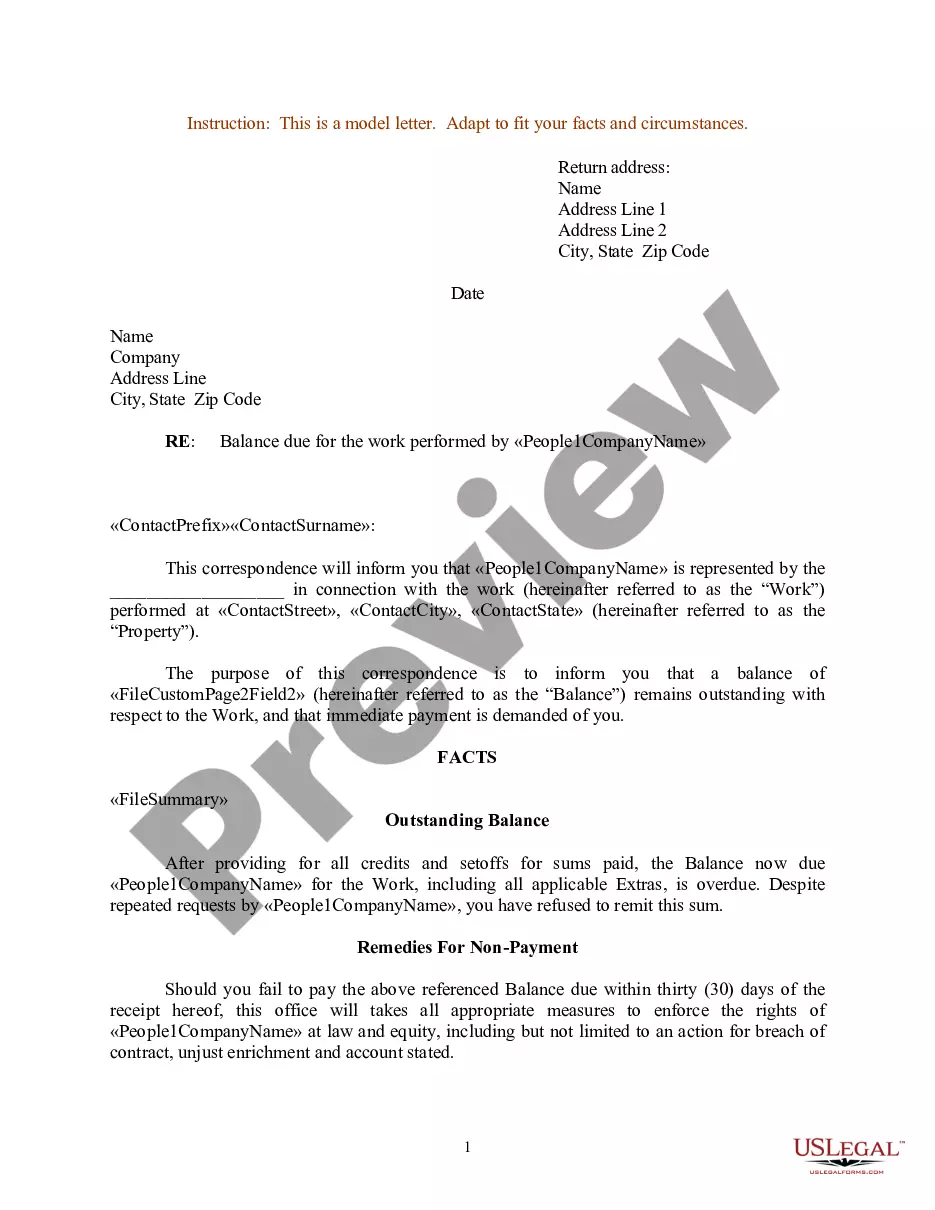
Get your form ready online
Our built-in tools help you complete, sign, share, and store your documents in one place.
Make edits, fill in missing information, and update formatting in US Legal Forms—just like you would in MS Word.
Download a copy, print it, send it by email, or mail it via USPS—whatever works best for your next step.
Sign and collect signatures with our SignNow integration. Send to multiple recipients, set reminders, and more. Go Premium to unlock E-Sign.
If this form requires notarization, complete it online through a secure video call—no need to meet a notary in person or wait for an appointment.
We protect your documents and personal data by following strict security and privacy standards.

Make edits, fill in missing information, and update formatting in US Legal Forms—just like you would in MS Word.

Download a copy, print it, send it by email, or mail it via USPS—whatever works best for your next step.

Sign and collect signatures with our SignNow integration. Send to multiple recipients, set reminders, and more. Go Premium to unlock E-Sign.

If this form requires notarization, complete it online through a secure video call—no need to meet a notary in person or wait for an appointment.

We protect your documents and personal data by following strict security and privacy standards.
Looking for another form?
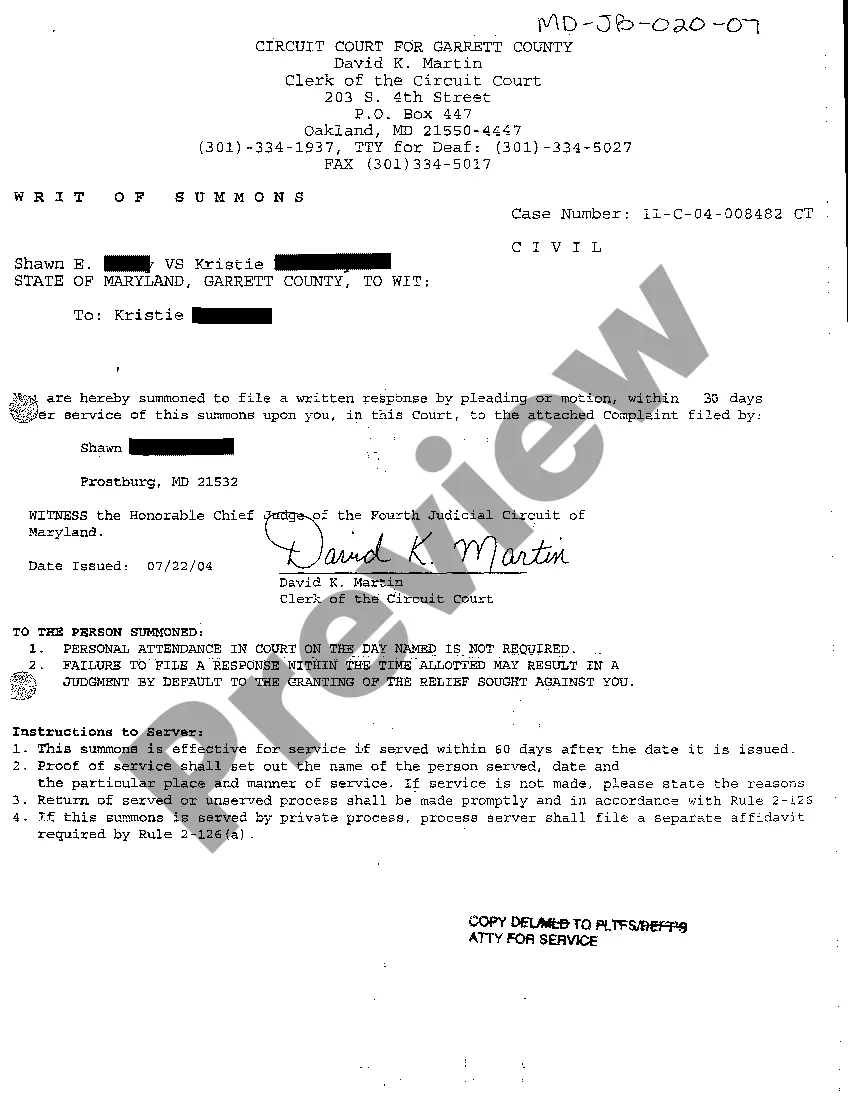
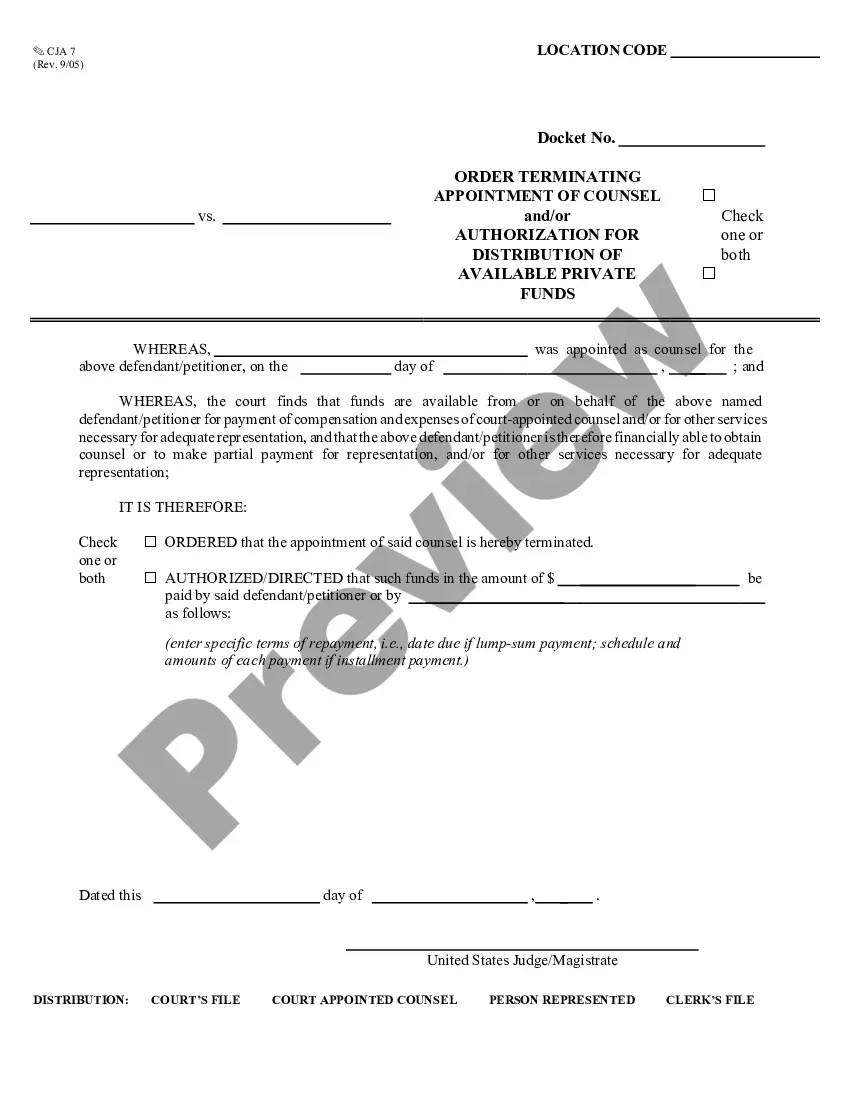



Form popularity
FAQ
Whenever someone tries to collect a debt, ask for all of their company's information, including: The collector's full name. Company name. Company address. Company phone number. Company website address. Company email.
Specifically, the rule states that a debt collector cannot: Make more than seven calls within a seven-day period to a consumer regarding a specific debt. Call a consumer within seven days after having a telephone conversation about that debt.
Specifically, the rule states that a debt collector cannot: Make more than seven calls within a seven-day period to a consumer regarding a specific debt. Call a consumer within seven days after having a telephone conversation about that debt.
To respond, you should draft and file an Answer to the Summons and Complaint. In your Answer document, it's best to respond to each claim against you and assert your affirmative defenses. SoloSuit can help you draft and file an Answer to your Florida lawsuit in minutes.
The 11-word phrase often cited to stop debt collectors is: ``I do not acknowledge this debt and request verification of it.'' This phrase requests that the debt collector provide verification of the debt, which they are legally obligated to do under the Fair Debt Collection Practices Act (FDCPA) in the United States.
What Are the Rules for Sending Someone to Collections? Verify the Debt. Confirm that the debt reflects what the customer owes. Provide Written Notice. Send the debtor a written notice of the debt. Follow State Laws. Respect Consumer Rights. Use Ethical Practices.
These letters often include details like the amount owed, the due date, and any applicable interest or late fees. It's important to note that debt collection letters should adhere to legal regulations and guidelines, such as those outlined by the Fair Debt Collection Practices Act (FDCPA) in the United States.
Include your full name, company name, and mailing address. Address the letter to your client by their full name. State the problem: Specify and provide proof of the debt in question. Reference the original contract or agreement that states the services the client owes you for.
“Local jurisdiction” means the territory comprising Johor, Kedah, Kelantan, Malacca, Negri Sembilan, Pahang, Penang, Perak, Perlis, Selangor, Terenganu and the Federal Territory of Kuala Lumpur; in the case of the High Court in Sabah and Sarawak, the territory covers Sabah, Sarawak and the Federal Territory of Labuan.
County Civil Court has jurisdiction over claims up to and including $50,000. A County Civil case is any civil matter that falls within the jurisdiction of County Court. Detail may be found in Chapter 34, Florida Statutes.
