Letters Legal Collections Without Prejudice In Massachusetts
Description
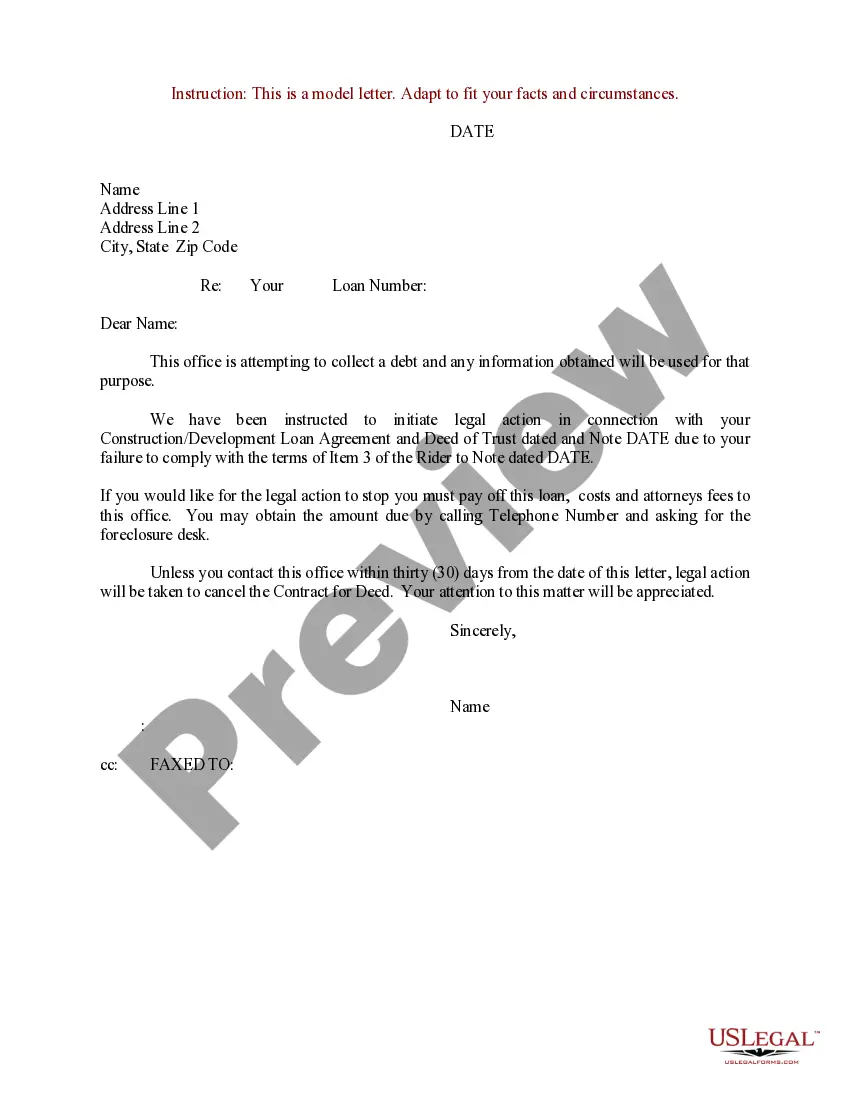
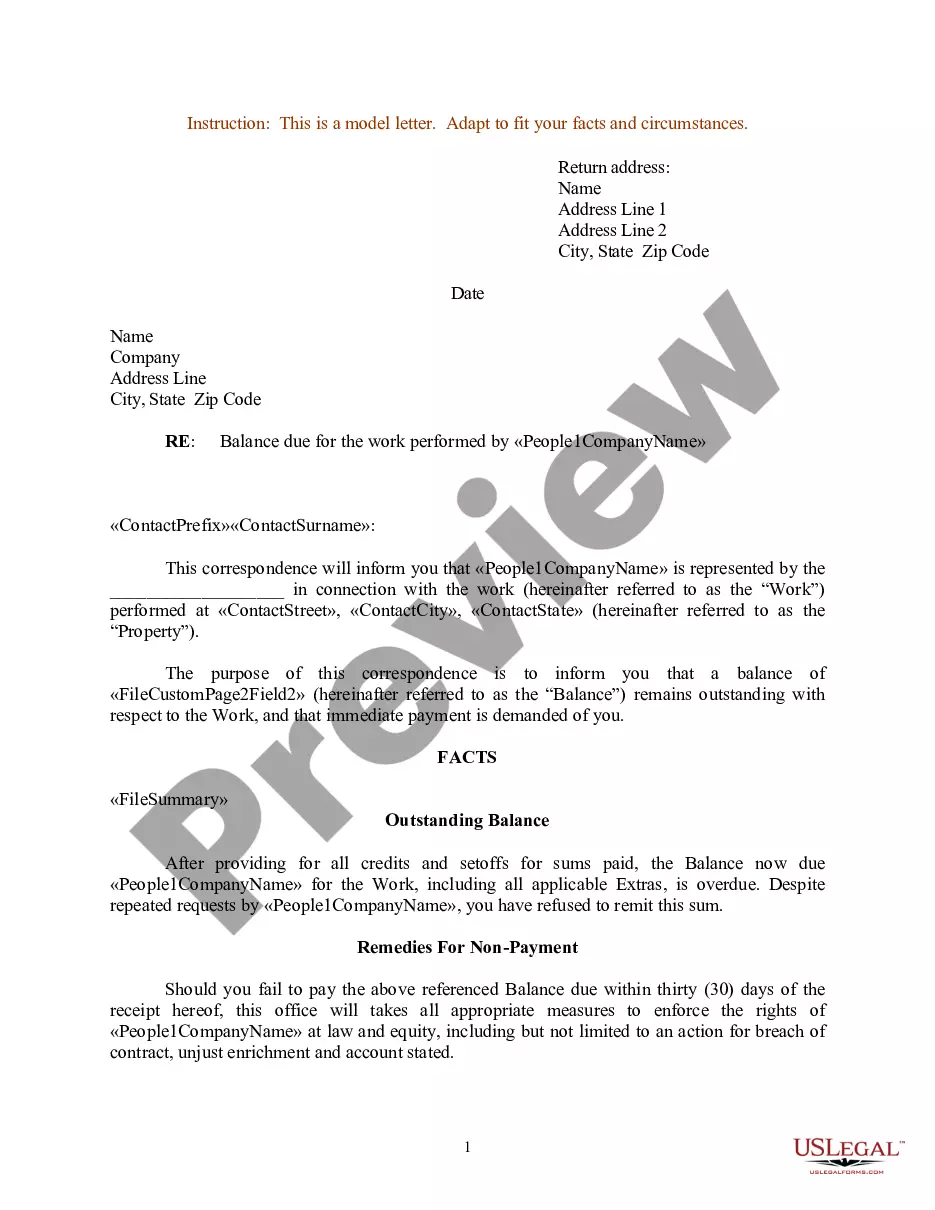
Get your form ready online
Our built-in tools help you complete, sign, share, and store your documents in one place.
Make edits, fill in missing information, and update formatting in US Legal Forms—just like you would in MS Word.
Download a copy, print it, send it by email, or mail it via USPS—whatever works best for your next step.
Sign and collect signatures with our SignNow integration. Send to multiple recipients, set reminders, and more. Go Premium to unlock E-Sign.
If this form requires notarization, complete it online through a secure video call—no need to meet a notary in person or wait for an appointment.
We protect your documents and personal data by following strict security and privacy standards.

Make edits, fill in missing information, and update formatting in US Legal Forms—just like you would in MS Word.

Download a copy, print it, send it by email, or mail it via USPS—whatever works best for your next step.

Sign and collect signatures with our SignNow integration. Send to multiple recipients, set reminders, and more. Go Premium to unlock E-Sign.

If this form requires notarization, complete it online through a secure video call—no need to meet a notary in person or wait for an appointment.

We protect your documents and personal data by following strict security and privacy standards.
Looking for another form?
Form popularity
FAQ
Debt collectors cannot harass or abuse you. They cannot swear, threaten to illegally harm you or your property, threaten you with illegal actions, or falsely threaten you with actions they do not intend to take. They also cannot make repeated calls over a short period to annoy or harass you.
The Attorney General's debt collection regulations prohibit: Calling you at home more than twice for each debt in any seven-day period, or more than twice for each debt in any 30-day period at some place other than your home, such as your place of work. Calling you at work if you have requested that they not call.
The Attorney General's debt collection regulations prohibit: Calling you at home more than twice for each debt in any seven-day period, or more than twice for each debt in any 30-day period at some place other than your home, such as your place of work. Calling you at work if you have requested that they not call.
On November 30, 2021, the Debt Collection Rule became effective. The rule clarifies how debt collectors can communicate with you, including what information they're required to provide you.
Ignoring them often escalates collection attempts. They may contact you more frequently, file a lawsuit, garnish wages, or put liens on assets. For sample dispute letters, check out the CFPB's guide. Ignoring debt collectors might cause further issues.
If a bill that's reported to debt collection never came to you first, you can file a dispute with the credit bureaus. In your dispute letter, say that you were never notified of the debt.
They could file a judgment against you and if you don't show up in court they can get a default judgment that can allow them to start garnishing your wages or place a lien on your house. They eventually give up and sell your debt to another debt collector who will start all over again trying to collect the debt.
The debt collector may file a lawsuit against you if you ignore the calls and letters. If you then ignore the lawsuit, this could lead to a judgment and the collection agency may be able to garnish your wages or go after the funds in your bank account.
Generally, there is a six year statute of limitations for filing a lawsuit to collect upon a debt, and a seven year statute for reporting bad credit, but there is no statute of limitations on billing for bad debts.
