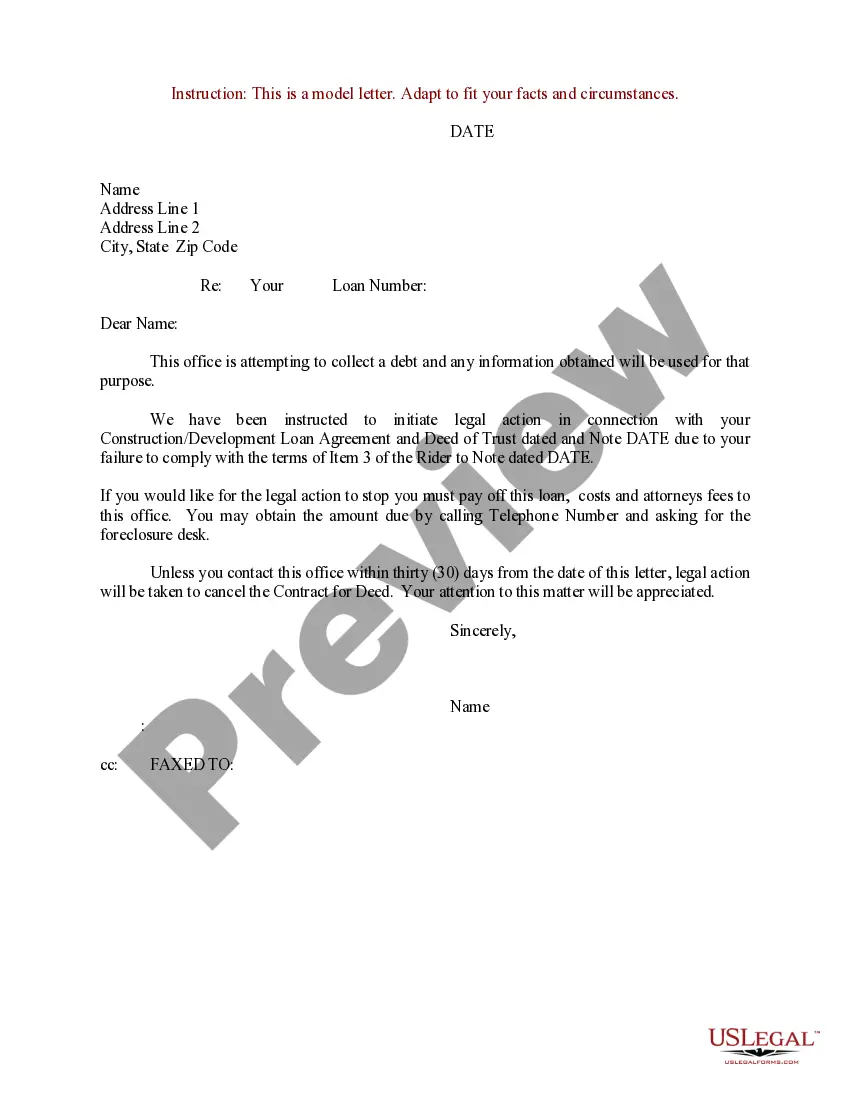
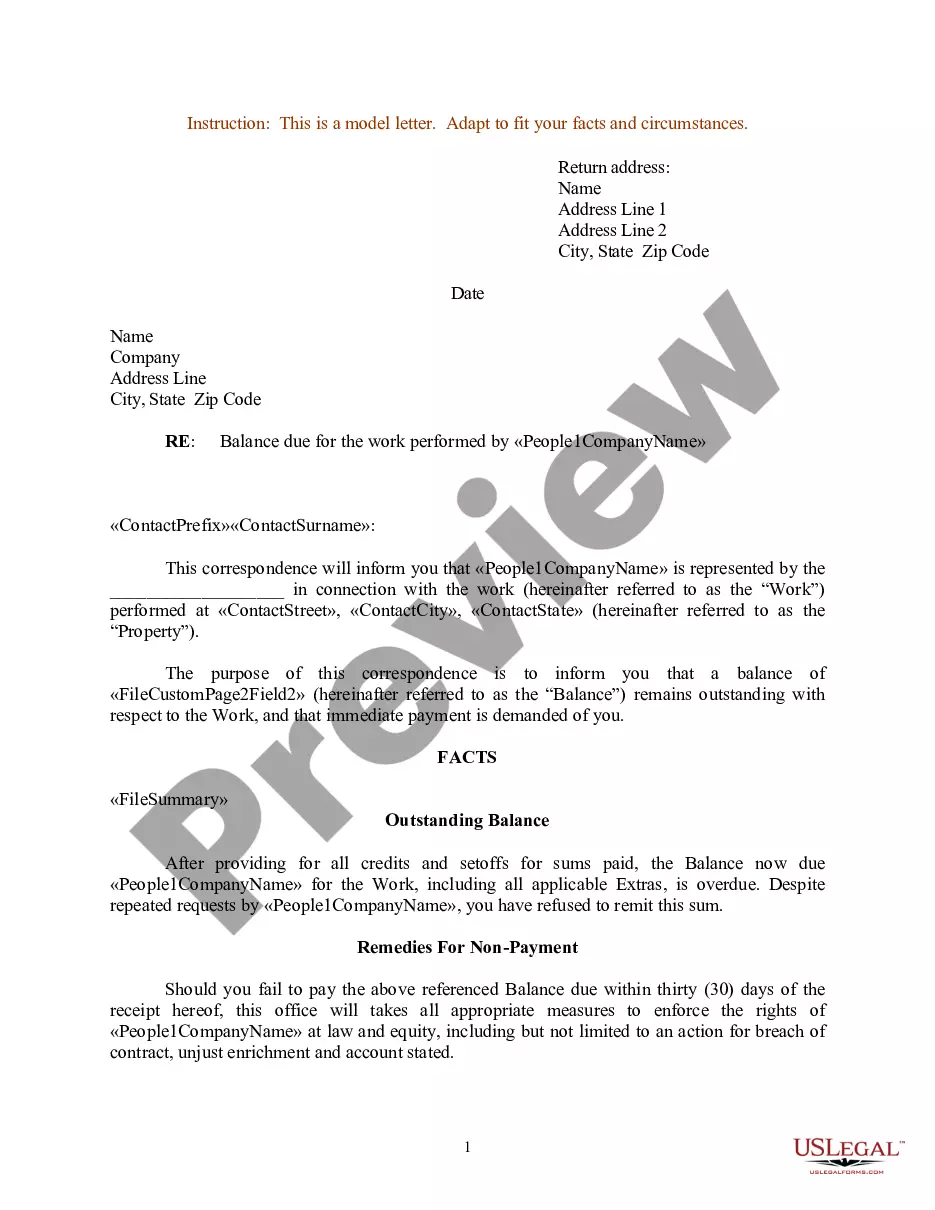
Letters Legal Collections Without Prejudice In Hennepin
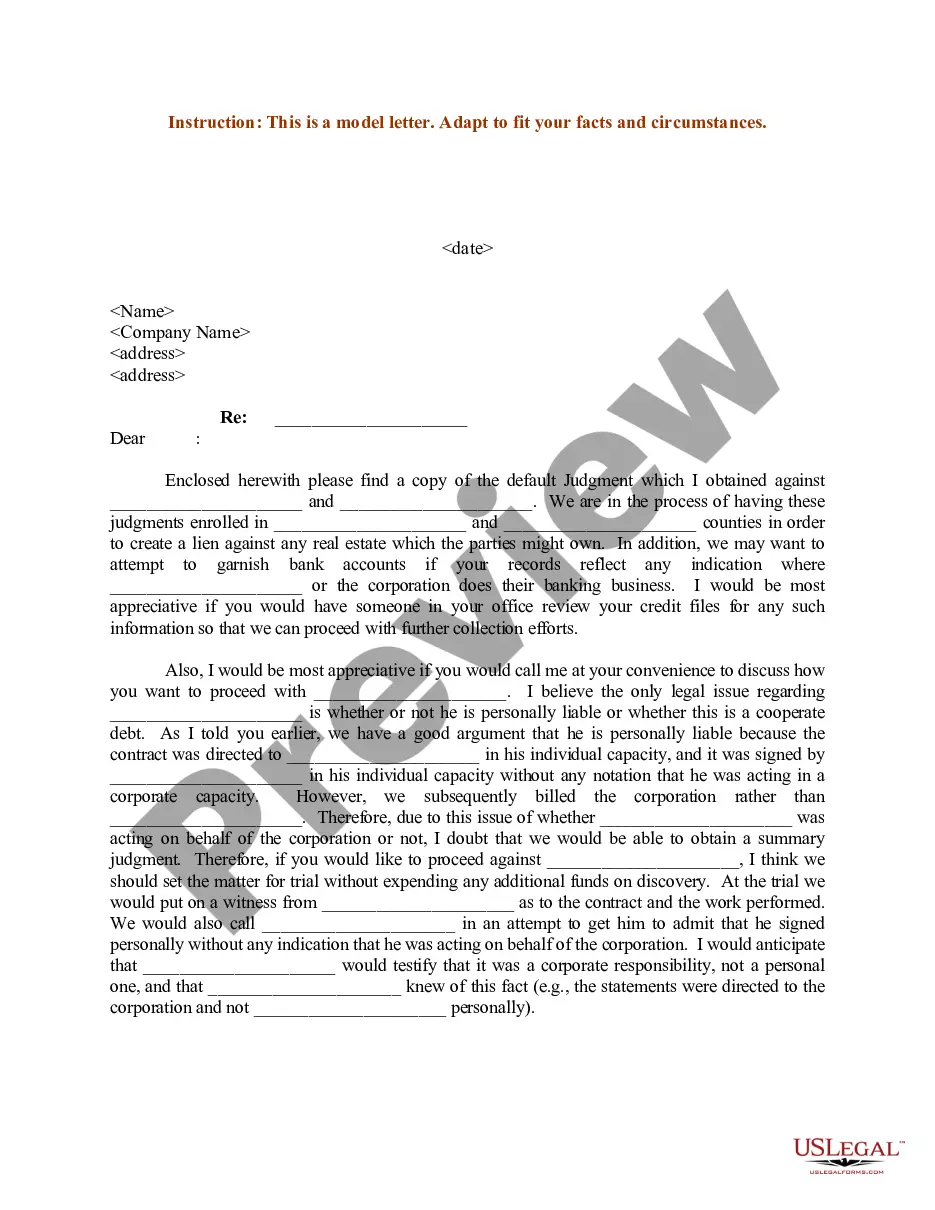
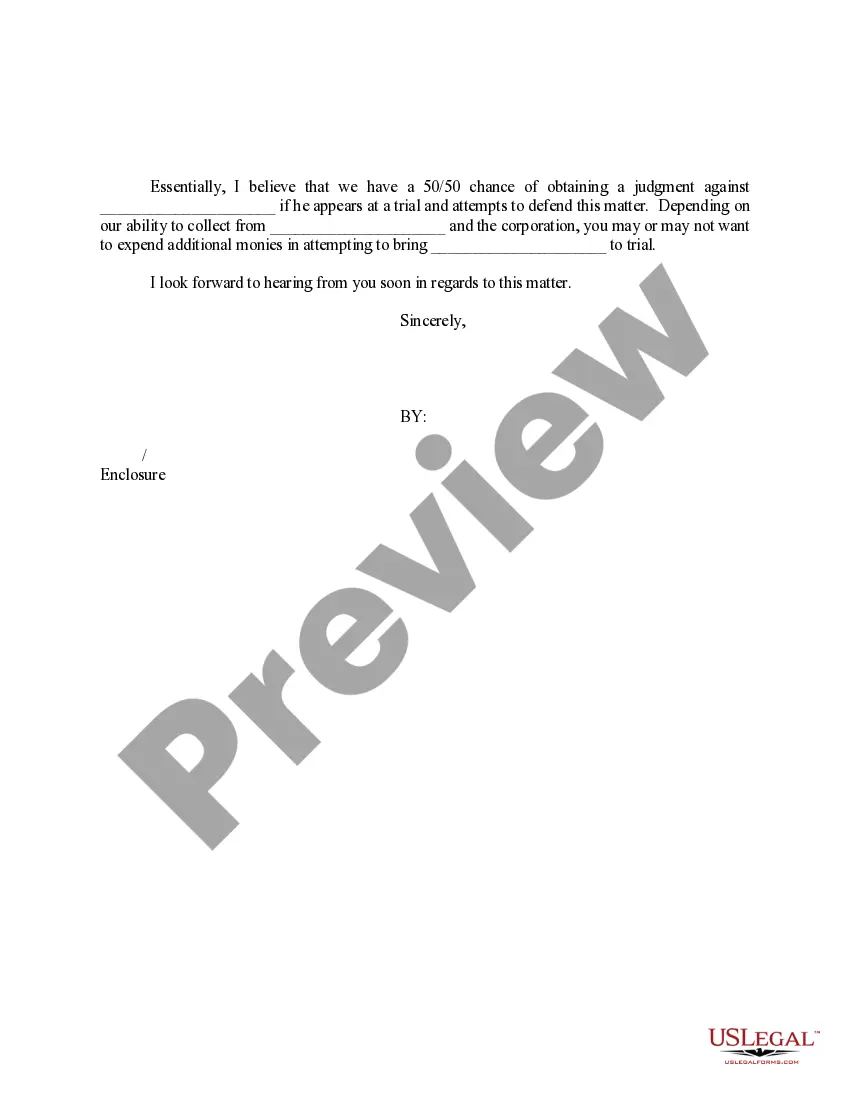
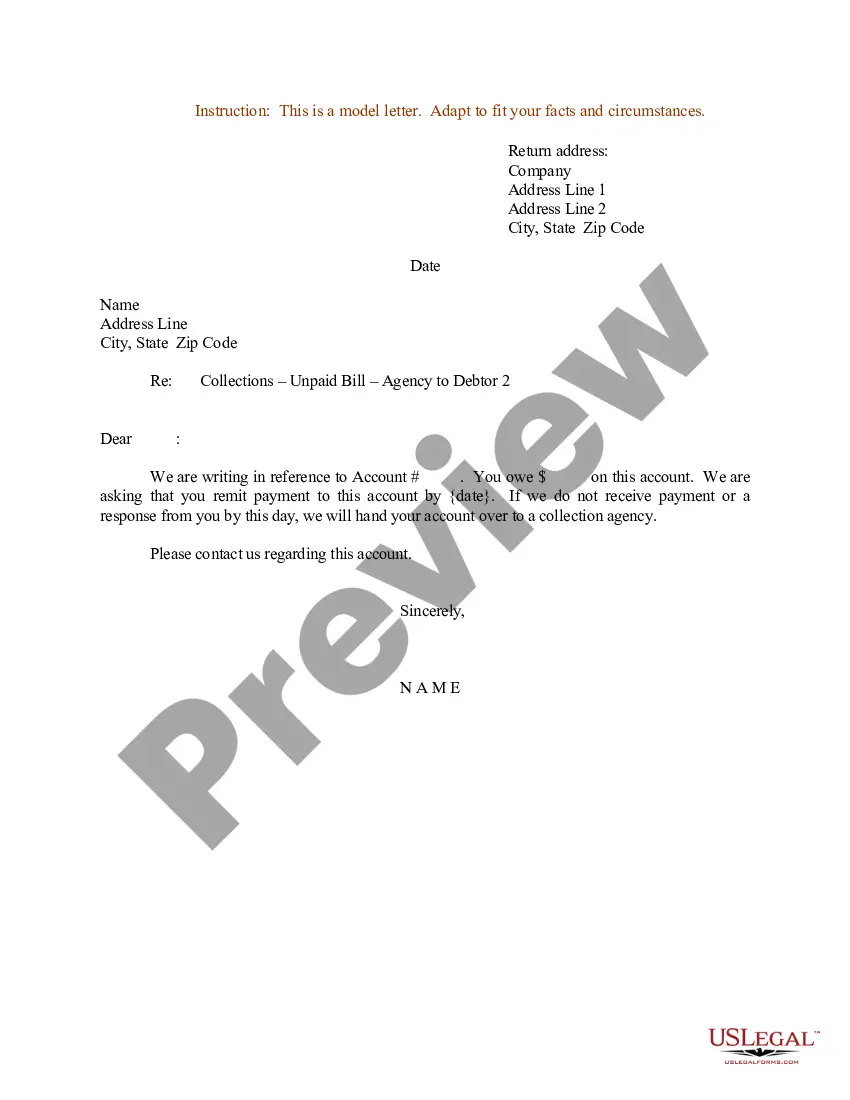
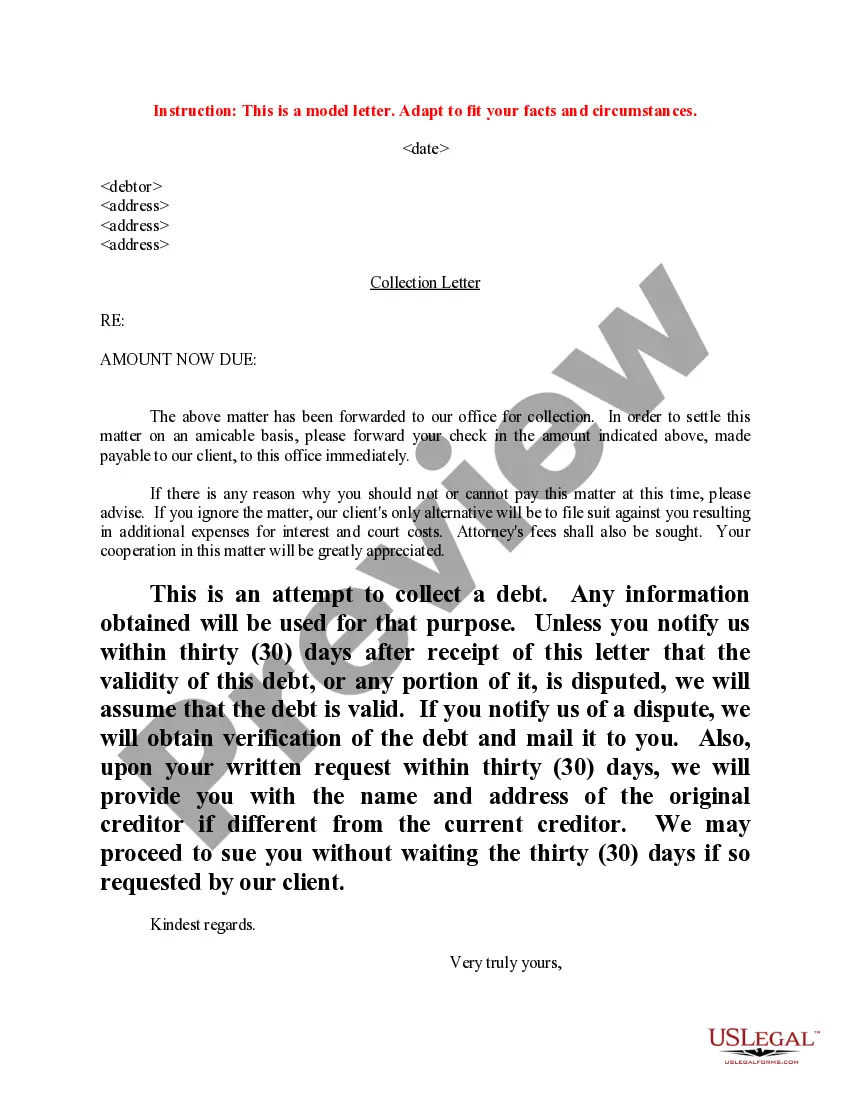
Description
Get your form ready online
Our built-in tools help you complete, sign, share, and store your documents in one place.
Make edits, fill in missing information, and update formatting in US Legal Forms—just like you would in MS Word.
Download a copy, print it, send it by email, or mail it via USPS—whatever works best for your next step.
Sign and collect signatures with our SignNow integration. Send to multiple recipients, set reminders, and more. Go Premium to unlock E-Sign.
If this form requires notarization, complete it online through a secure video call—no need to meet a notary in person or wait for an appointment.
We protect your documents and personal data by following strict security and privacy standards.

Make edits, fill in missing information, and update formatting in US Legal Forms—just like you would in MS Word.

Download a copy, print it, send it by email, or mail it via USPS—whatever works best for your next step.

Sign and collect signatures with our SignNow integration. Send to multiple recipients, set reminders, and more. Go Premium to unlock E-Sign.

If this form requires notarization, complete it online through a secure video call—no need to meet a notary in person or wait for an appointment.

We protect your documents and personal data by following strict security and privacy standards.
Looking for another form?






Form popularity
FAQ
Ignoring a debt collector can escalate collection efforts. This can include lawsuits, credit score damage, and wage garnishment.
Ignoring them often escalates collection attempts. They may contact you more frequently, file a lawsuit, garnish wages, or put liens on assets. For sample dispute letters, check out the CFPB's guide. Ignoring debt collectors might cause further issues.
How long can a case be dismissed without prejudice? A case can be dismissed without prejudice for as long as it takes the plaintiff to file a new case for the same claim. If the statute of limitations expires before the plaintiff files a new case, they might not have legal grounds to open up the new case.
The dismissal ``without prejudice'' does not mean that you won the issue regarding the debt. It just means that the creditor stopped fighting in court without conceding that you won. So the dismissal ``without prejudice'' does not necessarily help your argument to remove this from your credit report.
You can't be arrested or go to jail just for not paying consumer debts like credit cards, medical bills, or utility bills. However, in some cases, unpaid debt can lead to arrest, especially if it involves: Child support. Tax-related offenses, like tax fraud or evasion.
Under Minnesota law, a lawsuit based on an unpaid debt expires if it is not started within six years of when the account was last used or the last payment on the debt, whichever is later.
Use this 11-word phrase to stop debt collectors: “Please cease and desist all calls and contact with me immediately.” You can use this phrase over the phone, in an email or letter, or both.
The Debt Fairness Act ensures unpaid bills will not stop you from receiving necessary medical care. This means health care providers cannot withhold treatment based on your outstanding medical debt. It also provides stronger protections for patients when disputing incorrect coding or billing of medical care.
Debt collection thresholds vary widely and depend on several factors. While there's no legal minimum, practical limitations often determine the smallest debt amount collection agencies will pursue.
