Legal Letter For Collections In Dallas
Description
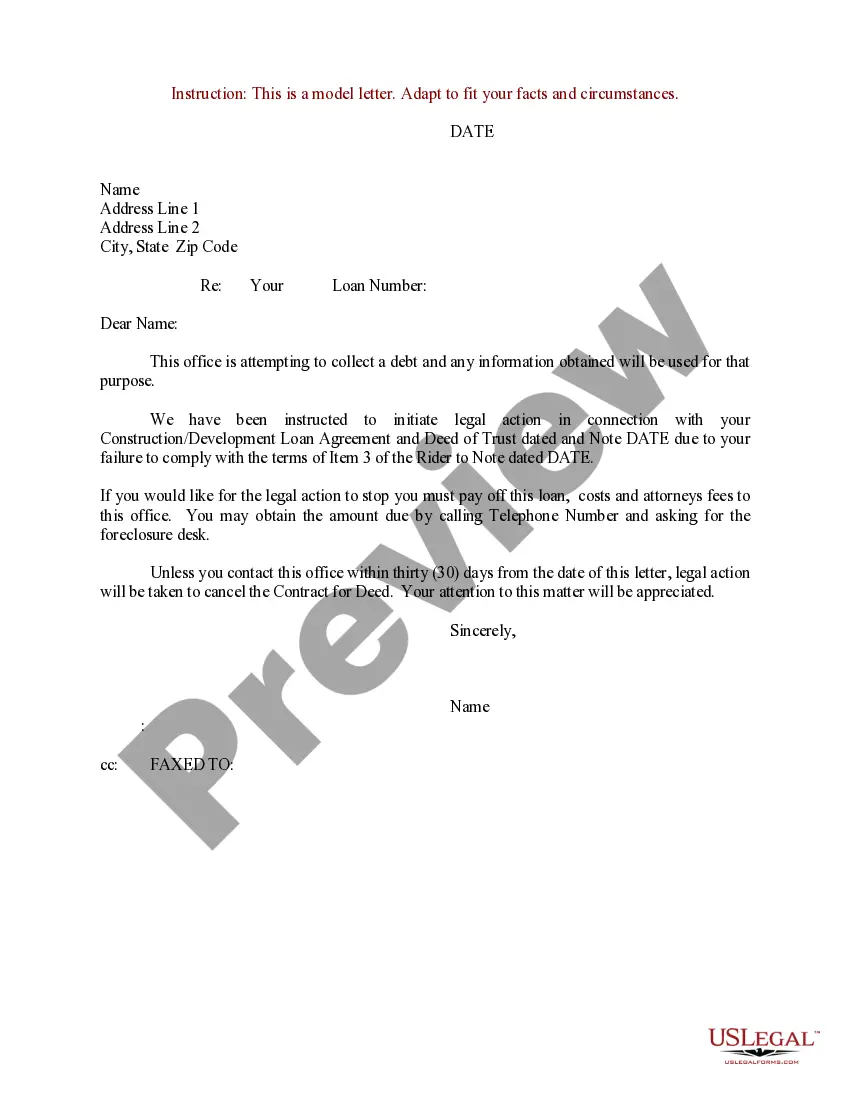
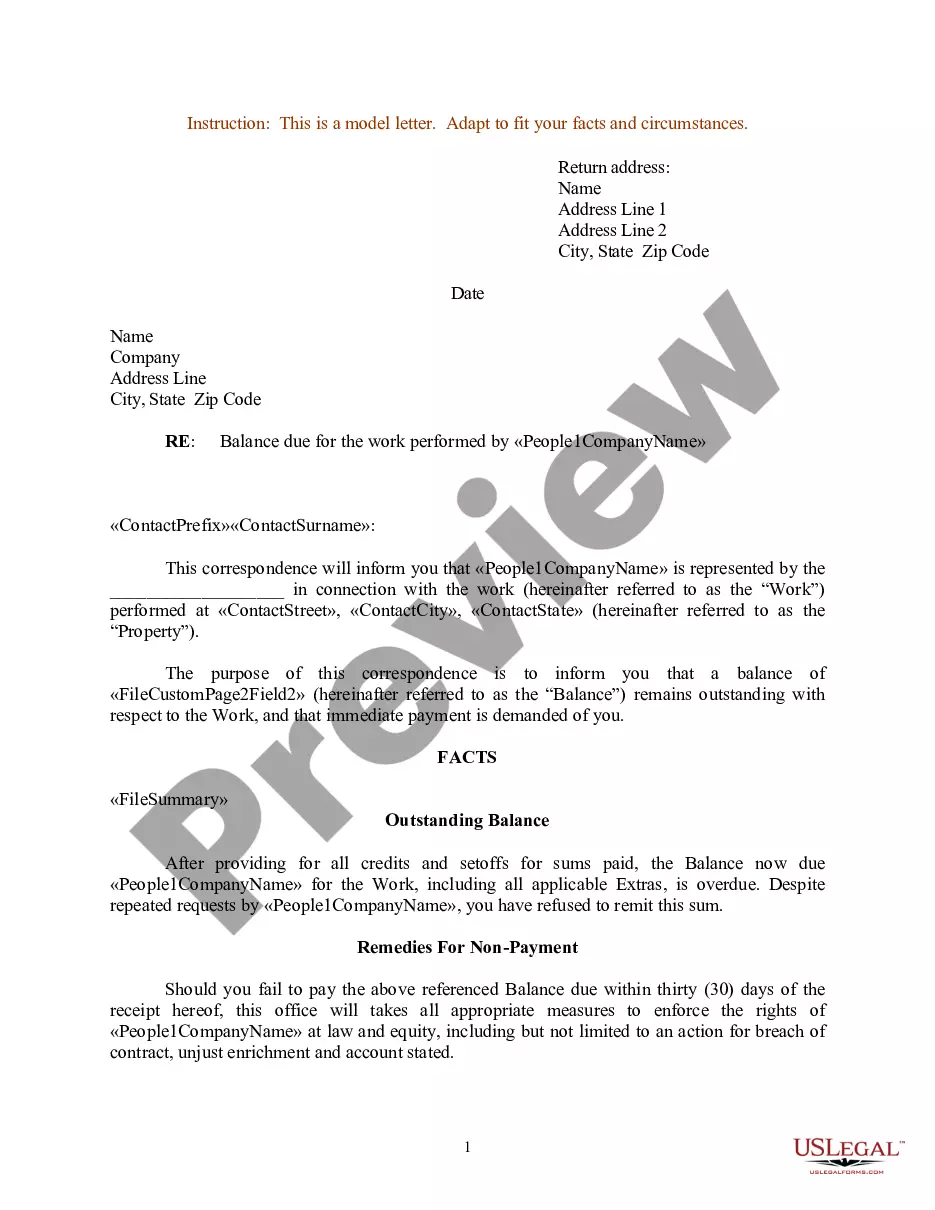
Get your form ready online
Our built-in tools help you complete, sign, share, and store your documents in one place.
Make edits, fill in missing information, and update formatting in US Legal Forms—just like you would in MS Word.
Download a copy, print it, send it by email, or mail it via USPS—whatever works best for your next step.
Sign and collect signatures with our SignNow integration. Send to multiple recipients, set reminders, and more. Go Premium to unlock E-Sign.
If this form requires notarization, complete it online through a secure video call—no need to meet a notary in person or wait for an appointment.
We protect your documents and personal data by following strict security and privacy standards.

Make edits, fill in missing information, and update formatting in US Legal Forms—just like you would in MS Word.

Download a copy, print it, send it by email, or mail it via USPS—whatever works best for your next step.

Sign and collect signatures with our SignNow integration. Send to multiple recipients, set reminders, and more. Go Premium to unlock E-Sign.

If this form requires notarization, complete it online through a secure video call—no need to meet a notary in person or wait for an appointment.

We protect your documents and personal data by following strict security and privacy standards.
Looking for another form?
Form popularity
FAQ
Specifically, the rule states that a debt collector cannot: Make more than seven calls within a seven-day period to a consumer regarding a specific debt. Call a consumer within seven days after having a telephone conversation about that debt.
How Do You Fill Out an Answer Form? Step 1: Deny or Verify the Pleas From the Complaint. Step 2: Raise Your Defenses and Counterclaims. Step 3: Sign the Unsworn Declaration. Step 4: Fill Out the Certificate of Service. Step 5: File Your Forms With the Justice Court Clerk Within 14 Days.
The short answer is yes. Consumers can sue if a creditor has falsely reported them to debt collection. However, there are many ways that creditors, credit reporting agencies, and debt collectors can violate your rights.
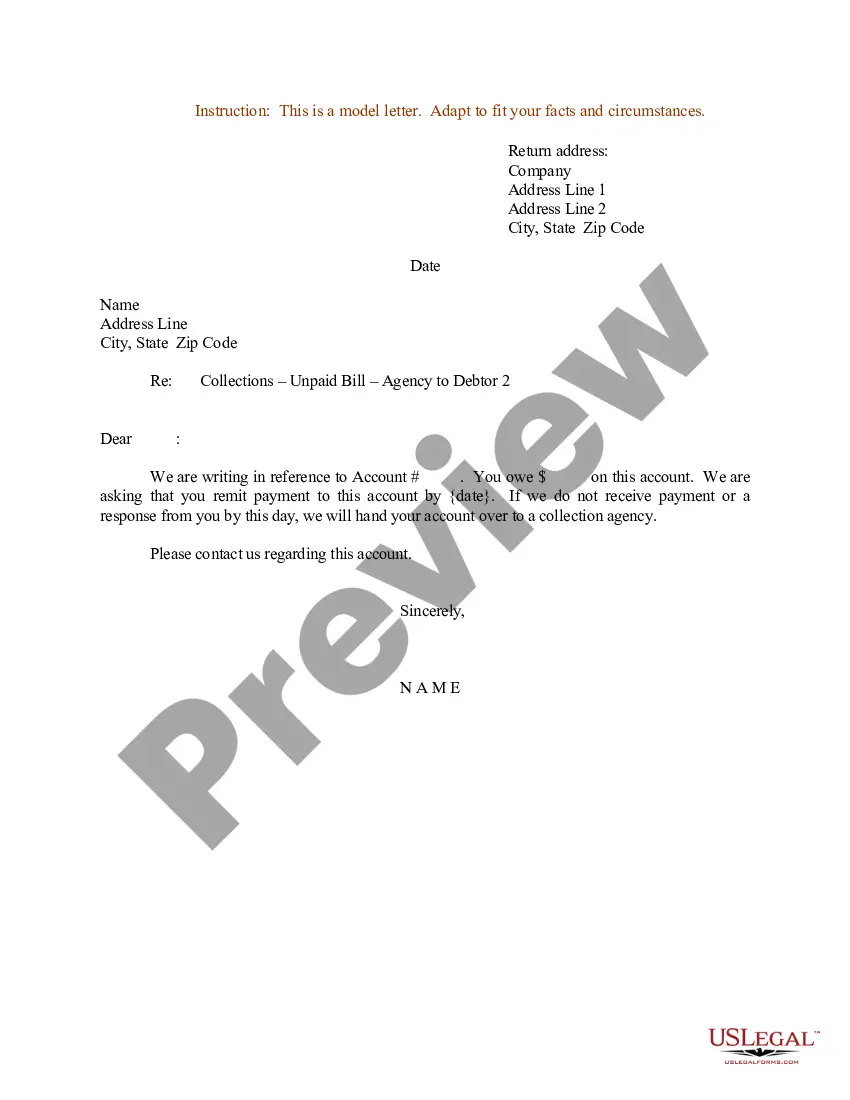
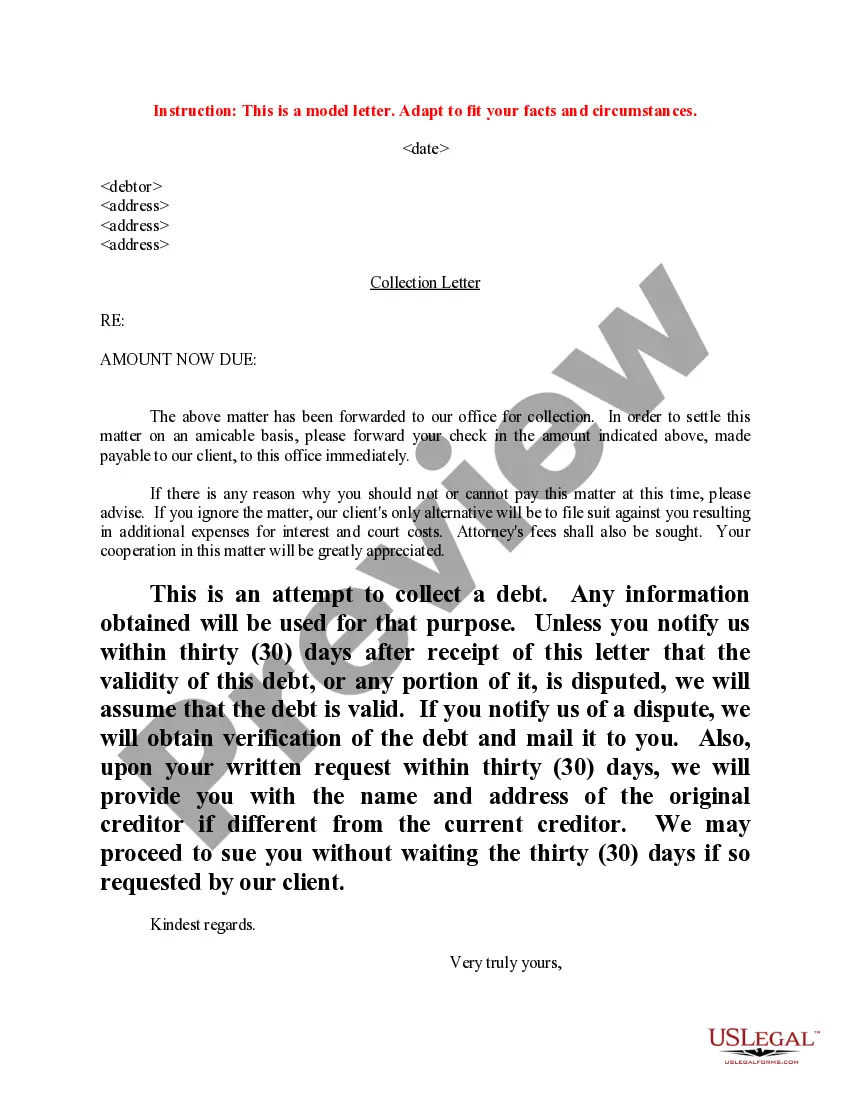
What Are the Rules for Sending Someone to Collections? Verify the Debt. Confirm that the debt reflects what the customer owes. Provide Written Notice. Send the debtor a written notice of the debt. Follow State Laws. Respect Consumer Rights. Use Ethical Practices.
If you're wondering how to send someone to collections, contact the Collections Bureau of America.
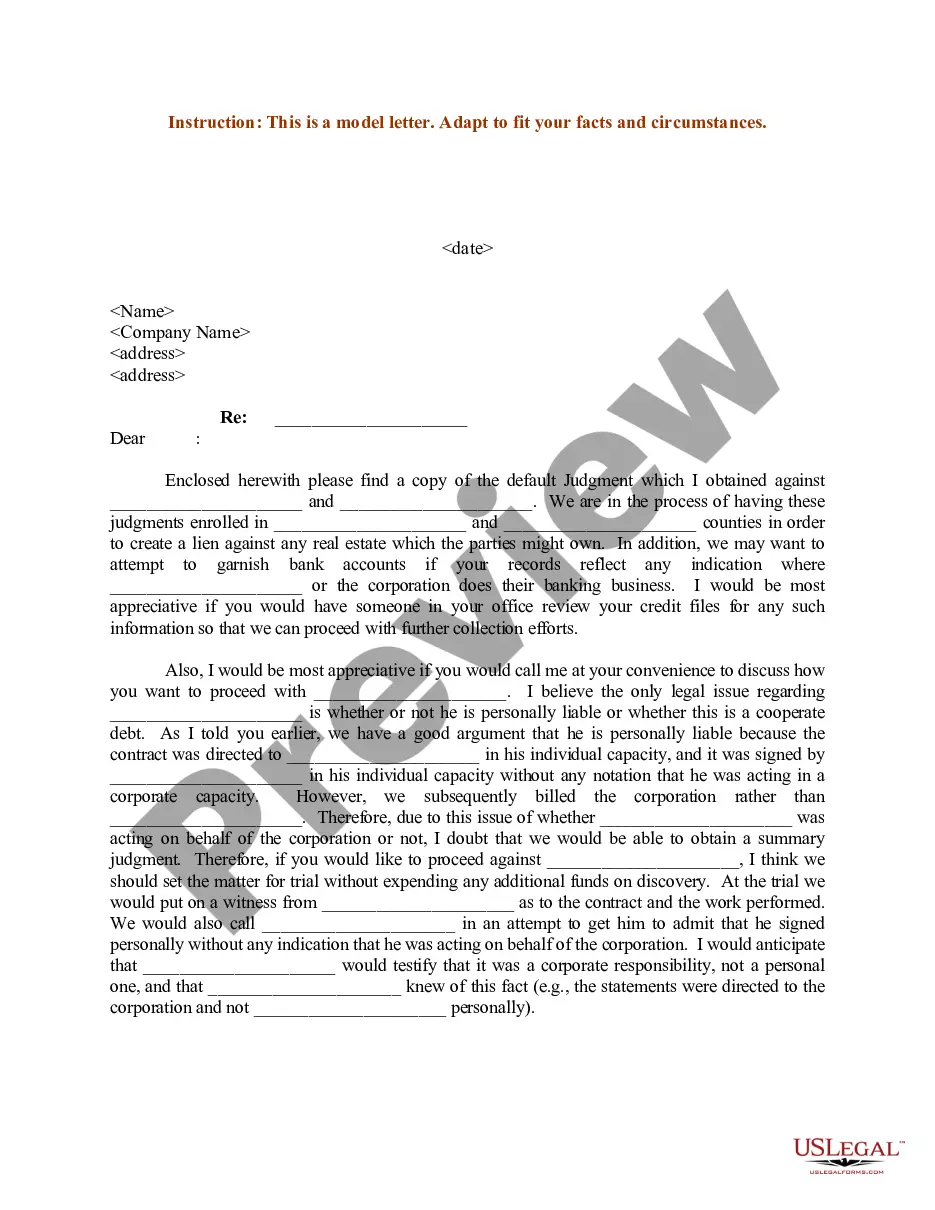
In business transactions. You might receive a letter regarding the terms of a contract or anyMoreIn business transactions. You might receive a letter regarding the terms of a contract or any breaches of the agreement. This could include requests for documentation.
Law firms often use postal mail to deliver legal notices and summonses to individuals involved in legal proceedings. These documents are crucial for notifying parties about legal actions being taken against them or requiring their presence in court.
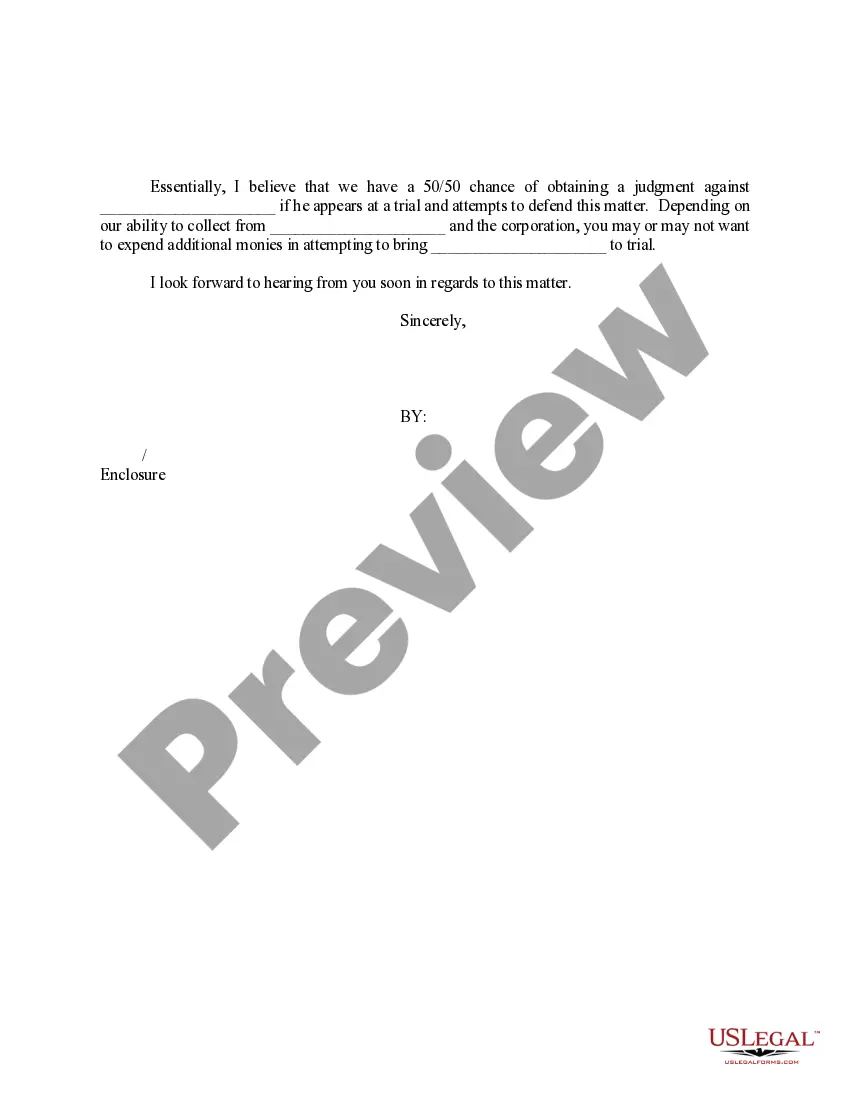
Some lawyers send letters during litigation in an attempt to settle outstanding issues. Some lawyers send letters because they are seeking information. Some lawyers send letters to confirm what has been said or what has occurred. Some lawyers send letters so that their clients will think they are doing a good job.
What I can tell you for certain: the mailing of the certified letter means that (a) the lawyer wants to make sure that you get the letter - or that you become aware that it was mailed to you; and (b) the lawyer wants to have proof that he mailed you the letter.
Remember. If you receive a letter from the D.A. It's important to read it carefully and consult withMoreRemember. If you receive a letter from the D.A. It's important to read it carefully and consult with a legal professional if needed you can also contact the DA's office directly for clarification.