Performance Agreement In Hr In Santa Clara
Description
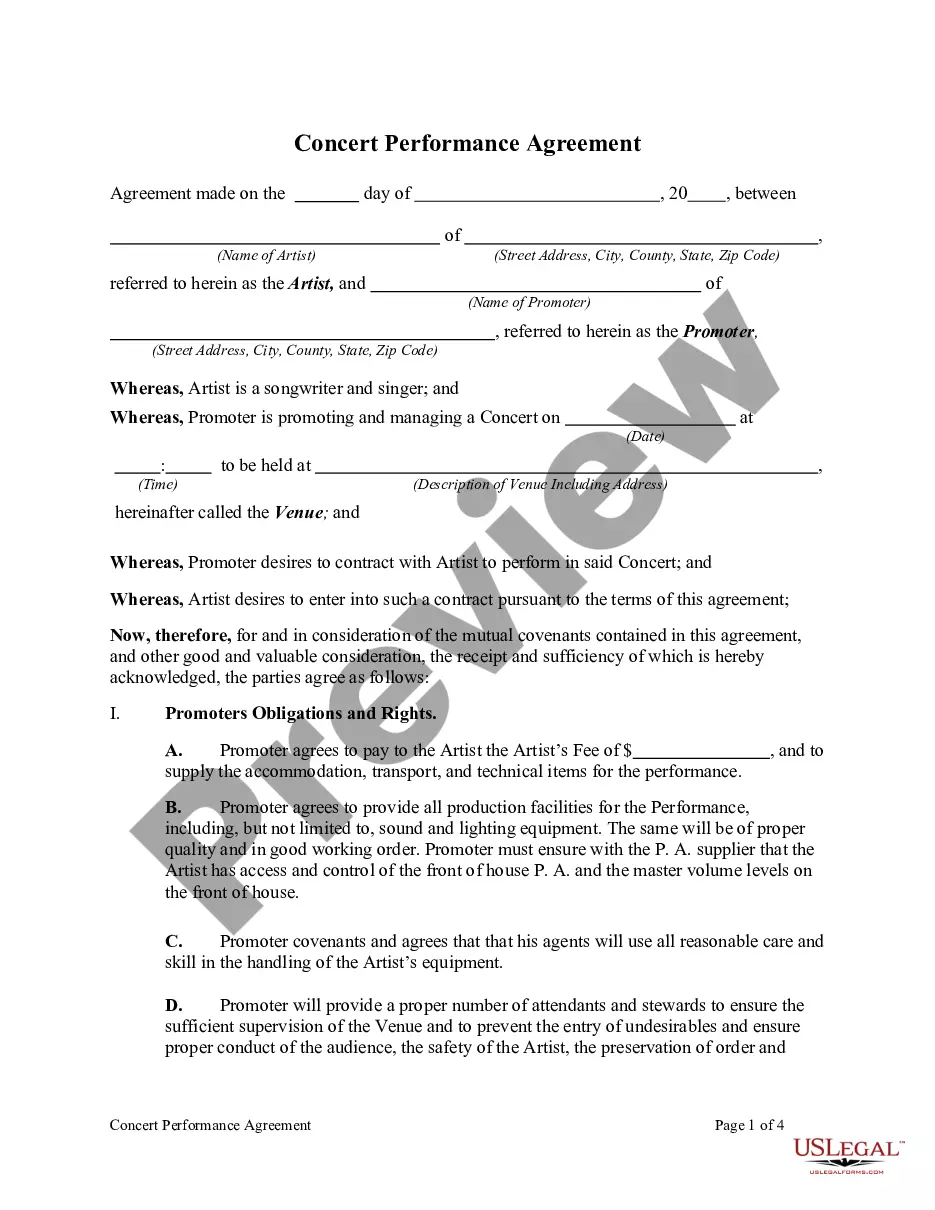
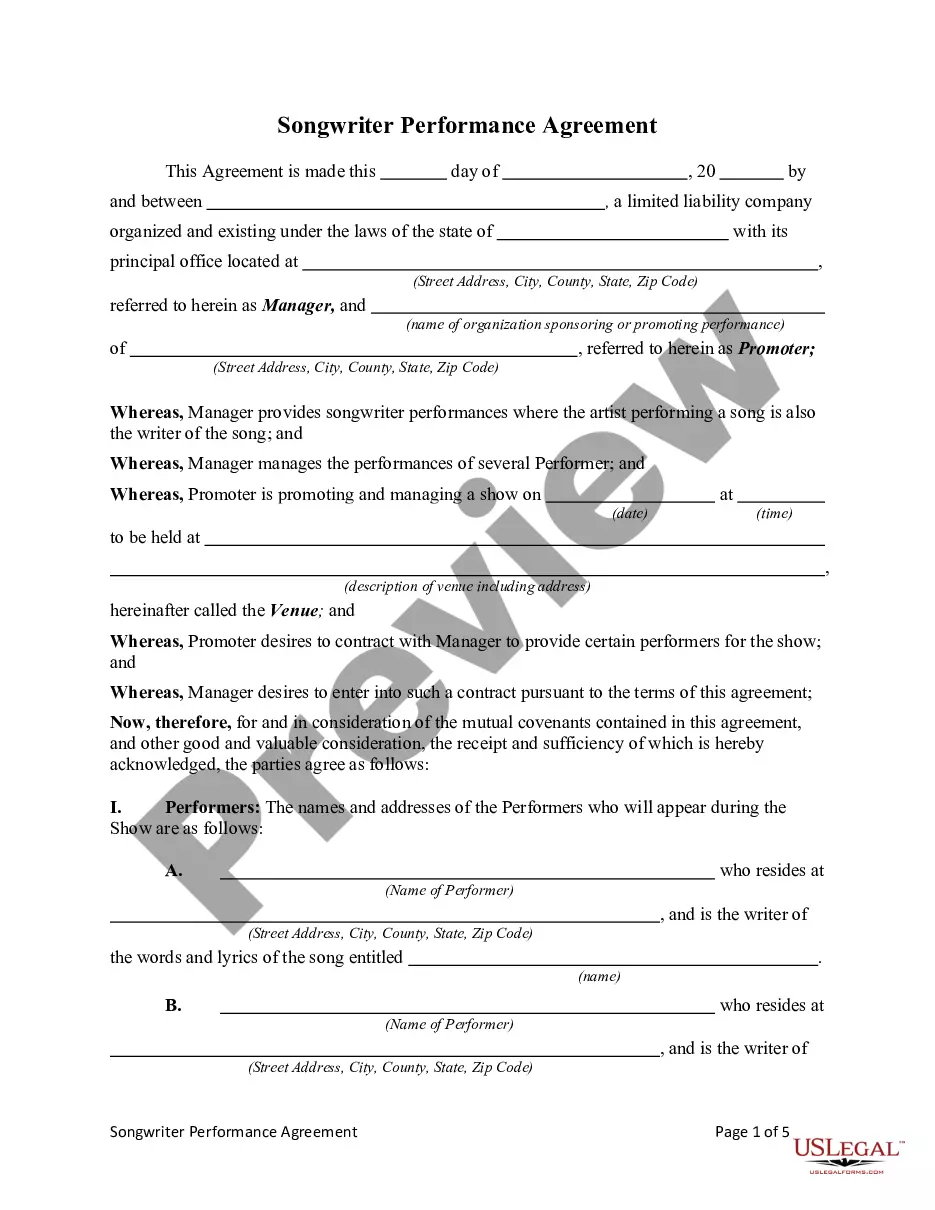
Get your form ready online
Our built-in tools help you complete, sign, share, and store your documents in one place.
Make edits, fill in missing information, and update formatting in US Legal Forms—just like you would in MS Word.
Download a copy, print it, send it by email, or mail it via USPS—whatever works best for your next step.
Sign and collect signatures with our SignNow integration. Send to multiple recipients, set reminders, and more. Go Premium to unlock E-Sign.
If this form requires notarization, complete it online through a secure video call—no need to meet a notary in person or wait for an appointment.
We protect your documents and personal data by following strict security and privacy standards.

Make edits, fill in missing information, and update formatting in US Legal Forms—just like you would in MS Word.

Download a copy, print it, send it by email, or mail it via USPS—whatever works best for your next step.

Sign and collect signatures with our SignNow integration. Send to multiple recipients, set reminders, and more. Go Premium to unlock E-Sign.

If this form requires notarization, complete it online through a secure video call—no need to meet a notary in person or wait for an appointment.

We protect your documents and personal data by following strict security and privacy standards.
Looking for another form?
Form popularity
FAQ
Number one: There's no law that requires your employer to do performance evaluations. We hear that a lot of companies do annual performance evaluations; sometimes there's mid-year performance evaluations as well.
Performance agreements define executive accountability for specific organizational goals, help executives align daily operations, and clarify how work unit activities contribute to the agency's goals and objectives. Collaboration across organizational boundaries.
Are periodic performance evaluations required? The Fair Labor Standards Act (FLSA) does not require performance evaluations. Performance evaluations are generally a matter of agreement between an employer and employee (or the employee's representative).
There is no law that mandates employers conduct performance reviews. But most employment attorneys always say, "document, document, document.”
LEGAL REQUIREMENT While private-sector employers are not required to have performance appraisal systems, federal agencies are required to have such systems under 5 CFR 430.204opens in a new tab. States may have similar laws for public employers.
It is a common practice many places for an HR rep to be present if the performance review will be negative and the employee is in danger of getting fired. They want to make sure that the manager does nothing to give the employee a case for a law suit. They are a witness to what was said as well.
Let's look at them one by one: Offer feedback: give the employee objective information about their work over the last few months, as well as convey the company's expectations. Decide on promotions: the appraisal process gives us objective data for making decisions about who is ready to take on new responsibilities.
Performance Appraisals are required. Failure to complete Performance Appraisals timely may result in disciplinary action. Employees have a right to appeal their performance appraisals.
A performance appraisal is a regular and structured method of assessing an employee's job performance with predetermined job expectations. It involves a subjective analysis of the individual's strengths and areas for improvement, their value to the organization, and their potential for future growth and development.
To create a performance evaluation system in your practice, follow these five steps: Develop an evaluation form. Identify performance measures. Set guidelines for feedback. Create disciplinary and termination procedures. Set an evaluation schedule.
