Performance Agreement For In Santa Clara
Description

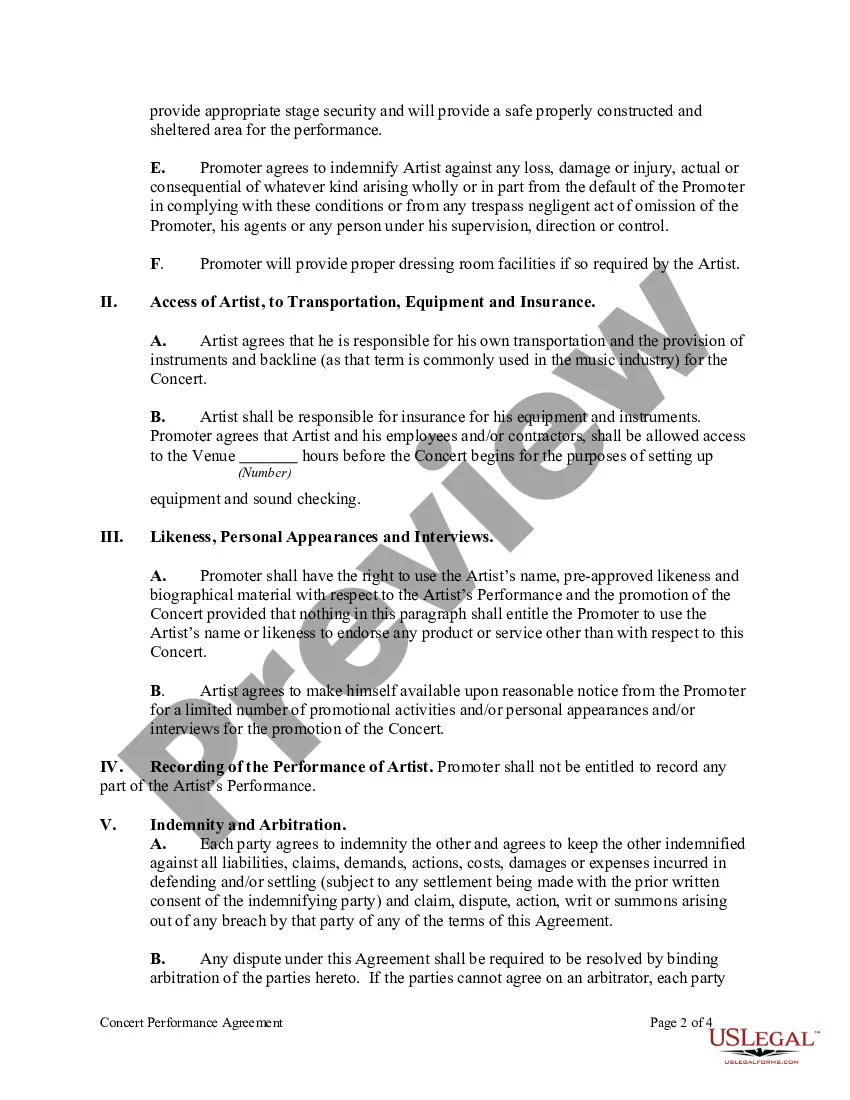
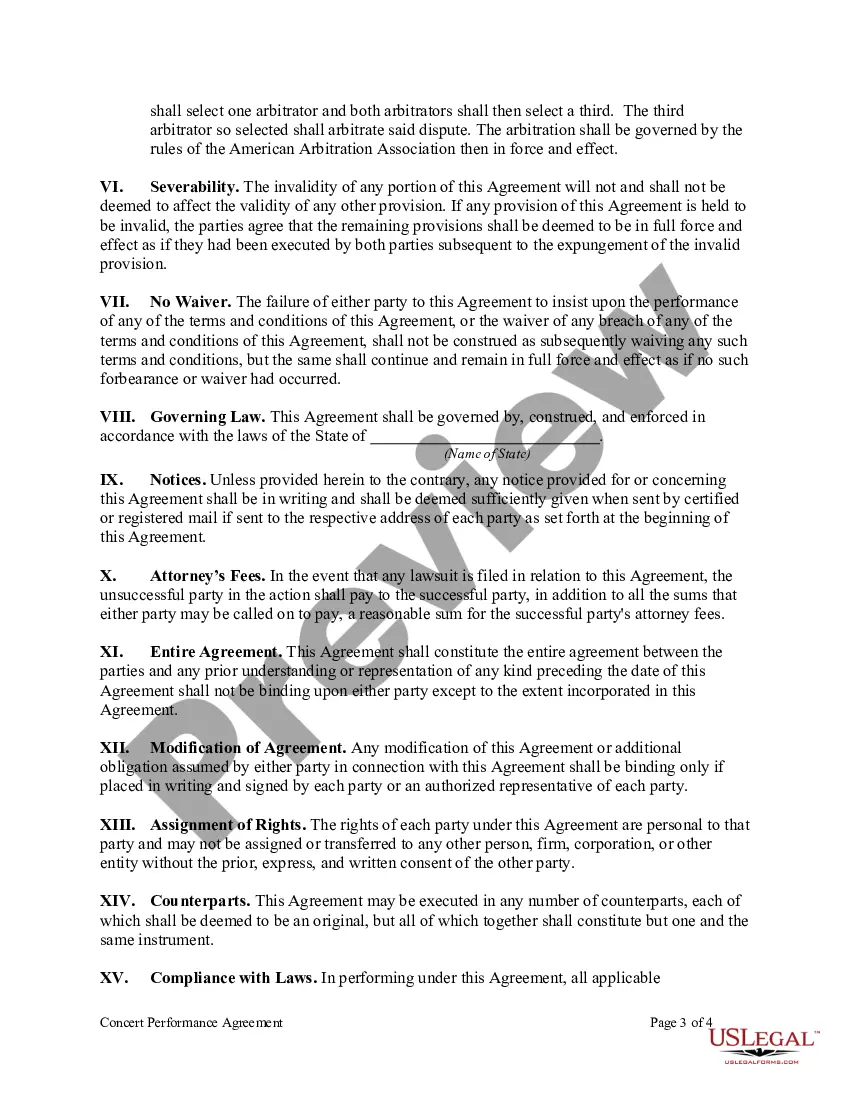
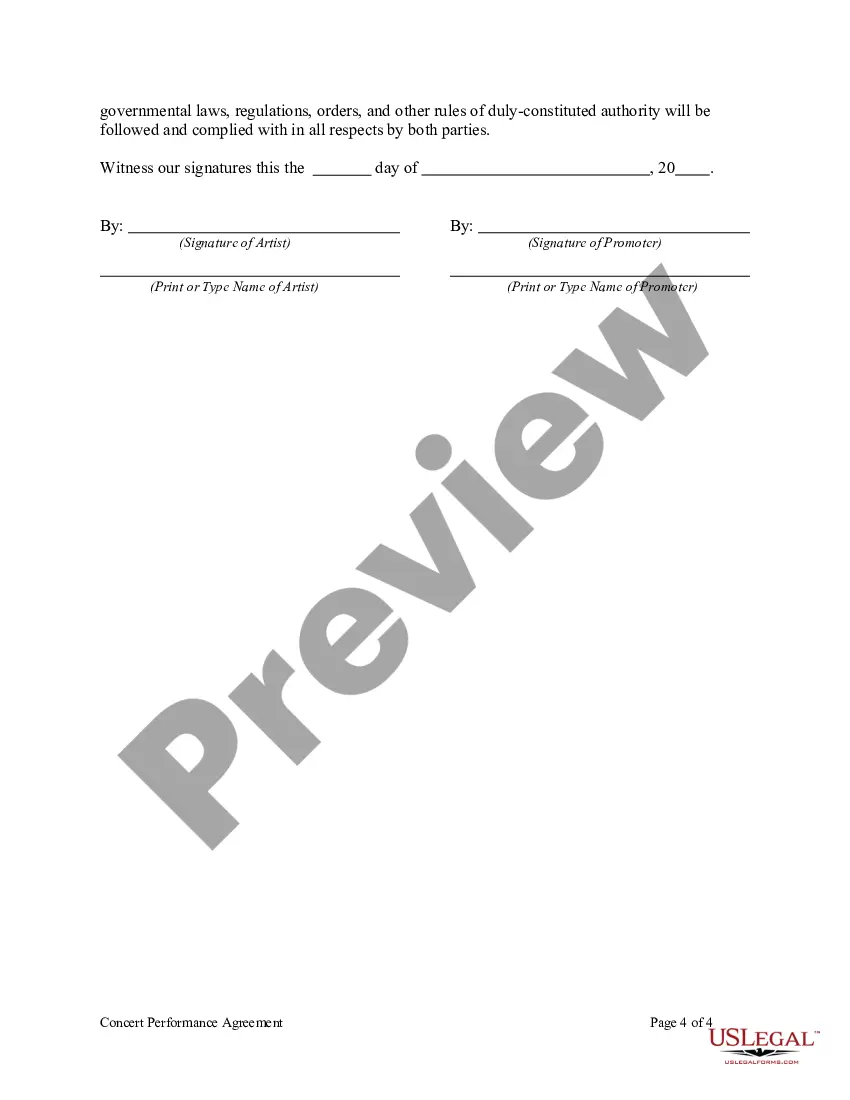
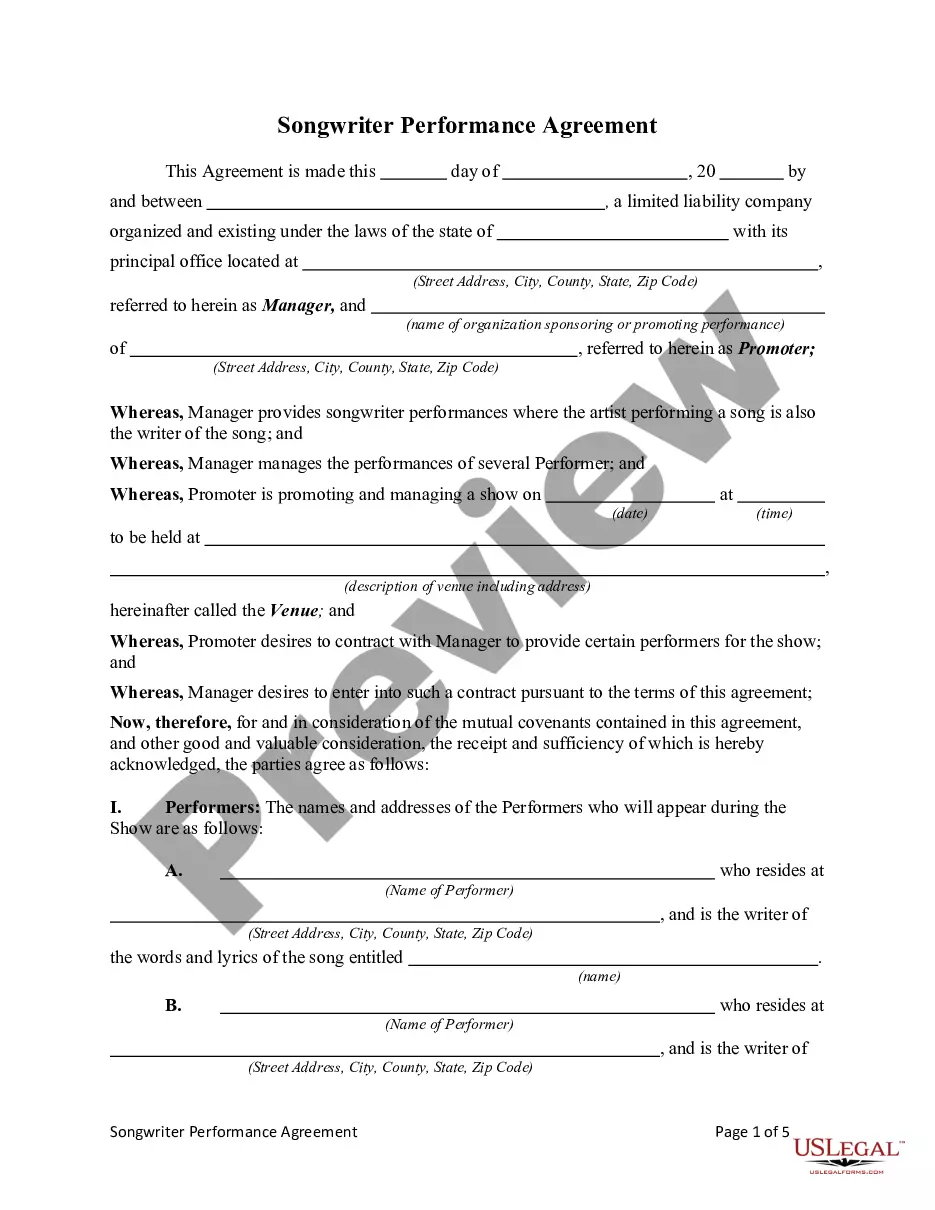
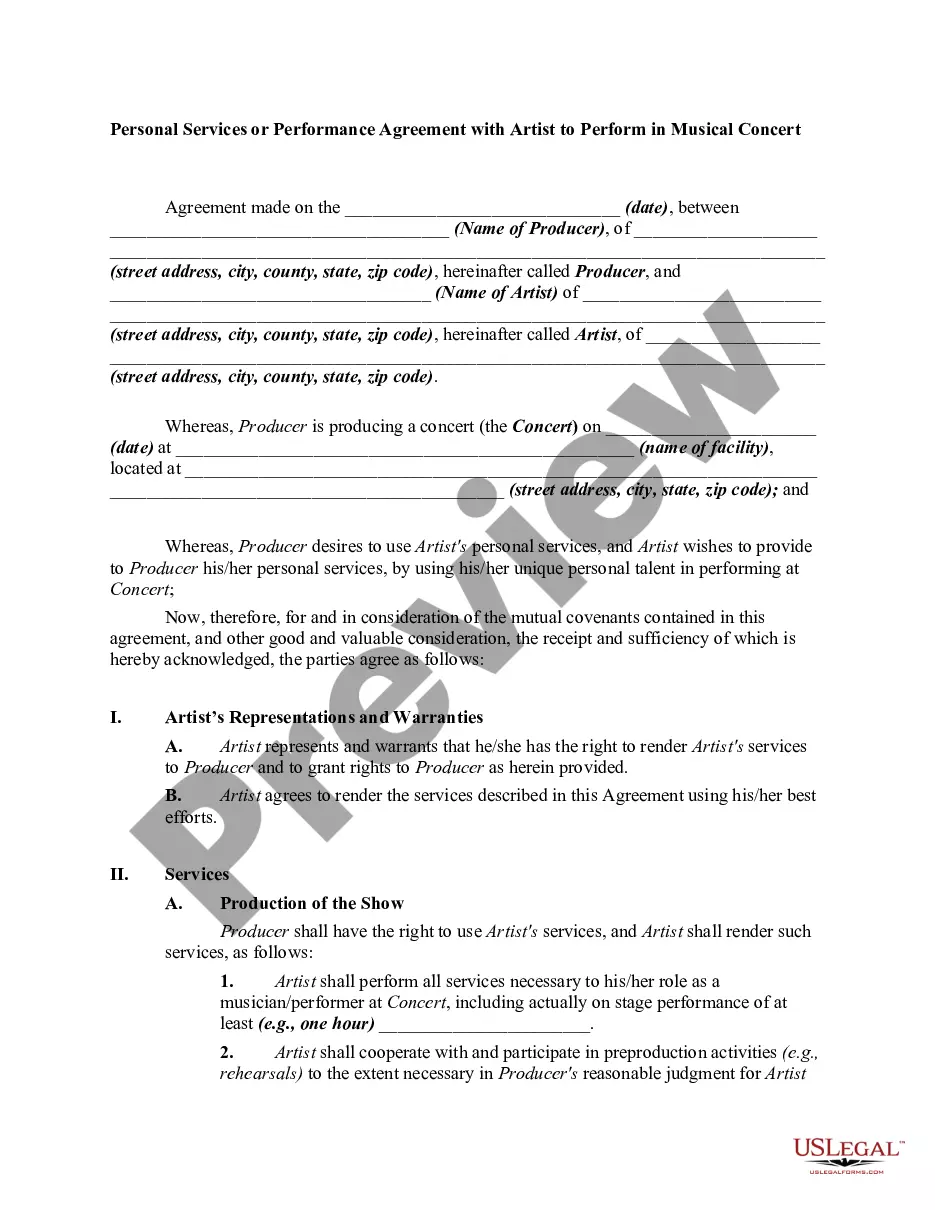
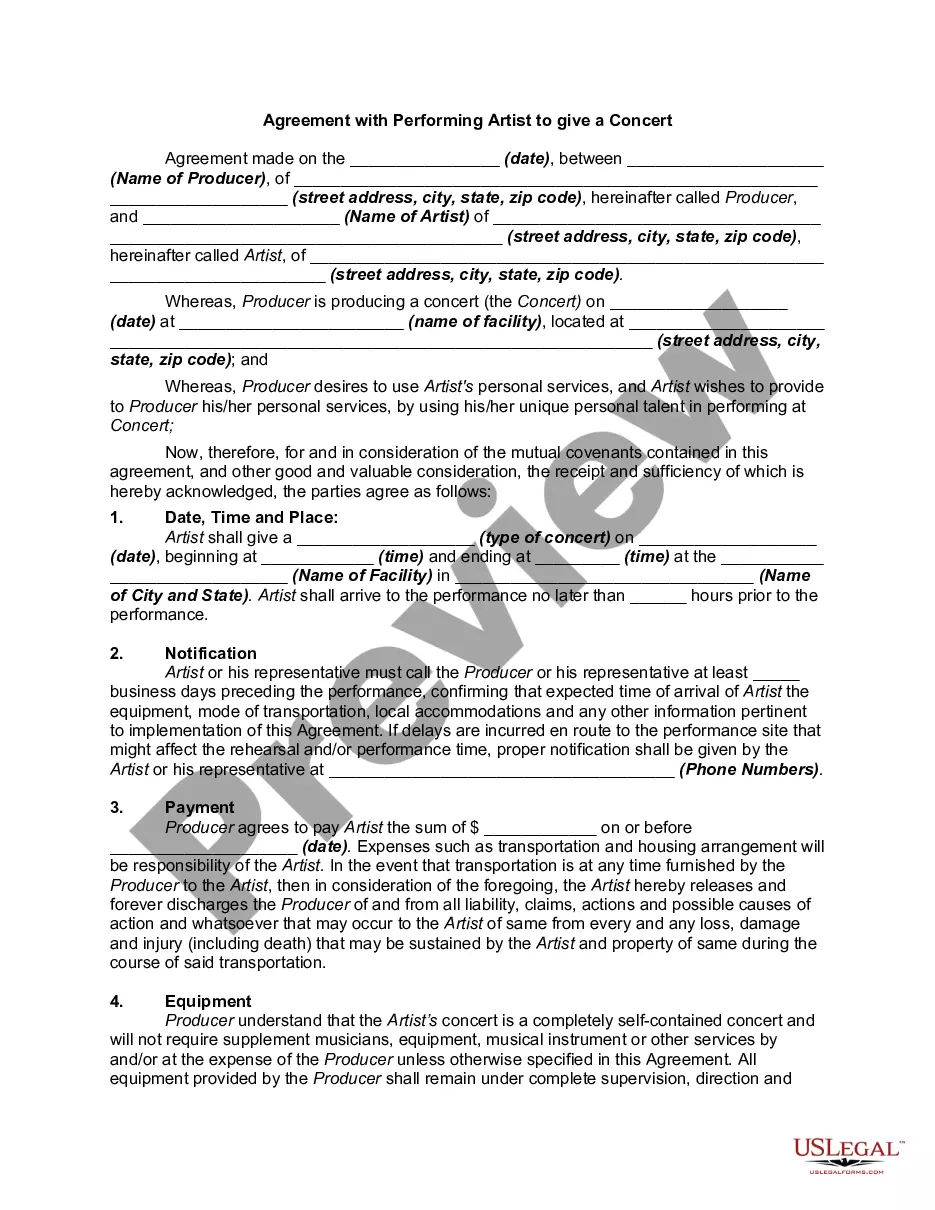
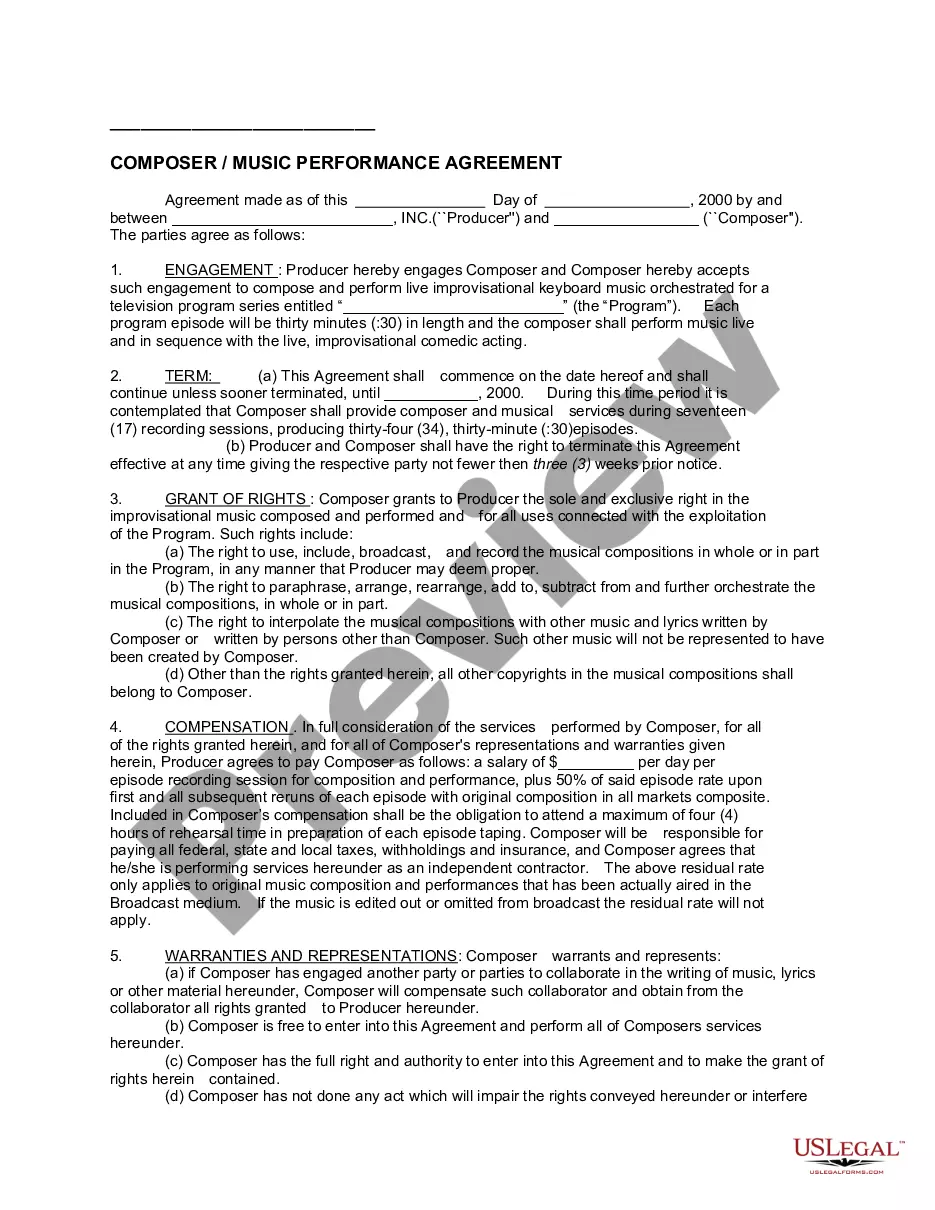
Get your form ready online
Our built-in tools help you complete, sign, share, and store your documents in one place.
Make edits, fill in missing information, and update formatting in US Legal Forms—just like you would in MS Word.
Download a copy, print it, send it by email, or mail it via USPS—whatever works best for your next step.
Sign and collect signatures with our SignNow integration. Send to multiple recipients, set reminders, and more. Go Premium to unlock E-Sign.
If this form requires notarization, complete it online through a secure video call—no need to meet a notary in person or wait for an appointment.
We protect your documents and personal data by following strict security and privacy standards.

Make edits, fill in missing information, and update formatting in US Legal Forms—just like you would in MS Word.

Download a copy, print it, send it by email, or mail it via USPS—whatever works best for your next step.

Sign and collect signatures with our SignNow integration. Send to multiple recipients, set reminders, and more. Go Premium to unlock E-Sign.

If this form requires notarization, complete it online through a secure video call—no need to meet a notary in person or wait for an appointment.

We protect your documents and personal data by following strict security and privacy standards.
Looking for another form?





Form popularity
FAQ
When you fill the form: Be honest and critical. Analyze your failures and mention the reasons for it. Keep the words minimal. Identify weaknesses. Mention your achievements. Link achievements to the job description and the organization's goals. Set the goals for the next review period. Resolve conflicts and grievances.
Generally, a self-evaluation should at the very least include where you see yourself excelling (and how) with regard to your job duties, where you feel like you might improve, some quantifiable or clear examples of your successes, and what your next-step goals are.
When you fill the form: Be honest and critical. Analyze your failures and mention the reasons for it. Keep the words minimal. Identify weaknesses. Mention your achievements. Link achievements to the job description and the organization's goals. Set the goals for the next review period. Resolve conflicts and grievances.
Make sure you reference your accomplishments in your review and highlight what you did well. For areas that need improvement, provide additional context for any questions you think your manager might ask, and share any details about how you approached a project or situation that shed light on its outcome.
Follow these steps to put an effective performance agreement in place for your staff: Start With Clear Expectations. Build in Milestones. Agree on the Terms. Schedule Accountability Meetings. Establish Outcome Results and Consequences. Sign and Date the Agreement.
Follow these steps to put an effective performance agreement in place for your staff: Start With Clear Expectations. Build in Milestones. Agree on the Terms. Schedule Accountability Meetings. Establish Outcome Results and Consequences. Sign and Date the Agreement.
Performance agreements define executive accountability for specific organizational goals, help executives align daily operations, and clarify how work unit activities contribute to the agency's goals and objectives.
Reflect on your key accomplishments and contributions over the review period. Assess your performance against the goals, objectives, or key performance indicators (KPIs) set for your role. Identify areas where you demonstrated strong skills and competencies. Acknowledge any areas for improvement or development needs.
UNC Professor Elad Sherf recommends using the framework of the three Cs — Clarity, Contextual Meaning, and Composure — as a guide for turning every performance review into an opportunity to demonstrate empathy and help employees achieve lasting growth, learning, and improvement.
Simple, Direct, Honest, Personal, And Blunt: How The 5-Word Performance Review Works Wonders - Fast Company.
