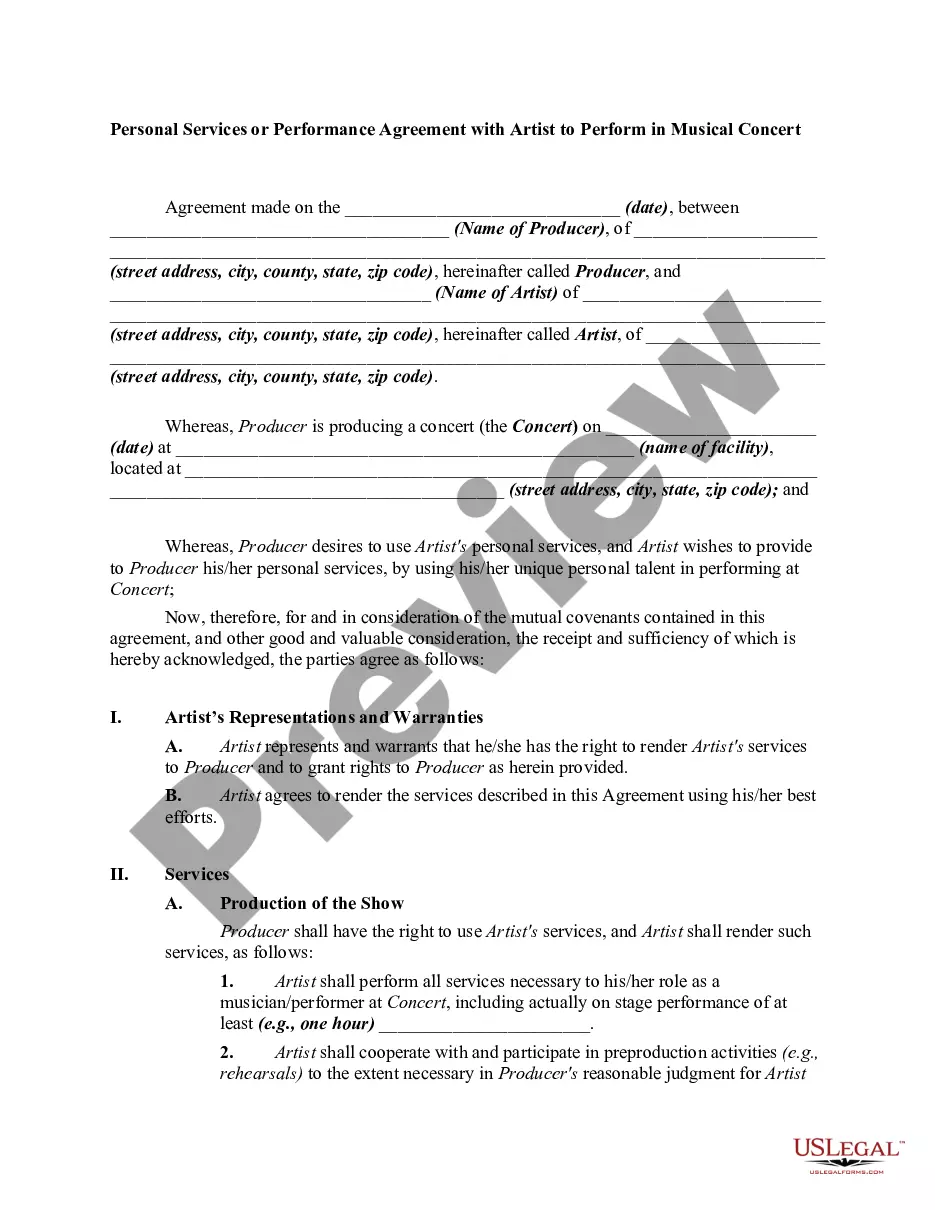
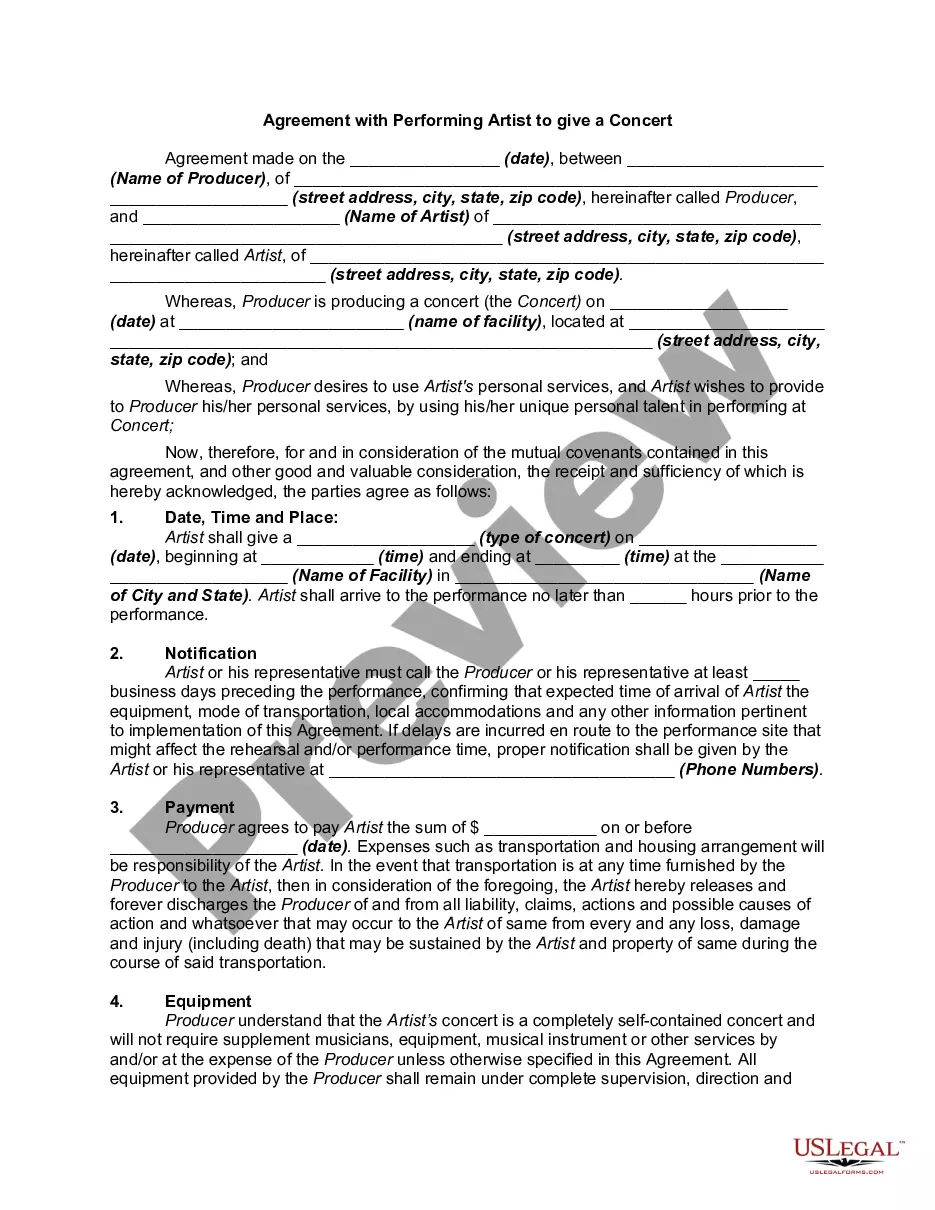
Performance Agreement For Managers In Queens
Description

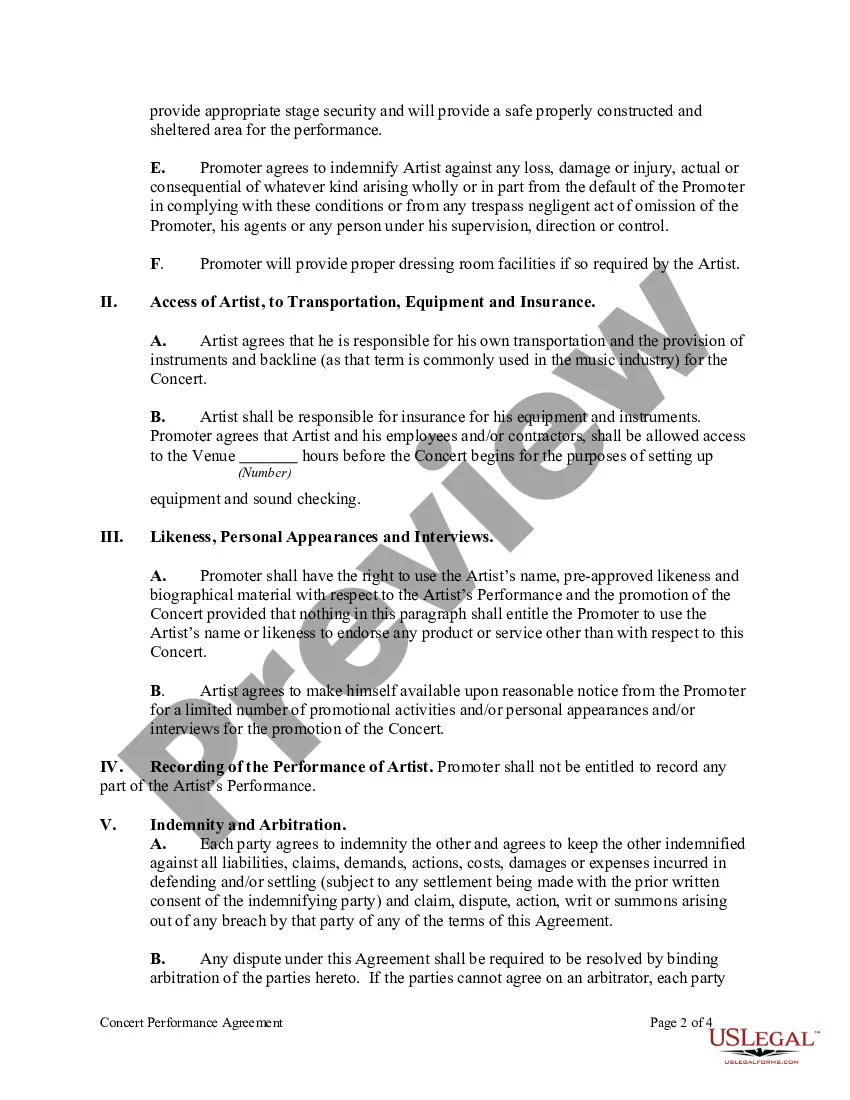
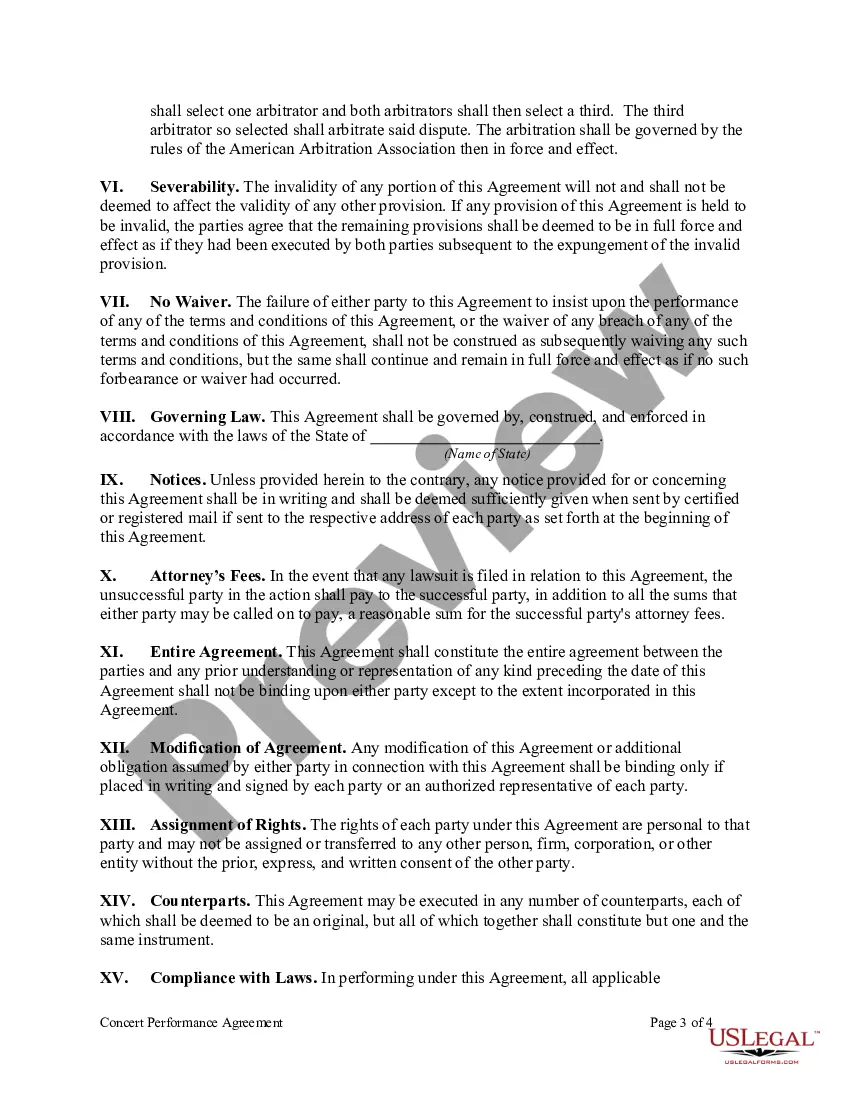
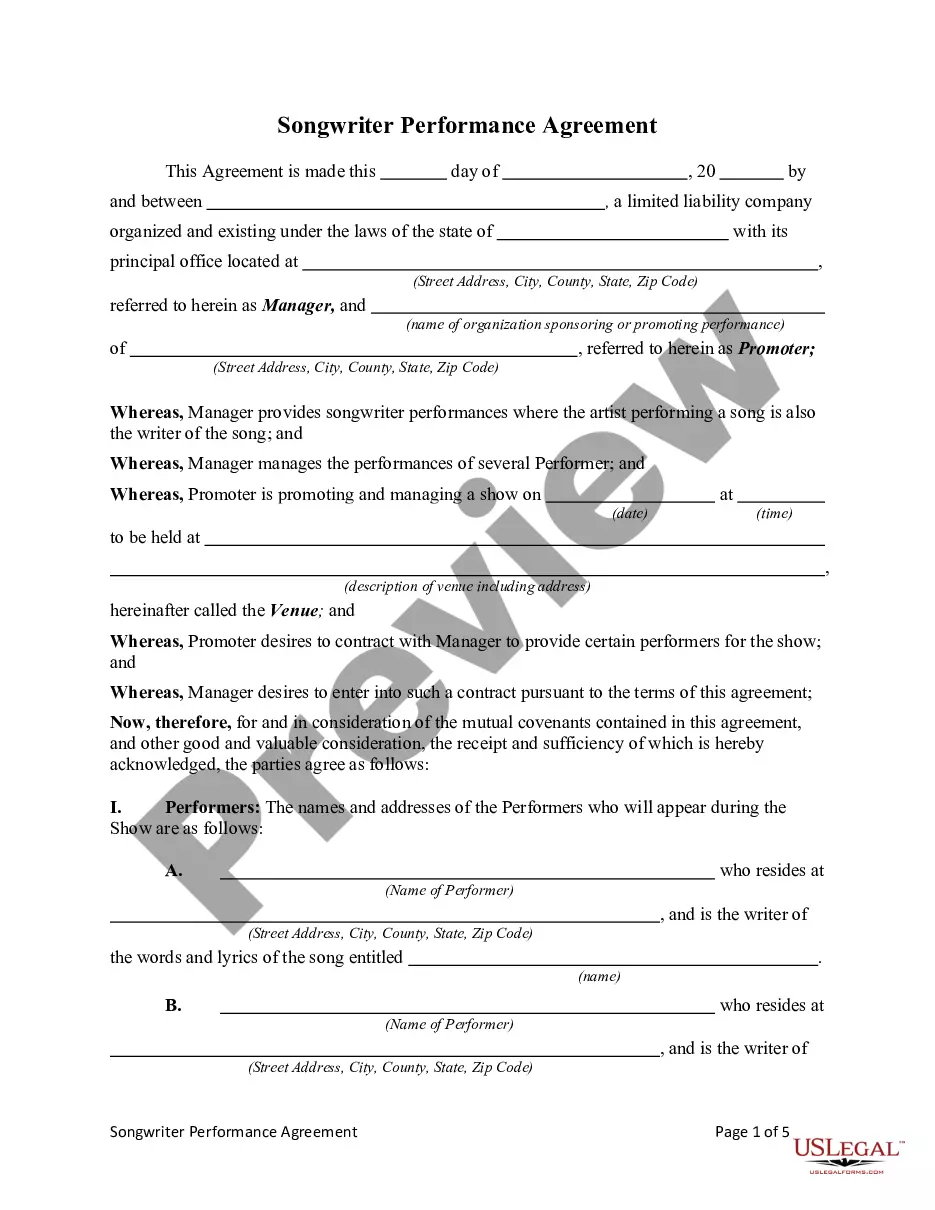
Get your form ready online
Our built-in tools help you complete, sign, share, and store your documents in one place.
Make edits, fill in missing information, and update formatting in US Legal Forms—just like you would in MS Word.
Download a copy, print it, send it by email, or mail it via USPS—whatever works best for your next step.
Sign and collect signatures with our SignNow integration. Send to multiple recipients, set reminders, and more. Go Premium to unlock E-Sign.
If this form requires notarization, complete it online through a secure video call—no need to meet a notary in person or wait for an appointment.
We protect your documents and personal data by following strict security and privacy standards.

Make edits, fill in missing information, and update formatting in US Legal Forms—just like you would in MS Word.

Download a copy, print it, send it by email, or mail it via USPS—whatever works best for your next step.

Sign and collect signatures with our SignNow integration. Send to multiple recipients, set reminders, and more. Go Premium to unlock E-Sign.

If this form requires notarization, complete it online through a secure video call—no need to meet a notary in person or wait for an appointment.

We protect your documents and personal data by following strict security and privacy standards.
Looking for another form?







Form popularity
FAQ
Stick with the facts and write down just what you said and what the employee said. Ensure the employee is clear on what the expectations are and how he or she did or did not meet them. Performance expectations must be consistent with the employee's position description. Document and Follow-up.
To help you create a performance management plan that drives results and keeps your team happy and engaged, follow these steps: Establish clear, measurable goals. Conduct regular performance reviews. Provide continuous feedback. Build improvement plans and provide development opportunities.
Follow these steps to put an effective performance agreement in place for your staff: Start With Clear Expectations. Build in Milestones. Agree on the Terms. Schedule Accountability Meetings. Establish Outcome Results and Consequences. Sign and Date the Agreement.
The 5 stages of a performance management cycle Planning. Each performance management cycle should start with setting performance expectations, goals, and key performance indicators (KPIs). Monitoring. Developing. Rating. Rewarding. HR professionals. Managers. Employees.
Performance Agreement: An arrangement between an employer and an employee, or a business and a contractor, which outlines the terms, expectations, goals, and standards of performance for each party. Scope: The range of activities, duties, and expectations covered by an agreement.
What should I write in a performance review comment? A performance review comment should highlight the employee's strengths and areas for improvement. Be specific and provide examples to support your feedback. Make it constructive by suggesting what they can do to improve instead of only pointing out the negative.
How to answer performance review questions Go to the point. Focus on what you have achieved with numbers and clear metrics. It's ok to admit failure if you have a plan. Communication and awareness questions. Feedback on your execution. Meeting expectations. Problems you can solve for your manager/team/company.
Steps to create a performance management plan Establish clear, measurable goals. Conduct regular performance reviews. Provide continuous feedback. Build improvement plans and provide development opportunities. Implement a recognition and awards system. Track progress and evaluate performance.
Never discuss personality traits—especially negative ones. You can say, “You have a fabulous attitude.” But saying, “Your attitude isn't great” focuses on personality, not performance. Maybe your employee does have a bad attitude.
Use a constructive tone, focusing on how you plan to improve. Introduction: Briefly summarize your role and the evaluation period. Achievements: List accomplishments and contributions. Challenges: Discuss difficulties and how you overcame them. Goals for Improvement: Outline areas for growth.
