Performance Agreement For Hr Manager In Pima
Description

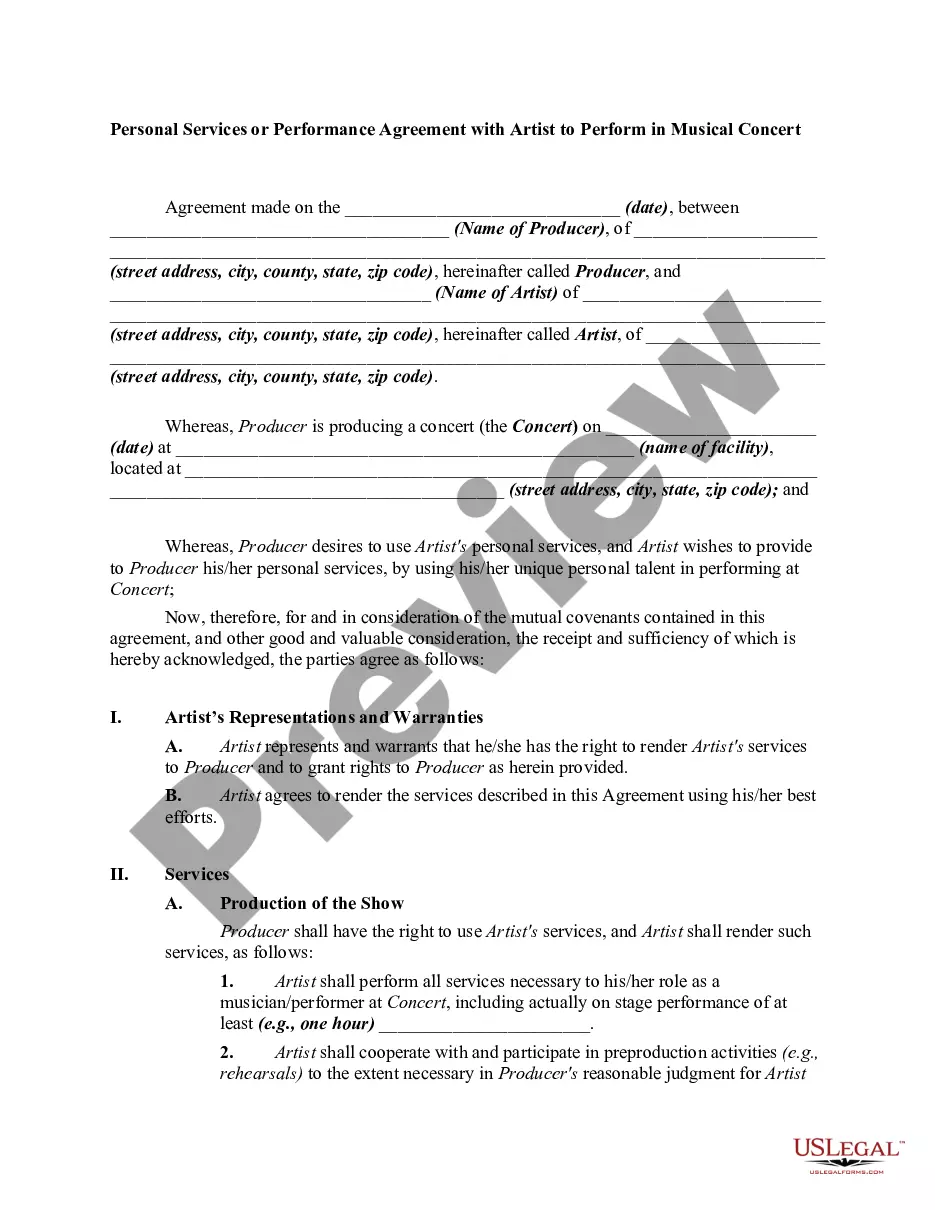
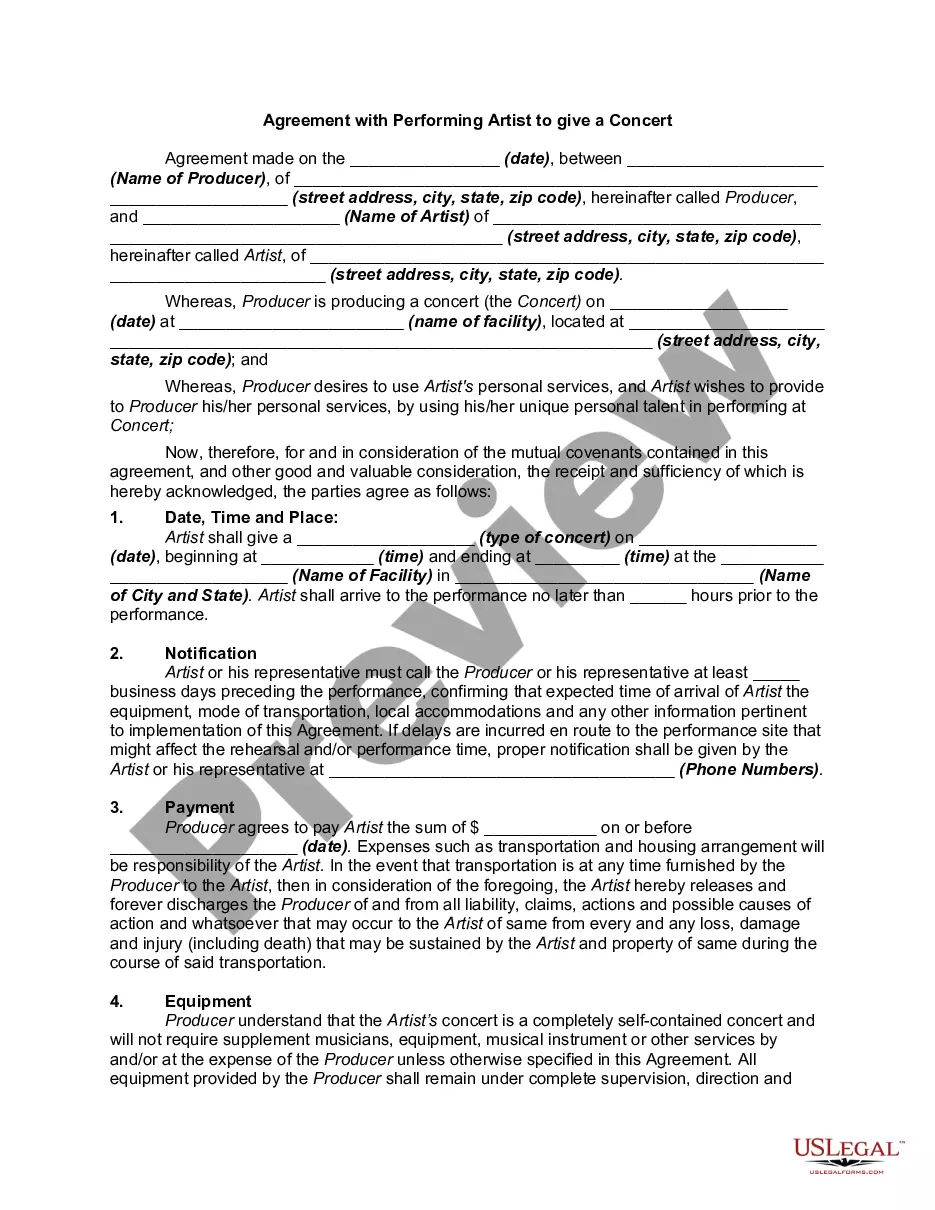
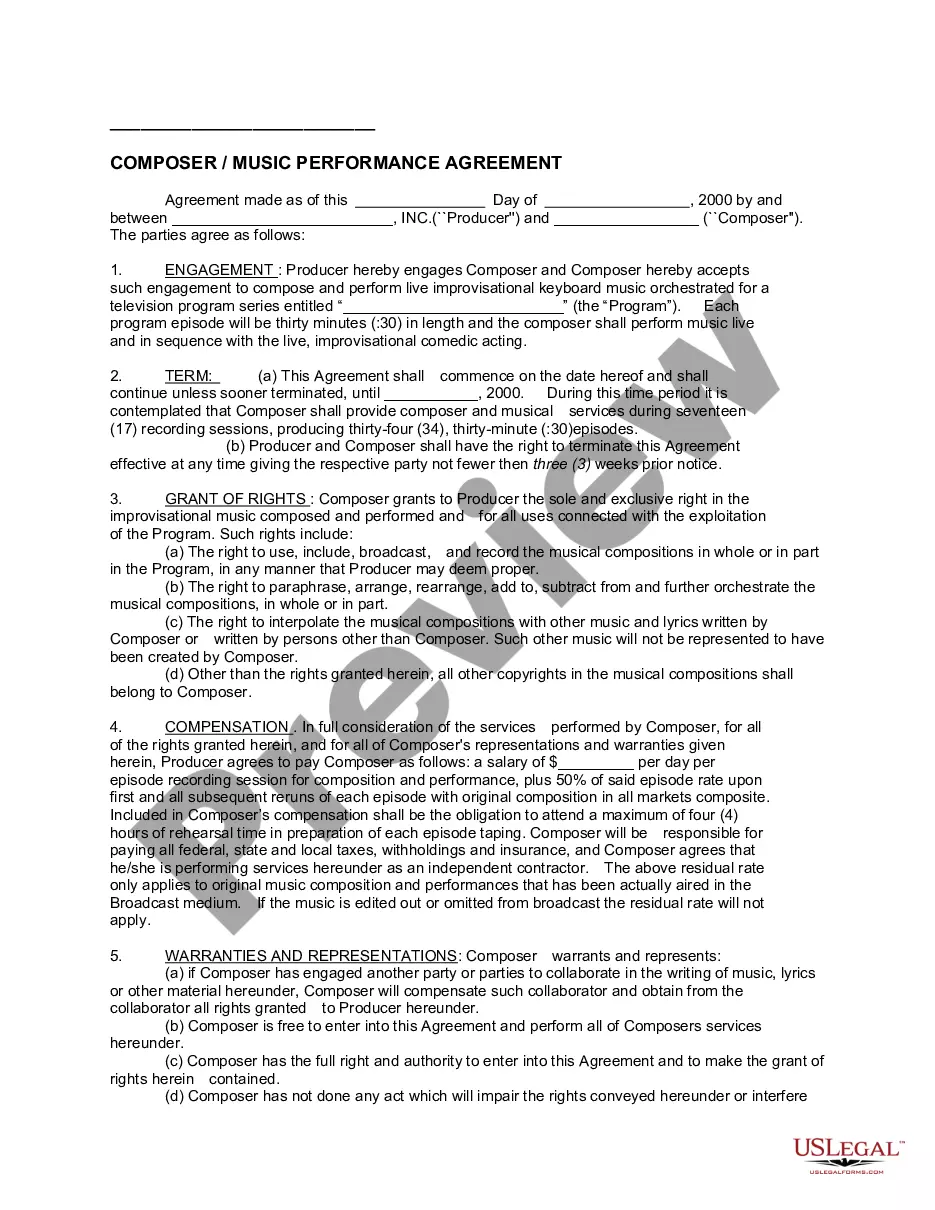
Get your form ready online
Our built-in tools help you complete, sign, share, and store your documents in one place.
Make edits, fill in missing information, and update formatting in US Legal Forms—just like you would in MS Word.
Download a copy, print it, send it by email, or mail it via USPS—whatever works best for your next step.
Sign and collect signatures with our SignNow integration. Send to multiple recipients, set reminders, and more. Go Premium to unlock E-Sign.
If this form requires notarization, complete it online through a secure video call—no need to meet a notary in person or wait for an appointment.
We protect your documents and personal data by following strict security and privacy standards.

Make edits, fill in missing information, and update formatting in US Legal Forms—just like you would in MS Word.

Download a copy, print it, send it by email, or mail it via USPS—whatever works best for your next step.

Sign and collect signatures with our SignNow integration. Send to multiple recipients, set reminders, and more. Go Premium to unlock E-Sign.

If this form requires notarization, complete it online through a secure video call—no need to meet a notary in person or wait for an appointment.

We protect your documents and personal data by following strict security and privacy standards.
Looking for another form?






Form popularity
FAQ
Integrated performance management processes support continuous improvement. Since the HR team owns performance data, it can take responsibility for tracking performance and identifying opportunities for improvement.
Performance management creates a system designed to establish roles and responsibilities, recognise individual strengths and weaknesses, communicate feedback, reward exceptional behaviour and promote ongoing innovation.
Monitoring: HR and managers monitor employee performance in relation to the goals set, and provide regular feedback to employees. Developing: The data obtained during the monitoring stage is analyzed, and the results are used to improve employee performance through further training, assigning extra projects, etc.
Performance agreements define executive accountability for specific organizational goals, help executives align daily operations, and clarify how work unit activities contribute to the agency's goals and objectives.
Human Resource Management practices (Compensation, Career Planning, Performance Appraisal, Training, and Employee Involvement) play a crucial role in increasing employee performance so the organizations should revise their HR policies by keeping in view the above factors in order to attain the targeted goals.
All five component processes (i.e., planning, monitoring, developing, rating, rewarding) work together and support each other, resulting in natural, effective performance management. Effective employee performance management encompasses the five key components presented above.
No matter what aspect of performance you're trying to improve, the 5Cs of Clarity, Context, Consistency, Courage and Commitment will help you get the best out of your team! What is your view of performance management? Share your experience with me and all the other thoughtful leaders in the comments below!
The performance management cycle consists of four key stages: planning, monitoring, reviewing and rewarding. Each stage plays a crucial role in maintaining effective performance management... Organisational and employee goal setting. Hosting check-ins and keeping on top of KPIs.
Follow these steps to put an effective performance agreement in place for your staff: Start With Clear Expectations. Build in Milestones. Agree on the Terms. Schedule Accountability Meetings. Establish Outcome Results and Consequences. Sign and Date the Agreement.
