Performance Agreement In Hr In Massachusetts
Description

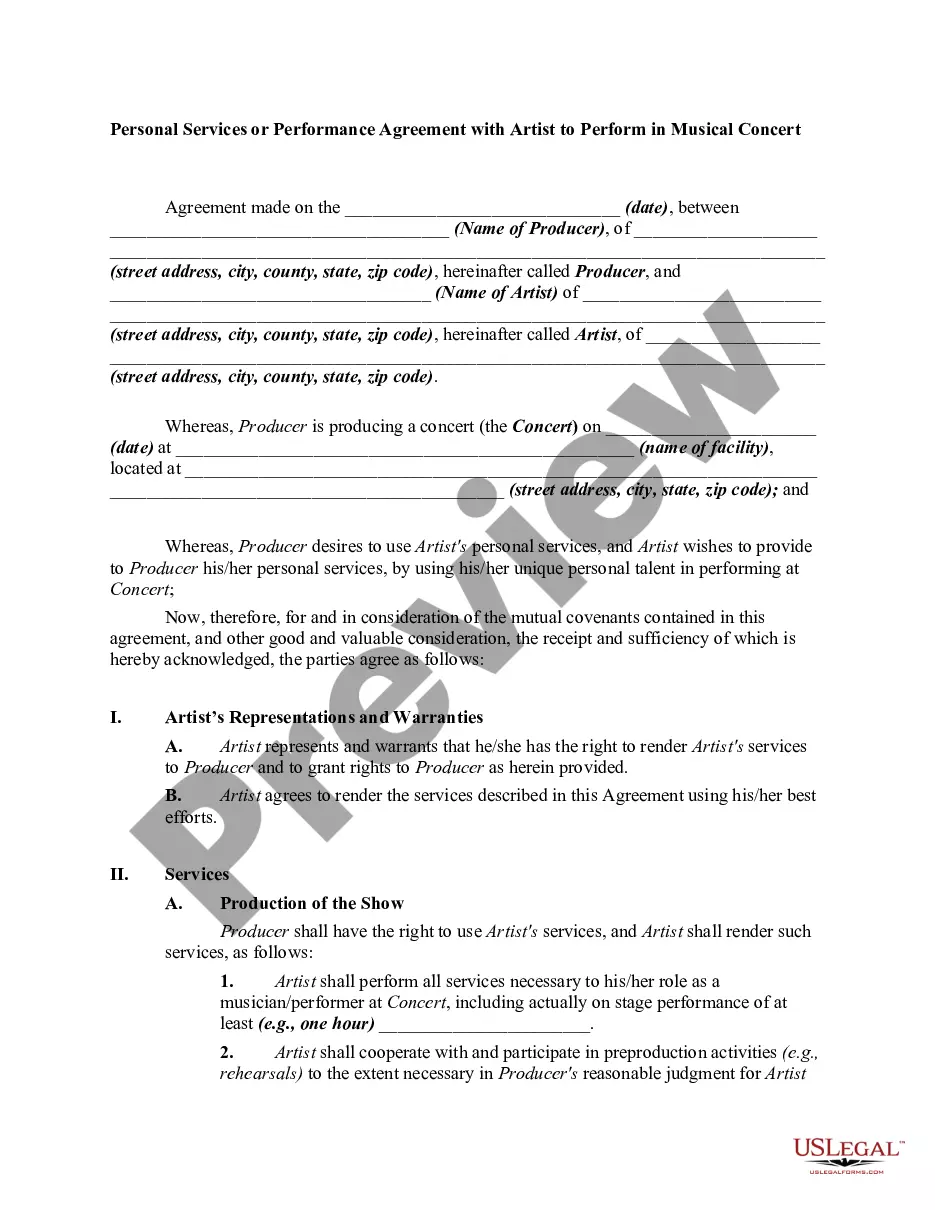
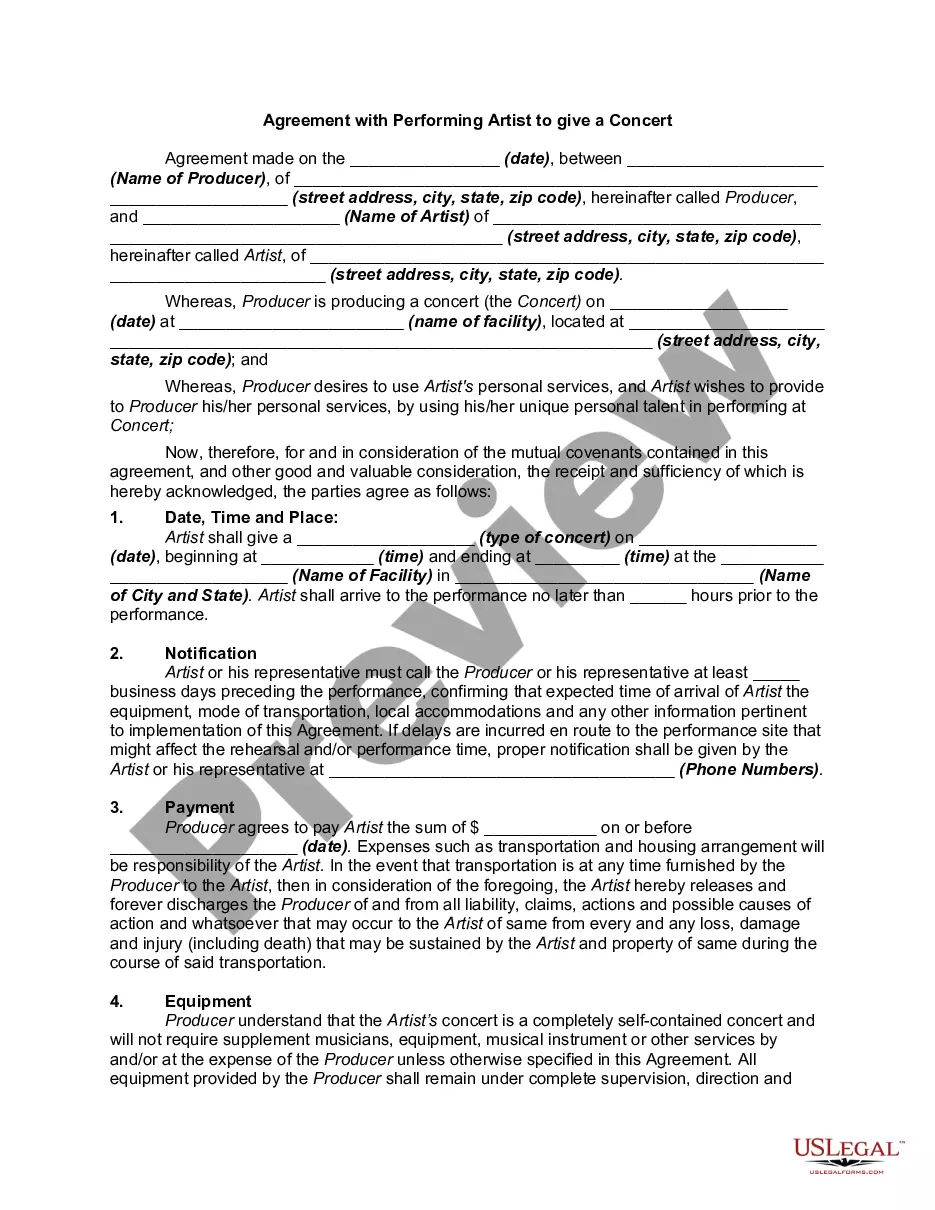
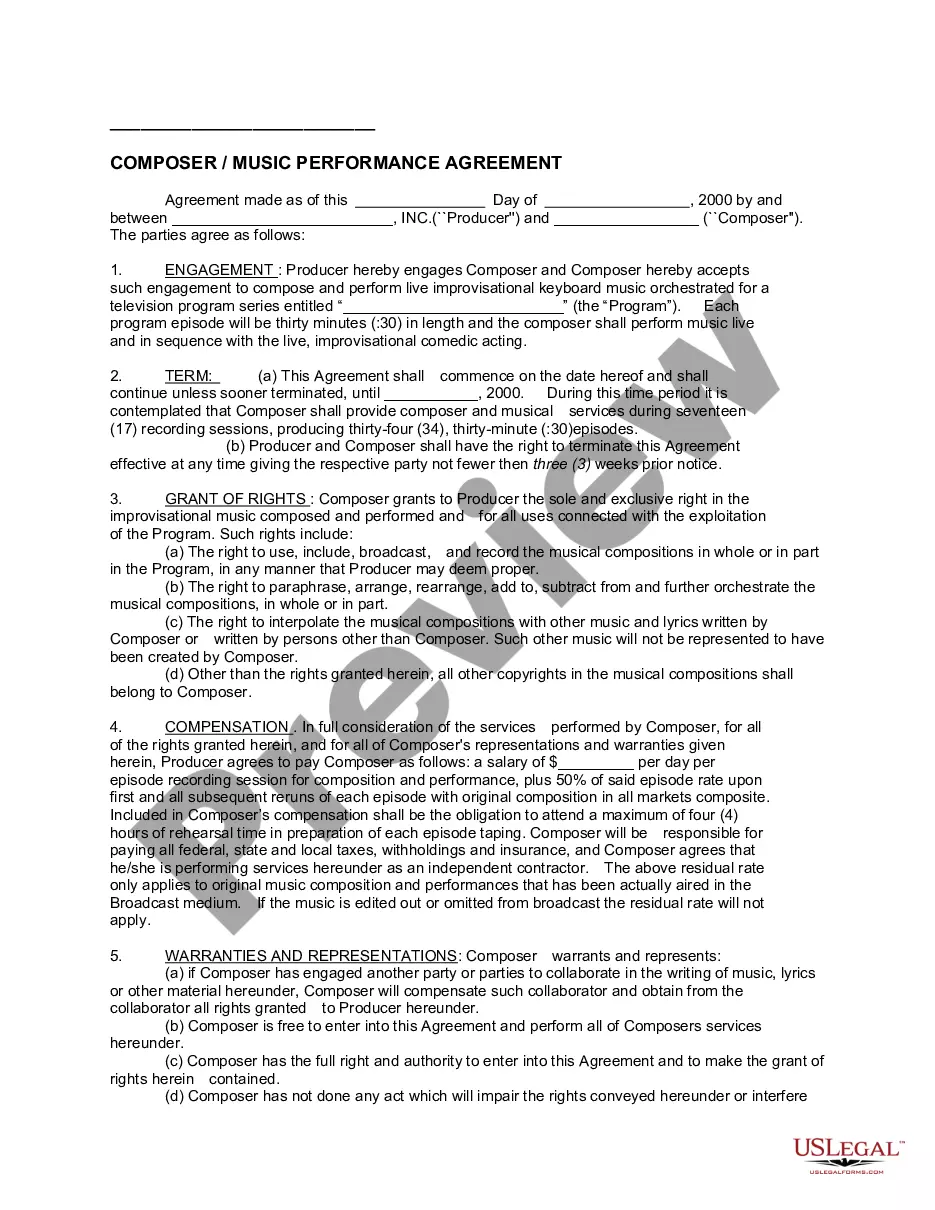
Get your form ready online
Our built-in tools help you complete, sign, share, and store your documents in one place.
Make edits, fill in missing information, and update formatting in US Legal Forms—just like you would in MS Word.
Download a copy, print it, send it by email, or mail it via USPS—whatever works best for your next step.
Sign and collect signatures with our SignNow integration. Send to multiple recipients, set reminders, and more. Go Premium to unlock E-Sign.
If this form requires notarization, complete it online through a secure video call—no need to meet a notary in person or wait for an appointment.
We protect your documents and personal data by following strict security and privacy standards.

Make edits, fill in missing information, and update formatting in US Legal Forms—just like you would in MS Word.

Download a copy, print it, send it by email, or mail it via USPS—whatever works best for your next step.

Sign and collect signatures with our SignNow integration. Send to multiple recipients, set reminders, and more. Go Premium to unlock E-Sign.

If this form requires notarization, complete it online through a secure video call—no need to meet a notary in person or wait for an appointment.

We protect your documents and personal data by following strict security and privacy standards.
Looking for another form?








Form popularity
FAQ
Office of Employee Relations (OER) The Office of Employee Relations manages labor relations with the unions that represent employees in all Executive branch departments. This includes collective bargaining, contract administration and grievance resolution.
Pros of Working Part-Time More time to focus on what matters: health, relationships, family, adventure, and fun. Less stress: Ability to be more intentional More schedule flexibility and ability to set boundaries: Access to employer-sponsored retirement accounts:
Forms and notices for newly-hired employees Form I-9 Employment eligibility verification form, US Dept. of Homeland Security. Form M-4: Massachusetts employee's withholding exemption certificate, Mass. Dept. Form NHR: New hire and independent contractor reporting form, Mass. Dept. Form W2 Federal tax withholding, IRS.
Typically, full-time workers work at least thirty hours per week. See also Massachusetts law about employment.
In general, part-time employees are entitled to the same benefits as full-time employees; some are granted on a pro-rated basis. Salary and salary increases are pro-rated. Sick leave, vacation time and personal leave are pro-rated. Eligibility for group health and life insurance is the same as for full-time employees.
Ing to a state document, "regular part-time employees... work at least 18.75 hours per week in a 37.5 hours per week position, or at least 20 hours per week in a 40 hours per week position."
An employer cannot require an employee to work hours not included in that initial work schedule without consent in writing by the employee. On or before the commencement of employment, the employer shall provide the employee with a written work schedule for the employee's first 21 days.
∎ Mandatory subjects of bargaining are wages, hours, standards of productivity and performance and other terms and conditions of employment.
Performance agreements define executive accountability for specific organizational goals, help executives align daily operations, and clarify how work unit activities contribute to the agency's goals and objectives. Collaboration across organizational boundaries.
Access to an employee's personnel file should be restricted to those with supervision responsibilities for the specific employee and/or those with job duties that require access.
