Sample Performance Agreement For Employees In Kings
Description
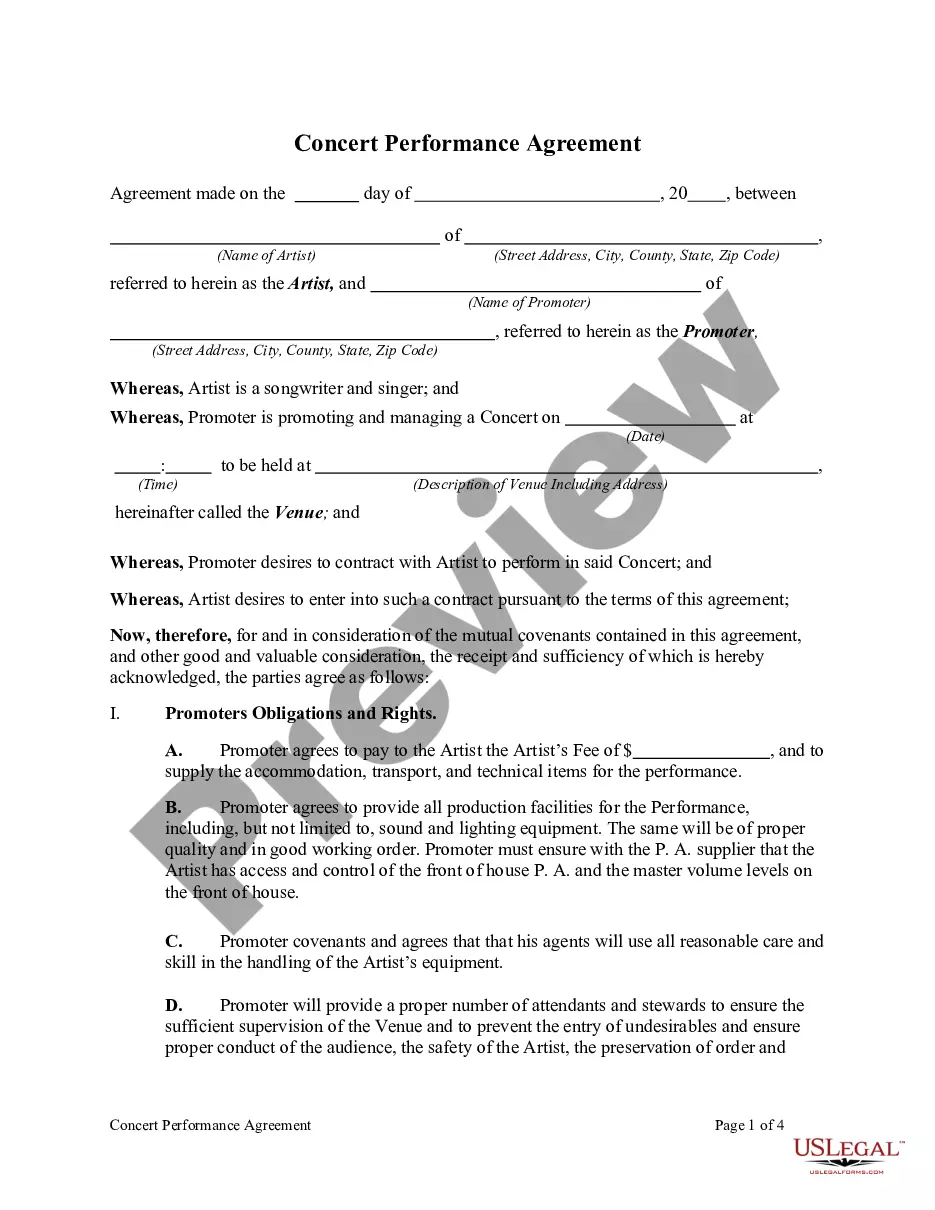
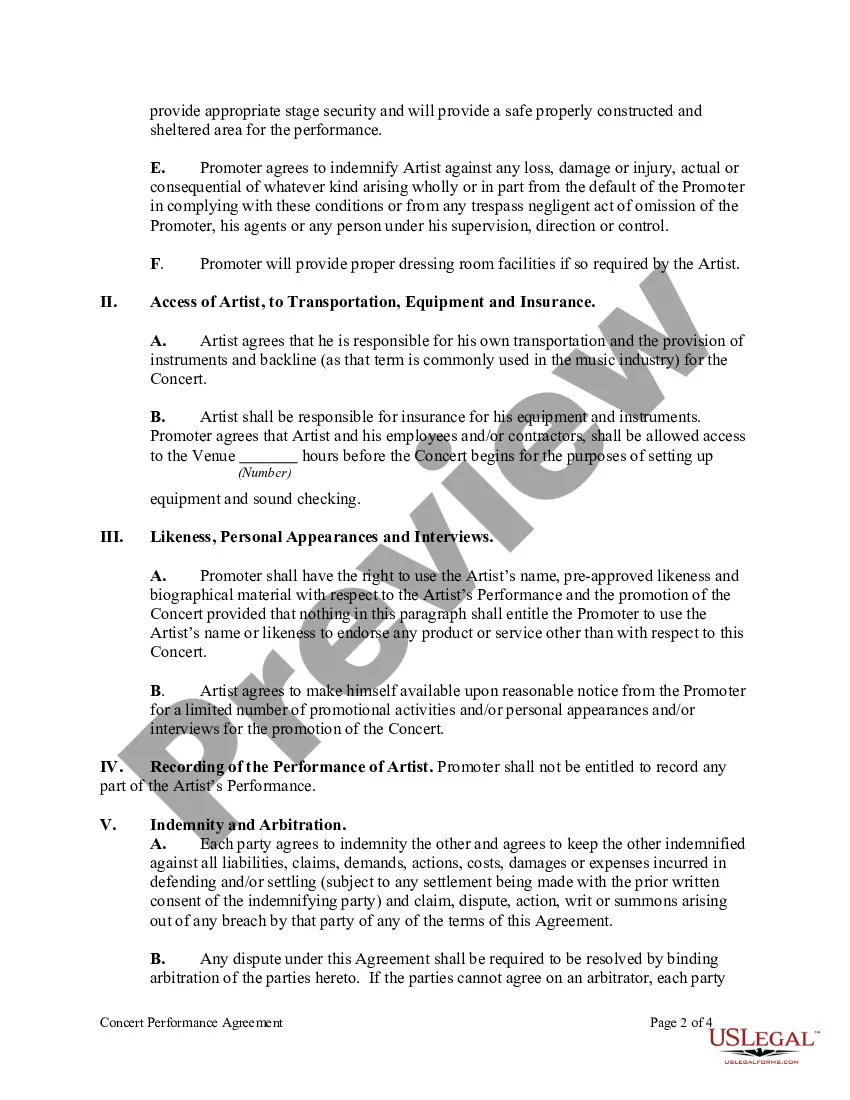
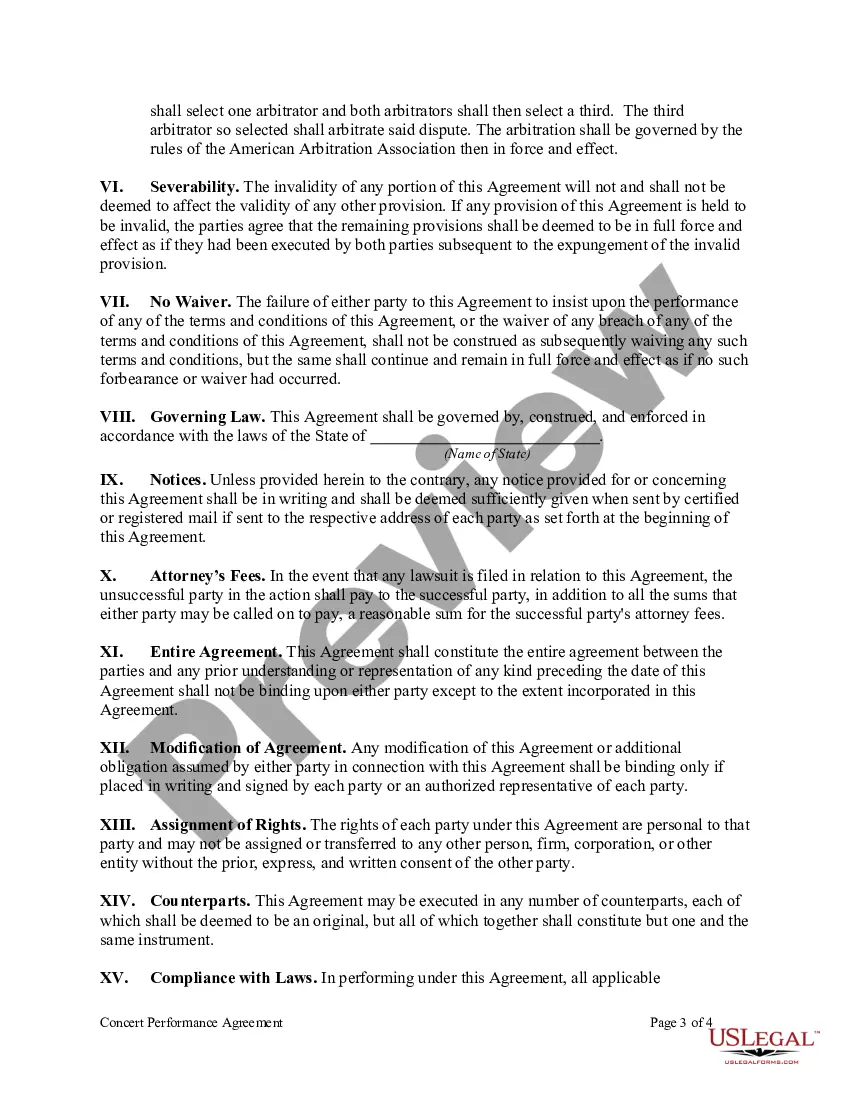
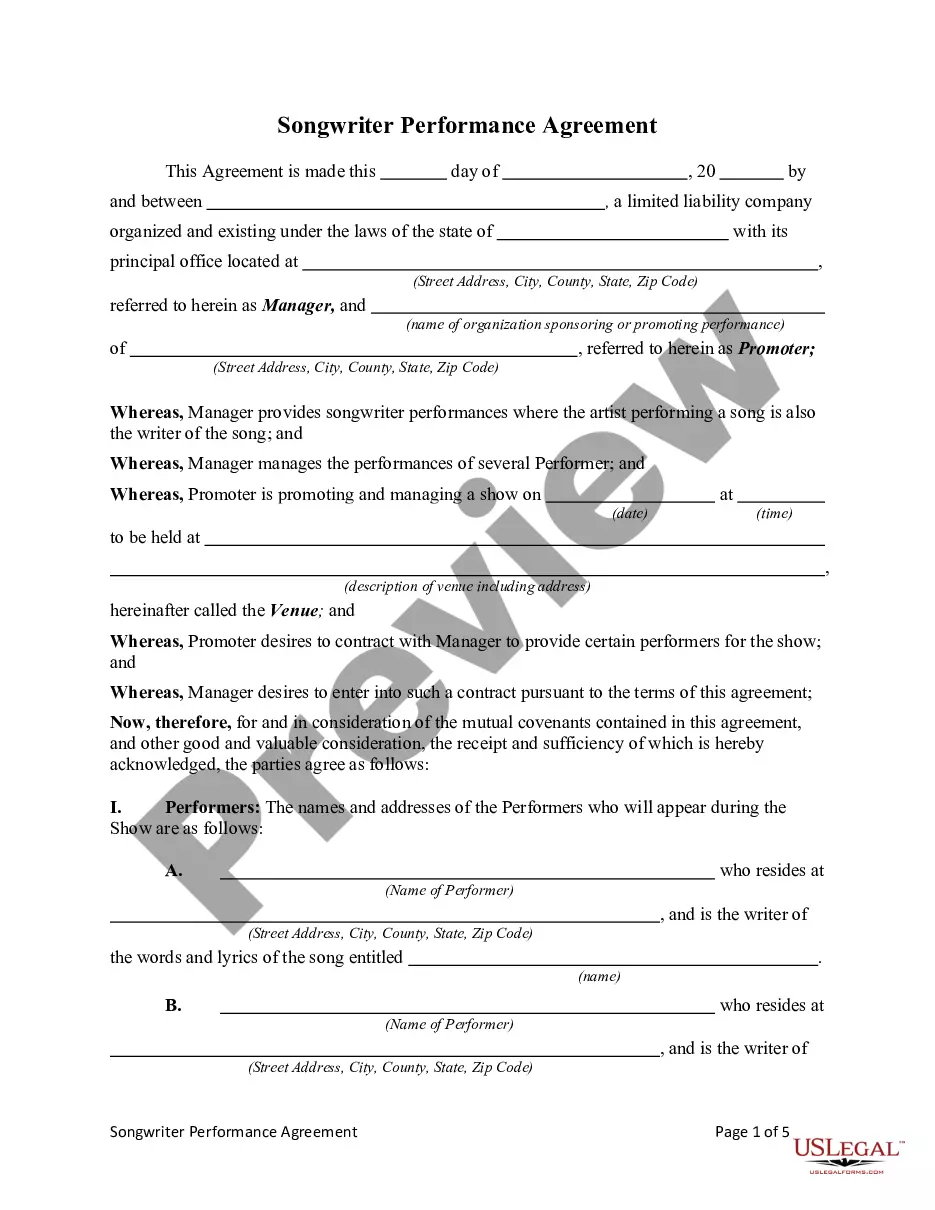
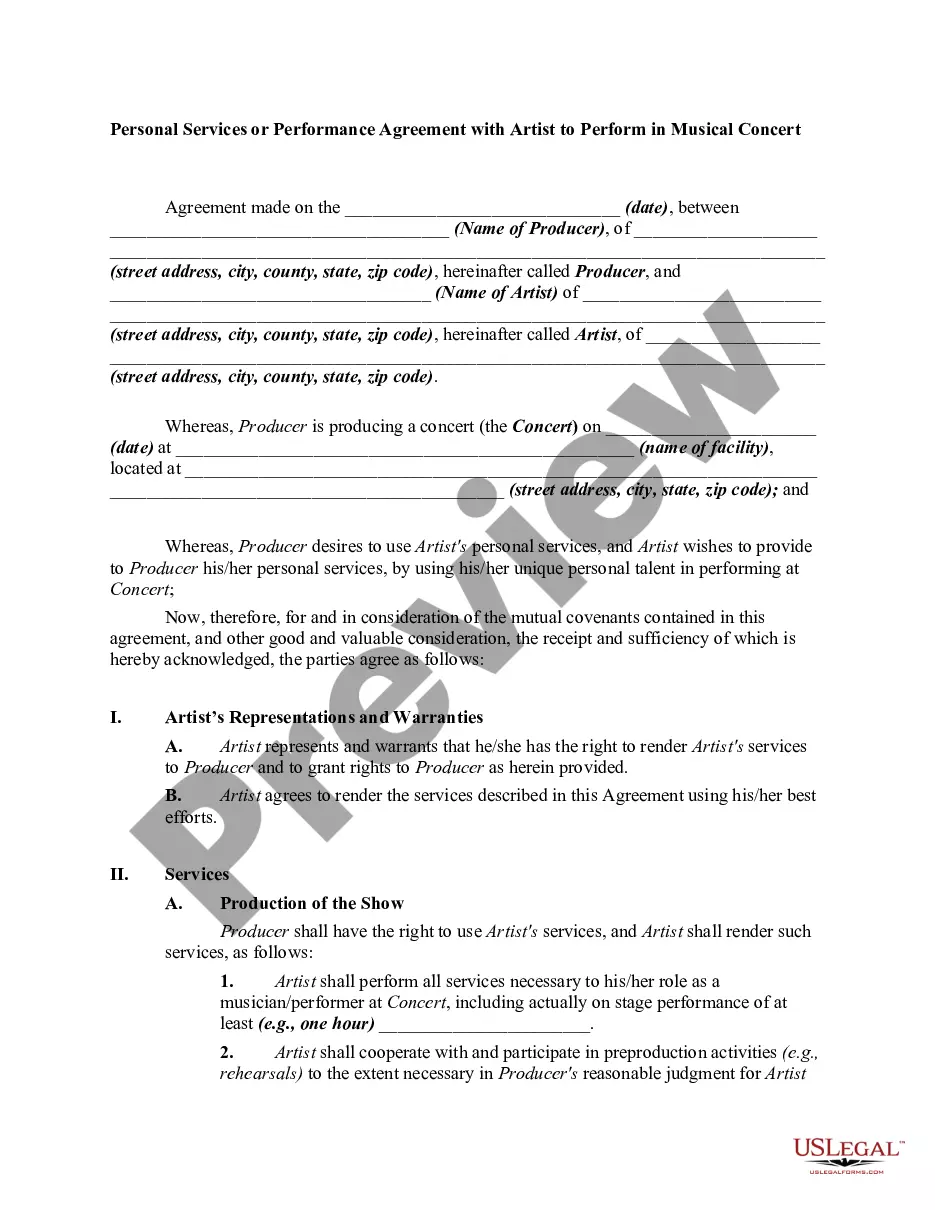
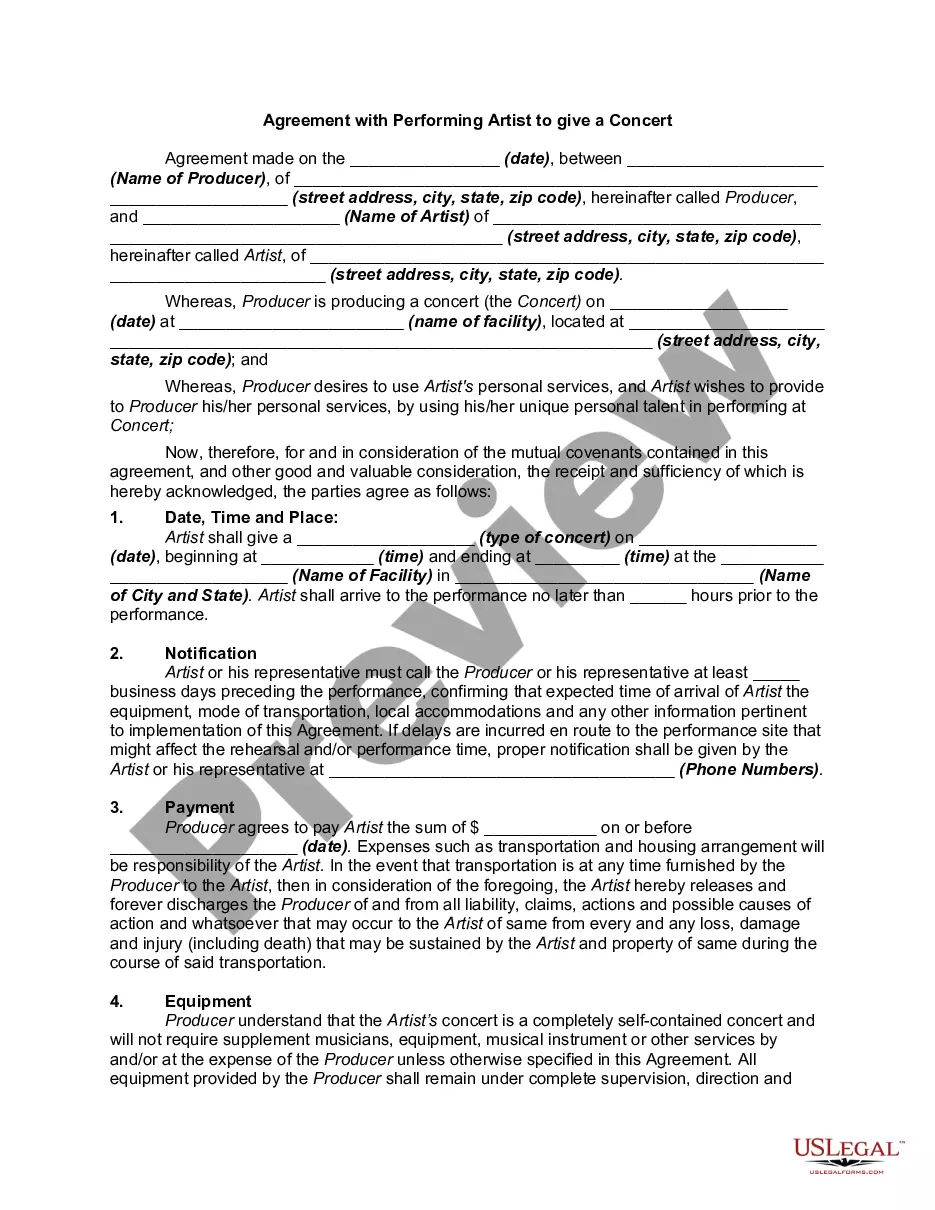
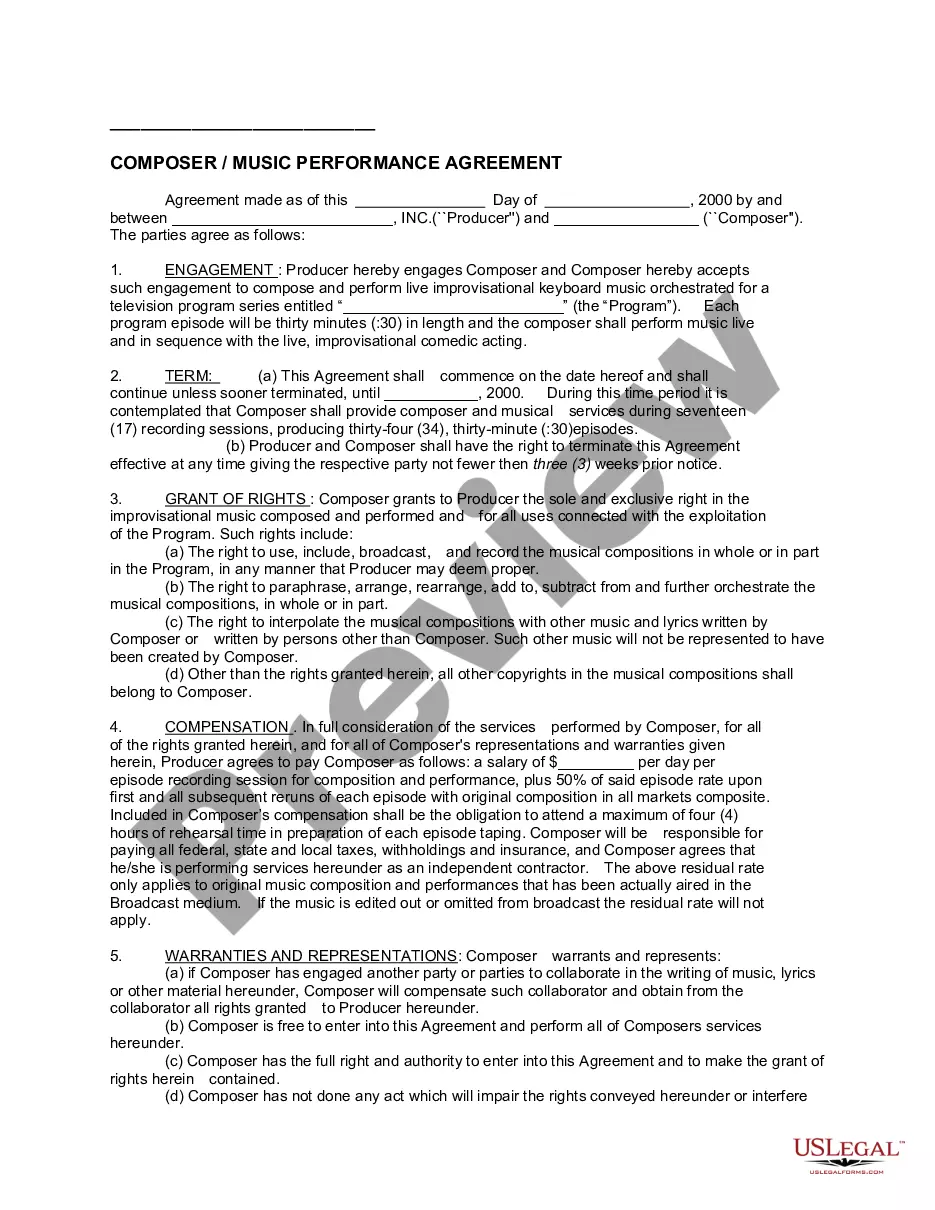
Get your form ready online
Our built-in tools help you complete, sign, share, and store your documents in one place.
Make edits, fill in missing information, and update formatting in US Legal Forms—just like you would in MS Word.
Download a copy, print it, send it by email, or mail it via USPS—whatever works best for your next step.
Sign and collect signatures with our SignNow integration. Send to multiple recipients, set reminders, and more. Go Premium to unlock E-Sign.
If this form requires notarization, complete it online through a secure video call—no need to meet a notary in person or wait for an appointment.
We protect your documents and personal data by following strict security and privacy standards.

Make edits, fill in missing information, and update formatting in US Legal Forms—just like you would in MS Word.

Download a copy, print it, send it by email, or mail it via USPS—whatever works best for your next step.

Sign and collect signatures with our SignNow integration. Send to multiple recipients, set reminders, and more. Go Premium to unlock E-Sign.

If this form requires notarization, complete it online through a secure video call—no need to meet a notary in person or wait for an appointment.

We protect your documents and personal data by following strict security and privacy standards.
Looking for another form?

Form popularity
FAQ
Follow these steps to put an effective performance agreement in place for your staff: Start With Clear Expectations. Build in Milestones. Agree on the Terms. Schedule Accountability Meetings. Establish Outcome Results and Consequences. Sign and Date the Agreement.
Performance agreements define executive accountability for specific organizational goals, help executives align daily operations, and clarify how work unit activities contribute to the agency's goals and objectives. Collaboration across organizational boundaries.
How to write employee performance reviews Step 1: Review the employee's current job description. Step 2: Review past employee performance reviews. Step 3: Highlight areas of improvement. Step 4: Identify strengths and weaknesses (and chart progress) ... Step 5: Provide actionable goals. Step 6: Include 360-degree feedback.
Never discuss personality traits—especially negative ones. You can say, “You have a fabulous attitude.” But saying, “Your attitude isn't great” focuses on personality, not performance. Maybe your employee does have a bad attitude.
Simple, Direct, Honest, Personal, And Blunt: How The 5-Word Performance Review Works Wonders - Fast Company.
When you fill the form: Be honest and critical. Analyze your failures and mention the reasons for it. Keep the words minimal. Identify weaknesses. Mention your achievements. Link achievements to the job description and the organization's goals. Set the goals for the next review period. Resolve conflicts and grievances.
Follow these steps to put an effective performance agreement in place for your staff: Start With Clear Expectations. Build in Milestones. Agree on the Terms. Schedule Accountability Meetings. Establish Outcome Results and Consequences. Sign and Date the Agreement.
All five component processes (i.e., planning, monitoring, developing, rating, rewarding) work together and support each other, resulting in natural, effective performance management. Effective employee performance management encompasses the five key components presented above.
As with all contracts, a performance contract is a mutual agreement, and both parties should willingly agree to the terms and conditions of the contract. The performance objectives, metrics, and timeline must be clearly defined. It should be transparent and encapsulate the shared understanding of the expectations.
