Performance Agreement For Supply Chain Manager In Houston
Description

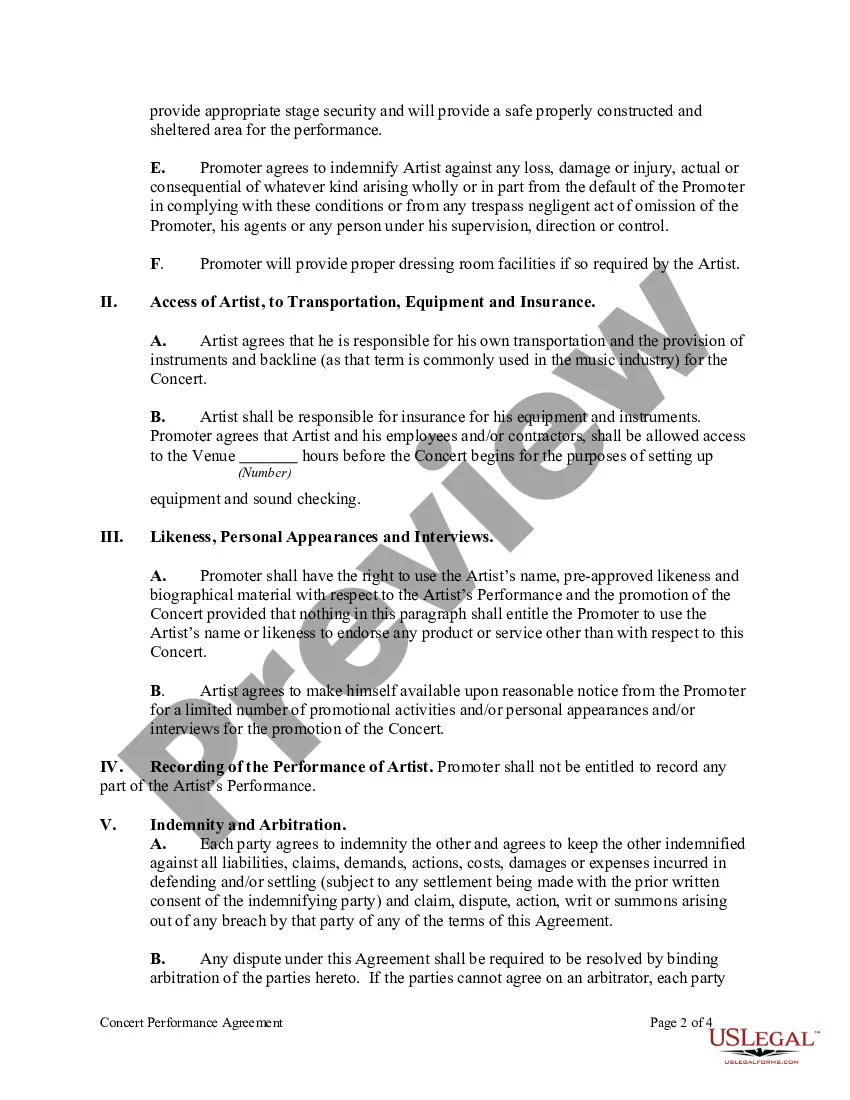
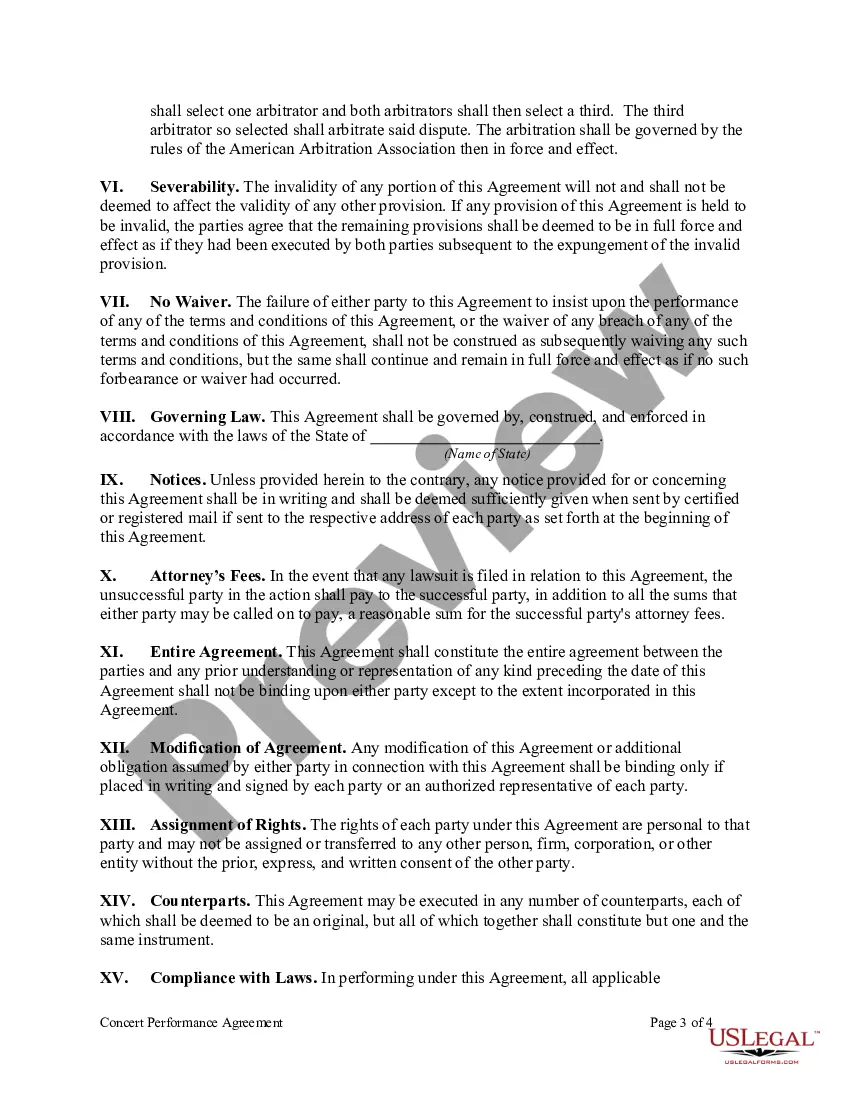
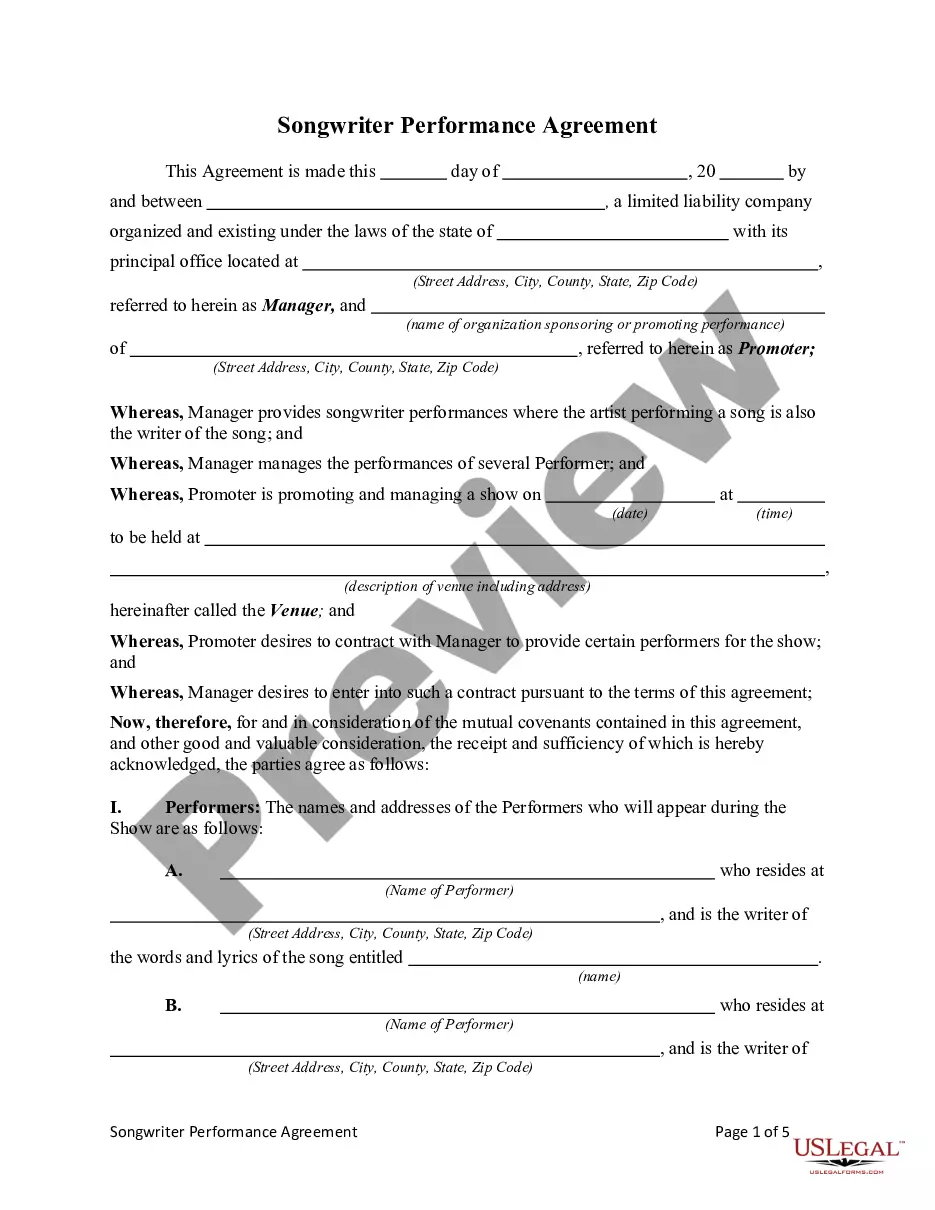
Get your form ready online
Our built-in tools help you complete, sign, share, and store your documents in one place.
Make edits, fill in missing information, and update formatting in US Legal Forms—just like you would in MS Word.
Download a copy, print it, send it by email, or mail it via USPS—whatever works best for your next step.
Sign and collect signatures with our SignNow integration. Send to multiple recipients, set reminders, and more. Go Premium to unlock E-Sign.
If this form requires notarization, complete it online through a secure video call—no need to meet a notary in person or wait for an appointment.
We protect your documents and personal data by following strict security and privacy standards.

Make edits, fill in missing information, and update formatting in US Legal Forms—just like you would in MS Word.

Download a copy, print it, send it by email, or mail it via USPS—whatever works best for your next step.

Sign and collect signatures with our SignNow integration. Send to multiple recipients, set reminders, and more. Go Premium to unlock E-Sign.

If this form requires notarization, complete it online through a secure video call—no need to meet a notary in person or wait for an appointment.

We protect your documents and personal data by following strict security and privacy standards.
Looking for another form?






Form popularity
FAQ
How to Become a Supply Chain Planner. To begin a supply chain planner career, you need a bachelor's degree in a relevant area of study, like supply chain management, logistics, or business, plus previous job experience with duties relating to business partnerships and inventory management.
Contract management is defined as the overall process of effectively planning, administering and managing commercial contracts with various entities such as vendors, partners, customers, and employees at all stages of their engagement with a business.
Contract management is a systematic process of managing contracts to minimize operational and functional risks and optimize vendor performance. It involves contract creation, execution, and analysis. Depending on the business operations, it also consists of termination of contracts.
Some examples of Contract Management activities are: Phone calls with suppliers; Meetings with suppliers; Score carding of suppliers; Site visits; Analysing performance information; Problem solving; Benchmarking against other similar contracts/suppliers; Analysing management information.
Exploring the key stages of the contract management lifecycle Stage 1: Contract Initiation. Stage 2: Contract Creation and Negotiation. Stage 3: Contract Approval. Stage 4: Contract Execution. Stage 5: Contract Monitoring and Management. Stage 6: Contract Renewal or Termination.
Contract management is a systematic process of managing contracts to minimize operational and functional risks and optimize vendor performance. It involves contract creation, execution, and analysis. Depending on the business operations, it also consists of termination of contracts.
Application performance monitoring (APM) is the practice of tracking key software application performance metrics using monitoring software and telemetry data. Practitioners use APM to ensure system availability, optimize service performance and response times, and improve user experiences.
In the construction industry, Assistant Project Managers (APMs) work directly under Project Managers to help oversee and coordinate the successful completion of construction projects.
The contract sets out those obligations and the actions that can be taken if they are not met. Definition from APM Body of Knowledge 7th edition. Contracts can set expectations between project professionals and suppliers – understanding what contract is being used can prevent issues that hinder project delivery.
Procurement, Logistics, and Supply Chain Management are some of the fastest growing fields nationwide. ing to the U.S. Bureau of Labor Statistics, employment of logisticians is projected to grow 30 percent from 2020 to 2030, much faster than the average for all occupations.
