Performance Agreement For Supply Chain Manager In Harris
Description

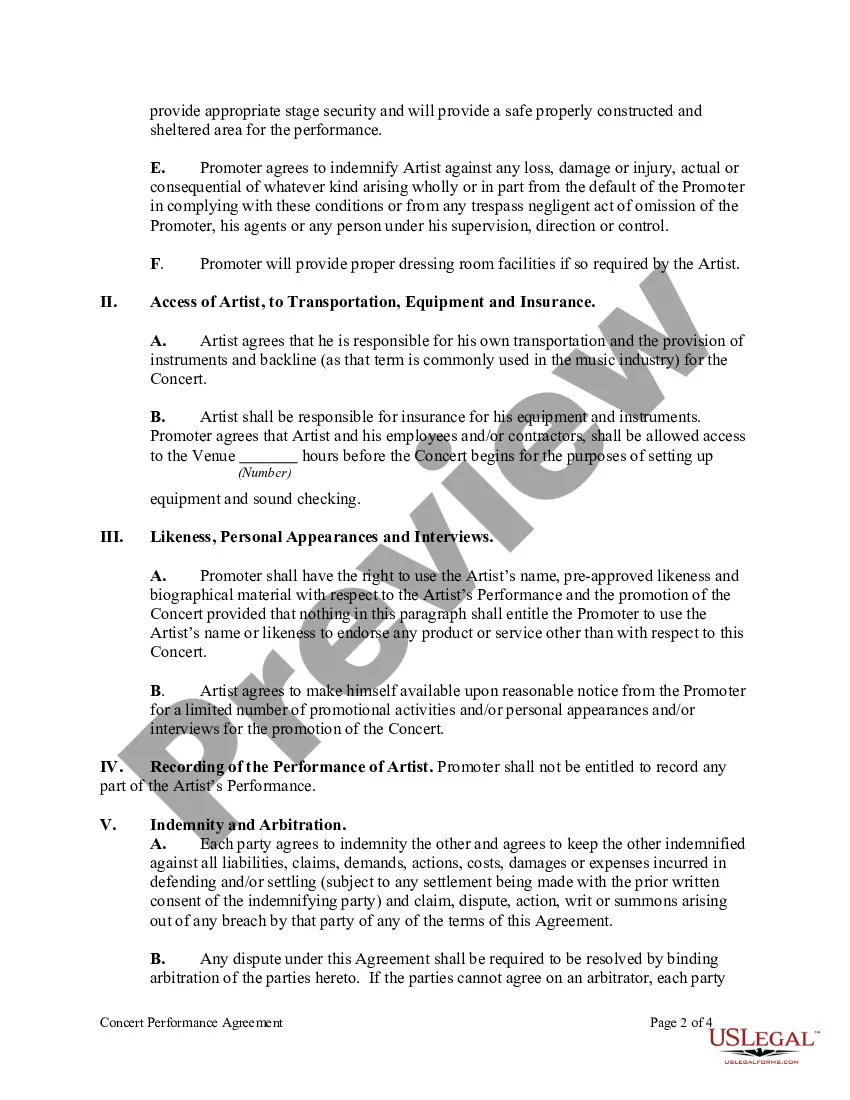
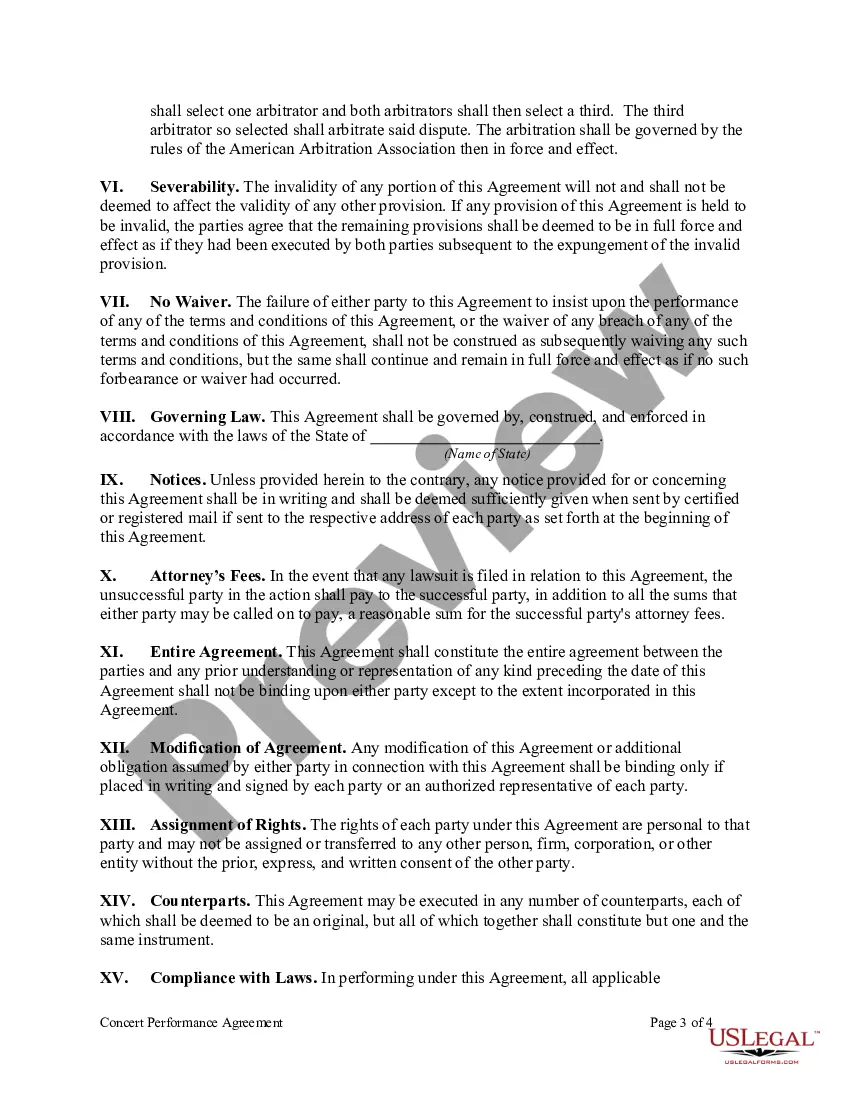
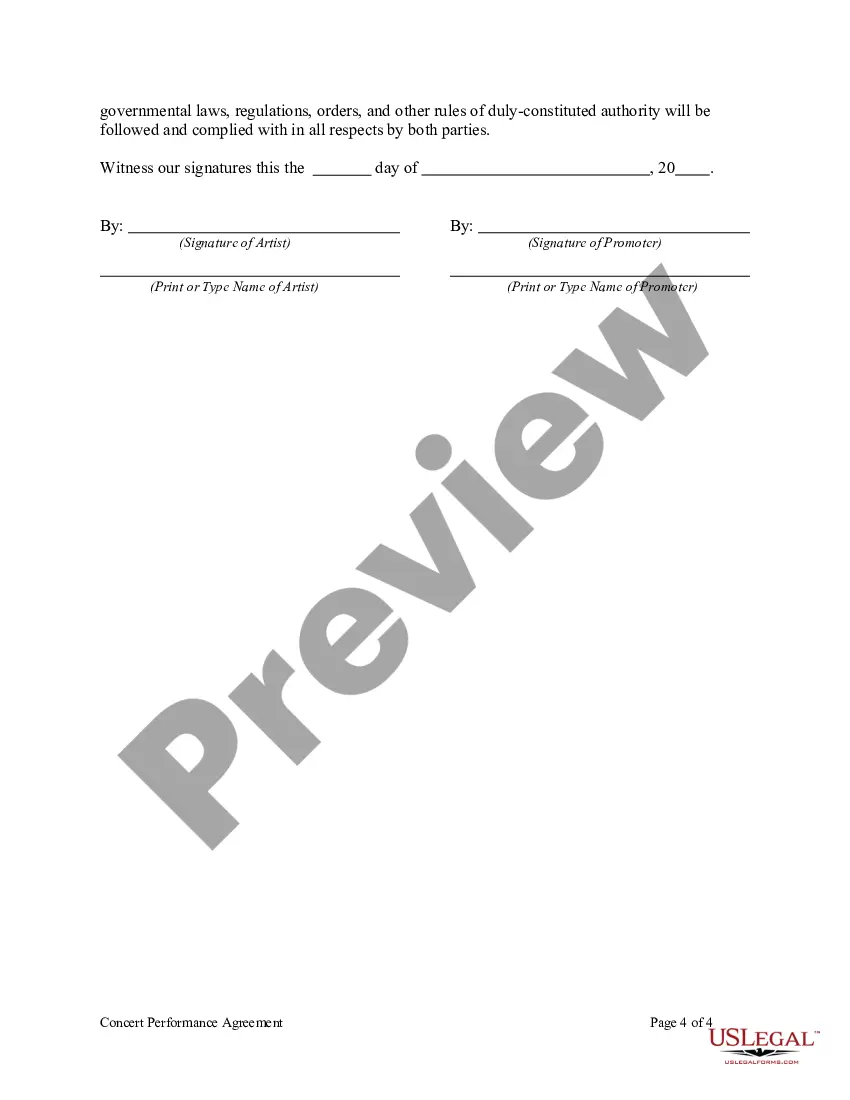
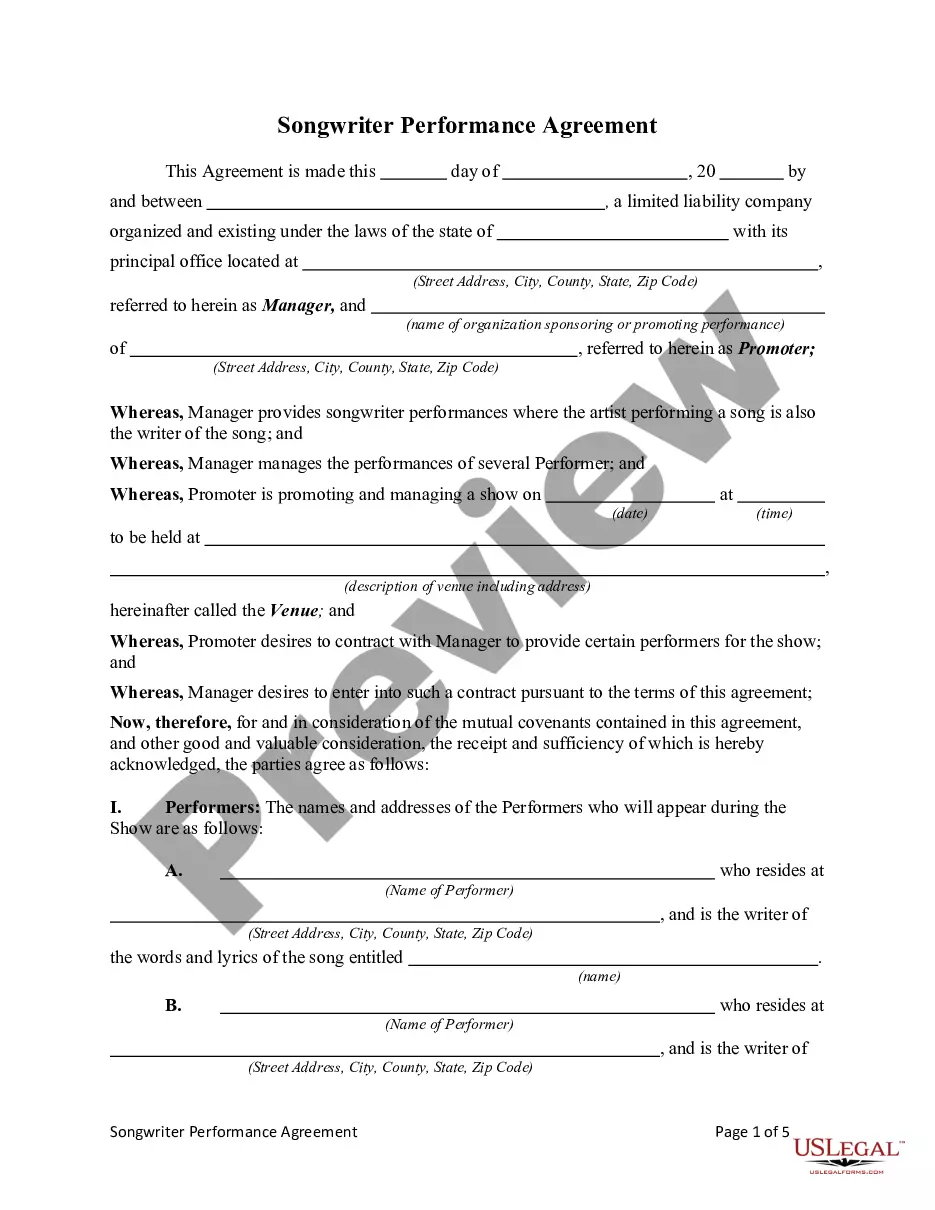
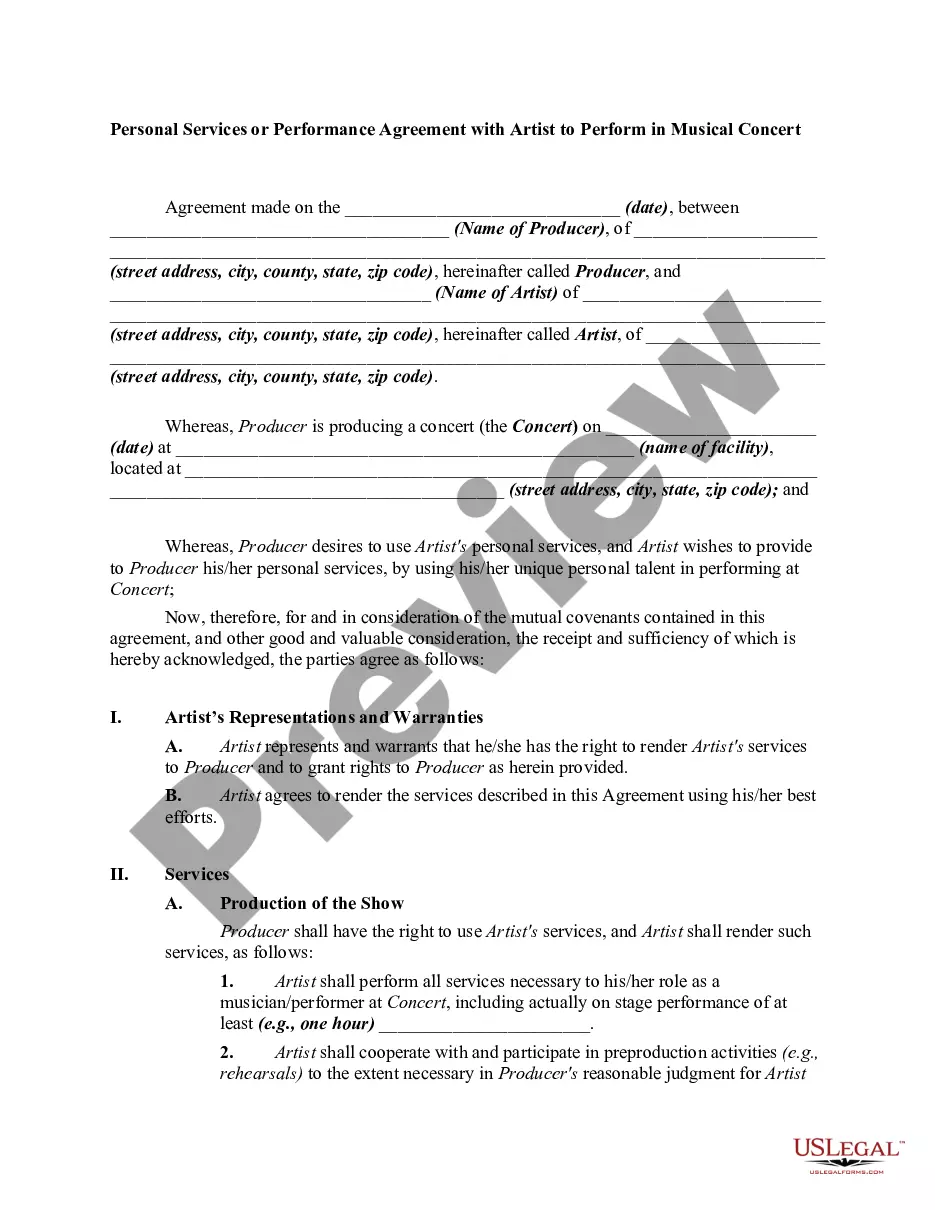
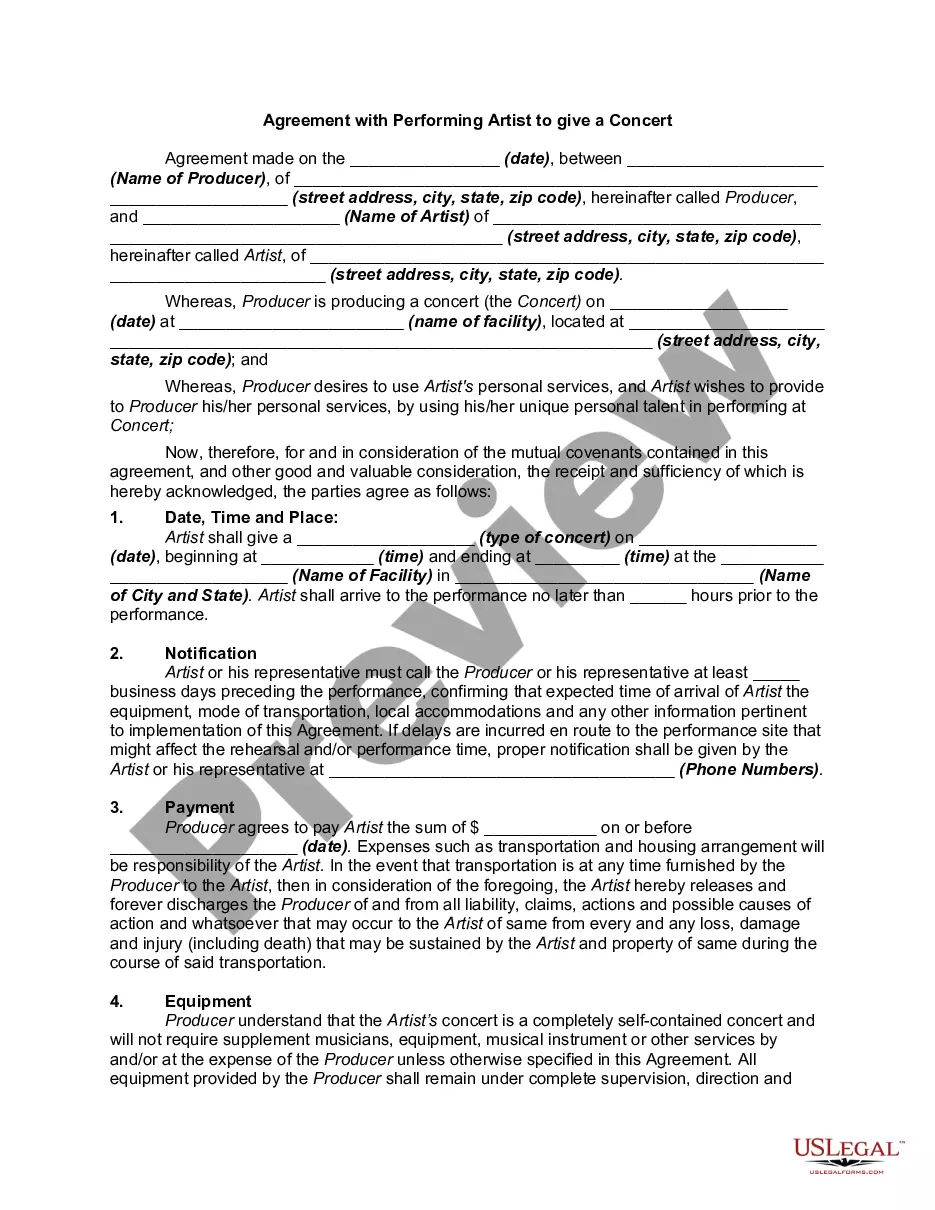
Get your form ready online
Our built-in tools help you complete, sign, share, and store your documents in one place.
Make edits, fill in missing information, and update formatting in US Legal Forms—just like you would in MS Word.
Download a copy, print it, send it by email, or mail it via USPS—whatever works best for your next step.
Sign and collect signatures with our SignNow integration. Send to multiple recipients, set reminders, and more. Go Premium to unlock E-Sign.
If this form requires notarization, complete it online through a secure video call—no need to meet a notary in person or wait for an appointment.
We protect your documents and personal data by following strict security and privacy standards.

Make edits, fill in missing information, and update formatting in US Legal Forms—just like you would in MS Word.

Download a copy, print it, send it by email, or mail it via USPS—whatever works best for your next step.

Sign and collect signatures with our SignNow integration. Send to multiple recipients, set reminders, and more. Go Premium to unlock E-Sign.

If this form requires notarization, complete it online through a secure video call—no need to meet a notary in person or wait for an appointment.

We protect your documents and personal data by following strict security and privacy standards.
Looking for another form?








Form popularity
FAQ
The Indo-Pacific Economic Framework for Prosperity (IPEF) Agreement Relating to Supply Chain Resilience, generally referred to as the Supply Chain Agreement, provides the tools for IPEF partners to identify supply chain vulnerabilities and work together to prevent, mitigate, and respond to disruptions that risk harm to ...
IPEF was launched jointly by the USA and other partner countries of the Indo-Pacific region on at Tokyo. IPEF has 14 partner countries including Australia, Brunei, Fiji, India, Indonesia, Japan, Republic of Korea, Malaysia, New Zealand, Philippines, Singapore, Thailand, Vietnam & USA.
Since its launch, the IPEF Partners have engaged in intensive discussions to scope out each of the four pillars of the Framework, covering Trade; Supply Chains; Clean Economy; and Fair Economy respectively.
IPEF aims to establish “high-standard commitments” in four pillars: (1) Connected Economy (selected trade issues); (2) Resilient Economy (supply chains); (3) Clean Economy (clean energy, decarbonization, infrastructure); and (4) Fair Economy (tax, anti-corruption issues).
Recently, India has been elected as Vice-Chair of the Supply Chain Council which is one of the three bodies set up by the 14-member Indo-Pacific Economic Framework (IPEF) bloc.
These agreements outline the terms and conditions under which the parties will collaborate and interact within the supply chain. They are important because they provide a legal framework that governs the relationships and responsibilities of the parties involved, ensuring clarity, transparency, and accountability.
How to write a supply chain cover letter Review the job description. Outline your cover letter. Add the company's information. Start with a greeting. Write the main content. Format your cover letter. End with a strong closing paragraph. Review your cover letter.
Firstly, an efficient supply chain optimizes internal processes such as inventory management and production planning. This helps to minimize the costs and lead times associated with these activities, thus improving the company's overall profitability.
Because supply chains are essential for almost every industry and organization, a degree in Supply Chain Management can lead to numerous career paths. These include: Supply chain analysts analyze data and methods to forecast disruptions and work to improve overall supply chain operations.
