Petition Custody Form With Court In Virginia
Description

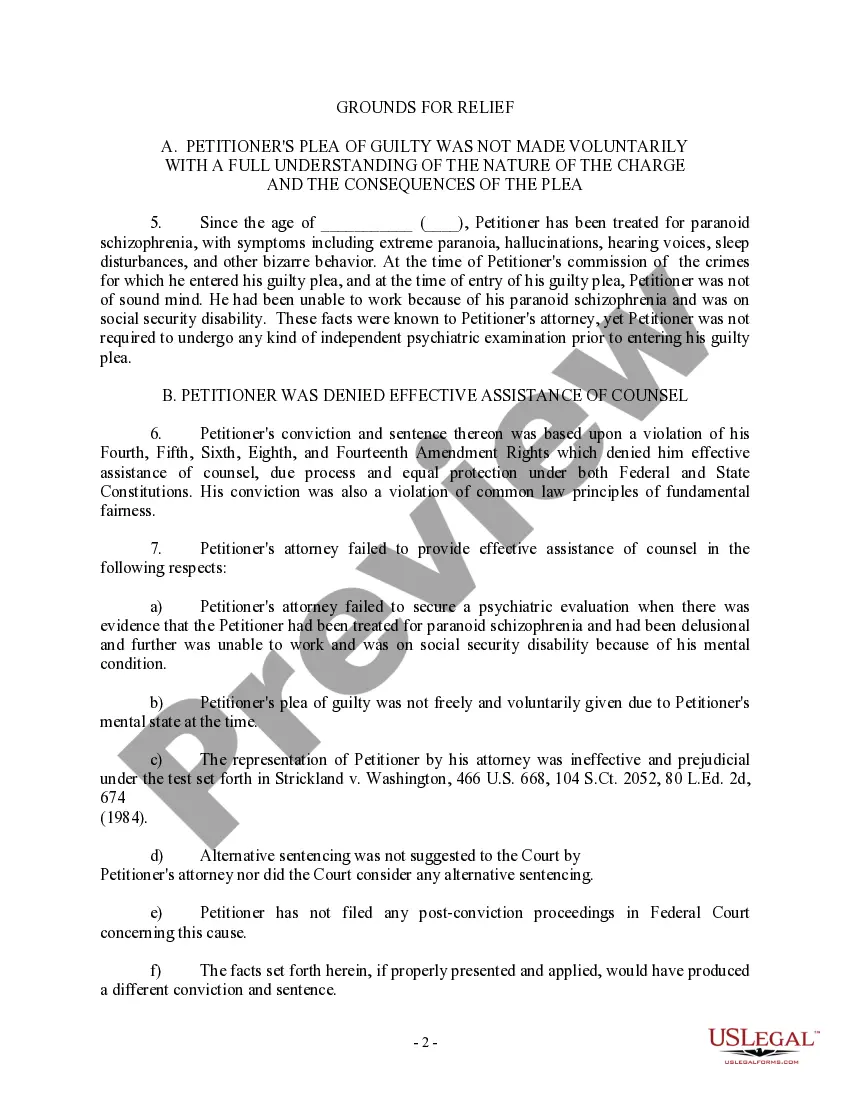
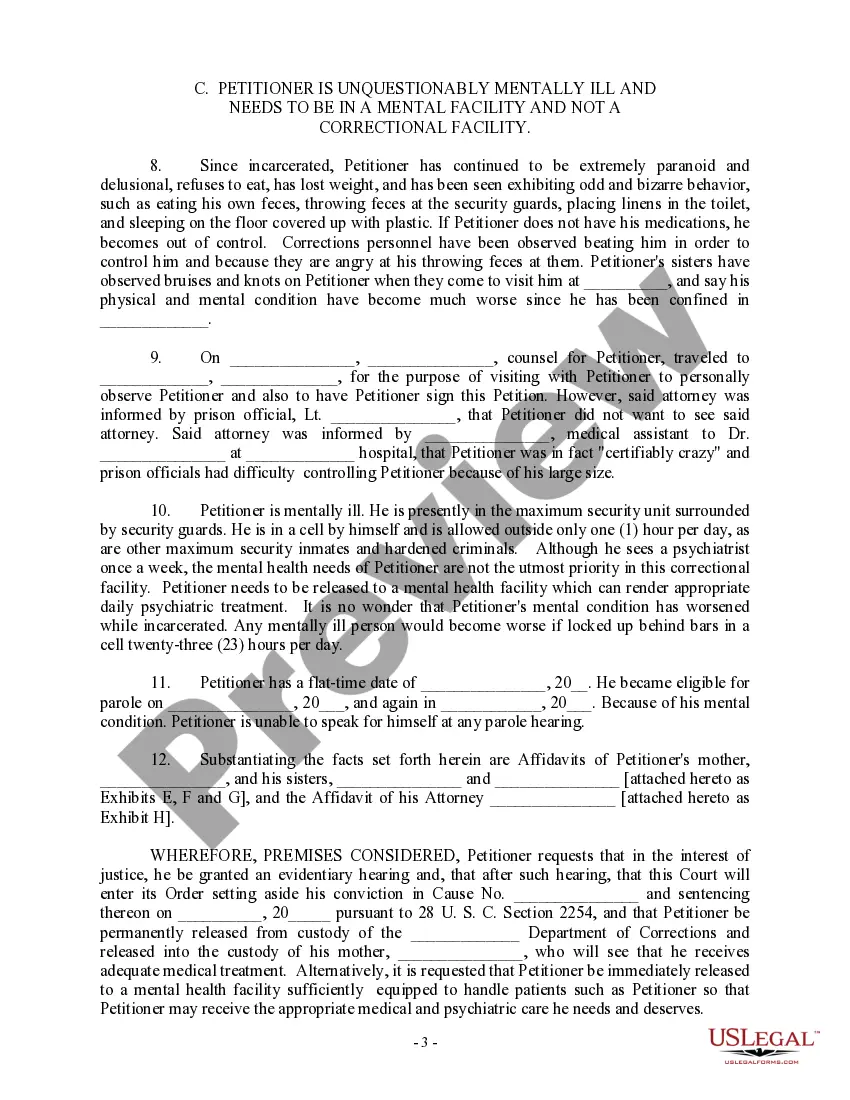
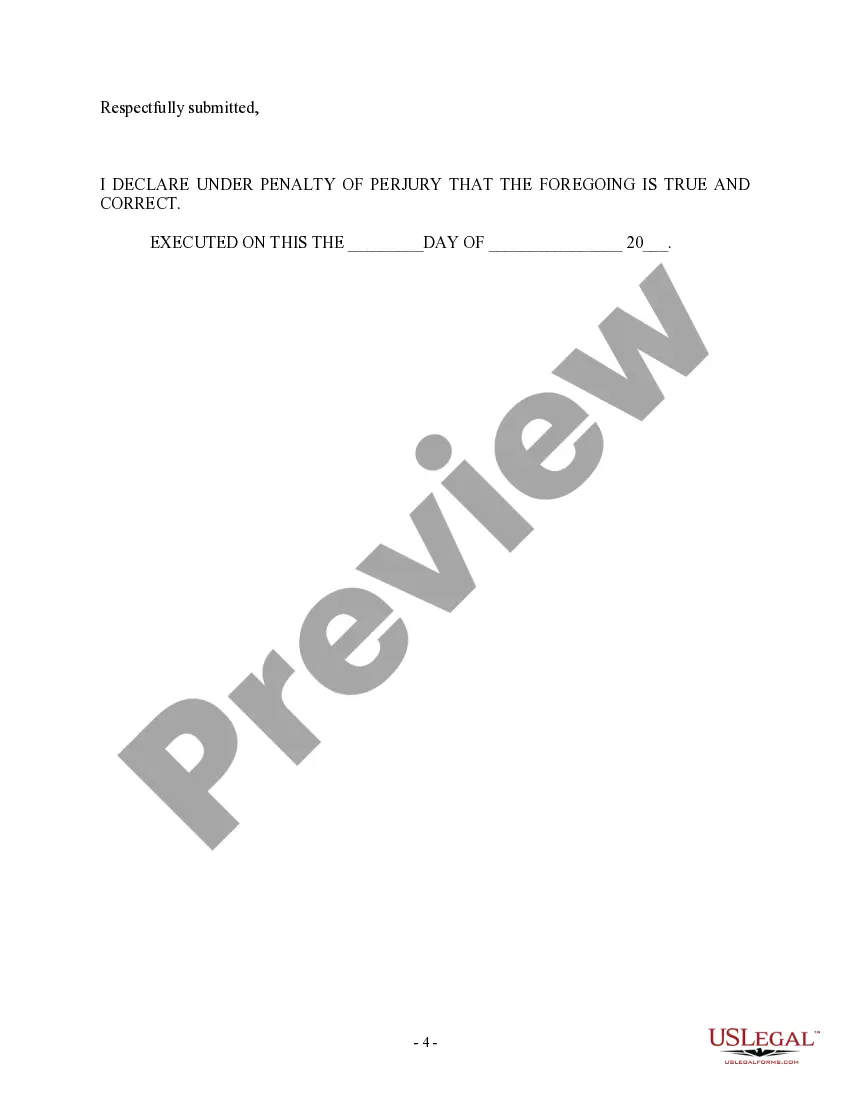
Get your form ready online
Our built-in tools help you complete, sign, share, and store your documents in one place.
Make edits, fill in missing information, and update formatting in US Legal Forms—just like you would in MS Word.
Download a copy, print it, send it by email, or mail it via USPS—whatever works best for your next step.
Sign and collect signatures with our SignNow integration. Send to multiple recipients, set reminders, and more. Go Premium to unlock E-Sign.
If this form requires notarization, complete it online through a secure video call—no need to meet a notary in person or wait for an appointment.
We protect your documents and personal data by following strict security and privacy standards.

Make edits, fill in missing information, and update formatting in US Legal Forms—just like you would in MS Word.

Download a copy, print it, send it by email, or mail it via USPS—whatever works best for your next step.

Sign and collect signatures with our SignNow integration. Send to multiple recipients, set reminders, and more. Go Premium to unlock E-Sign.

If this form requires notarization, complete it online through a secure video call—no need to meet a notary in person or wait for an appointment.

We protect your documents and personal data by following strict security and privacy standards.
Looking for another form?



Form popularity
FAQ
The following are six critical sections that must be included: Title. This is either your name (“Affidavit of Jane Doe”) or the specific case information. Statement of identity. The next paragraph tells the court about yourself. Statement of truth. Statement of facts. Closing statement of truth. Sign and notarize.
Disrespectful Language : Avoid using any form of disrespect, such as insults, sarcasm, or derogatory remarks about the judge, the opposing party, or even the legal system. Negative Comments About the Other Parent : Speaking poorly about the other parent can reflect badly on you. Emotional Outbursts
Specific details should include the agreed-upon arrangements for schooling, medical care, and extracurricular activities. Clarity in the joint custody affidavit helps the court understand the cooperative relationship between parents, promoting the child's overall welfare.
In the first paragraph, state how you know the person and attest to their character. Second paragraph show how loving and caring they are with their child. Third paragraph show how bonded the child is to the parents and give examples.
The Most Common Mistakes Made in California Child Custody Cases. Failing to respond to a child custody case will not make the issue go away. Instead, it could lead to a default judgment. This means that whatever the other party is requesting will most likely be granted by the judge because you have not given any input.
Provide a concise summary of the key issues and events pertaining to the custody situation. Focus on highlighting factors that would be in the best interests of any children involved, such as stability, safety, and meeting the children's needs. Avoid making accusations or attacking your former spouse directly.
The affidavit should explicitly discuss how the arrangement aligns with the best interests of the child by protecting his or her health, safety and overall well-being. Supporting facts: details about the preferred arrangement and evidence or documentation proving the individual's ability to meet the child's needs.
The affidavit should explicitly discuss how the arrangement aligns with the best interests of the child by protecting his or her health, safety and overall well-being. Supporting facts: details about the preferred arrangement and evidence or documentation proving the individual's ability to meet the child's needs.
A child custody affidavit must be in writing; verbal affidavits are not acceptable. In addition, the document must be signed by the individual and notarized (witnessed and signed by a notary). Notarization confirms that you swore as to the truth of the statements made under penalty of perjury.
The procedure, like with most affidavits, is fairly straightforward. The document requires one or both parents to act as Deponent(s) and swear that the ward in question is indeed their first born child and that they are drafting it for the purpose of the ward's admission in a particular educational institution.
