Define Habeas Corpus In Government In Montgomery
Description

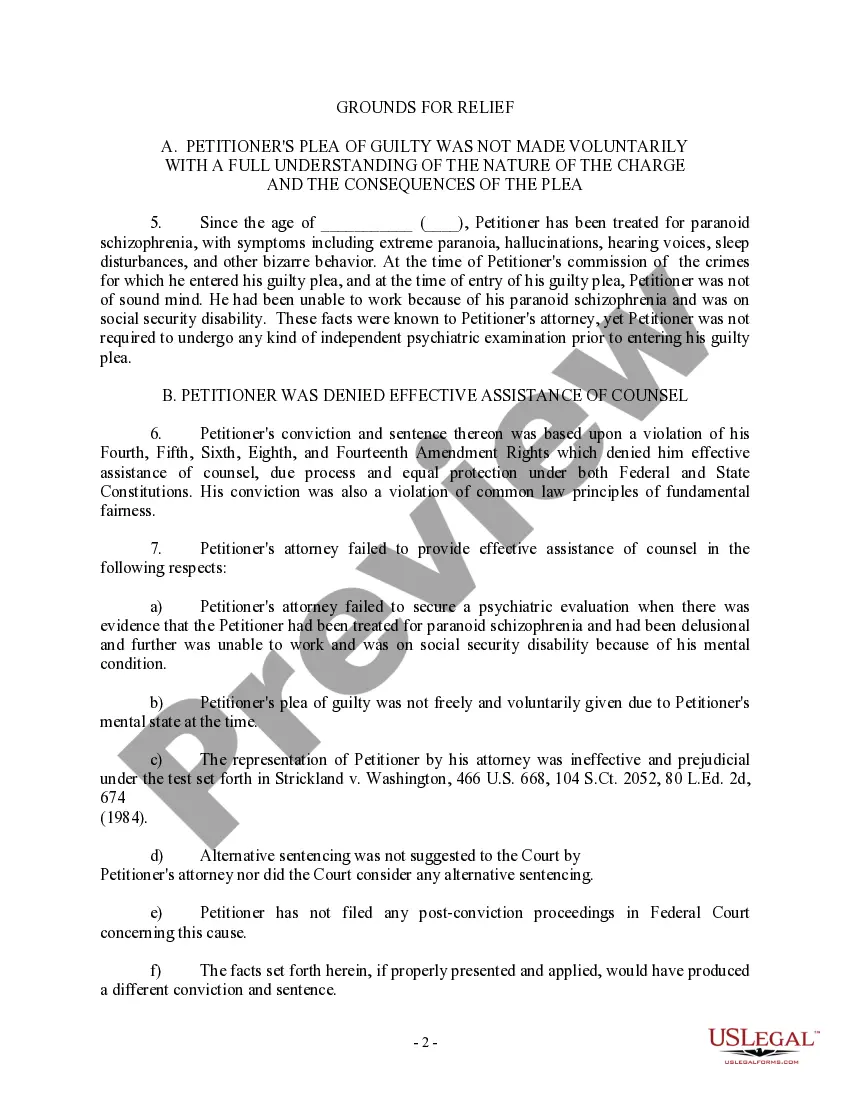
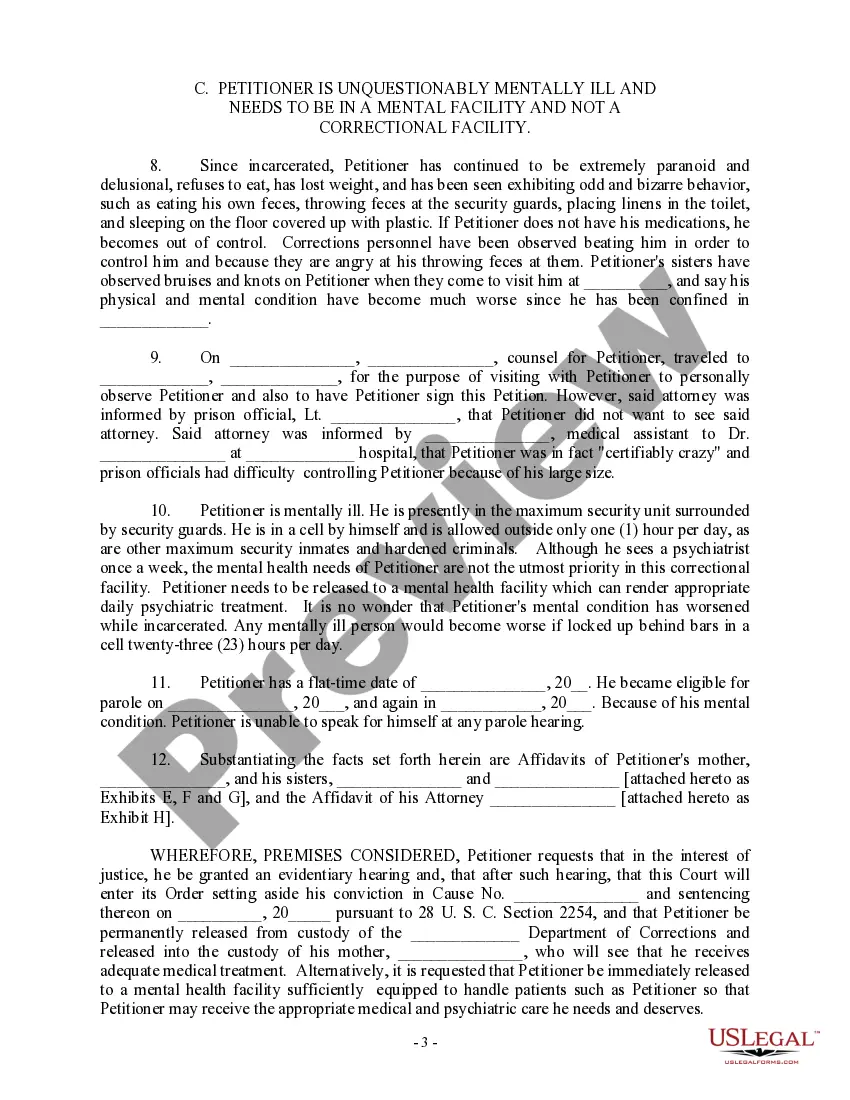
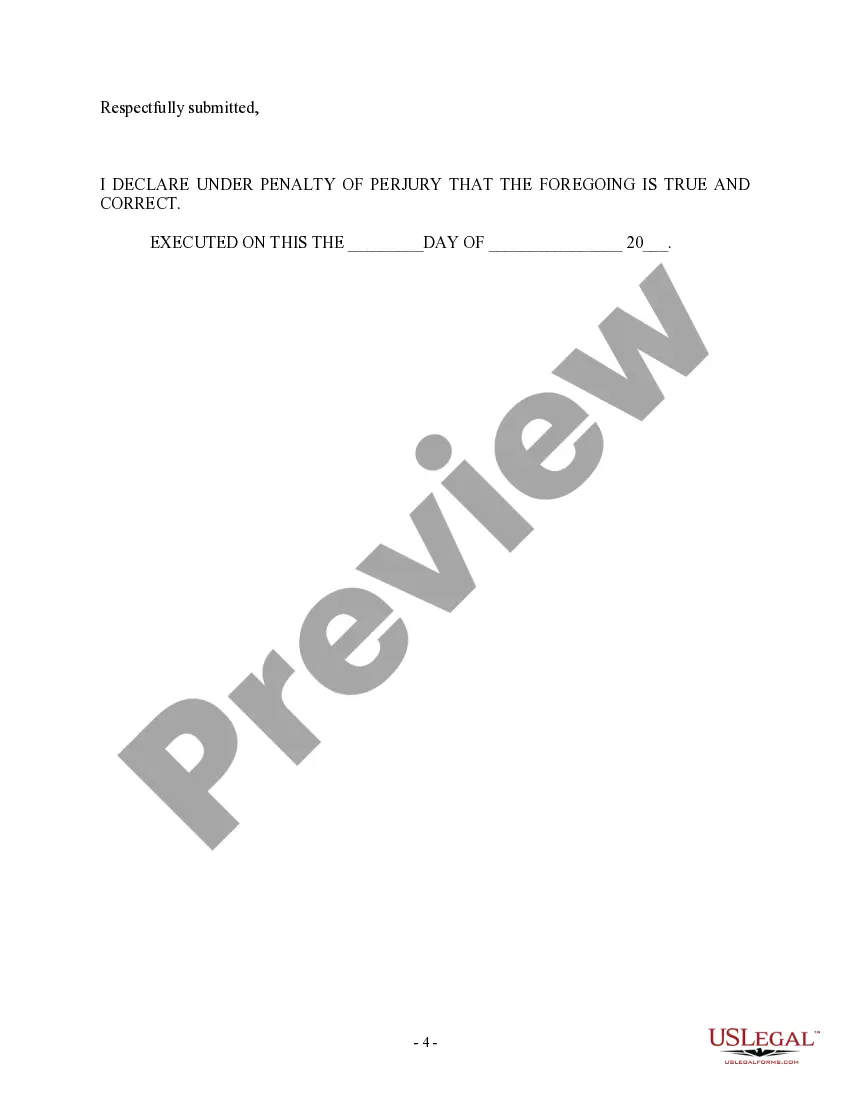
Get your form ready online
Our built-in tools help you complete, sign, share, and store your documents in one place.
Make edits, fill in missing information, and update formatting in US Legal Forms—just like you would in MS Word.
Download a copy, print it, send it by email, or mail it via USPS—whatever works best for your next step.
Sign and collect signatures with our SignNow integration. Send to multiple recipients, set reminders, and more. Go Premium to unlock E-Sign.
If this form requires notarization, complete it online through a secure video call—no need to meet a notary in person or wait for an appointment.
We protect your documents and personal data by following strict security and privacy standards.

Make edits, fill in missing information, and update formatting in US Legal Forms—just like you would in MS Word.

Download a copy, print it, send it by email, or mail it via USPS—whatever works best for your next step.

Sign and collect signatures with our SignNow integration. Send to multiple recipients, set reminders, and more. Go Premium to unlock E-Sign.

If this form requires notarization, complete it online through a secure video call—no need to meet a notary in person or wait for an appointment.

We protect your documents and personal data by following strict security and privacy standards.
Looking for another form?










Form popularity
FAQ
Abraham Lincoln, General Orders No. 141, September 25, 1862 (Gilder Lehrman Collection) The doctrine of habeas corpus is the right of any person under arrest to appear in person before the court, to ensure that they have not been falsely accused.
The Writ of Habeas Corpus protects prison inmates from false imprisonment to ensure people are not thrown into jail unlawfully. Today, it is a highly effective post-conviction tool that can be used by inmates to challenge their sentencing conditions.
As a fundamental instrument for safeguarding individual's freedom against arbitrary and lawless state action, the writ of habeas corpus serves as a procedural device, by which executive, judicial, or other governmental restraints on personal liberty are subjected to judicial scrutiny.
President Lincoln used the authority granted him under the Act on September 15, 1863, to suspend habeas corpus throughout the Union in any case involving prisoners of war, spies, traitors, or any member of the military.
The literal meaning of habeas corpus is "you should have the body"—that is, the judge or court should (and must) have any person who is being detained brought forward so that the legality of that person's detention can be assessed.
The literal meaning of habeas corpus is "You shall have the body"—that is, the judge must have the person charged with a crime brought into the courtroom to hear what he's been charged with.
Summary. Federal habeas corpus is a procedure under which a federal court may review the legality of an individual's incarceration. It is most often the stage of the criminal appellate process that follows direct appeal and any available state collateral review.
During Reconstruction, Congress sought to protect Union sympathizers and freedmen whose rights were threatened in the South. The Habeas Corpus Act of 1867 expanded the authority of federal courts to issue writs of habeas corpus for state prisoners.
Personal integrity and physical liberty are well protected by the law, for example by habeas corpus and the criminal law. Can he issue a writ of habeas corpus? If he was brought before a court, he could apply for habeas corpus and be released.
State every ground (reason) that supports your claim that you are being held in violation of the Constitution, laws, or treaties of the United States. Attach additional pages if you have more than four grounds. State the facts supporting each ground. Any legal arguments must be submitted in a separate memorandum.
