Federal Habeas Corpus Form 2241
Description

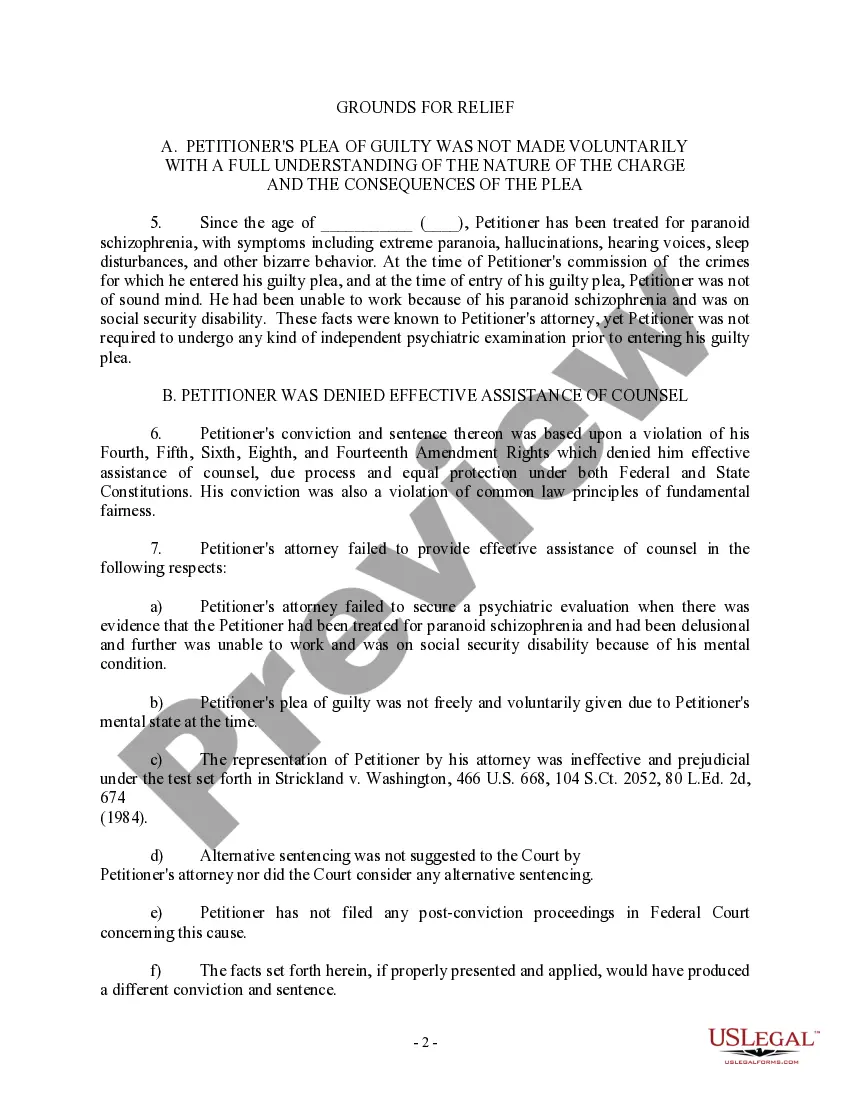
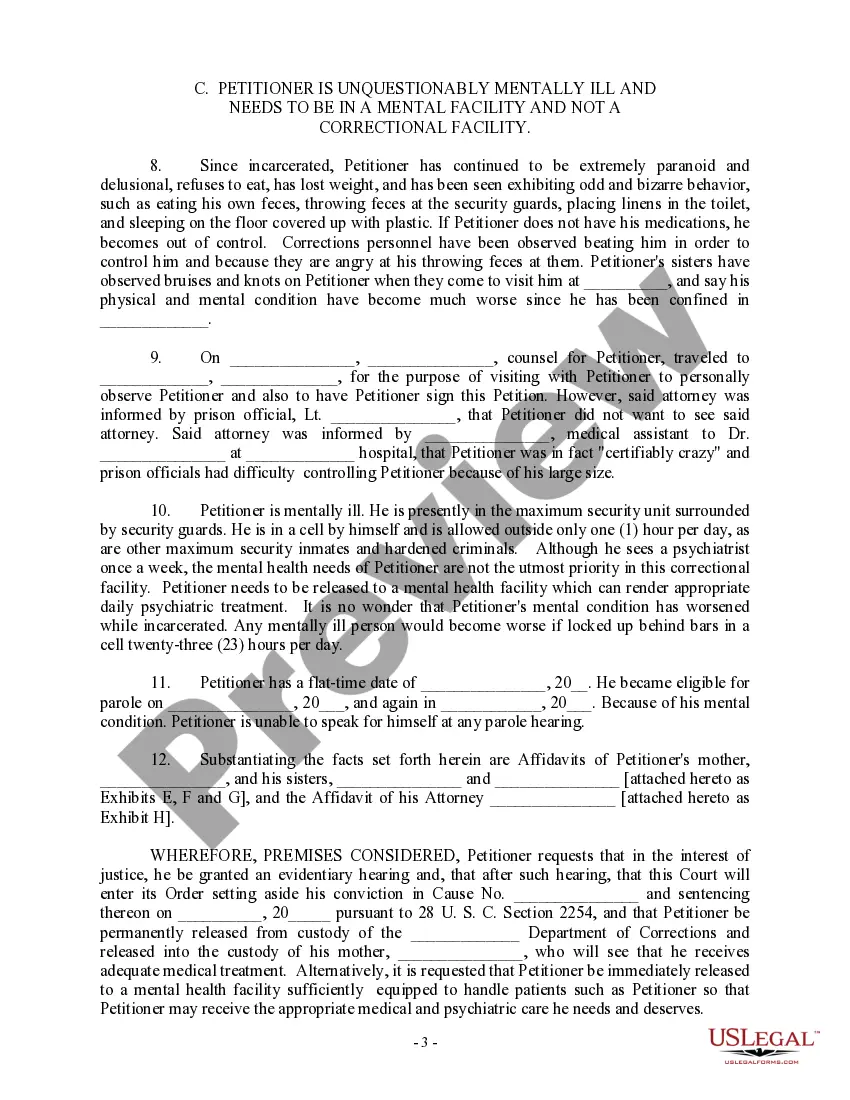



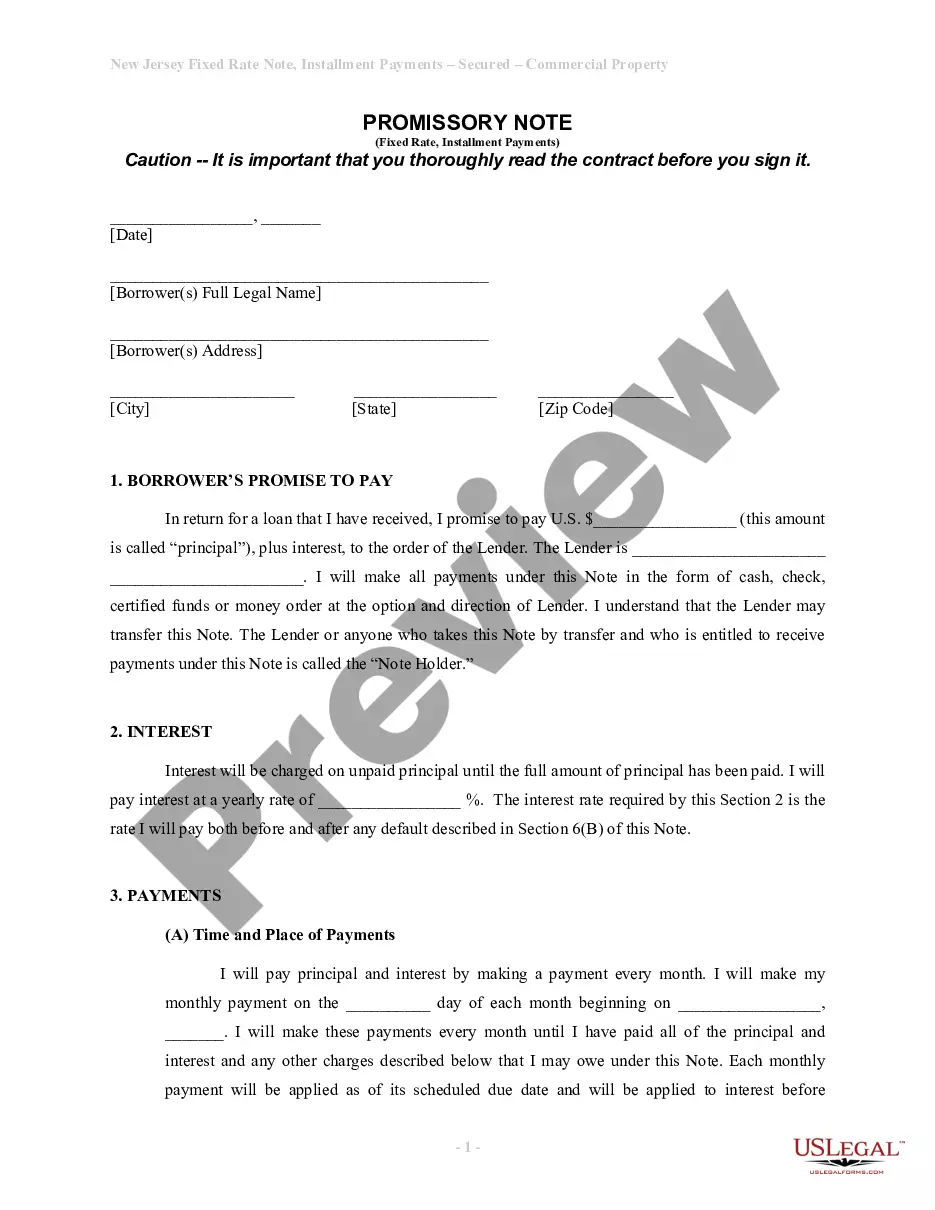
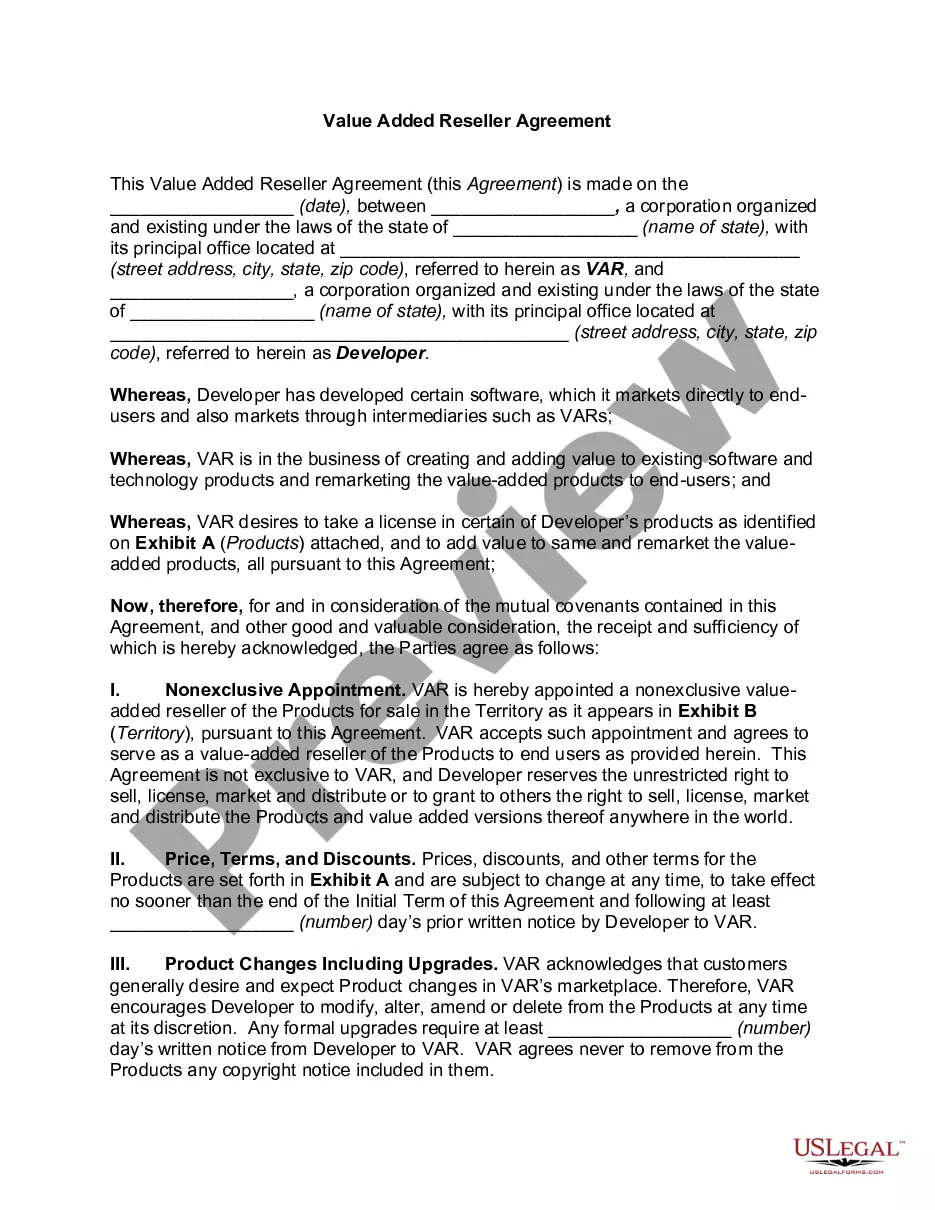
How to fill out Petition For Writ Of Habeas Corpus By A Person In State Custody?
Navigating legal documents can be bewildering, even for the most skilled experts.
When you're in need of a Federal Habeas Corpus Form 2241 and lack the time to search for the correct and up-to-date version, the process can be arduous.
Access a repository of articles, guides, and manuals that pertain to your situation and needs.
Save time and effort in searching for the documents you require, and take advantage of US Legal Forms’ sophisticated search and Review feature to locate Federal Habeas Corpus Form 2241 and obtain it.
Enjoy the US Legal Forms online library, supported by 25 years of expertise and reliability. Turn your routine document management into a seamless and user-friendly process today.
- If you possess a membership, Log In to your US Legal Forms account, search for the form, and download it.
- Check your My documents tab to view the documents you have previously saved and manage your folders as necessary.
- If this is your initial experience with US Legal Forms, create an account and gain unlimited access to all the resources of the library.
- Here are the steps to follow after accessing the form you need.
- Confirm that this is the correct form by previewing it and reviewing its description.
- Access state- or locality-specific legal and organizational documents.
- US Legal Forms encompasses all needs you might have, ranging from personal to business paperwork, all in one spot.
- Utilize cutting-edge tools to complete and manage your Federal Habeas Corpus Form 2241.
Form popularity
FAQ
Detainees and prisoners could file habeas corpus if they felt they were being detained under false pretenses, if there were mistakes with arrest paperwork, or the arresting officer arrested them because of evidence that was planted.
Section 2241 of Title 28 of the United States Code (?28 U.S.C. § 2241?) permits courts to issue writs of habeas corpus where a prisoner establishes that he is in custody in violation of the Constitution or laws or treaties of the United States.
To be successful, you must demonstrate that in some way, your rights were denied or violated in the process of detaining you, meaning you have been detained illegally. Common arguments for granting a habeas corpus petition include: You had incompetent legal counsel or a competent attorney was not provided.
The habeas petition must be in writing and signed and verified either by the petitioner seeking relief or by someone acting on his or her behalf. The petition must name the custodian as the respondent and state the facts concerning the applicant's custody and include the legal basis for the request.