Letter Recovery Document For Android In Texas
Description

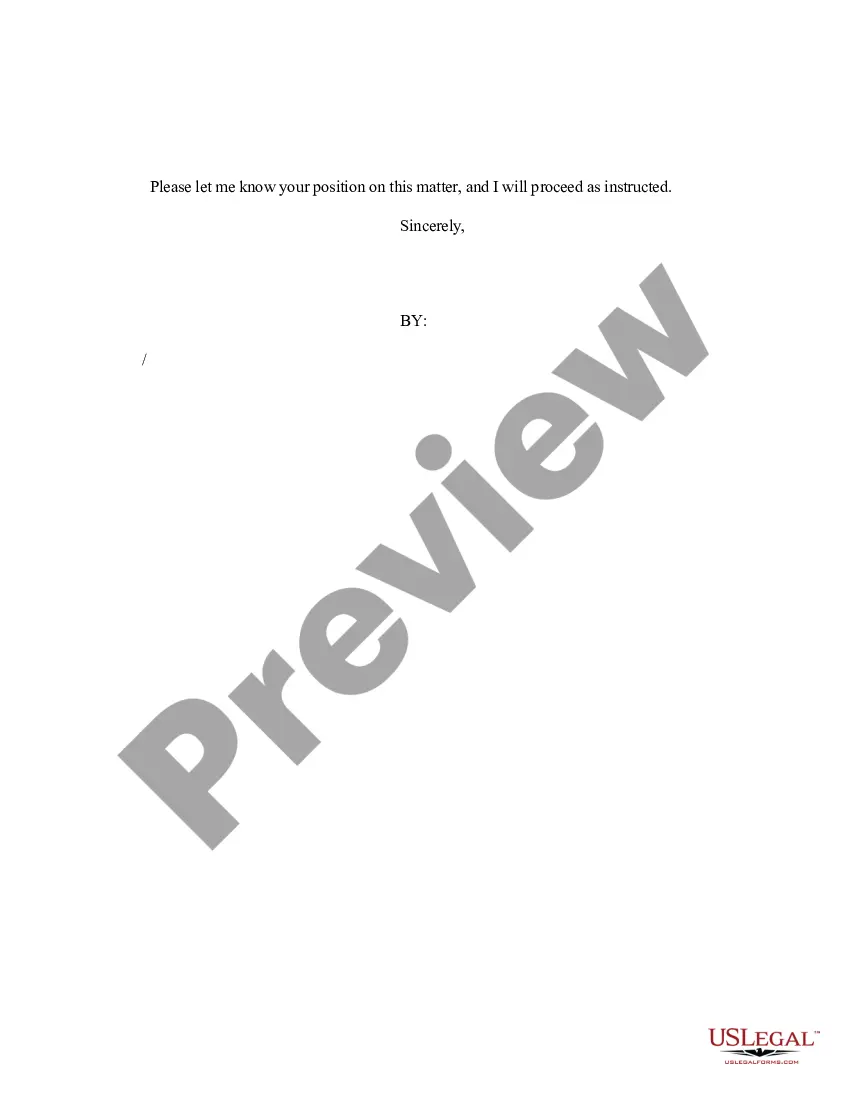


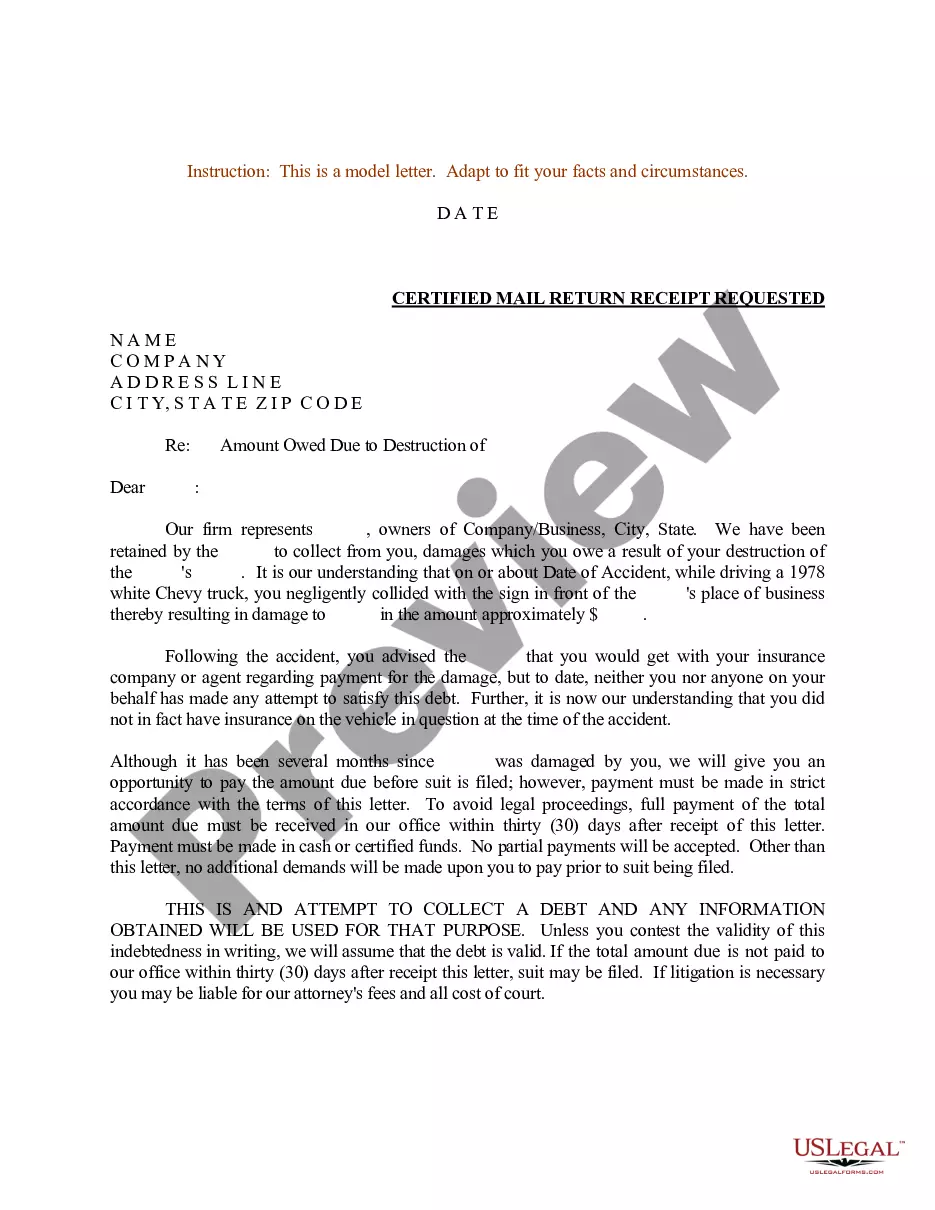

Get your form ready online
Our built-in tools help you complete, sign, share, and store your documents in one place.
Make edits, fill in missing information, and update formatting in US Legal Forms—just like you would in MS Word.
Download a copy, print it, send it by email, or mail it via USPS—whatever works best for your next step.
Sign and collect signatures with our SignNow integration. Send to multiple recipients, set reminders, and more. Go Premium to unlock E-Sign.
If this form requires notarization, complete it online through a secure video call—no need to meet a notary in person or wait for an appointment.
We protect your documents and personal data by following strict security and privacy standards.

Make edits, fill in missing information, and update formatting in US Legal Forms—just like you would in MS Word.

Download a copy, print it, send it by email, or mail it via USPS—whatever works best for your next step.

Sign and collect signatures with our SignNow integration. Send to multiple recipients, set reminders, and more. Go Premium to unlock E-Sign.

If this form requires notarization, complete it online through a secure video call—no need to meet a notary in person or wait for an appointment.

We protect your documents and personal data by following strict security and privacy standards.
Looking for another form?
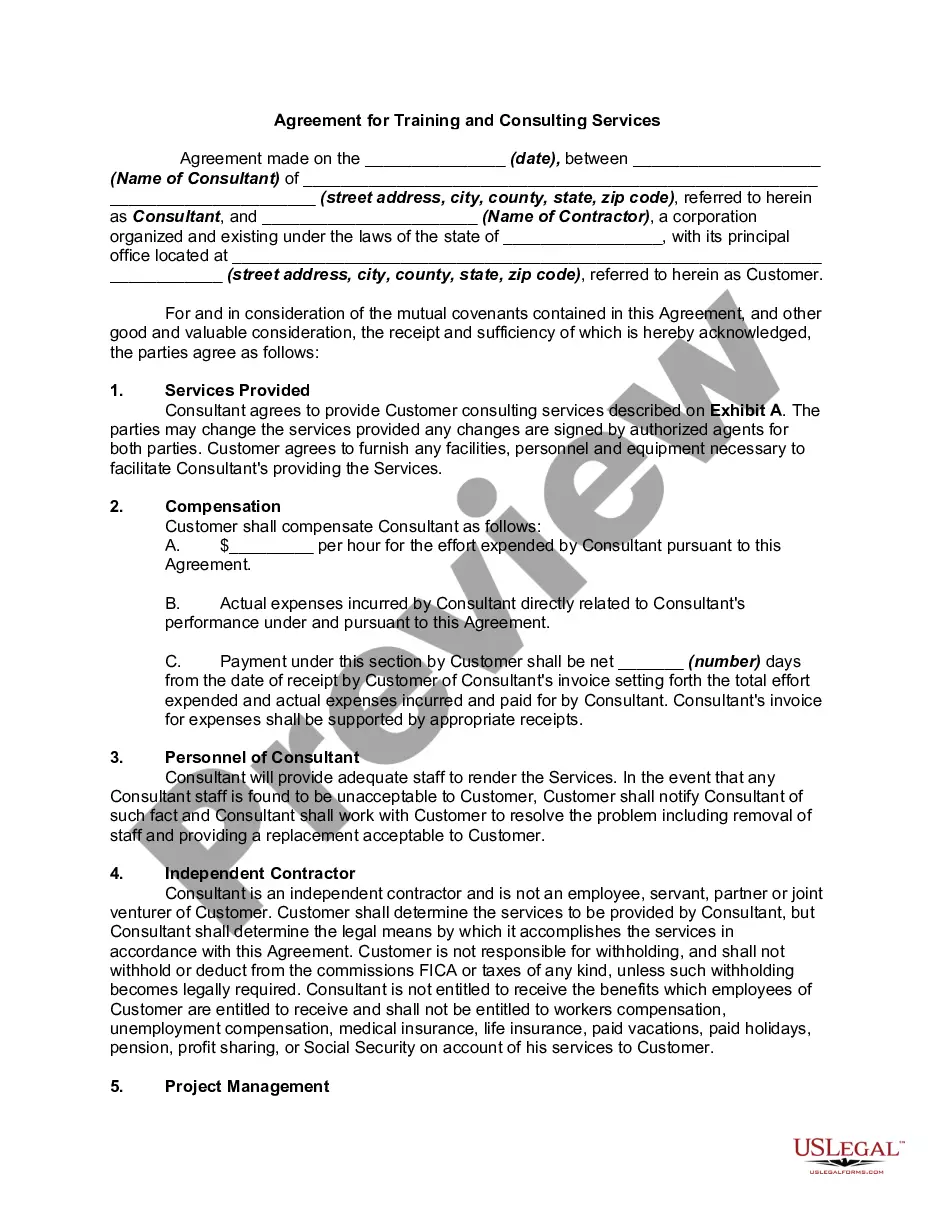


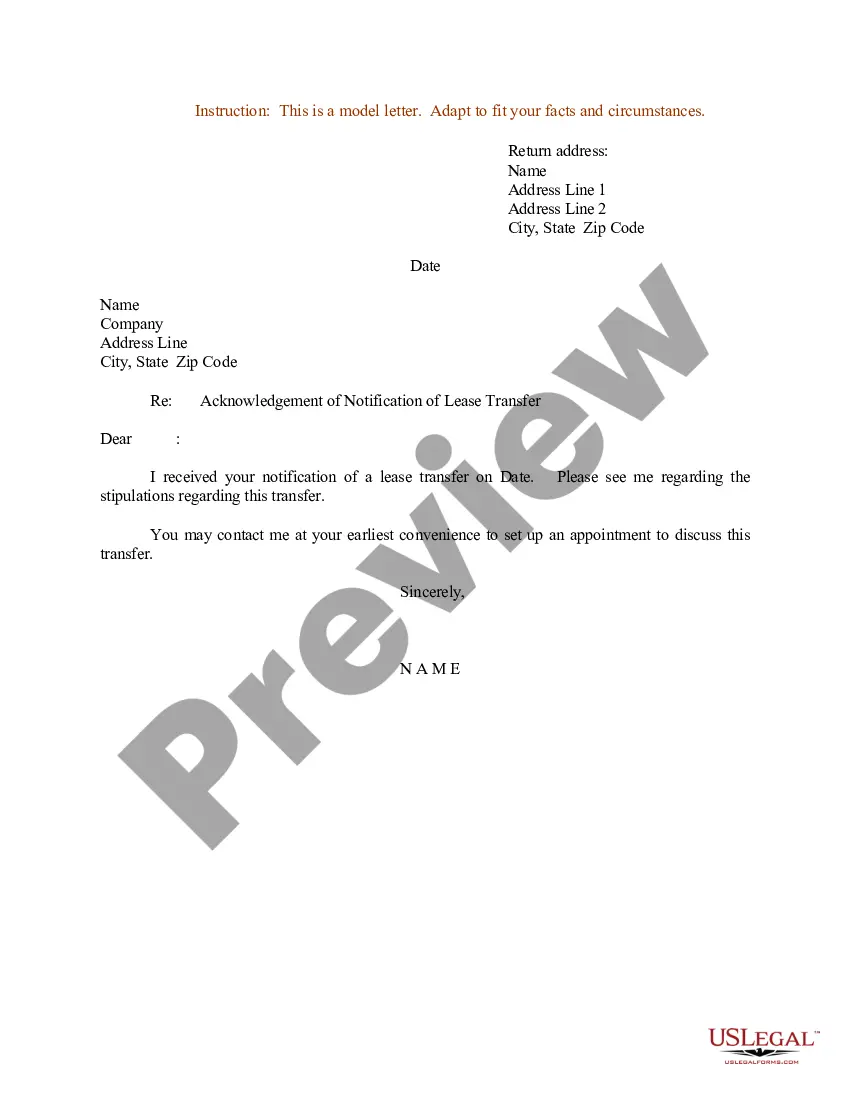






Form popularity
FAQ
An employer must report an injured employee's wages and other fringe benefits (i.e. health premiums, uniform allowance, etc.) to the insurance carrier.
A claim can be filed by calling the Texas Department of Insurance Division of Workers' Compensation and informing them that you have been injured and that you need to file a claim. The Division will mail a packet to you with forms to complete and instructions on how to complete the required paperwork.
The Texas Workers' Compensation Act is a set of laws designed to protect employees and employers in case of work-related injuries or illnesses. It establishes a system where injured employees receive medical care and wage replacement benefits while employers gain protection from lawsuits related to those injuries.
The length of time in which you can continue to receive workers' comp benefits will depend primarily on your level of injury or impairment. If you have suffered an injury that will leave you permanently disabled or unable to work, you will continue to receive workers' compensation benefits for the rest of your life.
Yes. If you can no longer perform your assigned tasks, companies can terminate your employment. If you were injures on the job, you are covered by worker's compensation. For awhile.
If you are injured, call a supervisor for help. If the supervisor is not available, get medical assistance or call 911. All employers must notify OSHA within 8 hours of a workplace fatality or within 24 hours of any work-related inpatient hospitalization, amputation or loss of an eye.
Checking your claim status You can also check on the status of your claim by calling (800) 859-5995 and asking for your workers' compensation specialist.