Letter For Recovery In Texas
Description

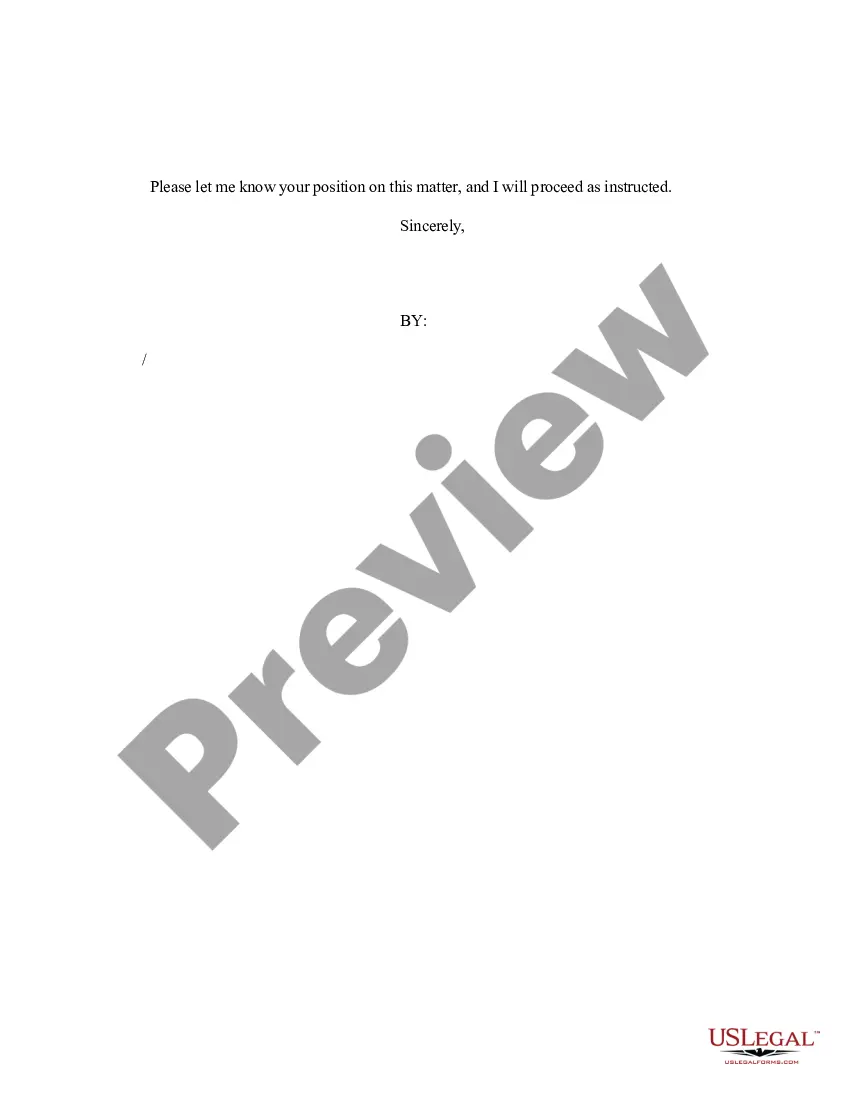


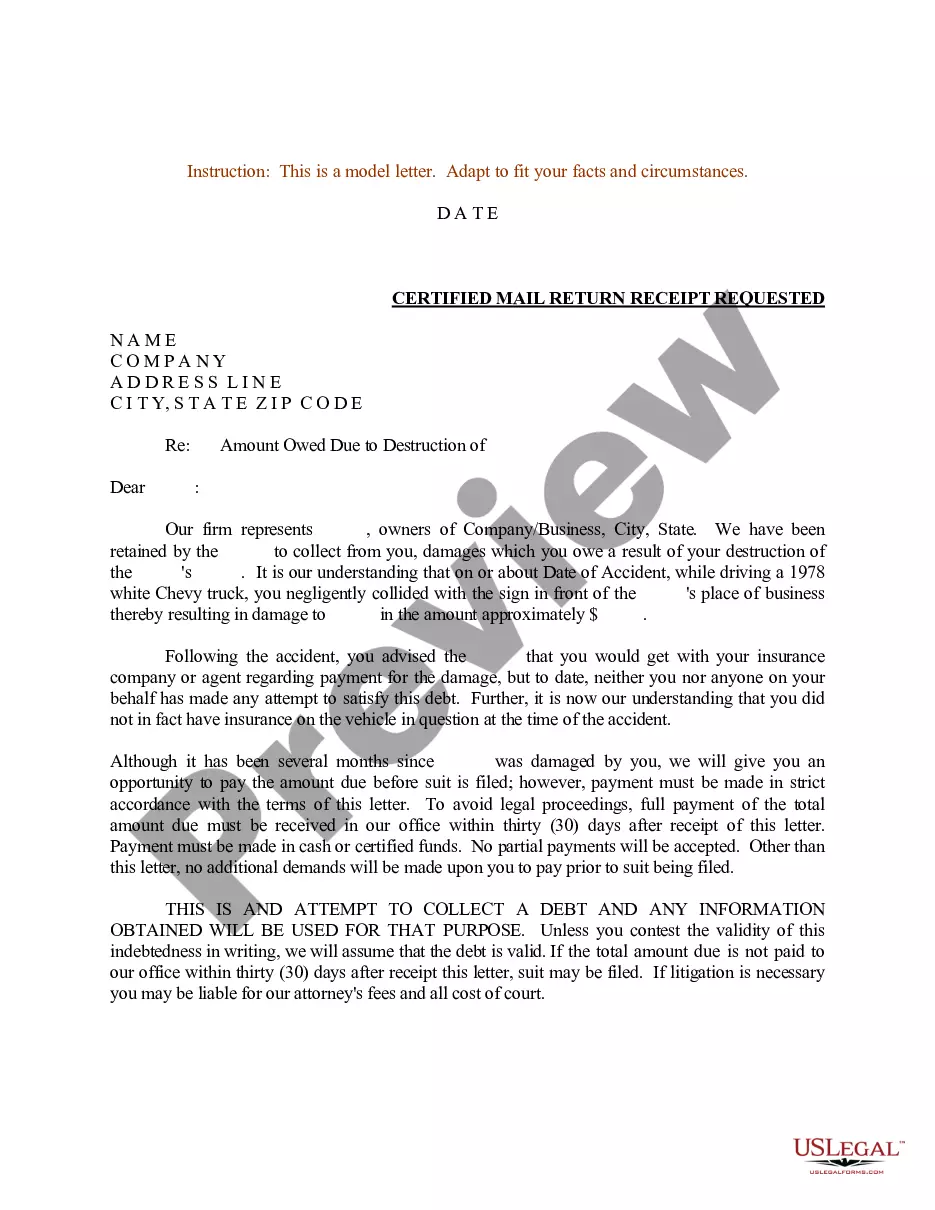

Get your form ready online
Our built-in tools help you complete, sign, share, and store your documents in one place.
Make edits, fill in missing information, and update formatting in US Legal Forms—just like you would in MS Word.
Download a copy, print it, send it by email, or mail it via USPS—whatever works best for your next step.
Sign and collect signatures with our SignNow integration. Send to multiple recipients, set reminders, and more. Go Premium to unlock E-Sign.
If this form requires notarization, complete it online through a secure video call—no need to meet a notary in person or wait for an appointment.
We protect your documents and personal data by following strict security and privacy standards.

Make edits, fill in missing information, and update formatting in US Legal Forms—just like you would in MS Word.

Download a copy, print it, send it by email, or mail it via USPS—whatever works best for your next step.

Sign and collect signatures with our SignNow integration. Send to multiple recipients, set reminders, and more. Go Premium to unlock E-Sign.

If this form requires notarization, complete it online through a secure video call—no need to meet a notary in person or wait for an appointment.

We protect your documents and personal data by following strict security and privacy standards.
Looking for another form?



Form popularity
FAQ
There are also many assets that are exempt (non-countable). Exemptions include personal belongings, household furnishings, an automobile, and irrevocable burial trusts. In TX, IRAs / 401Ks are exempt if they are in “payout” status.
The Texas Medicaid estate recovery time limit allows Medicaid to file a claim against the deceased's estate at any time before the estate is closed or within 4 months of receipt of notice from the estate administrator.
Give Away Assets Since Medicaid estate recovery can only occur after a person dies, recipients can transfer ownership to beneficiaries prior to their death to avoid the state taking them.
It's important to note that some assets are considered non-countable and do not affect Medicaid eligibility. These may include a primary residence (up to a certain equity value), personal belongings, one vehicle, and certain life insurance policies, among others.
A MERP claim may only be brought under the “administration of an estate,” which has a statute of limitations in Texas of four years. After that time, an administration is barred by statute; therefore, a MERP claim is too. Let's say you are averse to using a Lady Bird deed; maybe it sounds fishy to you.
Of course, as explained in the April issue of Texas Elder Law E-letter, the most common way that a homestead can be protected from the claim of the state is through the use of a Ladybird Deed (also known as an Enhanced Life Estate Deed) or a Transfer on Death Deed, since neither of these deeds results in a transfer ...
The lookback period in 49 of the 50 states is five years and begins as of the date of the Medicaid application. However, in California, the lookback period is only 2.5 years (30 months). If Medicaid finds ineligible transactions, the applicant will be assessed a penalty.
