Recovery Letter For Payment In Philadelphia
Description




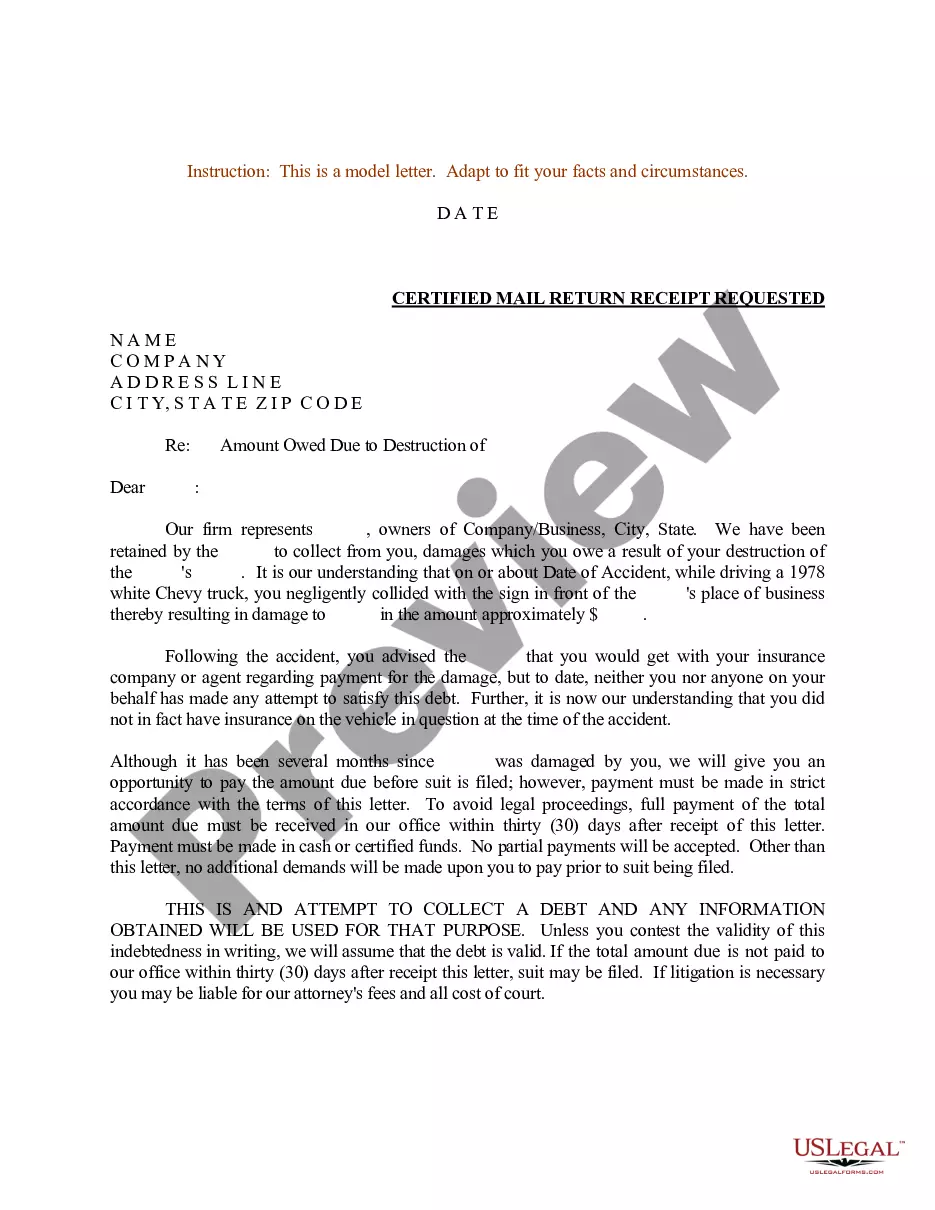

Get your form ready online
Our built-in tools help you complete, sign, share, and store your documents in one place.
Make edits, fill in missing information, and update formatting in US Legal Forms—just like you would in MS Word.
Download a copy, print it, send it by email, or mail it via USPS—whatever works best for your next step.
Sign and collect signatures with our SignNow integration. Send to multiple recipients, set reminders, and more. Go Premium to unlock E-Sign.
If this form requires notarization, complete it online through a secure video call—no need to meet a notary in person or wait for an appointment.
We protect your documents and personal data by following strict security and privacy standards.

Make edits, fill in missing information, and update formatting in US Legal Forms—just like you would in MS Word.

Download a copy, print it, send it by email, or mail it via USPS—whatever works best for your next step.

Sign and collect signatures with our SignNow integration. Send to multiple recipients, set reminders, and more. Go Premium to unlock E-Sign.

If this form requires notarization, complete it online through a secure video call—no need to meet a notary in person or wait for an appointment.

We protect your documents and personal data by following strict security and privacy standards.
Looking for another form?

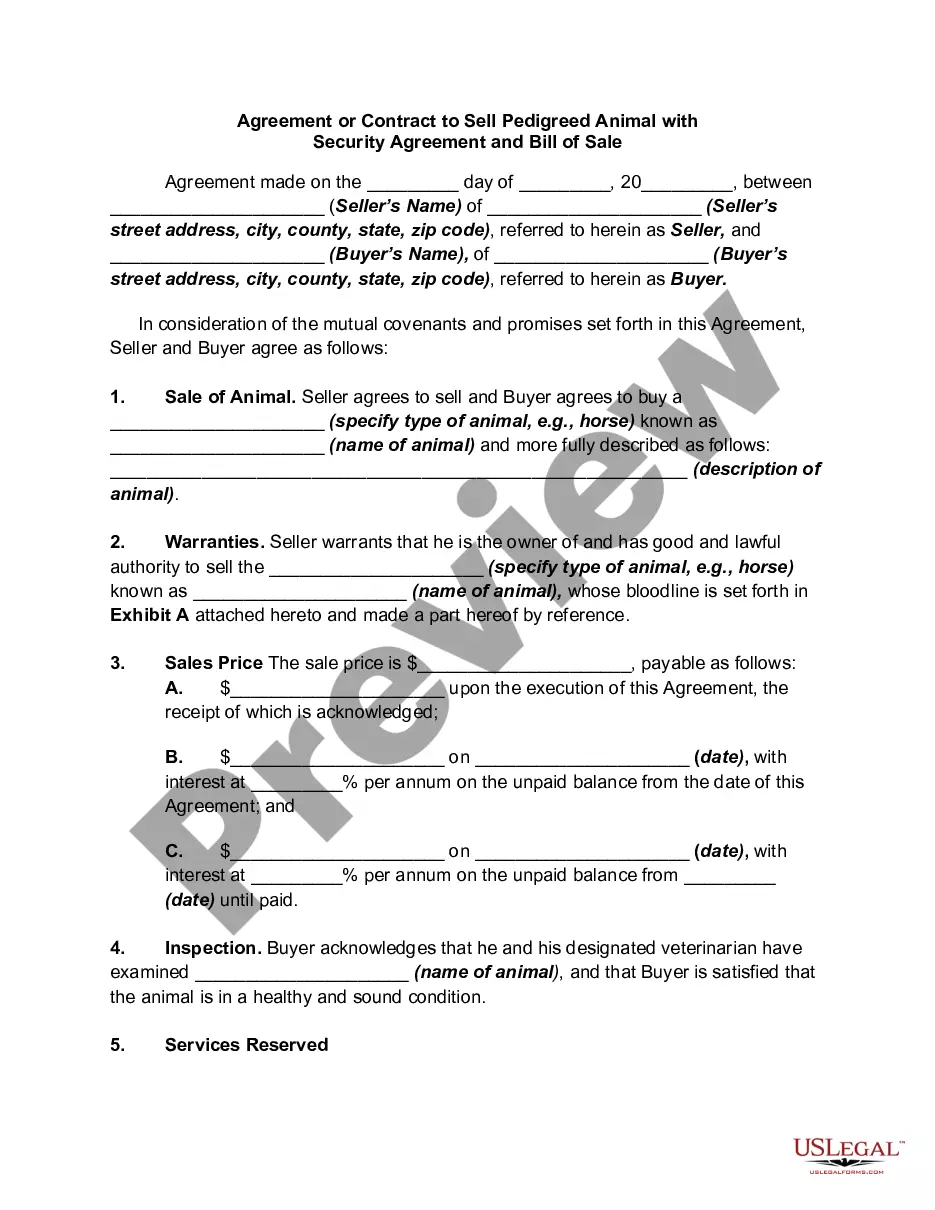


Form popularity
FAQ
Dear debt collector, I am responding to your contact about collecting a debt. You contacted me by phone/mail, on date and identified the debt as any information they gave you about the debt. I do not have any responsibility for the debt you're trying to collect.
During the call you should never say it's your debt, your account, that you ever had an account, and any other personal financial information. Don't lie if they ask you point-blank questions; just don't answer them by reiterating the first paragraph... several times if necessary.
Specifically, the rule states that a debt collector cannot: Make more than seven calls within a seven-day period to a consumer regarding a specific debt. Call a consumer within seven days after having a telephone conversation about that debt.
Dear debt collector: I am responding to your contact about collecting a debt. You contacted me by phone/mail, on date and identified the debt as any information they gave you about the debt. You can contact me about this debt, but only in the way I say below.
Ignoring or avoiding the debt collector may cause the debt collector to use other methods to try to collect the debt, including a lawsuit against you. If you are unable to come to an agreement with a debt collector, you may want to contact an attorney who can provide you with legal advice about your situation.
If you've received a letter of claim Use the reply form to: say you disagree you owe the debt. tell your creditor you're getting debt advice and have an appointment - say you'll need longer than 30 days. ask for more information from your creditor - for example, an account statement or copy of the credit agreement.
Even if that's the case, it's important not to ignore letters or communications from DRP. Tempting as it is, ignoring your debt problems won't make them go away. The longer you ignore your debts, the worse they get, especially if the creditor begins to apply interest fees and charges.
5. Logical Next Steps: Respond to the Letter: Acknowledge the letter and state your understanding of the debt's status. Keep Records: Document all communications with the collection agency, including this letter and any agreements you've made. The letter could be an indication of your rights regarding the debt.
If you do not respond, you will lose certain rights, but it is not a legal admission, usable in court, that you owe the debt. If there is no response, or if the letter goes back to the collection agency undelivered or marked moved, deceased, in jail, etc., the collection agency can still due you.
