Letter Recovery Document For Word In Minnesota
Description



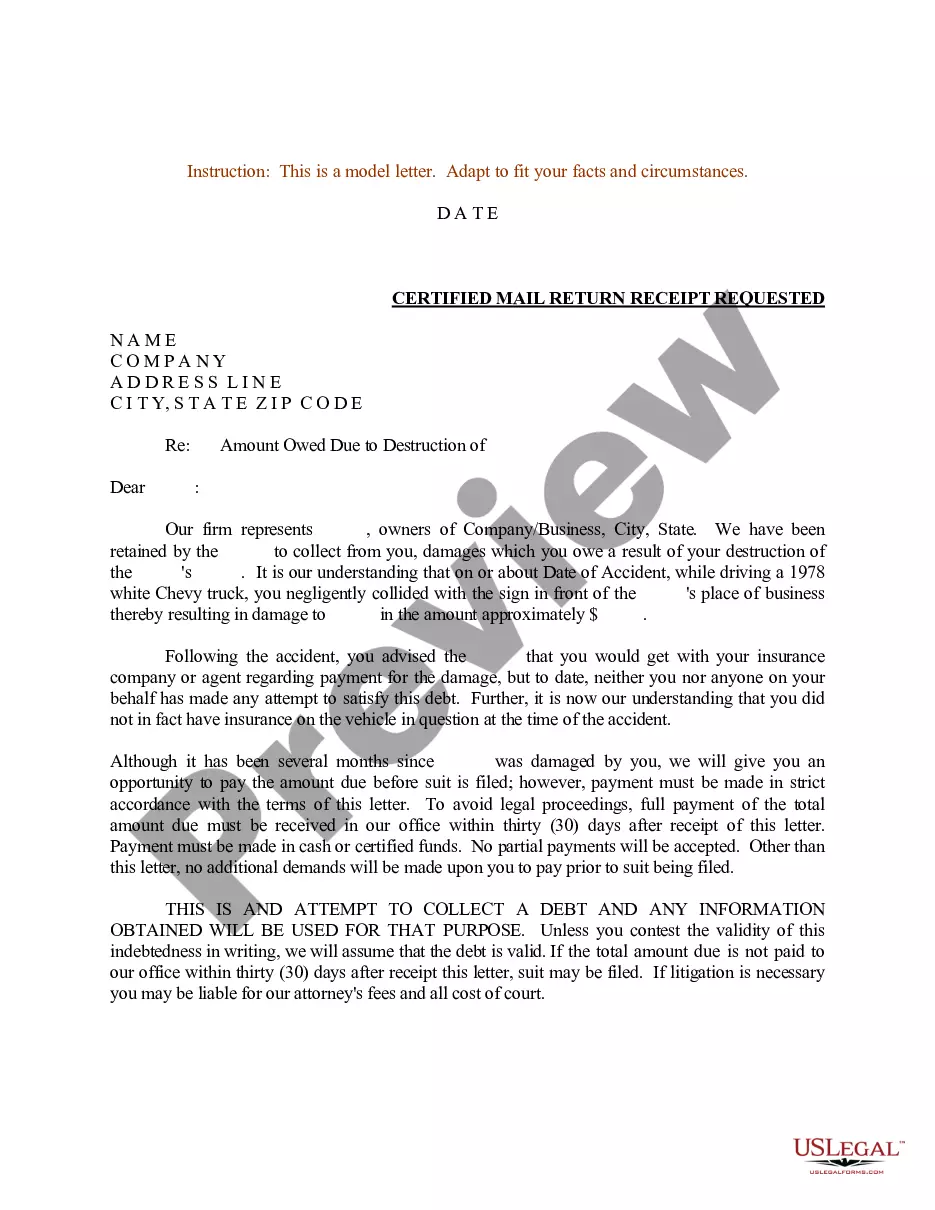

Get your form ready online
Our built-in tools help you complete, sign, share, and store your documents in one place.
Make edits, fill in missing information, and update formatting in US Legal Forms—just like you would in MS Word.
Download a copy, print it, send it by email, or mail it via USPS—whatever works best for your next step.
Sign and collect signatures with our SignNow integration. Send to multiple recipients, set reminders, and more. Go Premium to unlock E-Sign.
If this form requires notarization, complete it online through a secure video call—no need to meet a notary in person or wait for an appointment.
We protect your documents and personal data by following strict security and privacy standards.

Make edits, fill in missing information, and update formatting in US Legal Forms—just like you would in MS Word.

Download a copy, print it, send it by email, or mail it via USPS—whatever works best for your next step.

Sign and collect signatures with our SignNow integration. Send to multiple recipients, set reminders, and more. Go Premium to unlock E-Sign.

If this form requires notarization, complete it online through a secure video call—no need to meet a notary in person or wait for an appointment.

We protect your documents and personal data by following strict security and privacy standards.
Looking for another form?









Form popularity
FAQ
How to recover overwritten files on a Windows PC Open Windows Explorer and open the folder that contained the overwritten file. From anywhere within the folder, right-click and select Properties. Select the Previous Versions tab. Look at the list of versions, each with a date, and look for the version you want.
If you haven't saved the file Go to File > Info > Manage Document > Recover Unsaved Documents. Select the file, and then select Open. In the bar at the top of the file, select Save As to save the file.
Right-click on the file from your desktop. Click on the "Properties" option that appears on the menu. Click on the "Previous Versions" tab. Click on your desired version and choose the "Restore" option.
Click the title of your file and select Version history. Select a version to open it in a separate window. If you want to restore a previous version you've opened, select Restore.
Right-click on the file from your desktop. Click on the "Properties" option that appears on the menu. Click on the "Previous Versions" tab. Click on your desired version and choose the "Restore" option.
→ Windows 10 or Higher Click the Home button at the bottom left corner. Then choose File Explorer. Click documents, then double click on the folder you saved the file in. Your file should appear. If you saved the file on your desktop, you do not need to go through your home button to access it.
Steps Open Microsoft Word. Click on Show Recovered Files. A new document will open, and you will see the Document Recovery pane on the left-hand side of the screen. Alternatively, click on the File tab in the ribbon at the top of the screen. Click on Open and then select Recover Unsaved Documents.
Go to File > Open. On the Open menu select Recover Text. Open the document.
Rule 33. No party may serve more than a total of 50 interrogatories upon any other party unless permitted to do so by the court upon motion, notice and a showing of good cause. In computing the total number of interrogatories each subdivision of separate questions shall be counted as an interrogatory.
Discovery is how you gather the evidence you will need to prove your case as plaintiff, or defeat the plaintiff's case as a defendant. You use discovery to find out things like: What the other side plans to say about an issue in your case.
