Letter For Recovery In Massachusetts
Description
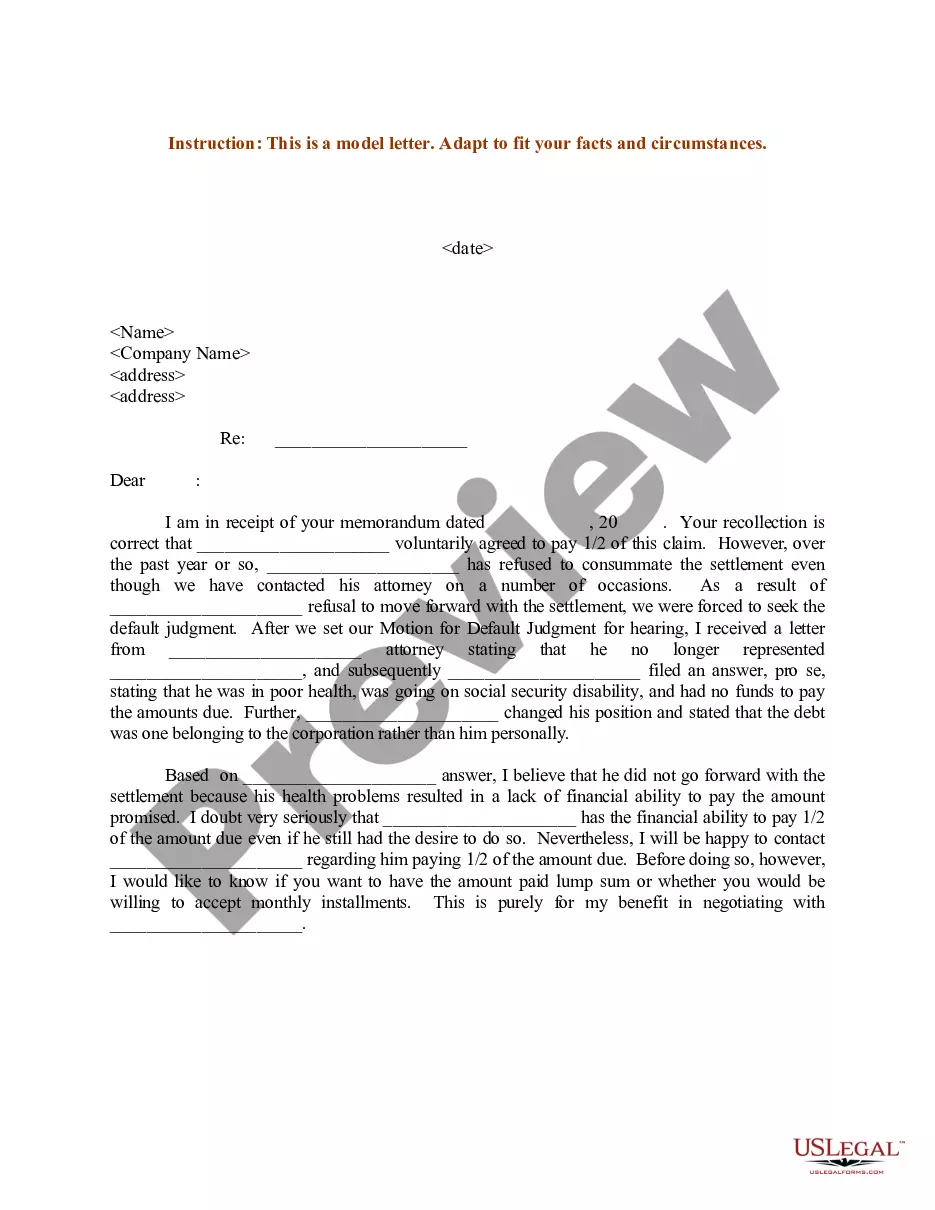


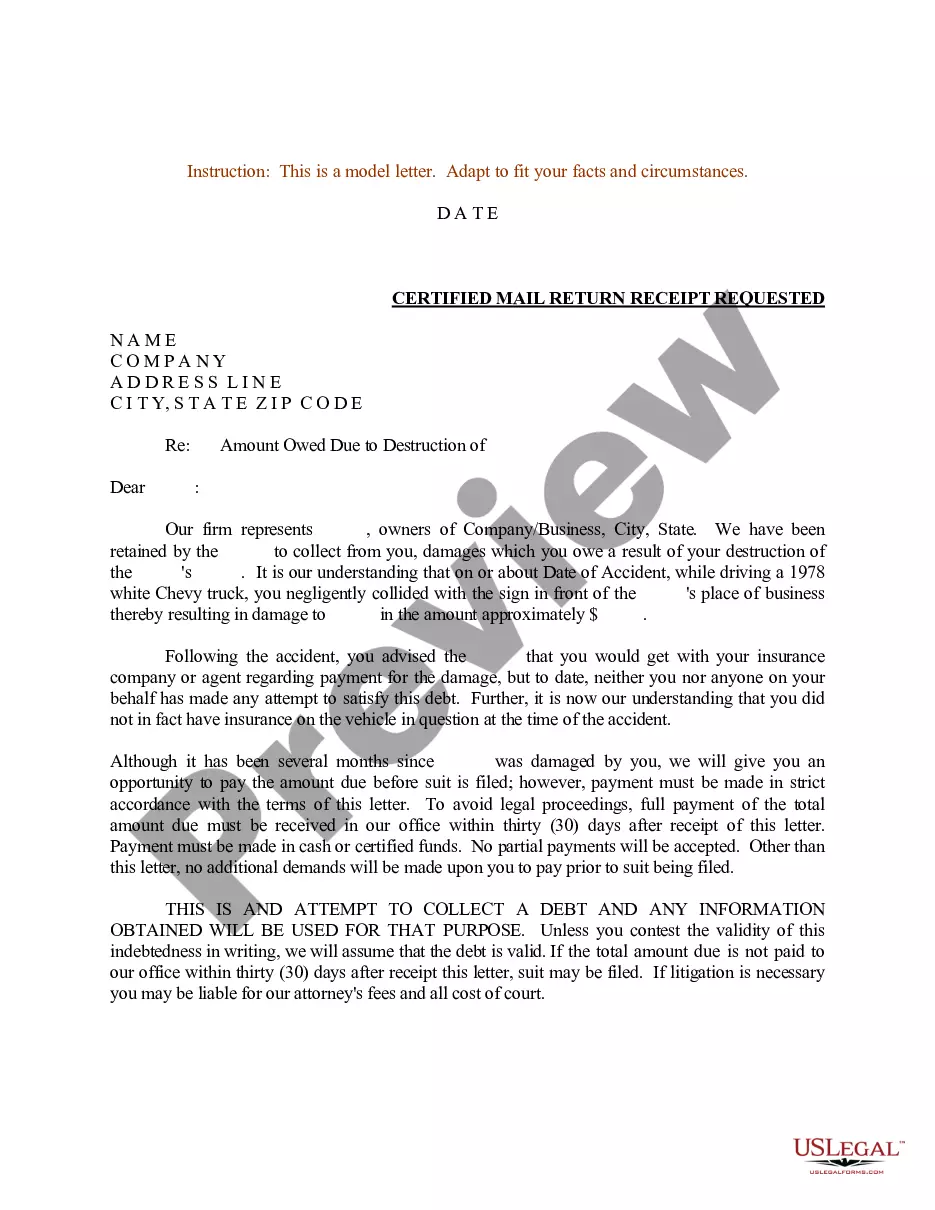

Get your form ready online
Our built-in tools help you complete, sign, share, and store your documents in one place.
Make edits, fill in missing information, and update formatting in US Legal Forms—just like you would in MS Word.
Download a copy, print it, send it by email, or mail it via USPS—whatever works best for your next step.
Sign and collect signatures with our SignNow integration. Send to multiple recipients, set reminders, and more. Go Premium to unlock E-Sign.
If this form requires notarization, complete it online through a secure video call—no need to meet a notary in person or wait for an appointment.
We protect your documents and personal data by following strict security and privacy standards.

Make edits, fill in missing information, and update formatting in US Legal Forms—just like you would in MS Word.

Download a copy, print it, send it by email, or mail it via USPS—whatever works best for your next step.

Sign and collect signatures with our SignNow integration. Send to multiple recipients, set reminders, and more. Go Premium to unlock E-Sign.

If this form requires notarization, complete it online through a secure video call—no need to meet a notary in person or wait for an appointment.

We protect your documents and personal data by following strict security and privacy standards.
Looking for another form?










Form popularity
FAQ
MassHealth will not pursue any estate recovery if • The value of the member's probate estate is $25,000 or less • The member had certain long-term care insurance, or • The estate includes certain resources belonging to American Indians or Alaska Natives.
The State of California is prohibited from the recovery of any Medi-Cal expenses used if there is a surviving spouse until the surviving spouse passes away. Also, if there is a minor child under the age of 21 or a blind child, or a disabled child, then the State is prohibited from any Medi-Cal recovery.
Irrevocable Trusts By relinquishing control over the assets in the trust, you remove them from your estate, making them no longer countable when it comes to assessing your Medicaid eligibility. Nonetheless, you can still live in your home and even specify terms under which it can be sold or rented.
MassHealth will not pursue any estate recovery if • The value of the member's probate estate is $25,000 or less • The member had certain long-term care insurance, or • The estate includes certain resources belonging to American Indians or Alaska Natives.
Mason (SJC-13439, December 13, 2023), the Supreme Judicial Court (SJC) holds that the Massachusetts Uniform Probate Code (MUPC) three-year time limit on MassHealth estate recovery claims may not be applied retroactively. However, its lifetime lien on the former home of a MassHealth beneficiary ends at death.
To meet your legal obligations, include the following information in your 30 Day Demand Letter: Your full name and address. The description of the unfair or deceptive act or practice including all the unfair or deceptive practices claimed, the dates involved in the transaction, and any other important facts.
To file suit, you must fill out a Statement of Claim and Notice form. Get this from the Small Claims Clerk in your district. Your claim may be filed in person or by mail. However, when the papers are sent by mail to the clerk, the action is not commenced until the papers are actually received.
In order to bring a Chapter 93A claim, however, an aggrieved party must begin the process by sending what is commonly referred to as a Chapter 93A, section 9 "consumer protection demand letter" to which the business has 30 days to respond.
