Letter For Recovery From Illness In Georgia
Description





Get your form ready online
Our built-in tools help you complete, sign, share, and store your documents in one place.
Make edits, fill in missing information, and update formatting in US Legal Forms—just like you would in MS Word.
Download a copy, print it, send it by email, or mail it via USPS—whatever works best for your next step.
Sign and collect signatures with our SignNow integration. Send to multiple recipients, set reminders, and more. Go Premium to unlock E-Sign.
If this form requires notarization, complete it online through a secure video call—no need to meet a notary in person or wait for an appointment.
We protect your documents and personal data by following strict security and privacy standards.

Make edits, fill in missing information, and update formatting in US Legal Forms—just like you would in MS Word.

Download a copy, print it, send it by email, or mail it via USPS—whatever works best for your next step.

Sign and collect signatures with our SignNow integration. Send to multiple recipients, set reminders, and more. Go Premium to unlock E-Sign.

If this form requires notarization, complete it online through a secure video call—no need to meet a notary in person or wait for an appointment.

We protect your documents and personal data by following strict security and privacy standards.
Looking for another form?

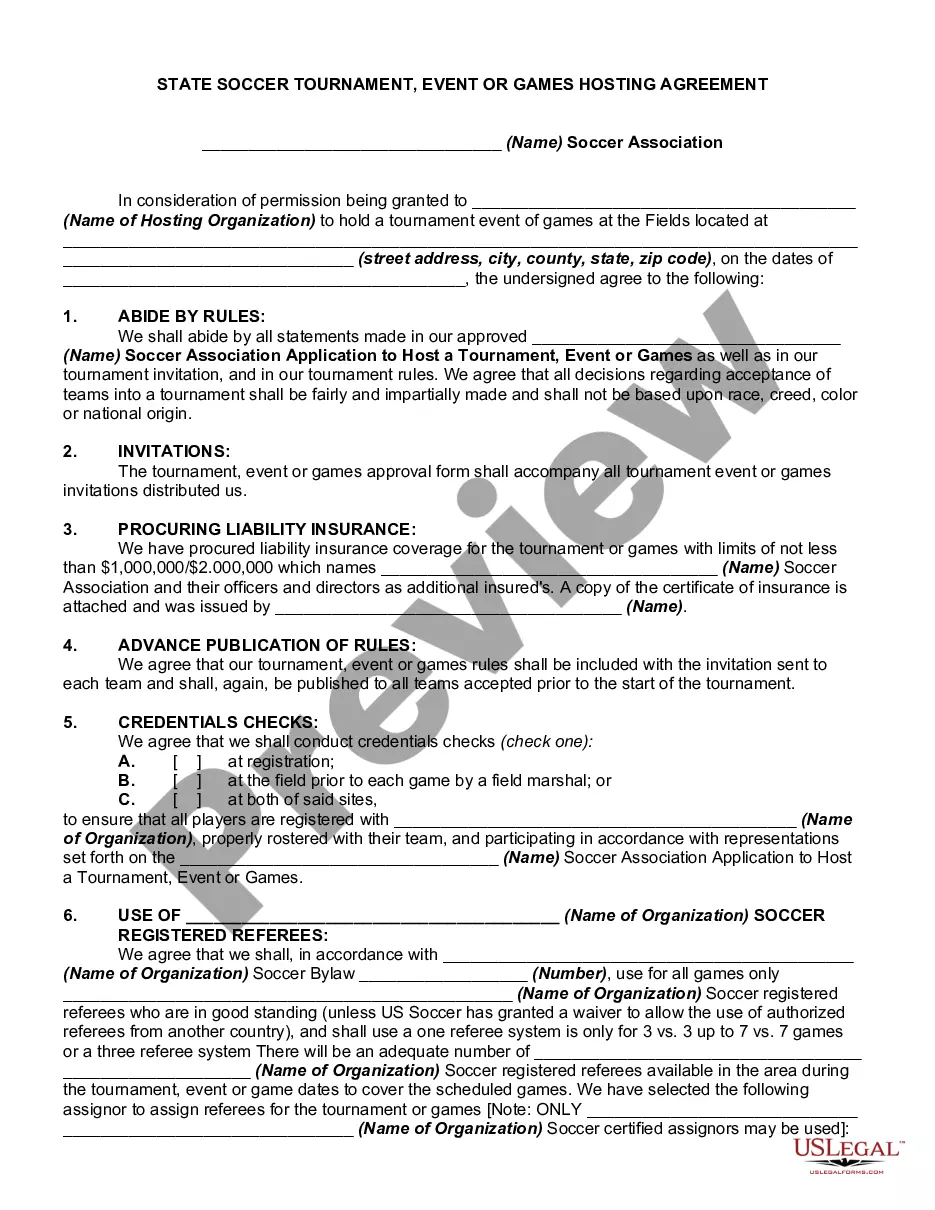

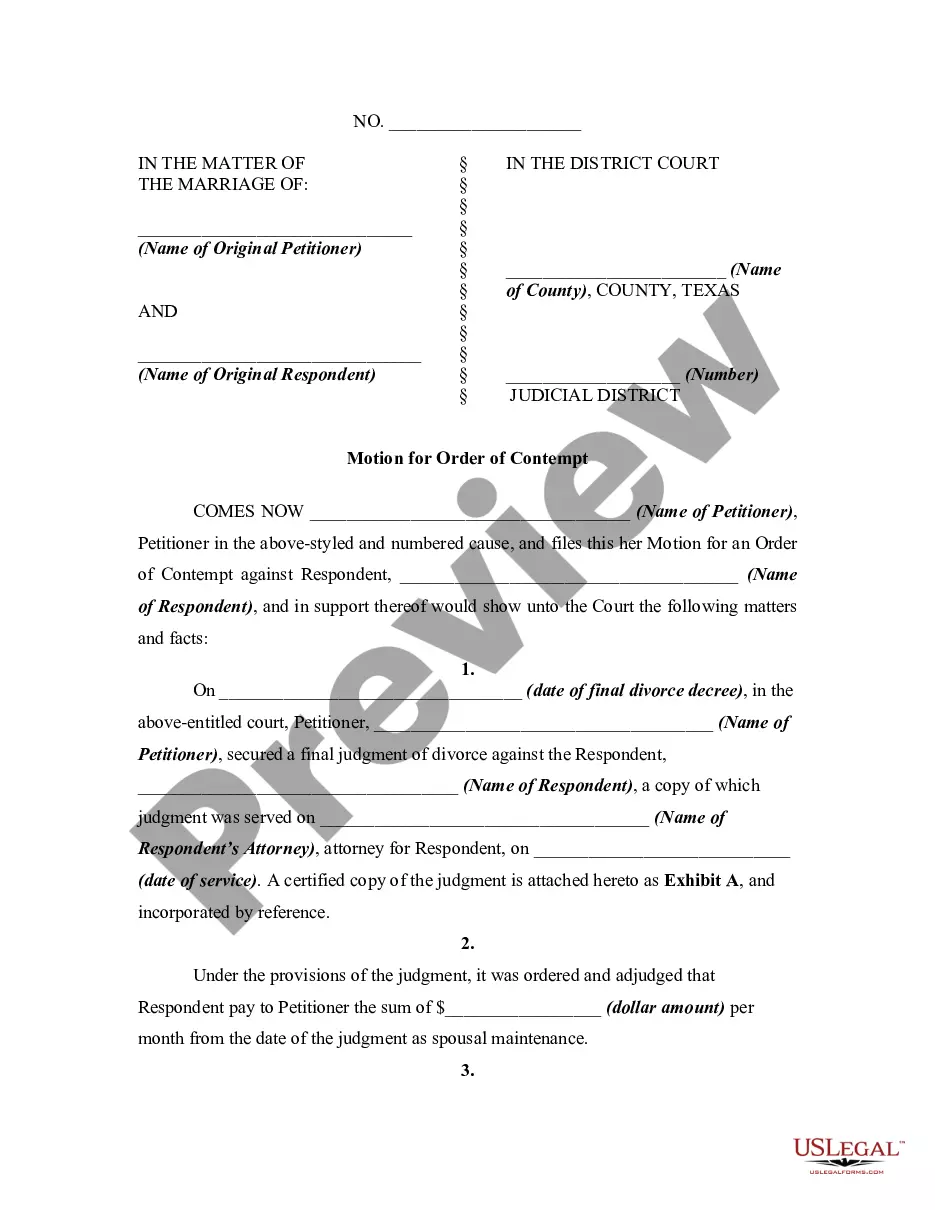
Form popularity
FAQ
The Georgia Department of Community Health serves as the lead agency for Georgia Medicaid and PeachCare for Kids®, and oversees the Healthcare Facility Regulation Division, State Health Benefit Plan, and State Office of Rural Health, among other divisions.
The Georgia Advance Directive for Health Care is an attempt to combine the best features of the Living Will and Durable Power of Attorney for Health Care into one written document. An effort has also been made to make the execution (signing and witnessing) of this document easier and more convenient.
In Georgia, power of attorney must meet certain basic requirements, including being signed by the principal, witnesses, and a notary public. There are standardized forms available for financial and health care powers of attorney.
An advance health care directive lets your physician, family, and friends know your health care preferences, including the types of special treatment you want or don't want at the end of life, your desire for diagnostic testing, surgical procedures, cardiopulmonary resuscitation and organ donation.
The Georgia Advance Directive for Health Care is an attempt to combine the best features of the Living Will and Durable Power of Attorney for Health Care into one written document. An effort has also been made to make the execution (signing and witnessing) of this document easier and more convenient.
Traditionally, there are two main kinds of advance directives: the living will and the Durable Power of Attorney for Healthcare. The state California also allows the use of a POLST (Physician's Orders For Life‑Sustaining Treatment).
If you are no longer able to make decisions and do not have an advance directive, Georgia law allows your closest relative to agree to treatment for you.
The Georgia law states that two physicians (one of whom must be your attending physician) must personally examine us and shall certify in writing that: - there is no reasonable expectation for improvement in our condition (we will never get any better).
The two most common advance directives for health care are the living will and the durable power of attorney for health care. Living will: A living will is a legal document that tells doctors how you want to be treated if you cannot make your own decisions about emergency treatment.