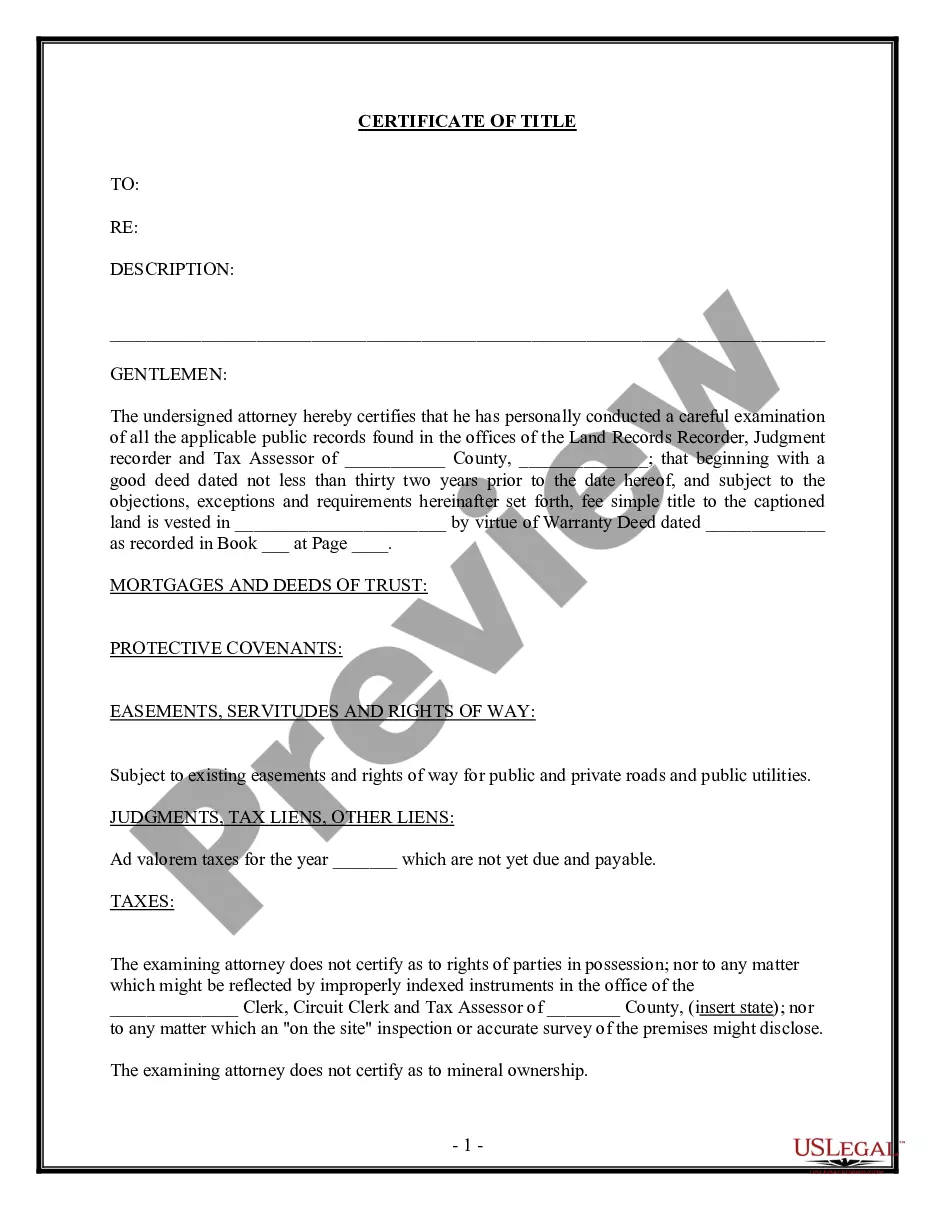
Judgment Against Property With No In Wayne
Description




Get your form ready online
Our built-in tools help you complete, sign, share, and store your documents in one place.
Make edits, fill in missing information, and update formatting in US Legal Forms—just like you would in MS Word.
Download a copy, print it, send it by email, or mail it via USPS—whatever works best for your next step.
Sign and collect signatures with our SignNow integration. Send to multiple recipients, set reminders, and more. Go Premium to unlock E-Sign.
If this form requires notarization, complete it online through a secure video call—no need to meet a notary in person or wait for an appointment.
We protect your documents and personal data by following strict security and privacy standards.

Make edits, fill in missing information, and update formatting in US Legal Forms—just like you would in MS Word.

Download a copy, print it, send it by email, or mail it via USPS—whatever works best for your next step.

Sign and collect signatures with our SignNow integration. Send to multiple recipients, set reminders, and more. Go Premium to unlock E-Sign.

If this form requires notarization, complete it online through a secure video call—no need to meet a notary in person or wait for an appointment.

We protect your documents and personal data by following strict security and privacy standards.
Looking for another form?








Form popularity
FAQ
The most common ways you may find out that there are outstanding judgements against you in one of the following ways: letter in the mail or phone call from the collection attorneys; garnishee notice from your payroll department; freeze on your bank account; or. routine check of your credit report.
The concept of “nonexempt property” appears in the context of Chapter 7 bankruptcy proceedings and refers to property of the debtor's estate that does not qualify for a statutory exemption .
It shows up on your credit report as well as on any background checks. The judgment is considered a lien against your property, including any real estate that you have, in the state in which the judgment is filed.
A judgment lien expires after 5 years from the date it is recorded but may be rerecorded once for another period of 5 years not less than 120 days before the expiration of the initial judgment.
When focusing on the main objectives, Lost Judgment is about 24½ Hours in length.
The period has expired: Most judgments remain on credit reports for seven years and six months. If this period has passed, you should contact the credit agencies and make sure they remove the judgment. The seven-year and six-month period is not absolute. People have been able to get a judgment removed sooner.
It also highlights the responsibilities and rights in regards to the debt for both you and any creditors. Judgments used to appear on your credit report as a negative item or derogatory remark, meaning they would only fall off your report after 7 years.
ABSTRACTS OF JUDGMENT The judgment debtor (or someone acting on their behalf such as a lawyer) must prepare a Homestead Affidavit As Release of Judgment Lien. The form of the affidavit is found in Section 52.0012(f), Texas Property Code.
Some states require that a judgment be registered, others require the judgment creditor to file a new civil lawsuit for enforcement or obtain a writ of execution. In California, the California Sheriff's Department is responsible for enforcing judgments.