Judgment Lien On Real Property In Wake
Description




Get your form ready online
Our built-in tools help you complete, sign, share, and store your documents in one place.
Make edits, fill in missing information, and update formatting in US Legal Forms—just like you would in MS Word.
Download a copy, print it, send it by email, or mail it via USPS—whatever works best for your next step.
Sign and collect signatures with our SignNow integration. Send to multiple recipients, set reminders, and more. Go Premium to unlock E-Sign.
If this form requires notarization, complete it online through a secure video call—no need to meet a notary in person or wait for an appointment.
We protect your documents and personal data by following strict security and privacy standards.

Make edits, fill in missing information, and update formatting in US Legal Forms—just like you would in MS Word.

Download a copy, print it, send it by email, or mail it via USPS—whatever works best for your next step.

Sign and collect signatures with our SignNow integration. Send to multiple recipients, set reminders, and more. Go Premium to unlock E-Sign.

If this form requires notarization, complete it online through a secure video call—no need to meet a notary in person or wait for an appointment.

We protect your documents and personal data by following strict security and privacy standards.
Looking for another form?




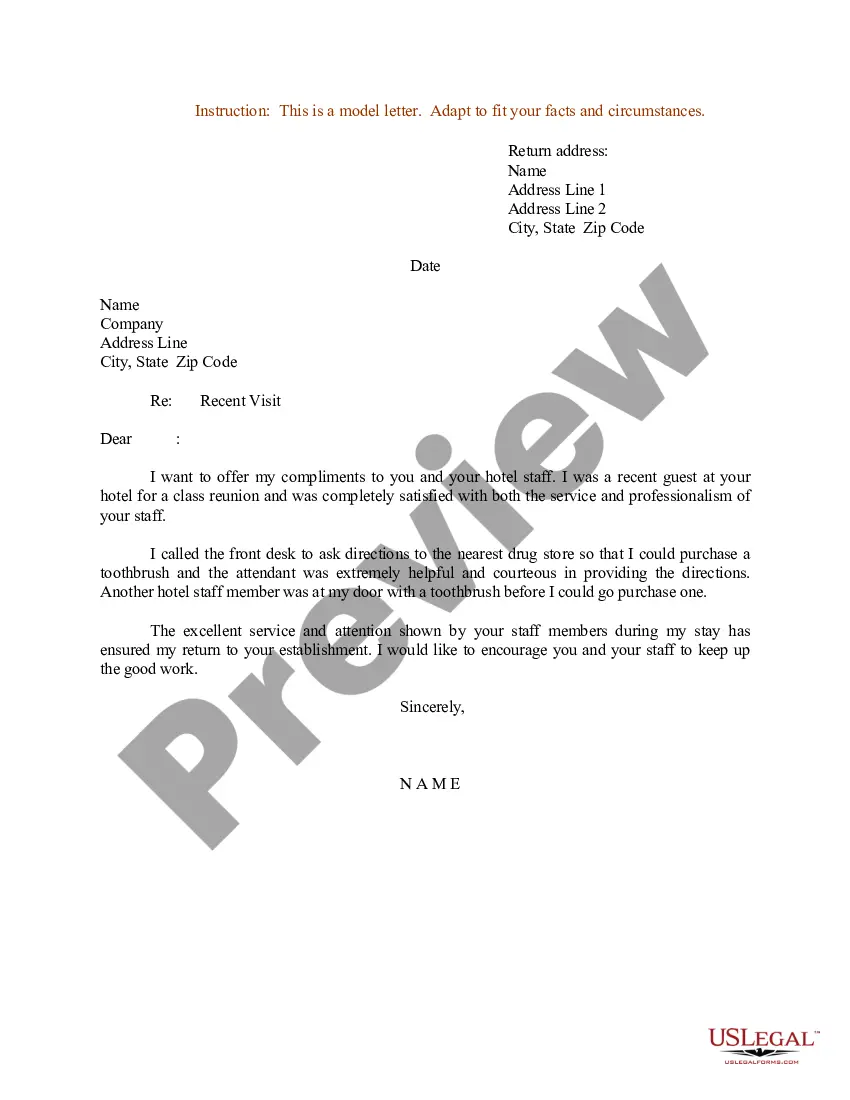

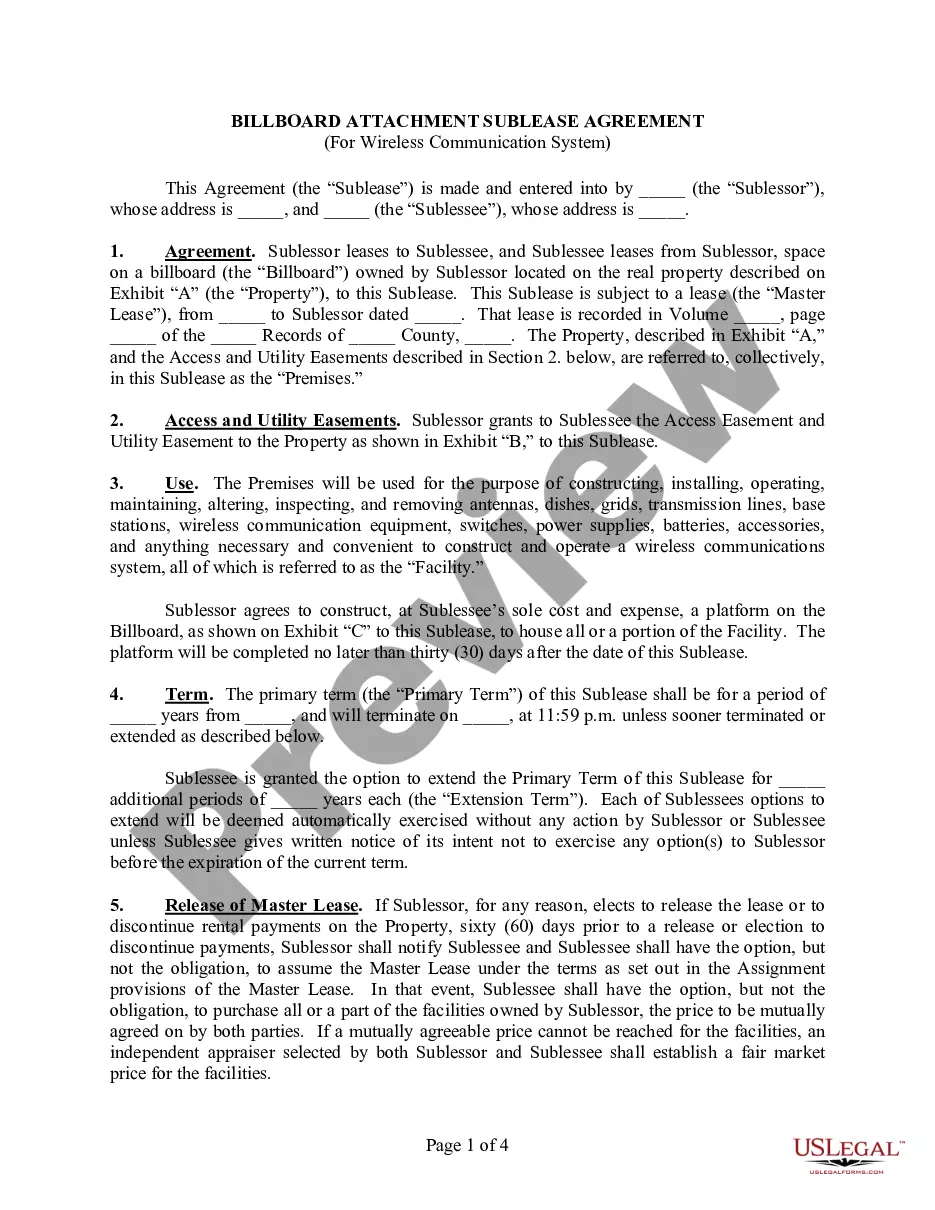


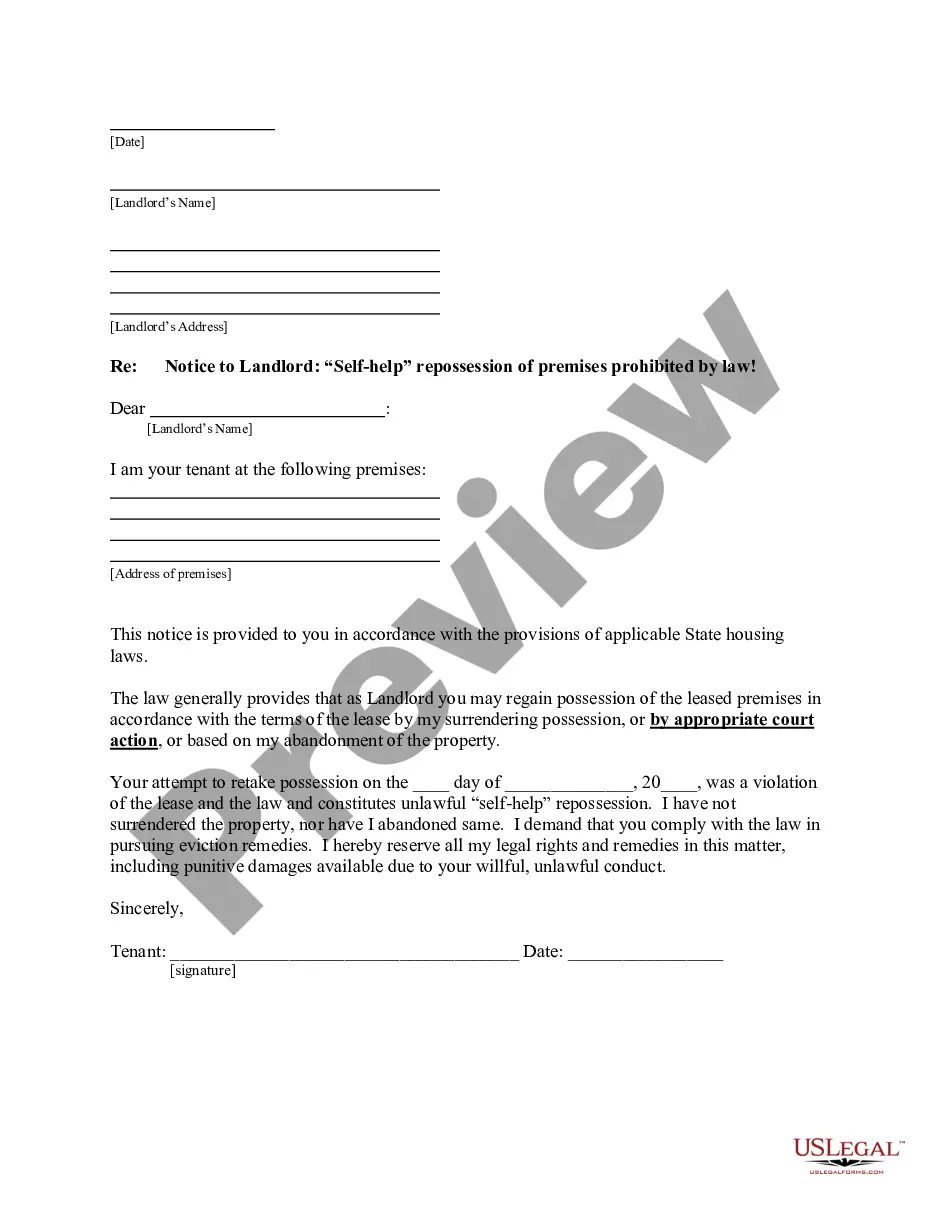
Form popularity
FAQ
It shows up on your credit report as well as on any background checks. The judgment is considered a lien against your property, including any real estate that you have, in the state in which the judgment is filed.
An example of a general lien is a state income tax lien. Unlike specific liens that attach only to particular assets, a general lien is against all of the assets of a debtor and not tied to a specific asset. For instance, A mortgage lien is tied specifically to a piece of property.
Most judgment liens last for 10 years and can be renewed for another 10 years. For example, the creditor could place a judgment lien on your home which would inhibit you from selling the property without first paying the creditor what you owe.
The easiest way to remove a property lien is to repay the debt that spurred it. If you owe a contractor $1,000 in unpaid labor costs or your property taxes are a few years overdue, settle those balances up and then contact the creditor to have them removed.
Any person who performs or furnishes labor or professional design or surveying services or furnishes materials or furnishes rental equipment pursuant to a contract, either express or implied, with the owner of real property for the making of an improvement thereon shall, upon complying with the provisions of this ...
In North Carolina, a lien claimant has 120 days from the date of last furnishing to complete these 3 steps: Fill out a mechanics lien form that meets NC requirements. File the lien with the county recorder's office. Serve a copy of the lien on the property owner.
Types of Liens in North Carolina The three most common types of liens are tax, mechanic, and judgement. Each one has specific guidelines to follow in order to file and enforce the lien.
Judgements can become a first lien against a property. Lenders generally want to be first lien when it comes to mortgages. So yes, it will be deal breaker for most mortgage companies. I've seen mortgages get denied because of a $6000 judgement.
Essentially, consensual liens don't adversely affect your credit as long as repayment terms are satisfied. Judgment and most statutory liens have a negative impact on your credit score and report, which affect your ability to obtain financing in the future.
Civil liens and cases filed in the Clerk of Superior Court Office can be investigated on computer terminals currently located at the Wake County Register of Deeds Office or on the 11th and 12th floor of the Wake County Courthouse: Civil Division (11th Floor of the Wake County Courthouse)

