Judgment Note Form For Default In Virginia
Description




Get your form ready online
Our built-in tools help you complete, sign, share, and store your documents in one place.
Make edits, fill in missing information, and update formatting in US Legal Forms—just like you would in MS Word.
Download a copy, print it, send it by email, or mail it via USPS—whatever works best for your next step.
Sign and collect signatures with our SignNow integration. Send to multiple recipients, set reminders, and more. Go Premium to unlock E-Sign.
If this form requires notarization, complete it online through a secure video call—no need to meet a notary in person or wait for an appointment.
We protect your documents and personal data by following strict security and privacy standards.

Make edits, fill in missing information, and update formatting in US Legal Forms—just like you would in MS Word.

Download a copy, print it, send it by email, or mail it via USPS—whatever works best for your next step.

Sign and collect signatures with our SignNow integration. Send to multiple recipients, set reminders, and more. Go Premium to unlock E-Sign.

If this form requires notarization, complete it online through a secure video call—no need to meet a notary in person or wait for an appointment.

We protect your documents and personal data by following strict security and privacy standards.
Looking for another form?

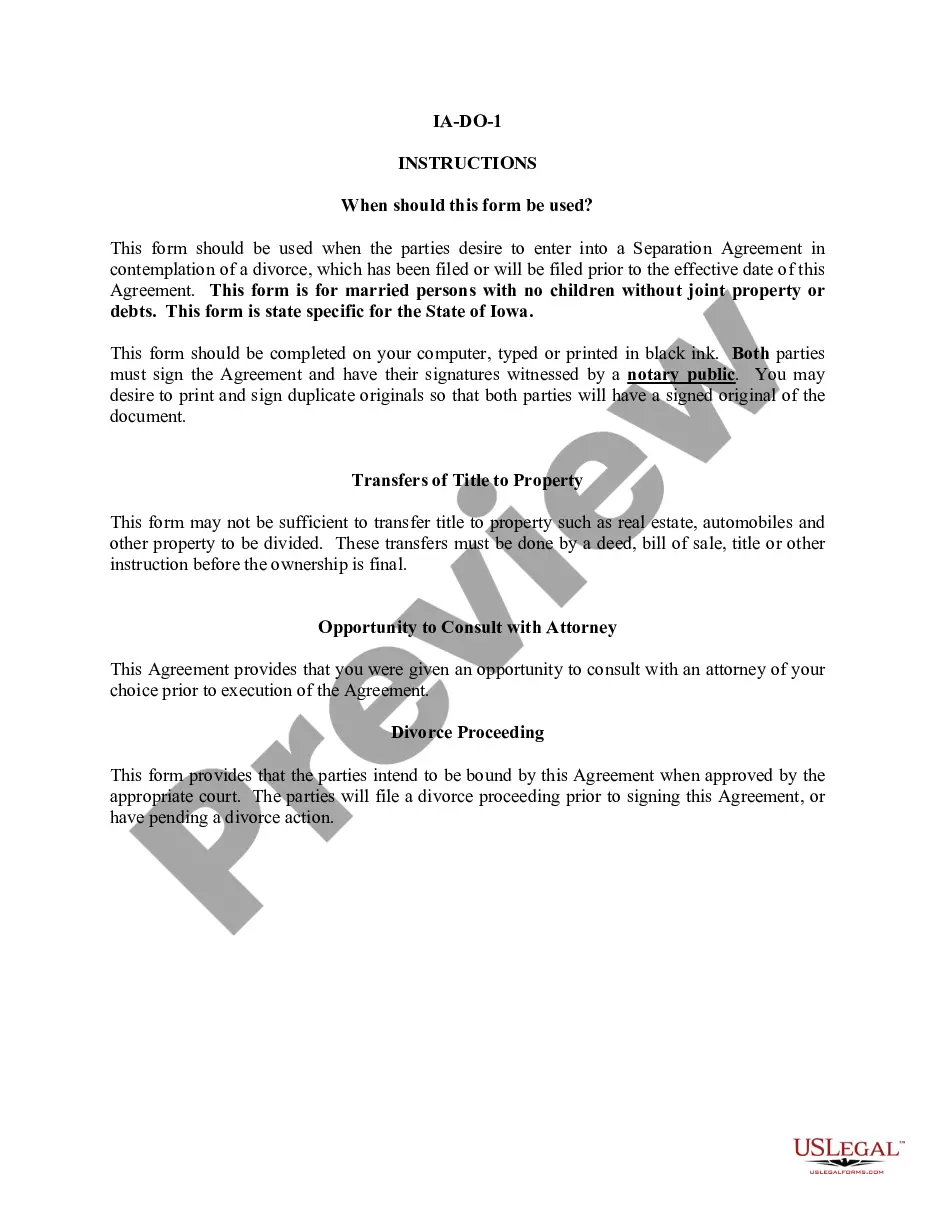

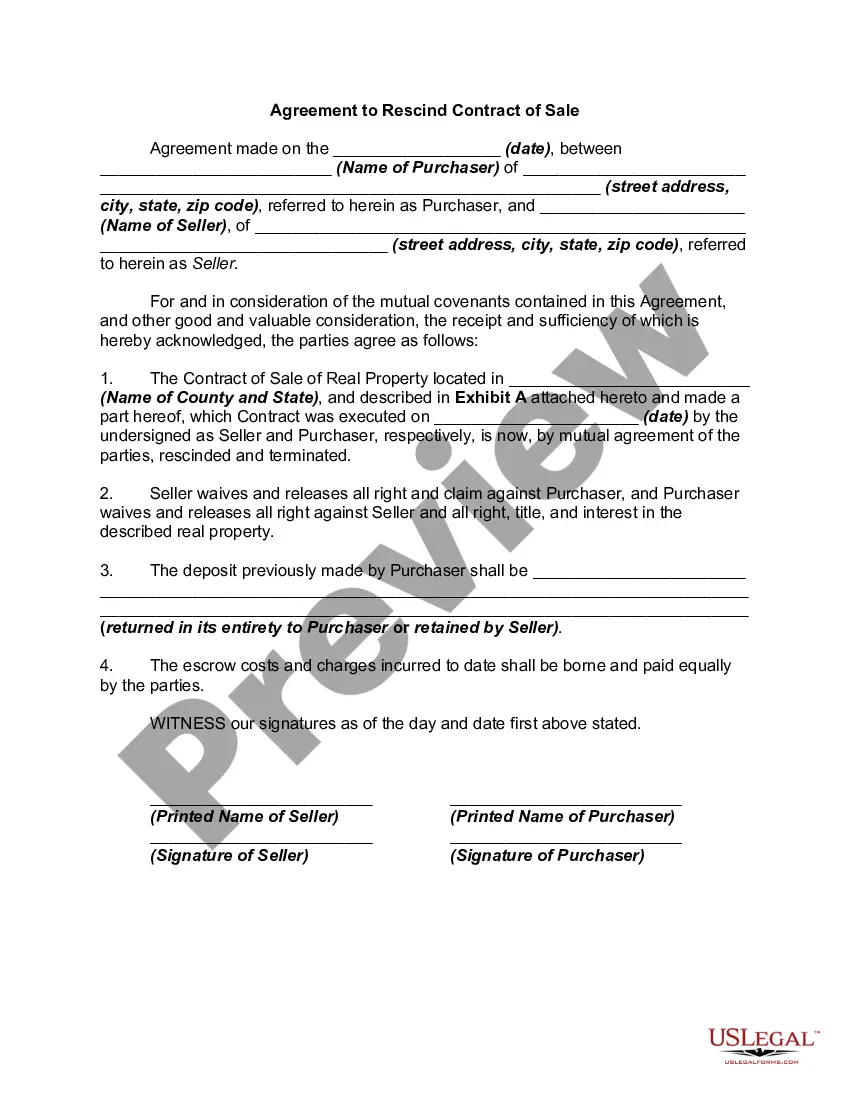

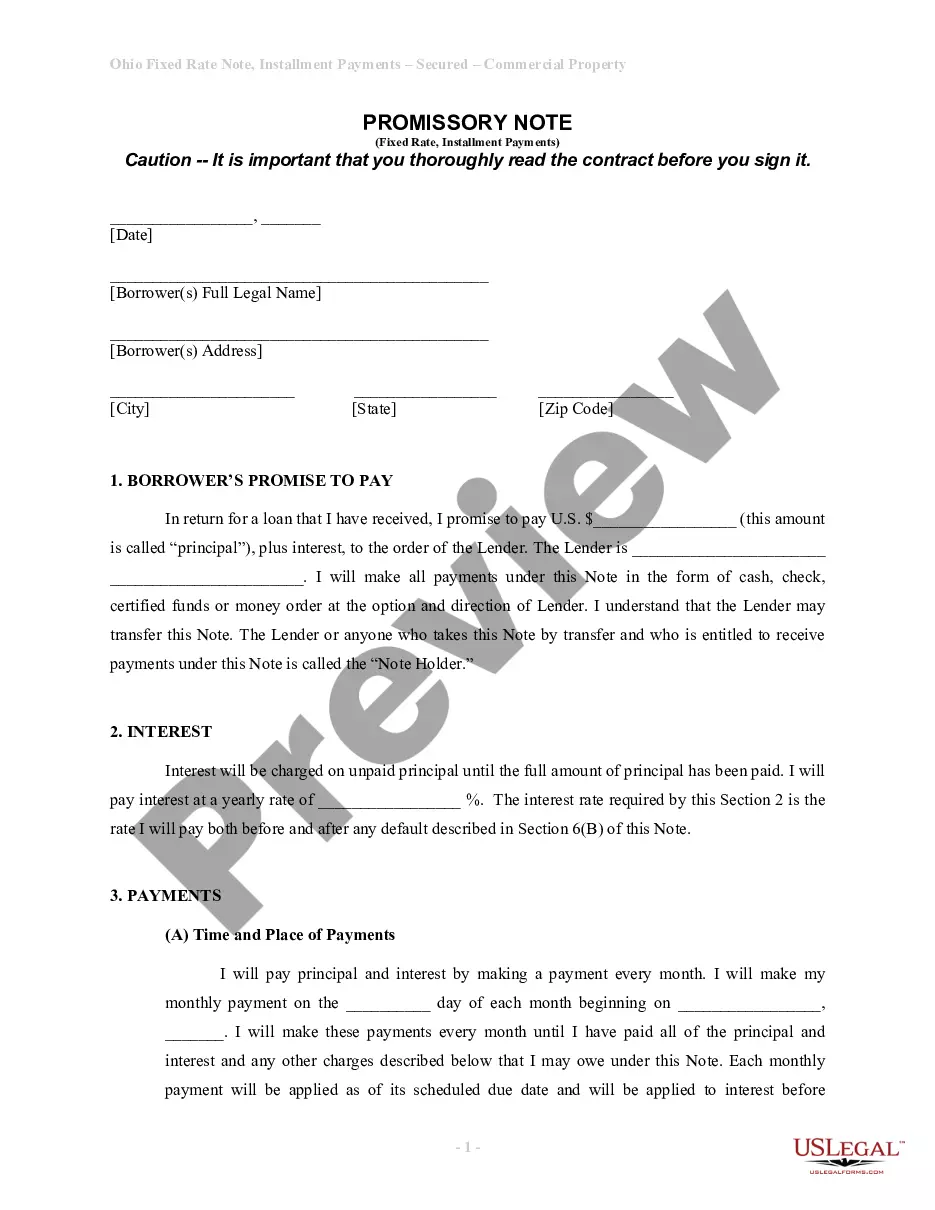
Form popularity
FAQ
It is important to note that a default judgment does always mean an informal eviction occurred. Under Virginia state law, there is an automatic ruling for the landlord anytime a tenant does not appear in court.
Orders of default judgment (aka judgment in default) are obtained in two different ways: by using an administrative process – a Request - judgment is entered by a court officer; or. by filing an application for Judgment in Default, with a Form N244 Application Notice.
How Do I Collect on a Judgment: The Debt Collection Process in... Locate the debtor's assets (as many as possible) Attach the judgment to the assets by placing a lien on the assets (called a “judgment lien”) Obtain the assets to satisfy the judgment (the process of liquidation or foreclosure).
You really need an attorney to review the facts of your case, appear on your behalf, negotiate with the plaintiff and generally defend your legal rights.

