Judgment Against Property With Find In Santa Clara
Description




Get your form ready online
Our built-in tools help you complete, sign, share, and store your documents in one place.
Make edits, fill in missing information, and update formatting in US Legal Forms—just like you would in MS Word.
Download a copy, print it, send it by email, or mail it via USPS—whatever works best for your next step.
Sign and collect signatures with our SignNow integration. Send to multiple recipients, set reminders, and more. Go Premium to unlock E-Sign.
If this form requires notarization, complete it online through a secure video call—no need to meet a notary in person or wait for an appointment.
We protect your documents and personal data by following strict security and privacy standards.

Make edits, fill in missing information, and update formatting in US Legal Forms—just like you would in MS Word.

Download a copy, print it, send it by email, or mail it via USPS—whatever works best for your next step.

Sign and collect signatures with our SignNow integration. Send to multiple recipients, set reminders, and more. Go Premium to unlock E-Sign.

If this form requires notarization, complete it online through a secure video call—no need to meet a notary in person or wait for an appointment.

We protect your documents and personal data by following strict security and privacy standards.
Looking for another form?
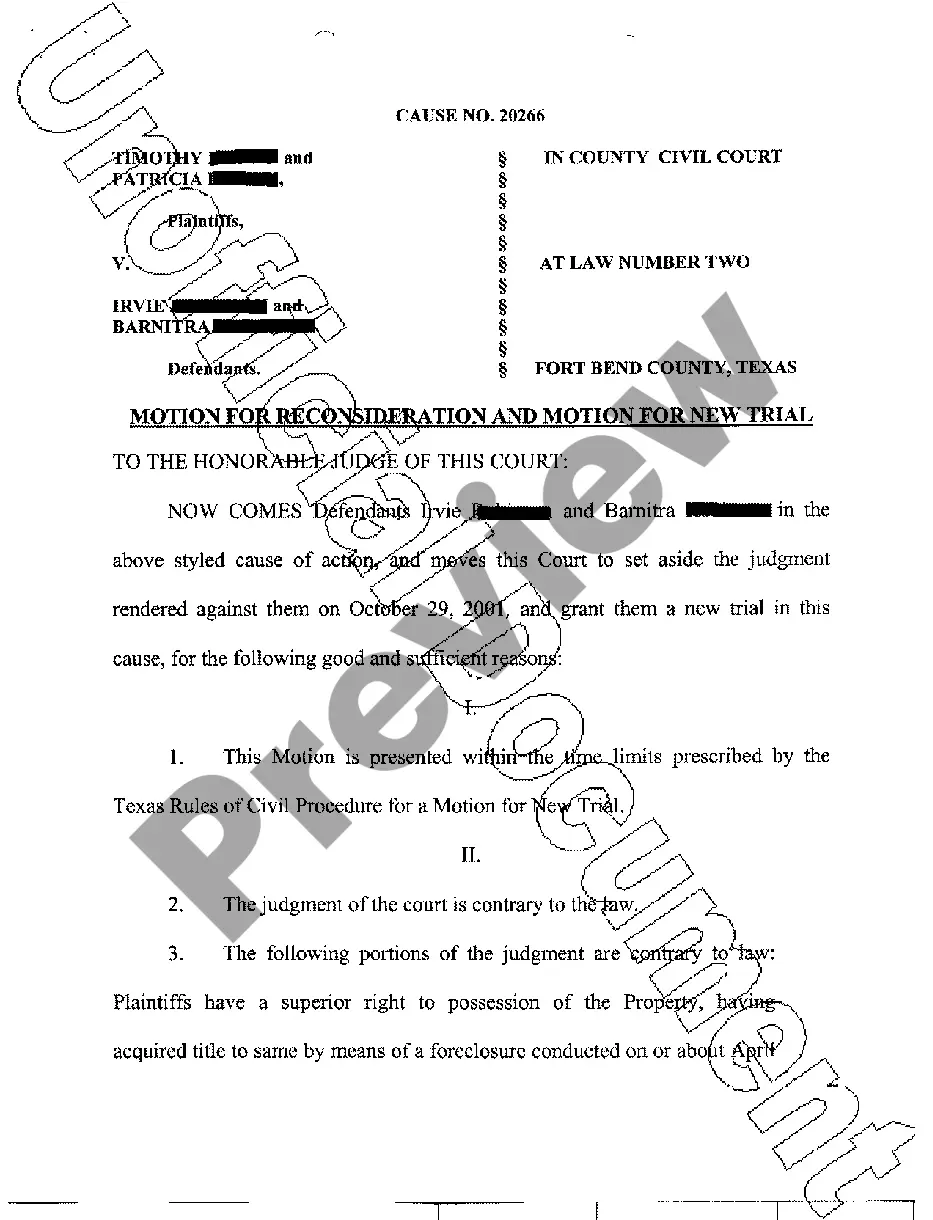








Form popularity
FAQ
You can look at your credit report at .annualcreditreport or you can go to the local clerk for the courts and search the county database. If there are judgments in other jurisdictions you would have to look there as well.
For the most part, whether a lien is a "property lien" or a "judgment lien" depends on how the creditor got the lien. Creditors typically acquire property liens through your voluntary consent. On the other hand, creditors get judgment liens after winning a lawsuit against you for a debt you owe.
The most common ways you may find out that there are outstanding judgements against you in one of the following ways: letter in the mail or phone call from the collection attorneys; garnishee notice from your payroll department; freeze on your bank account; or. routine check of your credit report.
And a homeowner may find it difficult to sell any property that has a lien against it. Prospective buyers may avoid a property to which someone else has a claim.
Go to the court's website where the case is filed. Most courts have a section on their website called "online services" or something similar. There you will find information about whether you can look up a court case online and what type of records you can see. Not all types of records are available online.
Court searches are necessary to uncover both judgments and pending litigation, but local real property filing office searches are necessary to uncover judgment liens in most situations/states.
The judgment lien is not going to impact a homesteaded property so the mortgage lender would be able to obtain a first lien on your property. So, as long as you otherwise qualify for a mortgage, the judgment lien should not be a problem.
Most judgments (the court order saying what you're owed) expire in 10 years. This means you can't collect on it after 10 years. To avoid this, you can ask the court to renew it. A renewal lasts 10 years.
Once the recorder's office has recorded the Abstract of Judgment, it officially becomes a lien on the real property the debtor owns in the county now or may acquire later.

