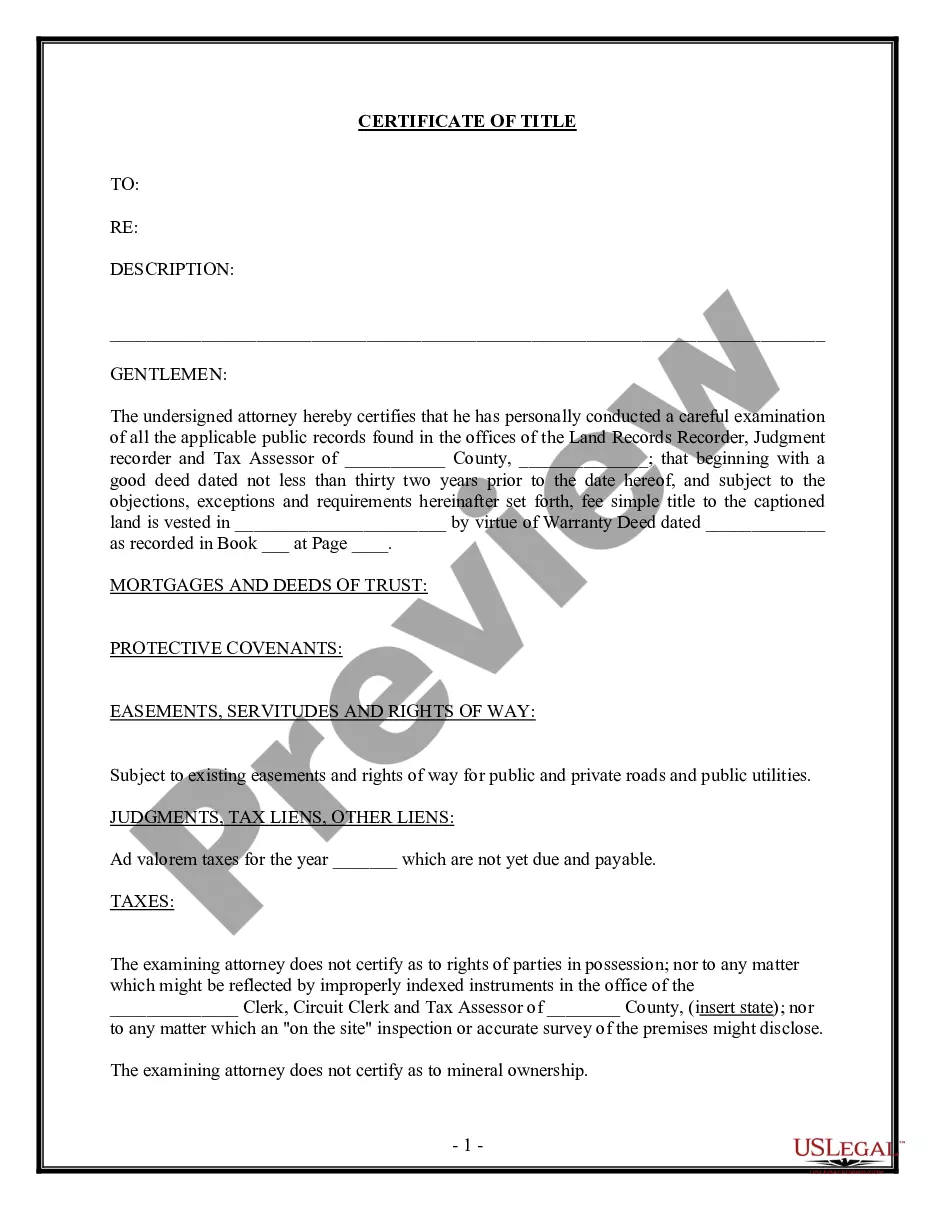
Judgment Against Property With Rem In Pima
Description




Get your form ready online
Our built-in tools help you complete, sign, share, and store your documents in one place.
Make edits, fill in missing information, and update formatting in US Legal Forms—just like you would in MS Word.
Download a copy, print it, send it by email, or mail it via USPS—whatever works best for your next step.
Sign and collect signatures with our SignNow integration. Send to multiple recipients, set reminders, and more. Go Premium to unlock E-Sign.
If this form requires notarization, complete it online through a secure video call—no need to meet a notary in person or wait for an appointment.
We protect your documents and personal data by following strict security and privacy standards.

Make edits, fill in missing information, and update formatting in US Legal Forms—just like you would in MS Word.

Download a copy, print it, send it by email, or mail it via USPS—whatever works best for your next step.

Sign and collect signatures with our SignNow integration. Send to multiple recipients, set reminders, and more. Go Premium to unlock E-Sign.

If this form requires notarization, complete it online through a secure video call—no need to meet a notary in person or wait for an appointment.

We protect your documents and personal data by following strict security and privacy standards.
Looking for another form?








Form popularity
FAQ
In Arizona, you can attach judgment liens only to real estate, meaning land, buildings, and other improvements. When you properly record an Arizona judgment (see below), the lien attaches to real estate the judgment debtor: presently owns, and. acquires later, as long as your judgment lien is still good.
Arizona has a Homestead Exemption that protects a certain amount of equity in a person's principal residence from creditors. In Arizona, this amount is $150,000. This means that if the equity in your home is less than or equal to $150,000, you may be able to protect your home from creditors in a bankruptcy.
The following kinds of personal property are exempt from debt collection and cannot be seized: Household goods, like furniture, clothing, and appliances. Medical equipment, such as a wheelchair. One television, one radio, one computer and one cell phone.
Key Takeaways. A judgment lien is a court ruling that gives a creditor the right to take possession of a debtor's property if the debtor fails to fulfill their contractual obligations. Judgment liens are nonconsensual because they are attached to property without the owner's consent or agreement.
- The officer may levy on debts due to judgment obligor and other credits, including bank deposits, financial interests, royalties, commissions and other personal property not capable of manual delivery in the possession or control of third parties.
Writ of Garnishment is often referred to as garnishing a debtor's wages. A written notice is served to both the debtor and the debtor's employer or financial institution. There is a limit to the amount that can be garnished from the debtor's wages and the first $150 cannot be taken from the debtor's bank account.
And some states also allow judgment liens on the debtor's personal property -- things like jewelry, art, antiques, and other valuables. In Arizona, a judgment lien can be attached to real estate only (meaning a house or similar property).
Arizona's homestead exemption exempts up to $150,000 of a person's equity in their dwelling from attachment, execution or forced sale. The exemption applies to a person's house and land, inium or cooperative, mobile home or mobile home and land.
In Arizona, a judgment is initially effective for ten years after the date of its entry, and execution must be accomplished within that period.