Two Weeks Notice Letter With Reason In Pennsylvania
Description




Get your form ready online
Our built-in tools help you complete, sign, share, and store your documents in one place.
Make edits, fill in missing information, and update formatting in US Legal Forms—just like you would in MS Word.
Download a copy, print it, send it by email, or mail it via USPS—whatever works best for your next step.
Sign and collect signatures with our SignNow integration. Send to multiple recipients, set reminders, and more. Go Premium to unlock E-Sign.
If this form requires notarization, complete it online through a secure video call—no need to meet a notary in person or wait for an appointment.
We protect your documents and personal data by following strict security and privacy standards.

Make edits, fill in missing information, and update formatting in US Legal Forms—just like you would in MS Word.

Download a copy, print it, send it by email, or mail it via USPS—whatever works best for your next step.

Sign and collect signatures with our SignNow integration. Send to multiple recipients, set reminders, and more. Go Premium to unlock E-Sign.

If this form requires notarization, complete it online through a secure video call—no need to meet a notary in person or wait for an appointment.

We protect your documents and personal data by following strict security and privacy standards.
Looking for another form?






Form popularity
FAQ
An employee is not required to give two weeks notice prior to quitting. Employment at-will is still the rule in Pennsylvania. An employee can only file a lawsuit for wrongful termination if it was for a discriminatory reason.
It's acceptable to say you're resigning “for personal reasons.”
A: Usually, you can be fired for just about any reason (or no reason) at all. The normal rule in Pennsylvania is “employment-at-will”. That means that most of us can be fired for just about any reason. Most of us can be fired because our boss doesn't like us, or because it is raining outside.
You can resign for any reason you like, and you are under no obligation to disclose the reason.
You can resign for any reason you like, and you are under no obligation to disclose the reason.
It is generally not recommended to include personal reasons for resigning in a resignation letter.
Many people leave their jobs when they're faced with personal reasons like health issues or family emergencies. You don't need to disclose personal or family matters. Sometimes, saying, “I had to leave for personal and family reasons,” is enough as long as you explain why you're ready to reenter the workforce.
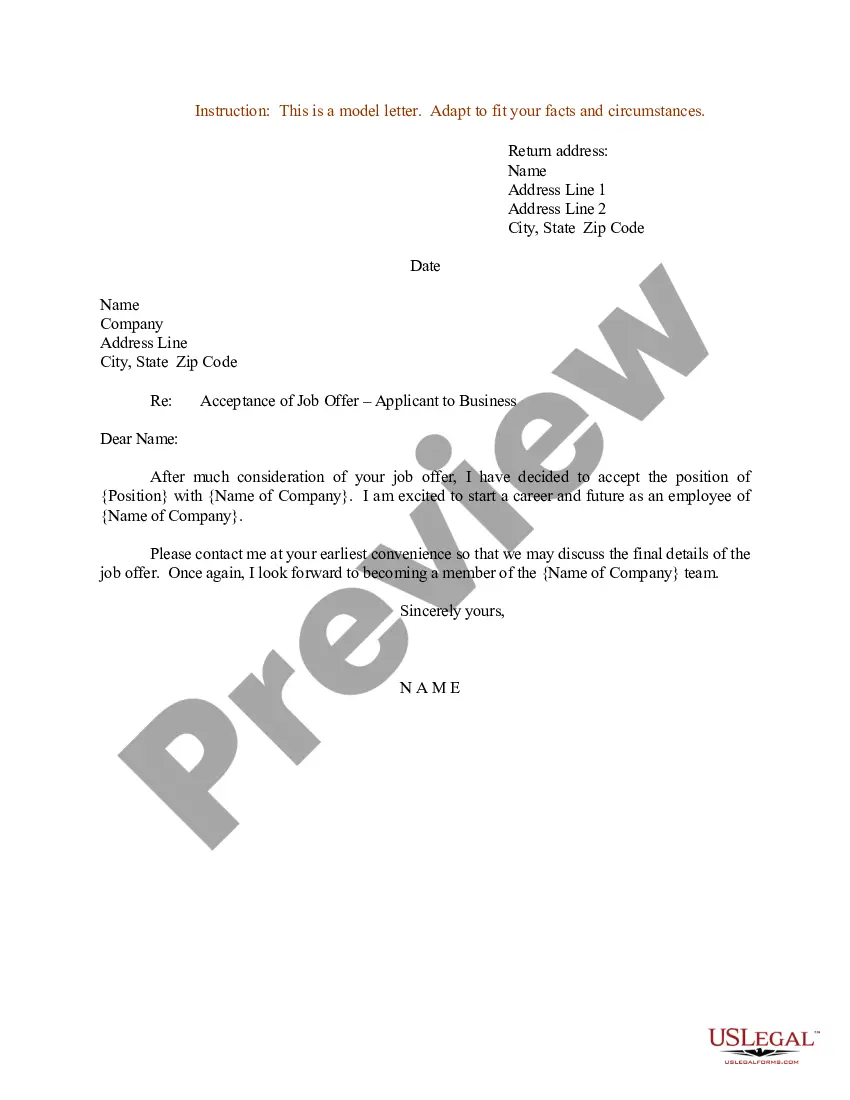
Write a simple two sentence resignation letter addressed to your boss. In the first sentence, state that you are resigning your position. In the second sentence, state that your last day will be two weeks from the date of your letter. Print your letter on plain paper, sign it and copy it for your files.
Keep your letter concise and to the point by summarizing your reason for leaving in one sentence. If the situation is complex or you have multiple reasons for leaving, focus on the primary cause. This statement is most impactful when it's brief and direct.

