Judgement On Notice Meaning In Pennsylvania
Description




Get your form ready online
Our built-in tools help you complete, sign, share, and store your documents in one place.
Make edits, fill in missing information, and update formatting in US Legal Forms—just like you would in MS Word.
Download a copy, print it, send it by email, or mail it via USPS—whatever works best for your next step.
Sign and collect signatures with our SignNow integration. Send to multiple recipients, set reminders, and more. Go Premium to unlock E-Sign.
If this form requires notarization, complete it online through a secure video call—no need to meet a notary in person or wait for an appointment.
We protect your documents and personal data by following strict security and privacy standards.

Make edits, fill in missing information, and update formatting in US Legal Forms—just like you would in MS Word.

Download a copy, print it, send it by email, or mail it via USPS—whatever works best for your next step.

Sign and collect signatures with our SignNow integration. Send to multiple recipients, set reminders, and more. Go Premium to unlock E-Sign.

If this form requires notarization, complete it online through a secure video call—no need to meet a notary in person or wait for an appointment.

We protect your documents and personal data by following strict security and privacy standards.
Looking for another form?







Form popularity
FAQ
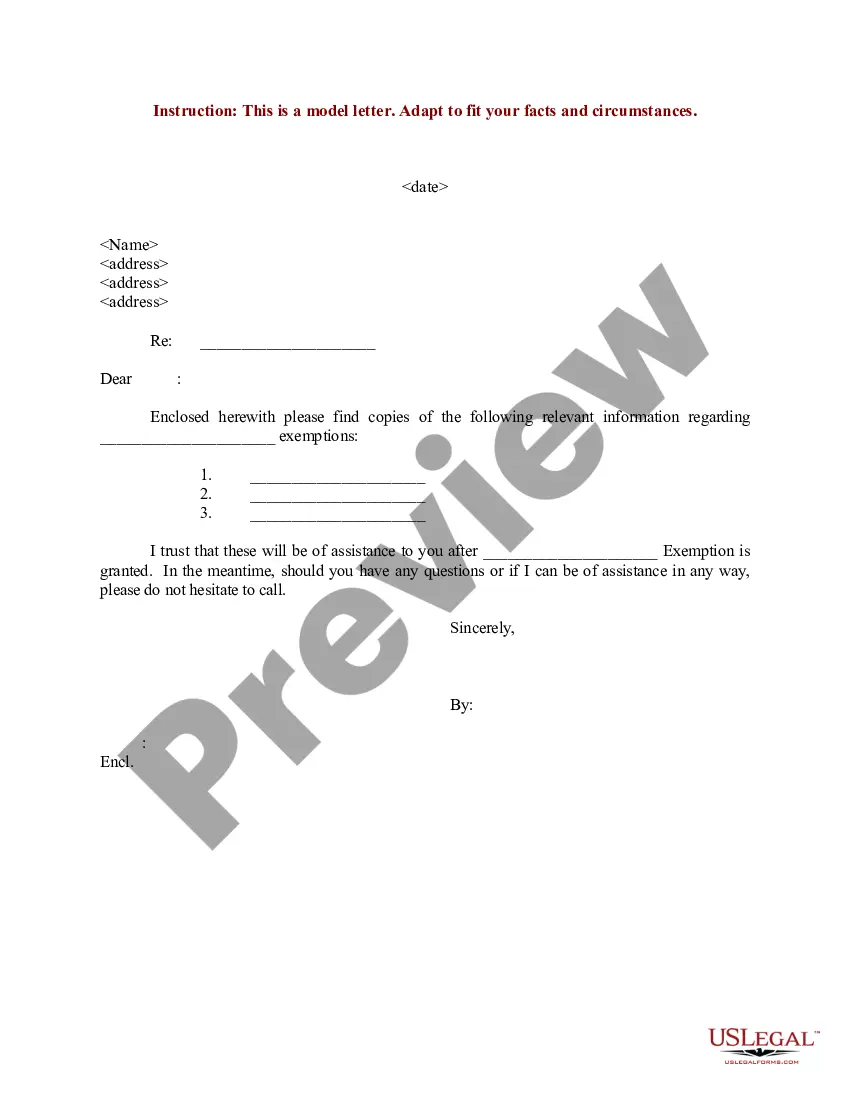
Notice of Entry of Judgment or Order (CIV-130) Tells the parties that a judgment has been entered in a case. Service of this notice sets the start date of important deadlines regarding the ability to set-aside or challenge the judgment.
Written notice of the entry of judgment shall be mailed promptly, by regular mail, by the Municipal Court Administrator to any person who failed to appear at the trial in person or by counsel, but the failure of any party to receive such notice shall not constitute ground for relief from judgment.
Notice of Orders or Judgments: A written notice that tells someone about a decision made by a court. The court clerk or one of the parties usually provides this notice. If the court doesn't provide it, one of the parties has to.
File a praecipe for judgment, a dated copy of the 10 day notice, and a Pennsylvania Rule 236 form. If the debtor is an individual, you must file a notarized affidavit of nonmilitary service. File an original and a copy for each debtor with a Rule 236 form. Include a stamped envelope addressed to each debtor.
Pennsylvania judgments are valid for 5 years. Judgments can be revived every 5 years and should be revived if a creditor is attempting to actively collect on the debt. Judgments also act as a lien against real property for up to 20 years or longer if properly revived.
A judgment is an official result of a lawsuit in court. If a debt collector sues you in court, the judge could award the creditor or debt collector a judgment against you.
Pennsylvania judgments are valid for 5 years. Judgments can be revived every 5 years and should be revived if a creditor is attempting to actively collect on the debt. Judgments also act as a lien against real property for up to 20 years or longer if properly revived.
Rule 236 governs the notice to be given by the prothonotary of the entry of an order or judgment.

